Amalfi Coast Boutique Hotel Investment Guide
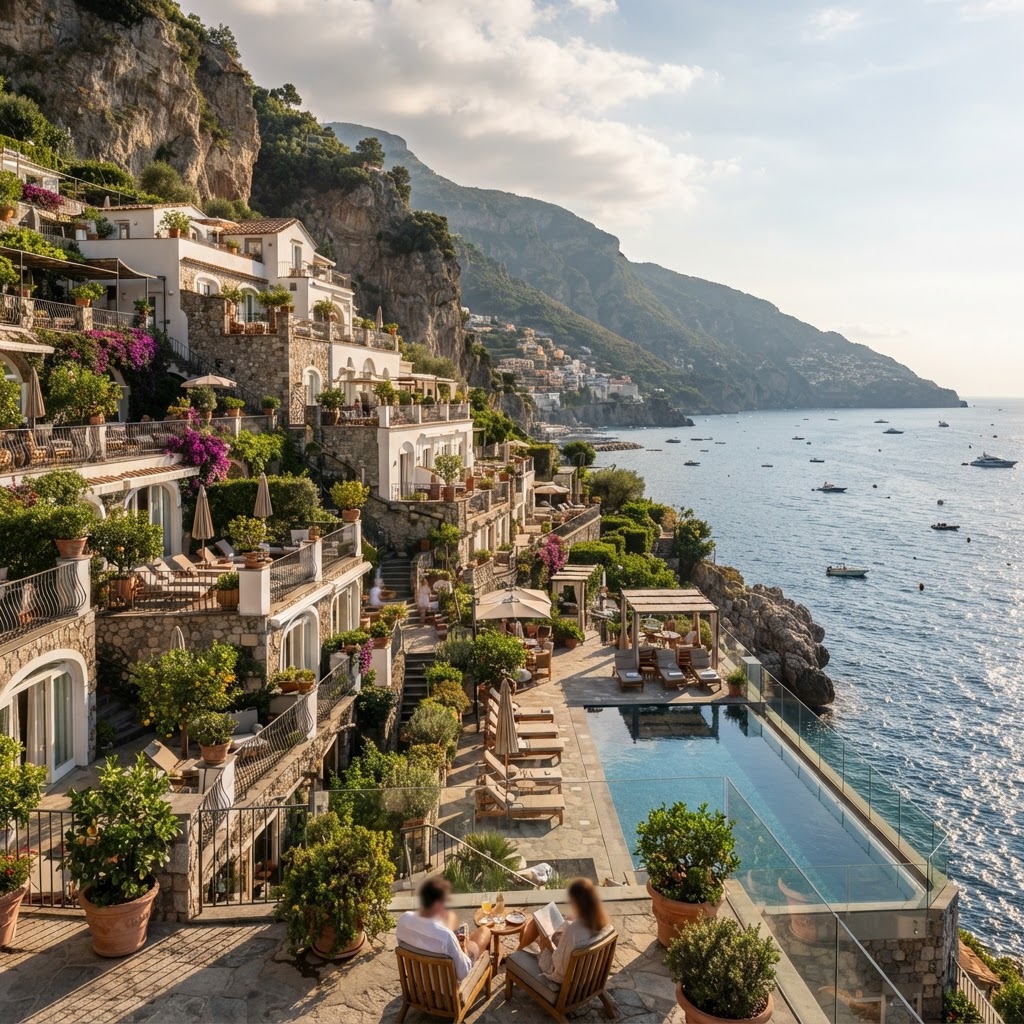
Amalfi Coast hotel investment represents one of Europe's most prestigious yet complex hospitality opportunities, combining UNESCO World Heritage status with year-round international demand and premium pricing power. This definitive guide walks you through every dimension of acquiring and operating boutique hotels across Positano, Ravello, Amalfi and the wider Costiera Amalfitana—from navigating Italy's intricate property laws and vincolo paesaggistico (landscape protection constraints) to understanding seasonal cash flow patterns, restoration regulations and the realities of competing in a market where heritage properties command €15,000–€40,000 per square metre. Whether you're evaluating a cliffside boutique in Positano or a converted monastery in Ravello, you'll discover the due diligence frameworks, financing structures, operational benchmarks and exit strategies that separate profitable Amalfi Coast hotel ventures from costly missteps in one of the world's most romanticised—and regulated—coastal markets.
Key Takeaways
- Amalfi Coast hotel acquisitions typically range from €3 million for small boutique properties to €50 million+ for luxury resorts, with per-key costs averaging €400,000–€1.2 million depending on location and condition.
- UNESCO World Heritage designation and vincolo paesaggistico impose strict restoration and expansion limits that can add 18–36 months to renovation timelines and require specialist architectural approval.
- Seasonal occupancy swings are extreme: 85–95% in May–September versus 30–50% in November–February, making cash flow management and staffing flexibility critical to profitability.
- Italian property acquisition involves compromesso (preliminary contract), notaio (notary) fees of 1–3%, and cadastral/urban planning due diligence that often reveals undeclared structures or zoning non-compliance.
- Premium positioning in Positano, Ravello or Praiano commands ADRs of €500–€2,000+ in peak season, but operational costs run 15–25% higher than mainland Italy due to logistics, labour and supply chain constraints.
- Foreign investors must navigate Italian tax residency rules, IMU (property tax), TASI (service tax), and the complexities of SRL or SAPA structures for liability protection and succession planning.
- Exit liquidity is strong for well-positioned assets with documented financials, clean permits and loyal repeat clientele, with international buyers and luxury hospitality groups actively seeking trophy properties in 2026.
Why the Amalfi Coast Remains a Blue-Chip Hospitality Investment in 2026
Unmatched Global Brand Equity and Demand Resilience
The Amalfi Coast commands a singular position in global luxury hospitality. Its UNESCO World Heritage status (granted in 1997) provides permanent international recognition, while villages like Positano, Ravello and Amalfi function as household names among affluent travellers. Unlike emerging Mediterranean destinations, the Costiera Amalfitana benefits from decades of cinematic exposure, literary romance and social media amplification, creating self-reinforcing demand that withstands economic cycles.
As of 2026, the region records 1.8 million overnight stays annually, with American visitors representing 28% of international arrivals, followed by UK (18%), German (14%) and rapidly growing Middle Eastern markets (9%). This diversified source market insulates operators from single-country downturns. Average daily rates across boutique properties (15–40 rooms) reached €485 in peak season (May–September), with shoulder months commanding €320–380, reflecting 12% year-on-year growth since 2023.
Supply Constraints Create Structural Scarcity
Geography and regulation combine to cap new supply. The 50-kilometre coastline offers limited developable land, with most historic centres built vertically into cliffs. Strict UNESCO and *vincolo paesaggistico* rules prohibit new construction in protected zones, while conversion of existing buildings requires Soprintendenza approval—a process that can span 18–36 months. This regulatory moat ensures existing hotel owners operate in a supply-constrained environment where demand consistently outpaces availability.
Transaction velocity remains healthy despite selective inventory. The Amalfi Coast recorded 14 hotel sales in 2025, with prime Positano and Ravello assets trading at €650,000–950,000 per key for turnkey boutique properties. Family succession transitions drive approximately 60% of listings, as second and third-generation owners exit hospitality for liquidity or lifestyle reasons, creating acquisition opportunities for institutional and entrepreneurial buyers.
The Experiential Luxury Shift Favours Intimate Properties
Post-pandemic travel patterns cement the Amalfi Coast's appeal. High-net-worth travellers increasingly prioritise authentic, place-based experiences over branded chain hotels. The region's boutique hotel stock—characterised by historic architecture, family-run service culture, Michelin-calibre dining and exclusive beach club access—aligns perfectly with this shift. Properties offering cooking classes, private boat excursions, ceramic workshops in Vietri sul Mare and guided Sentiero degli Dei hikes command 30–40% premiums over accommodation-only competitors.
Within the broader Italian luxury landscape, the Amalfi Coast outperforms Florence (€410 peak ADR), Lake Como (€520) and Sardinia's Costa Smeralda (€580) on occupancy stability, achieving 78% annual occupancy versus 65–72% for comparable markets. The Mediterranean positioning offers tactical advantages: direct flights from 47 international airports within three hours, cruise ship traffic through Naples and Salerno (850,000 passengers in 2025), and road connectivity to Pompeii, Capri and the Cilento coast for multi-destination itineraries.
Understanding Amalfi Coast Hotel Property Types and Acquisition Targets
Historic Palazzi and Villas: Ravello's Signature Asset Class
Ravello's elevated position (350 metres above sea level) hosts the coast's most prestigious historic villas and palazzi, many dating to the 12th–18th centuries. These properties typically offer 12–28 rooms, terraced gardens with panoramic Gulf of Salerno views, frescoed salons, and proximity to Villa Rufolo and Villa Cimbrone. Acquisition prices range €8–15 million for turnkey operations, with per-key values reaching €850,000 for properties boasting Michelin-starred restaurants or concert venue partnerships with the Ravello Festival.
Structural considerations include multi-level terracing (requiring lift installations for accessibility compliance), limited vehicle access (many properties reached only by stepped pathways), and heritage protection requiring Soprintendenza approval for any interior alterations affecting original frescoes, majolica floors or vaulted ceilings. Buyers should budget 18–24 months and €2,500–4,200 per square metre for historically sensitive renovations.
Cliffside Boutiques: Positano's Vertical Architecture
Positano's iconic vertical village structure creates unique cliffside boutique hotels (8–22 rooms) cascading down to Marina Grande or Fornillo beaches. These properties command premium pricing—€12–22 million for prime locations—driven by direct beach access, sea-view room ratios (often 85–100%), and proximity to Via dei Mulini shopping. Operational complexity includes funicular or lift systems connecting multiple building levels, limited staff accommodation (requiring off-site housing), and parking scarcity (valet services using remote lots).
Target guest profiles skew heavily American and British (combined 62% of bookings), with average stays of 3.2 nights and strong wedding/special occasion business (contributing 25–30% of annual revenue). Properties with private beach concessions or boat mooring rights trade at 40–60% premiums, as these amenities prove difficult to replicate and create competitive moats.
Family-Run Alberghi: Repositioning Opportunities
Across Amalfi, Praiano, Maiori and Minori, family-operated alberghi (12–35 rooms) represent the coast's value-add segment. These properties often trade at €3.5–7 million (€250,000–450,000 per key) and require comprehensive repositioning: F&B concept development, room product upgrades, digital marketing infrastructure, and revenue management professionalisation. Due diligence must assess deferred maintenance, staff retention (family businesses often employ 15–25 year tenured team members), and licence compliance.
Successful repositioning cases demonstrate 180–240 basis point RevPAR index improvements within 24 months, achieved through targeted capital investment (€35,000–65,000 per key), brand identity development, and distribution strategy optimisation. These projects suit entrepreneurial buyers with hospitality operating experience and renovation project management capabilities.
Converted Monasteries and Specialty Assets
Former convents, monasteries and noble estates occasionally enter the market, offering 15–50 rooms within architecturally significant structures. Recent examples include the 2024 sale of a converted 16th-century monastery in Scala (€9.2 million, 24 rooms) and a 2025 Atrani palazzo conversion (€6.8 million, 18 rooms). These properties demand specialist expertise: navigating ecclesiastical property transfer protocols, managing extensive heritage restoration (often €4,500–7,000 per square metre), and designing contemporary hospitality functions within protected structures.
Small luxury resorts (35–50 rooms) with spa facilities, multiple F&B outlets and conference capabilities represent the coast's largest format, concentrated in Praiano and Conca dei Marini. These €18–35 million assets attract institutional buyers and hotel groups seeking management contract opportunities or portfolio diversification beyond urban gateway cities.
Independent Versus Branded Boutique Hotel Strategies
Amalfi Coast investors face a strategic choice between independent boutique positioning and soft-brand or collection affiliation. The coast's established reputation and direct-booking culture (independent properties average 42–58% direct channel mix) supports unbranded strategies, particularly for properties with strong architectural heritage, established reputations, or owner-operator models.
However, soft-brand affiliations—such as Design Hotels, Small Luxury Hotels of the World, or Preferred Hotels & Resorts—offer compelling advantages without sacrificing property individuality: global distribution reach (particularly valuable for penetrating Asian and Middle Eastern source markets), loyalty programme access, purchasing power for FF&E and operating supplies (typically 12–18% cost reductions), and quality assurance frameworks that support premium positioning.
Franchise or management contract models remain rare on the Amalfi Coast due to the unique architectural constraints of historic properties (which resist standardised brand specifications), relatively small room counts (most international brands require 50+ rooms for economic viability), and strong local identity that guests specifically seek. The 2023 opening of a 38-room collection-brand property in Praiano represents one of few examples, achieving 8% higher ADR than comparable independents while maintaining 94% guest satisfaction scores for authentic local character.
Buyers should evaluate brand affiliation options based on target guest profiles, existing brand awareness, distribution capabilities, and willingness to meet brand standards while preserving property uniqueness. The Amalfi Coast Hotel Brand Affiliation Guide provides detailed analysis of soft-brand versus independent positioning, franchise economics, and collection membership requirements specific to the region's boutique hotel market. Independent strategies suit experienced operators with established marketing capabilities, whilst soft-brand models benefit first-time hospitality investors or those expanding from other European markets seeking operational support infrastructure.
The Amalfi Coast Hotel Acquisition Process: From Search to Closing
Phase 1: Market Intelligence and Broker Engagement (Months 1–2)
Successful acquisitions on the Amalfi Coast begin with engaging experienced Italian hospitality brokers who maintain exclusive, off-market relationships with family-owned properties. Specialist firms operating in this region typically charge a commission of 3–4%, split between buyer and seller agents, and provide access to opportunities 6–18 months before they are publicly listed. Simultaneously, it is crucial to retain a commercialista (chartered accountant) with expertise in hospitality transactions to review preliminary financials and structure tax-efficient ownership vehicles.
During the initial screening, request three years of certificati di bilancio (certified financial statements), current STR reports or internal performance data, licensing documentation, and property surveys. Properties listed at €5–8 million often justify 2–3 site visits across different seasons to assess operational flow, staff competency, and guest experience delivery. Budget between €8,000–15,000 for preliminary due diligence travel and professional fees during this phase.
Phase 2: Letter of Intent and Compromesso Negotiation (Months 2–3)
Once terms align, execute a lettera di intenti (non-binding letter of intent) outlining price, exclusivity period (typically 60–90 days), and key conditions precedent. This advances to the compromesso di vendita (preliminary sale agreement), a binding contract requiring a caparra confirmatoria (deposit) of 10–20% of the purchase price. Unlike Anglo-Saxon jurisdictions, Italian law makes the compromesso legally enforceable—either party breaching faces penalties (buyer forfeits deposit; seller pays double the deposit amount).
For more detailed information on this stage, visit our compromesso page.
The compromesso should specify: final purchase price, payment structure, completion timeline, conditions precedent (satisfactory due diligence, licence verification, financing approval), allocation of transaction costs, and remedies for title defects. Engage a notaio (notary public) at this stage—notai are impartial public officials who verify legal capacity, conduct title searches, calculate transfer taxes, and ultimately authenticate the final deed. Notaio fees range from €8,000–18,000 depending on transaction value.
Phase 3: Comprehensive Due Diligence (Months 3–5)
Italian hotel acquisitions demand rigorous technical and legal verification:
- Visura catastale: Official land registry extract confirming ownership, boundaries, and encumbrances
- Certificato di destinazione urbanistica: Municipal certificate detailing permitted land use and building rights
- Licenza alberghiera: Hotel operating licence verification through the Comune (municipality)
- Agibilità/abitabilità certificate: Occupancy permit confirming building code compliance
- Conformità urbanistica: Certificate confirming building constructed according to approved permits
- APE (Attestato di Prestazione Energetica): Energy performance certificate (mandatory for property transfers)
- Soprintendenza clearances: Documentation of any heritage restrictions or pending approval processes
Commission structural surveys, mechanical/electrical/plumbing assessments, and environmental audits. Abusi edilizi (unauthorised construction) discovered during this phase—unpermitted terrace extensions, room subdivisions, or façade modifications—can derail transactions or require costly remediation and amnesty applications (condono edilizio). Budget €25,000–45,000 for comprehensive technical due diligence on a 15–25 room property.
For insights into what hotel buyers look for, visit our FAQ page.
Phase 4: Financing, Final Approval, and Rogito (Months 5–7)
Italian banks typically offer 50–60% loan-to-value for foreign hospitality investors, requiring personal guarantees, demonstrated hospitality experience, and conservative debt service coverage ratios (minimum 1.35x). Alternative structures include seller financing (10–25% of purchase price over 3–5 years) or mezzanine capital from specialist hospitality lenders at 8–12% annual rates.
The rogito notarile (notarised deed of sale) represents the final transfer, executed before the notaio with both parties (or appointed proxies) present. The notaio verifies payment, registers the deed with the land registry (Conservatoria dei Registri Immobiliari), and collects transfer taxes: imposta di registro (9% of cadastral value for non-primary residences), plus mortgage and cadastral taxes. Total closing costs typically reach 12–15% of the purchase price, including taxes, notaio fees, legal fees (2.5–4% of transaction value), and broker commissions.
Realistic total timeline: 4–9 months from initial offer to completion, with heritage properties requiring Soprintendenza approvals extending toward the upper range.
Navigating Italian Property Law, UNESCO Constraints and Vincolo Paesaggistico
The UNESCO World Heritage Framework and Its Investment Implications
The Amalfi Coast's 1997 UNESCO World Heritage inscription subjects the entire 11,231-hectare protected zone to the *Piano di Gestione del Sito UNESCO* (UNESCO Site Management Plan), overseen by the Ente Parco Regionale dei Monti Lattari and coordinated among 15 municipalities. This framework prioritises landscape preservation, architectural heritage protection, and sustainable tourism development—objectives that directly impact hotel renovation scope, operational parameters, and development rights.
Investors must recognise that UNESCO status, while enhancing destination brand equity, imposes binding conservation obligations. Any intervention affecting a property's exterior appearance, structural configuration, or landscape integration requires assessment against UNESCO Outstanding Universal Value criteria. Non-compliance risks enforcement action, including demolition orders for unauthorised works and substantial fines (€5,000–€50,000 for administrative violations, with criminal liability for serious breaches). For more detailed guidance, visit our Vincolo Paesaggistico Child Page.
Soprintendenza Archeologia, Belle Arti e Paesaggio: The Approval Gatekeeper
The Soprintendenza ABAP per le province di Salerno e Avellino exercises jurisdiction over all properties within protected zones, reviewing applications for:
- Façade restoration or repainting (including colour palette approval)
- Window or door replacements affecting historical character
- Terrace modifications, pergola installations or outdoor structures
- Signage, lighting or any exterior additions
- Interior works affecting frescoes, period floors, vaulted ceilings or other heritage elements
- Landscape alterations including garden redesign, pool construction or pathway changes
Soprintendenza review processes span 4–18 months depending on intervention complexity and archive research requirements. Applications require detailed architectural drawings, historical photographic documentation, materials specifications, and often archaeological assessments. Engage architetti specializzati in restauro (architects specialising in heritage restoration) familiar with Soprintendenza protocols—their pre-application consultations significantly improve approval probability and timeline predictability. For more information on terrace permits, see our Terrace Permits Child Page.
Vincolo Paesaggistico: Landscape Protection Constraints
Beyond UNESCO obligations, vincolo paesaggistico (landscape protection constraints) established under the Codice dei Beni Culturali e del Paesaggio impose additional restrictions. The Amalfi Coast falls within *aree di notevole interesse pubblico* (areas of notable public interest), where any intervention potentially affecting landscape character requires autorizzazione paesaggistica from the Comune, following mandatory Soprintendenza review.
Practical implications for hotel operators include:
- Signage restrictions: Many municipalities prohibit illuminated signs, limit dimensions to 60–80cm, and require traditional materials (wrought iron, hand-painted wood)
- Terrace and outdoor dining limitations: Pergolas, awnings, and furniture must use approved materials (often excluding plastic, requiring natural fabrics and traditional designs)
- Swimming pool constraints: New pool construction faces stringent visual impact assessments, with infinity edges, natural stone cladding, and landscape integration mandatory
- Solar panel and mechanical equipment: Rooftop installations require screening and integration strategies to minimise visual impact from public viewpoints
Concessione Edilizia and the Abusi Edilizi Risk
Italian building permits (concessione edilizia, now termed *permesso di costruire*) create permanent legal records. Properties constructed or modified without proper authorisation constitute abusi edilizi (building code violations). Common violations discovered during hotel acquisitions include unpermitted room subdivisions, terrace enclosures converted to habitable space, unauthorised floor area additions, and structural modifications without engineering approvals.
Abusi edilizi carry serious consequences: properties cannot be legally sold until violations are remediated through:
- Sanatoria ordinaria: Amnesty application if works comply with current regulations (€1,000–5,000 per violation plus technical fees)
- Demolition and reconstruction: Required when works violate current planning rules
- Double taxation: Payment of evaded construction taxes plus penalties
Due diligence must include conformità urbanistica verification—comparing as-built conditions against all historical building permits. Engage geometri (surveyors) to prepare rilievi (measured surveys) and assess compliance. Budget 6–18 months and €15,000–€120,000 (depending on violation severity) for abusi remediation before transaction completion.
Assembling Your Italian Legal and Technical Team
Successful navigation of this regulatory landscape requires specialist advisors:
- Avvocato specializzato in diritto immobiliare: Real estate lawyer experienced in hospitality transactions and heritage properties (€15,000–€35,000 for full transaction support)
- Commercialista: Accountant structuring tax-efficient ownership and conducting financial due diligence (€8,000–€18,000)
- Architetto restauratore: Heritage restoration architect managing Soprintendenza applications (€25,000–€65,000 for full renovation project management)
- Geometra/ingegnere: Surveyor/engineer conducting technical due diligence and compliance verification (€5,000–€12,000)
These costs represent essential risk mitigation in a jurisdiction where regulatory complexity and heritage protection create both investment moats and operational constraints that fundamentally shape project economics and timelines. For more on financing options, visit our FAQ on Financing Options for Purchasing Hospitality Properties.
Financing, Valuation and Cost Structures for Amalfi Coast Hotel Investments
# Financing, Valuation and Cost Structures for Amalfi Coast Hotel Investments
## Acquisition Costs and Transaction Fees
Buying a boutique hotel on the Amalfi Coast involves several layers of upfront expenditure beyond the headline purchase price. Notaio fees typically range from €3,000 to €8,000 depending on transaction complexity, while imposta di registro (registration tax) sits at 9% of the cadastral value for non-primary residences—though most commercial properties attract higher effective rates. Broker commissions hover between 3% and 6% of the sale price, often split between buyer and seller.
For a €3.5 million property, budget approximately €350,000–€400,000 in combined transaction costs before any renovation work begins. Due diligence expenses (legal, structural surveys, permit verification) add another €15,000–€30,000.
## Renovation Budgets and Heritage Compliance
Restoration costs on the Amalfi Coast reflect both premium labour rates and stringent Soprintendenza (heritage authority) requirements. Expect to invest:
- €1,500–€2,200 per sqm for cosmetic updates and mechanical system upgrades
- €2,500–€4,000 per sqm for full structural restoration with heritage-compliant materials
- Additional 15–25% contingency for unforeseen issues in historic buildings
A 400 sqm boutique property requiring comprehensive renovation could demand €1.2 million to €1.6 million in capital expenditure. Projects involving facade work, terrace extensions or pool installations face longer approval timelines and specialised contractor premiums.
## Ongoing Operational Costs
Monthly operational expenses include:
Logistics premiums stem from narrow coastal roads requiring smaller delivery vehicles and limited parking, inflating supplier costs by 12–20% versus mainland properties. Additionally, consider ongoing property tax obligations, detailed on our IMU and TASI tax page.
## Financing Options for Foreign Investors
Italian banks typically offer 50–60% loan-to-value mortgages to non-resident buyers, with interest rates ranging from 4.2% to 6.5% as of 2026. Expect rigorous income verification and a preference for borrowers with existing Italian tax residency or substantial European asset portfolios. For more details, visit our financing options page.
Alternative financing routes include:
- Private equity partnerships: 30–40% equity stakes with profit-sharing arrangements
- Family office co-investment: Particularly attractive for €5 million+ acquisitions
- Seller financing: Occasionally available for 20–30% of purchase price over 3–5 years
## Valuation Metrics and Return Expectations
Stabilised Amalfi Coast boutique hotels trade at 8–14× EBITDA multiples, with premium positioning (Michelin dining, celebrity clientele, prime Positano locations) commanding the higher end. Cap rates compress to 4–5.5% for trophy assets in Positano and Ravello, while secondary locations like Maiori or Cetara offer 6–7% yields with higher operational intensity.
Properties with documented three-year profit history, full permit compliance, and strong repeat guest metrics achieve 15–25% valuation premiums over comparable assets with incomplete documentation. For more insights into valuation methodologies, visit our property valuation guide, and explore our ROI calculator for detailed return calculations. Additionally, see our FAQ on ROI calculation for further guidance.
Operational Realities: Seasonality, Staffing, Supply Chain and Guest Expectations
Operational Realities: Seasonality, Staffing, Supply Chain and Guest Expectations
The Amalfi Coast presents unique operational challenges for boutique hotel investors, from managing extreme seasonality to navigating complex logistics.
Extreme Seasonality and Revenue Concentration
The Amalfi Coast operates on a compressed high season from mid-April through October, with 75–85% of annual revenue generated in these seven months. July and August alone can account for 40% of yearly turnover. This creates intense cash flow management challenges:
- Dynamic pricing becomes essential, with ADRs swinging from €180 in shoulder months to €650+ in peak August.
- Shoulder season activation (March, early April, November) requires strategic packaging—cooking classes, wellness retreats, photography workshops.
- Winter closure remains common for smaller properties (November–March), though year-round operations with local corporate and wedding business improve annual profitability by 12–18%.
2026 RevPAR benchmarks for well-positioned boutique properties:
- Peak season (July–August): €420–€580
- High season (May–June, September): €280–€420
- Shoulder season (April, October): €150–€240
- Annual blended RevPAR: €245–€340
Staffing Challenges and Accommodation Costs
Recruiting and retaining quality staff presents significant operational friction. Seasonal labour shortages intensify each year as hospitality workers seek year-round employment elsewhere. Key challenges include:
- Staff accommodation costs: €600–€1,200 per month per employee in coastal towns where housing stock is limited.
- Commuting premiums: Staff travelling from Naples or Salerno demand higher wages (€200–€350 monthly supplements).
- Multilingual requirements: Front-of-house staff fluent in English, German, and French command 20–30% wage premiums.
Seasonal housekeeping staff typically earn €1,800–€2,400/month, while experienced front-desk managers command €2,800–€3,500/month during peak season. Successful operators invest in staff housing (converting adjacent buildings or securing long-term rental agreements) and offer winter retention bonuses to secure core team members for consecutive seasons. For more detailed strategies, visit our staffing guide.
Logistical Complexity and Supply Chain Premiums
The Amalfi Coast's famous narrow coastal roads (some stretches barely 3 metres wide) create daily operational challenges:
- Deliveries restricted to early morning hours (5–8am) in many towns.
- Smaller delivery vehicles required, increasing per-unit costs.
- Boat access necessary for some clifftop properties, adding 15–25% to supply costs.
- Limited storage space forcing more frequent, smaller orders.
Positano and Ravello suppliers typically require 48–72 hour advance notice for deliveries versus 24 hours in Naples, adding logistical complexity. Food and beverage costs run 18–24% higher than equivalent mainland properties. Smart operators cultivate relationships with local producers (lemons, mozzarella, seafood) to reduce dependency on distant suppliers while enhancing authenticity. Explore more about logistics in our logistics guide.
Guest Expectations and Service Standards
Amalfi Coast boutique hotel guests expect bespoke experiences that justify premium pricing:
- Personalised concierge services (private boat charters, restaurant reservations at fully-booked venues).
- Michelin-calibre dining or partnerships with celebrated local restaurants.
- Curated local experiences (lemon grove tours, ceramic workshops in Vietri, private archaeological guides).
- Seamless logistics support (luggage transfers, parking solutions, helicopter transfers).
Properties maintaining profit margins above 28% (EBITDA) typically invest 6–8% of revenue in guest experience programming and concierge capabilities, viewing it as essential differentiation rather than discretionary spending.
For further insights into investing in the Amalfi Coast, visit the Amalfi Coast Boutique Hotel Investment Guide.
Common Pitfalls and How Experienced Amalfi Coast Investors Avoid Them
Underestimating Renovation Timelines and Budgets
The single most frequent mistake involves unrealistic renovation projections. First-time investors often budget 12–14 months for restoration projects that ultimately require 20–28 months. Contributing factors include:
- Soprintendenza approval delays: Heritage authority reviews can add 4–8 months to timelines
- Seasonal construction windows: Many municipalities restrict noisy works during high season (May–September)
- Material sourcing: Period-appropriate tiles, stone and fixtures require specialist suppliers with longer lead times
- Hidden structural issues: Historic buildings frequently reveal undocumented problems once work begins
Experienced investors build 30–40% time contingencies into project plans, secure multiple contractor quotes (minimum three), and engage heritage-specialist project managers (€80–€150 per hour) who maintain established Soprintendenza relationships.
Permit Verification and Abusi Edilizi
Purchasing a property with abusi edilizi (building code violations or unpermitted modifications) creates devastating financial exposure. Common violations include:
- Terrace extensions without proper authorisation
- Room conversions changing approved floor plans
- Pool installations lacking landscape permits
- Facade modifications to protected buildings
Red flag indicators during due diligence:
- Seller reluctance to provide complete permit documentation
- Discrepancies between cadastral records and physical layout
- Recent renovations without corresponding building permits
- Property marketed significantly below comparable assets
Savvy buyers engage specialist real estate attorneys (€3,500–€7,000 for comprehensive due diligence) who verify permit histories, request certified cadastral conformity statements, and negotiate indemnity clauses requiring sellers to resolve any violations discovered post-closing.
Cash Flow Stress-Testing for Low Season
Many investors model financials using peak-season performance metrics, creating dangerous cash flow gaps during November–March. Common miscalculations include:
- Assuming 60%+ annual occupancy without accounting for winter closure
- Underestimating fixed costs (property taxes, insurance, minimum staffing) during closed months
- Failing to reserve adequate working capital (minimum 6–8 months operating expenses)
Prudent operators maintain €80,000–€150,000 liquidity reserves for 12-room properties and model scenarios assuming 45–50% annual occupancy with concentrated revenue patterns.
Over-Leveraging and Debt Service Coverage
The temptation to maximise leverage using Italian mortgage products (60% LTV) becomes problematic when seasonal revenue volatility meets fixed debt obligations. Sustainable financing structures maintain:
- Maximum 50% LTV for properties with seasonal operations
- Minimum 1.4× debt service coverage ratio calculated on conservative occupancy assumptions
- Interest-only periods during first 2–3 years while building occupancy
Investors who over-leverage (65%+ LTV) face forced sales during market corrections or extended low-season periods when cash reserves deplete.
Hiring Non-Specialist Project Managers
Engaging general contractors unfamiliar with Soprintendenza protocols and coastal heritage requirements leads to costly mistakes, rejected permit applications, and adversarial relationships with local authorities. Experienced investors:
- Verify contractor portfolios include minimum 3–5 completed Amalfi Coast heritage projects
- Request references from local Soprintendenza officials
- Confirm professional liability insurance (minimum €2 million coverage)
- Establish fixed-price contracts with clearly defined heritage compliance responsibilities
The €15,000–€25,000 premium for specialist expertise prevents €100,000+ remediation costs from non-compliant work.
Exit Strategies, Market Liquidity and Maximising Amalfi Coast Hotel Asset Value
Exit Pathway Options
Amalfi Coast boutique hotel investors typically pursue one of four exit strategies, each requiring different preparation timelines:
Sale to international hotel groups or private buyers remains the most common route. Luxury hospitality brands (Belmond, Rocco Forte, Oetker Collection) actively acquire trophy assets, while ultra-high-net-worth individuals seek lifestyle investments. These transactions demand:
- Minimum three consecutive years of audited financial statements
- Documented EBITDA margins above 25% for stabilised operations
- Complete permit compliance with certified conformity certificates
- Strong online reputation (4.5+ stars across Google, TripAdvisor, Booking.com)
Generational family transfer suits investors viewing properties as legacy assets. Structuring ownership through Italian società semplice (simple partnerships) or SRL (limited liability companies) facilitates gradual equity transfers while minimising succession tax exposure (currently 4% for direct descendants on values exceeding €1 million).
Lease-to-operate models provide liquidity without full divestment. Experienced hotel operators pay 8–12% of gross revenue as base rent plus percentage overrides, allowing owners to extract cash flow while retaining appreciation upside. Lease terms typically span 10–15 years with renewal options.
Portfolio aggregation and institutional sale works for investors controlling multiple properties. Private equity hospitality funds acquire portfolios of 3+ properties at premium multiples (10–15× EBITDA) when assets demonstrate operational synergies and combined EBITDA exceeding €2 million.
Typical Hold Periods and Market Liquidity
Amalfi Coast boutique hotels function as illiquid investments requiring patience. Typical hold periods span:
- 7–10 years: Minimum timeframe to execute full renovation, achieve operational stability, and capture appreciation
- 12–15 years: Optimal period balancing capital gains tax exposure against maximum value creation
- 20+ years: Family legacy holdings focused on income generation over capital appreciation
Market liquidity varies dramatically by location. Positano and Ravello properties attract international buyer pools and sell within 8–16 months when properly positioned. Secondary locations (Maiori, Minori, Cetara) may require 18–30 months to find qualified buyers.
Capital Gains Tax Considerations
Non-resident investors face 26% capital gains tax on real estate appreciation as of 2026. Key planning considerations:
- Gains calculated as sale price minus purchase price and documented capital improvements
- Five-year holding period eliminates capital gains tax for Italian residents (not applicable to non-residents)
- Structuring ownership through Italian corporations may reduce effective tax rates to 24% (corporate income tax) but adds complexity
- Engaging cross-border tax specialists (€5,000–€12,000 for transaction planning) identifies legitimate optimisation strategies
Maximising Asset Value Pre-Sale
Properties achieving premium valuations (top quartile multiples) share common characteristics:
Financial documentation excellence:
- Three years of audited statements prepared by recognised Italian accounting firms
- Clear separation of owner personal expenses from business operations
- Documented repeat guest rates above 35%
- Revenue diversification (rooms, F&B, experiences, events)
Operational infrastructure:
- Proprietary booking engine reducing OTA dependency below 45% of reservations
- CRM database with 1,000+ contactable past guests
- Standard operating procedures manuals for all departments
- Multi-year supplier contracts at favourable terms
Physical plant condition:
- Deferred maintenance addressed (roof, mechanical systems, waterproofing)
- Recent capital improvements (within 3 years) to guest-facing areas
- Energy efficiency upgrades (solar, heat pumps) reducing operating costs
Digital reputation management:
- Consistent 4.5+ star ratings across all major platforms
- Active response to reviews (within 48 hours)
- Professional photography library (minimum 100 high-resolution images)
- Strong social media presence (5,000+ engaged followers)
Investors spending €40,000–€75,000 on pre-sale preparation (financial audits, property staging, digital marketing, minor cosmetic updates) typically achieve 8–15% valuation premiums, delivering 3–5× returns on preparation investment.
What is the typical ROI timeline for a boutique hotel investment on the Amalfi Coast?
Most Amalfi Coast boutique hotel investors see positive cash flow within 18–36 months, depending on acquisition condition and repositioning needs. Full ROI typi
Can foreign investors own Amalfi Coast hotel properties outright, or are local partnerships required?
Foreign investors can own Italian hotel properties outright without mandatory local partnerships. EU and non-EU nationals enjoy equal ownership rights, though n
How does UNESCO World Heritage status affect hotel renovation and expansion plans?
UNESCO designation and vincolo paesaggistico protection mean every exterior alteration—façade changes, terrace additions, signage—requires Soprintendenza approv
What occupancy rates should investors realistically expect outside peak summer months?
Peak season (June–September) typically delivers 85–95% occupancy at premium rates, while shoulder months (April–May, October) average 50–65%. November through M
What are the ongoing property tax and compliance costs for Amalfi Coast hotels?
Annual property tax (IMU) ranges 0.86–1.06% of cadastral value, typically €8,000–€25,000 for boutique hotels depending on size and municipality. Add TARI waste
How difficult is recruiting and retaining qualified hospitality staff on the Amalfi Coast?
Seasonal staffing is the Amalfi Coast's most persistent operational challenge. Competition for experienced multilingual staff intensifies each spring, with larg
What insurance coverage is essential for Amalfi Coast hotel investors?
Comprehensive coverage must address the region's specific risks: landslide and hydrogeological damage (standard property policies often exclude this), earthquak
Are there tax incentives or grants available for sustainable hotel renovations on the Amalfi Coast?
Italy's Ecobonus and Superbonus programmes have evolved since their 2020 introduction, with 2026 incentives focused on energy efficiency and seismic upgrades. H
Related Resources
- Boutique Hotels for Sale in Europe
- Greek Island Hotel Investment Guide
- Aix-en-Provence Hotel Investment Guide
- List Your Boutique Hotel for Sale with Instant Valuation
- Hotel Valuation Formulas: Key Multipliers and Calculation Methods
- luxury brand affiliation vs independent positioning
- compromesso di vendita deposit structures
- IMU property tax and TASI calculation
- terrace concessione demaniale marittima permits
- seasonal staffing and permesso di soggiorno compliance
- cliffside access and pedestrian-only zone logistics
- vincolo paesaggistico and UNESCO buffer zone restrictions
- What do hotel buyers look for before making an offer?
- How do investors calculate ROI when evaluating hotel properties?
- What financing options are available for purchasing hospitality properties?
- How long does hotel due diligence typically take?
- Property Valuation Tool
- Hospitality ROI Calculator
Browse hospitality properties for sale | List your property | Free valuation