Greek Island Hotel Investment Guide
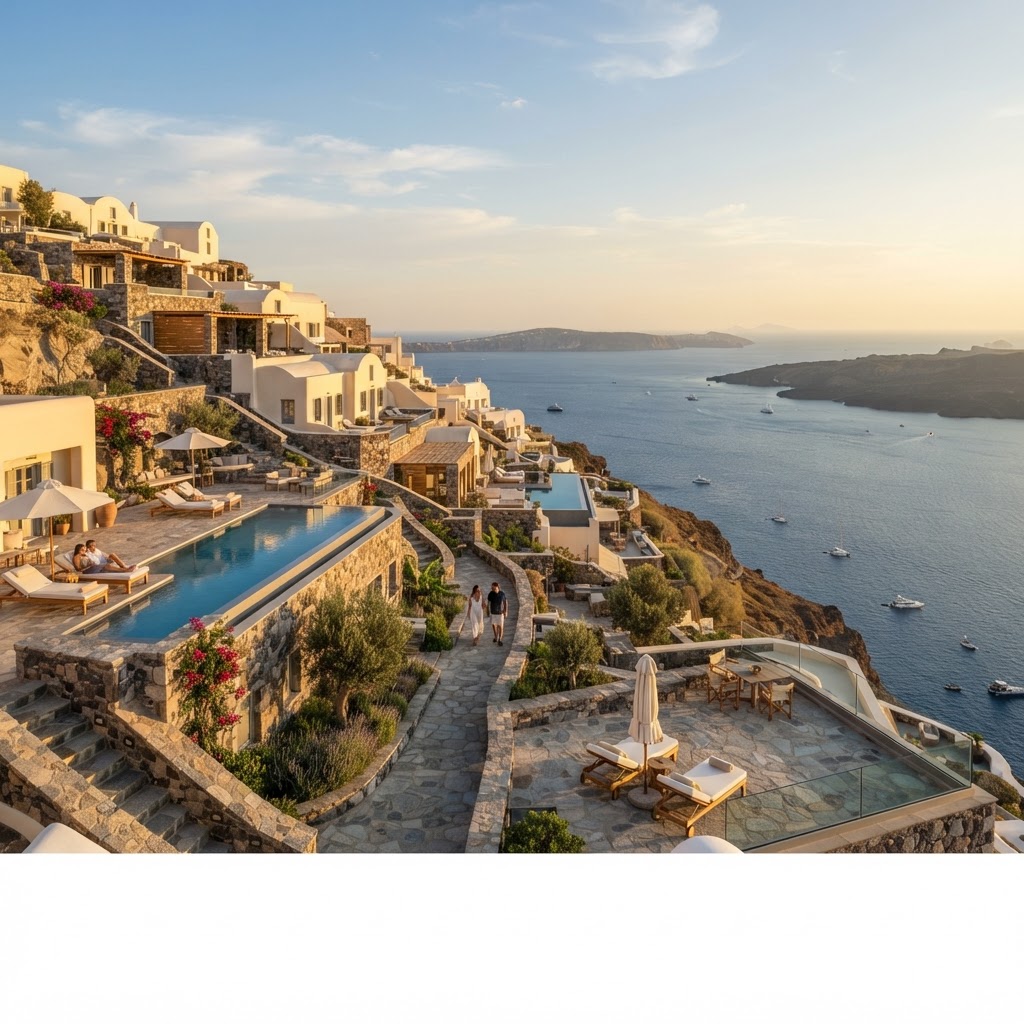
Greek island hotel investment represents one of Europe's most compelling hospitality opportunities, combining robust tourism demand with strategic Mediterranean positioning and evolving regulatory frameworks. Greece welcomed over 36 million international visitors in 2025, with island destinations accounting for nearly 60% of overnight stays, yet the market remains fragmented with significant consolidation potential. This definitive guide walks you through every dimension of acquiring, financing, and operating hotel properties across the Greek islands—from navigating the Golden Visa programme and understanding island-specific planning restrictions to evaluating seasonal occupancy patterns, staffing challenges, and exit strategies. Whether you're considering a boutique hotel in Santorini, a beachfront resort in Crete, or a heritage conversion in the Cyclades, you'll find the frameworks, due diligence checklists, financial benchmarks, and expert insights needed to structure a profitable investment that weathers both peak summer demand and the realities of Mediterranean seasonality.
Key Takeaways
- Greek island hotels benefit from 8–9 month operating seasons on major islands, with shoulder months (April–May, September–October) now generating 65–75% of peak summer rates.
- The Greek Golden Visa threshold increased to €800,000 in high-demand areas (including most popular islands) in 2024, directly impacting investor-led acquisitions and development strategies.
- Island-specific planning laws vary dramatically: Santorini and Mykonos enforce strict bed capacity limits, while Crete and Rhodes offer more flexible expansion opportunities.
- Successful Greek island hotel investments typically require 25–35% equity, with local and international lenders offering 65–75% LTV on stabilised assets with proven three-year track records.
- Staffing costs and availability represent the single largest operational challenge, with seasonal labour shortages driving wage inflation of 12–18% annually in high-season roles.
- Water scarcity, waste management infrastructure, and energy costs (20–30% above mainland rates) directly impact operating margins and must be factored into feasibility studies.
- Exit liquidity remains strong for well-positioned assets: premium island hotels in the 10–30 room range achieve 12–16× EBITDA multiples from international buyers and hospitality groups.
Why Greek Islands Dominate Mediterranean Hotel Investment in 2026
The Structural Advantage of Greek Island Tourism
Greek island hotels have emerged as the Mediterranean's most compelling hospitality investment opportunity, outperforming traditional strongholds across key metrics. International arrivals to Greek islands reached 34.2 million visitors in 2025, representing 18% growth over the previous year, whilst Spain's coastal regions grew just 6% and Italy's island destinations remained flat.
The investment thesis rests on three structural pillars: extended seasonality, infrastructure maturation, and diversified demand sources. The Greek tourism season now stretches from March through November across major islands, with shoulder-month occupancy rates averaging 68% in April and October 2025—figures that would have seemed impossible a decade ago.
Tourism Demand Drivers Reshaping the Market
Cruise traffic integration has transformed island accessibility. Piraeus and secondary ports handled 6.8 million cruise passengers in 2025, with many extending stays pre- or post-cruise. Direct flight connectivity expanded dramatically: Santorini now receives 47 direct routes during peak season, whilst emerging islands like Milos added 12 new connections in 2025 alone.
The Greek digital nomad visa programme, launched in 2024, contributed 89,000 long-stay visitors to island destinations in 2025, with average stays of 4.7 months. These visitors generate off-season revenue and higher daily spend (€127 versus €89 for standard tourists) whilst occupying lower-demand periods.
Comparative Yield Analysis: Greece Versus Mediterranean Competitors
Average daily rate (ADR) growth across Greek islands averaged 12.3% annually between 2023–2025, compared to 5.8% in Spain and 4.1% in Italy. This pricing power reflects constrained supply—Greek planning restrictions limit new hotel development in protected zones—combined with surging demand from high-value source markets.
Investor Nationality Breakdown and Capital Flows
Foreign investment in Greek island hotels totalled €2.1 billion in 2025, with buyer nationality shifting noticeably. German investors led at 28% of transaction volume, followed by British (19%), American (16%), French (12%), and Middle Eastern buyers (11%). Notably, Chinese institutional capital re-entered the market after a five-year absence, acquiring three resort portfolios worth €340 million.
EU membership provides structural advantages: no foreign ownership restrictions (except specific border islands), access to European development funds, and regulatory alignment that simplifies cross-border transactions. The euro denomination eliminates currency risk for eurozone investors whilst Greek banking sector stabilisation has restored reliable financing channels, with local banks now offering 60–65% LTV mortgages to qualified foreign buyers at 4.2–5.8% interest rates.
Step 1: Choosing Your Target Island and Hotel Typology
Island Selection Framework: Matching Investment Objectives to Geography
Successful Greek island hotel investment begins with strategic island selection aligned to your capital, operational capability, and return expectations. The decision matrix evaluates six critical dimensions:
Accessibility and connectivity determine your potential guest profile. Islands with international airports (Santorini, Mykonos, Crete, Rhodes, Corfu, Zakynthos, Kos) command premium valuations but offer immediate scalability. Ferry-dependent islands (Milos, Sifnos, Folegandros, Antiparos) trade lower entry costs for operational complexity and compressed seasons.
Tourism maturity impacts competition intensity and development restrictions. Mature markets like Santorini face strict building limitations, archaeological constraints, and saturated accommodation supply—but deliver proven demand and premium pricing. Emerging destinations offer development flexibility and value-add potential but require longer market education and brand building.
Major Islands: Established Markets with Premium Pricing
Santorini represents the luxury tier: average hotel transaction prices reached €18,500 per room in 2025, with caldera-view properties exceeding €35,000 per room. Seasonality remains concentrated (May–October generates 89% of annual revenue), whilst water scarcity and sewage infrastructure require significant operational investment. Best suited for experienced operators targeting ultra-premium positioning.
Mykonos delivers the Mediterranean's highest ADR (€520 in July–August 2025) but faces intense competition from 340+ licensed hotels. Acquisition opportunities centre on heritage property conversions in Chora or beachfront parcels requiring complete redevelopment. Minimum viable investment: €3.2 million for a competitive 8-room boutique.
Crete offers scale and diversification across four distinct regions. Chania and Rethymno favour boutique heritage hotels (€1.8–4.5 million for 10–18 rooms), whilst Heraklion and Agios Nikolaos support larger resorts (50–200 rooms, €8–35 million). Extended season (March–November) and domestic Greek demand provide revenue stability. Cap rates range 6.5–8.2% depending on location and condition.
Rhodes combines medieval heritage with beach resort infrastructure. The Old Town presents conversion opportunities (€2,200–3,800 per sqm for restoration projects), whilst Lindos and western coast beaches offer established resort acquisition (€95,000–165,000 per room for operational properties). Year-round accessibility supports 9-month trading.
Emerging Islands: Value-Add Opportunities with Development Potential
Milos exemplifies the emerging opportunity: visitor numbers grew 34% in 2025, yet hotel supply remains limited (68 licensed properties). Land acquisition costs (€180–420 per sqm for buildable plots) and construction expenses (€1,400–1,850 per sqm) enable new-build boutique hotels for €1.2–2.8 million total investment. Ferry connectivity improved with winter service additions.
Paros and Naxos straddle the established-emerging divide. Both offer international ferry hubs, expanding airport service, and diverse landscapes supporting multiple hotel concepts. Village guesthouses (6–12 rooms, €850,000–1.9 million) provide accessible entry points, whilst beachfront parcels support luxury villa developments (€2.5–6 million for 4–8 villa complexes).
Matching Investor Profile to Hotel Typology
First-time investors (€800,000–2 million budget): Village guesthouses on Naxos, Paros, or Sifnos; traditional stone houses requiring cosmetic renovation; 6–10 rooms; owner-operator model or small management team.
Experienced operators (€2–8 million): Boutique heritage conversions in secondary towns; beachfront small resorts (15–30 rooms); properties requiring operational turnaround or repositioning; Crete, Rhodes, Corfu locations.
Institutional capital (€8 million+): Established resorts requiring capital investment; development sites for new-build luxury resorts; portfolio acquisitions; major islands or large-scale Crete coastal projects.
Lifestyle investors seeking residency: Properties qualifying for Golden Visa (€800,000+ in tourist zones); combination of owner residence plus rental units; focus on year-round lifestyle islands (Corfu, Crete, Rhodes).
Step 2: Legal Structure, Residency Pathways and the Golden Visa Programme
Optimal Legal Entities for Foreign Hotel Investors
Foreign nationals acquiring Greek island hotels must establish appropriate legal structures balancing liability protection, tax efficiency, and operational flexibility. Three entity types dominate hospitality transactions:
Greek Société Anonyme (SA) suits larger resort operations and institutional investors. Minimum share capital of €25,000, requiring board of directors and annual audited accounts. Preferred for properties exceeding 30 rooms or €5 million value, particularly when seeking bank financing or planning eventual stock market listing. Corporate tax rate: 22% on profits.
Limited Liability Company (EPE) represents the traditional choice for mid-sized hotels (10–40 rooms). Minimum capital €4,500, simpler governance than SA, suitable for family office structures or partnerships. Increasingly replaced by IKE for new formations but remains common in existing hotel ownership.
Private Company (IKE) has become the preferred vehicle for boutique hotel investors since regulatory reforms. Minimum capital just €1, streamlined formation (completed in 3–5 days online), single-member option ideal for individual investors, and reduced administrative burden. Corporate tax rate identical to SA at 22%, but operational simplicity makes IKE optimal for properties under 25 rooms.
Tax Residency Implications and Strategic Structuring
Greek tax residency triggers worldwide income taxation for individuals spending 183+ days annually in Greece. Hotel investors must structure carefully:
Non-resident ownership: Foreign individuals or companies owning Greek hotel entities pay Greek corporate tax (22%) on hotel profits, plus dividend withholding tax (5% under most double taxation treaties) when distributing to shareholders. No Greek personal income tax unless residency established.
Resident ownership: Individuals obtaining Greek tax residency face personal income tax on worldwide income (9–44% progressive rates) plus mandatory social security contributions. However, Greece's alternative tax regime for retirees and returning Greeks (introduced 2024, expanded 2025) offers flat 10% tax on foreign-source income for qualifying individuals relocating to Greek islands with populations under 20,000—potentially attractive for lifestyle investors.
The Revised Golden Visa Programme: €800,000 Threshold Strategy
Greece's Golden Visa grants five-year renewable residency permits (extendable to permanent residency and citizenship pathways) through real estate investment. The 2024 reforms created a two-tier system directly impacting hotel investors:
€800,000 minimum investment applies to:
- Attica region (including Athens)
- Thessaloniki
- Mykonos and Santorini islands
- Designated "high-demand" tourist zones (updated annually)
This threshold covers most premium island hotel acquisitions. A €2.8 million Mykonos boutique hotel automatically qualifies, as does an €850,000 Santorini cave house conversion—provided the property falls within tourist zones.
€400,000 minimum investment remains available for:
- Properties requiring complete renovation (certified by engineer)
- Commercial properties converted to residential (hotel conversions to apartments)
- Properties on islands outside high-demand zones (currently: Milos, Sifnos, Serifos, Amorgos, Ikaria, and 40+ smaller islands)
- Northern Aegean and Ionian islands (except Corfu town centre)
Strategic Structuring for Golden Visa Qualification
The hybrid approach: Investors seeking residency whilst acquiring operational hotels can structure as follows:
- Purchase €800,000+ hotel property through Greek IKE company (qualifies for Golden Visa)
- Separate owner accommodation component: Designate 1–2 units as owner residence within the hotel structure, meeting the "residential real estate" requirement whilst maintaining commercial hotel operation for remaining units
- Alternative: separate residential purchase: Acquire hotel through company (€600,000) plus separate residential property (€400,000) on qualifying island—combined €1 million investment provides residency plus pure commercial hotel operation
Border Island Restrictions and Agricultural Land Conversion
Critical limitations apply to specific locations:
Border islands (including Lesbos, Chios, Samos, Leros, Kastellorizo, and 15 others) restrict non-EU foreign ownership. EU citizens face no restrictions; non-EU buyers require special permits from Ministry of Defence, typically granted for commercial hospitality use but adding 4–8 months to transaction timelines.
Agricultural land conversion: Many coastal plots retain agricultural designation. Converting to tourism use requires:
- Removal from agricultural registry (3–6 months)
- Environmental impact study for plots exceeding 4,000 sqm
- Tourism suitability certification from regional planning authority
- Payment of conversion fees (€8–15 per sqm depending on island)
Properties with existing hotel licenses avoid these complications—a key due diligence advantage for operational acquisitions versus land development.
Step 3: Due Diligence Checklist for Greek Island Hotel Acquisitions
Title Verification and Land Registry Searches (Ktimatologio)
Greek property title verification requires meticulous investigation through multiple systems. The Ktimatologio (Hellenic Cadastre) now covers approximately 94% of Greek islands, providing definitive title registration—but historical gaps and transition-period complications demand thorough scrutiny.
Essential title searches:
- Ktimatologio certificate (where cadastre operational): Confirms registered owner, property boundaries, encumbrances, mortgages, and third-party rights. Valid 3 months from issue; obtain updated certificate immediately before completion.
- Notary archive search: For properties in non-cadastre areas or pre-cadastre transactions, trace ownership chain minimum 30 years through notarial deed records. Islands with incomplete cadastre coverage (parts of Crete, smaller Cyclades) require this parallel verification.
- Municipality tax records: Cross-reference ownership against municipal tax payment records (ENFIA). Discrepancies between cadastre and tax records signal potential boundary disputes or unregistered structures.
- Mortgage registry search: Separate search at local mortgage registry office (Ypothikofylakeio) reveals charges, liens, and court orders not yet reflected in cadastre—particularly relevant for distressed sales.
Red flags requiring legal resolution before proceeding: Multiple heirs listed without succession settlement; boundary disputes with neighbouring properties; discrepancies between stated square metres and cadastre measurements (common in older hotels where extensions occurred without permits).
Building Permits and Compliance (Pre-1955 Properties)
Greek building permit archaeology presents unique challenges, particularly for heritage properties and village conversions:
Pre-1955 structures: Buildings constructed before 1955 often lack formal building permits—this is legally acceptable IF the property appears on 1955 aerial photographs or cadastre maps. Your lawyer must obtain:
- Official aerial photograph confirmation from Ktimatologio
- Engineer's certificate confirming structure pre-dates 1955
- Topographical survey matching current footprint to historical records
Post-1955 additions and renovations require retroactive legalization if permits weren't obtained. The settlement process (taktopoiisi) allows legalization of unauthorized construction built before 2011, subject to:
- Payment of substantial fines (€100–400 per sqm depending on violation severity)
- Engineer certification that structure meets minimum safety standards
- Confirmation structure doesn't violate current planning restrictions
Critical verification: Obtain building permit file (fakelos oikodomikis adias) from municipality showing all approved construction phases. Compare against actual built structures through architect survey. Undisclosed illegal extensions represent significant liability—many Greek island hotels have "informal" room additions that must be legalized or demolished.
Archaeological Site Proximity and Heritage Restrictions
Greek islands contain thousands of archaeological sites imposing strict development limitations:
Archaeological service clearance: Properties within 500 metres of designated archaeological sites require Ephorate of Antiquities approval for any construction, renovation, or change of use. Obtain written confirmation that:
- Proposed hotel use/renovation doesn't conflict with site protection
- No archaeological findings exist on the property (or findings have been properly excavated and cleared)
- Future renovation restrictions are documented
Heritage building designations: Properties in protected settlements (traditional villages, medieval towns) face architectural restrictions on:
- Facade modifications
- Internal structural changes
- Materials and finishes
- Height and volume alterations
Rhodes Old Town, Chania Venetian Quarter, and designated Cycladic villages impose particularly stringent requirements. Budget 40–60% premium for heritage-compliant renovations versus standard construction.
Environmental Impact, Water Rights and Infrastructure Verification
Environmental impact assessments (Meleti Perivallontikon Epiptoseon) are mandatory for:
- Hotels exceeding 50 rooms
- Coastal properties within 100 metres of shoreline
- Properties in Natura 2000 protected zones (covers significant portions of many islands)
- Any development exceeding 1,000 sqm built area
Verify existing environmental approval or budget €15,000–45,000 and 6–12 months for new assessment.
Water supply verification:
- Municipal connection: Confirm capacity allocation in writing from water company (DEYAX). Many islands face summer water stress; verify guaranteed supply during peak season.
- Private wells: Obtain water extraction license from regional water authority; verify sustainable yield through geological survey; confirm water quality through laboratory testing.
- Desalination units: Check operating permits, maintenance history, and replacement reserve requirements (units typically require €80,000–200,000 replacement every 12–15 years).
Sewage and waste infrastructure:
- Municipal sewage connection confirmation (or approved septic system capacity)
- Waste management contracts and compliance with recycling obligations
- Wastewater treatment plant condition and capacity (for larger resorts)
Labour Liabilities and Operational Due Diligence
Staff contract review: Greek employment law provides strong worker protections. Verify:
- All employee contracts and compensation terms
- Outstanding holiday pay, severance obligations, and pension contributions
- Collective bargaining agreement applicability (tourism sector agreements may apply)
- Seasonal versus permanent employee classifications (misclassification carries significant penalties)
Existing booking commitments: Review forward booking ledger, cancellation policies, and deposit handling. Seller remains liable for bookings through completion date, but verify transition arrangements.
Revenue verification through tax declarations: Demand minimum three years of E3 tax declarations (annual business tax returns) plus:
- Monthly VAT returns (showing seasonal revenue patterns)
- Booking system reports (cross-reference against declared income)
- Bank statements confirming deposit flows
Discrepancies between stated occupancy/revenue and tax declarations are common in Greek hospitality—insist on tax-declared figures for valuation purposes and factor true revenue into offer price. Properties with significant undeclared income present acquisition risk and limited financing options from reputable lenders.
Financing Your Greek Island Hotel: Equity, Debt and Blended Structures
Understanding Greek Bank Lending in 2026
Greek banks have substantially improved their balance sheets and lending appetite for hospitality assets following the post-pandemic recovery. Alpha Bank, Piraeus Bank, and Eurobank now offer competitive hotel financing packages, though their underwriting remains conservative for island properties.
Typical loan-to-value (LTV) ratios range from 50-65% for established operating hotels, with new development projects capped at 40-50% LTV. Greek lenders prioritise properties with proven three-year trading histories and diversified seasonal revenue streams. Interest rates currently sit between 4.8-6.2% for euro-denominated loans, with amortisation periods of 12-18 years and initial interest-only periods of 12-24 months for value-add acquisitions.
Debt service coverage ratios (DSCR) of 1.35-1.50× are standard requirements, which presents challenges for highly seasonal island hotels. Lenders typically underwrite against average annual EBITDA rather than peak-season performance, making properties with extended shoulder seasons (April-October operations) significantly more bankable than June-September-only venues.
International Lender Alternatives
International private debt funds have entered the Greek hospitality market aggressively, offering more flexible structures than domestic banks. Funds such as Bain Capital Credit and Ares Management provide senior loans at 60-70% LTV with rates of 6.5-8.5%, accepting shorter trading histories and higher leverage for premium island locations.
Mezzanine financing fills the gap between senior debt and equity, typically priced at 10-14% with equity kickers (warrants for 5-15% ownership). This structure works particularly well for investors acquiring distressed assets requiring substantial renovation capital before stabilisation.
Creative Financing Approaches
Seller financing remains underutilised but highly effective in the Greek island market. Family-owned properties often benefit from structuring 20-30% of the purchase price as a seller note at 5-7% interest, reducing upfront equity requirements and signalling seller confidence to senior lenders.
Joint ventures with local operators provide both operational expertise and capital. A typical structure involves the investor providing 70-80% of acquisition and renovation capital in exchange for 60-70% ownership, with the operating partner contributing local knowledge, licensing relationships, and sweat equity.
US investors with Greek heritage may access SBA 504 loans for properties where they maintain operational involvement, though the programme requires significant owner-occupancy and limits loan amounts to $5.5 million.
Worked Example: Mykonos Boutique Hotel Acquisition
This structure assumes stabilised NOI of €520,000 (12% yield on cost), generating DSCR of 1.42× on senior debt. The blended cost of capital sits at 7.8%, providing acceptable returns if the property achieves projected RevPAR of €285 across a 7.5-month operating season. Before committing capital, model your expected returns using our ROI Calculator to stress-test acquisition scenarios across different occupancy and ADR assumptions.
Navigating Island-Specific Planning Laws, Permits and Capacity Restrictions
The Regulatory Patchwork Across Greek Islands
Greek island hotel development faces a complex web of regulations that vary dramatically by location, archaeological significance, and environmental sensitivity. Understanding these island-specific restrictions before acquisition prevents costly surprises and project delays.
Santorini operates under the strictest regime, with a complete freeze on new bed capacity since 2021. The island's Special Spatial Planning Framework limits total beds to pre-freeze levels, making existing licensed properties significantly more valuable. New investors can only acquire operating hotels or pursue room reconfiguration within existing licensed capacity—adding suites by combining smaller rooms rather than increasing total bed count.
Mykonos employs a licensing lottery system for new accommodations, with annual quotas released each February. The 2026 allocation permitted just 47 new rooms island-wide, creating intense competition. Properties with grandfathered licenses or pending applications from before 2023 carry substantial premium valuations of 25-40% above comparable unlicensed buildings.
Archaeological Authority Approvals
The Cyclades and Dodecanese islands require mandatory archaeological surveys before any construction or renovation affecting foundations or exterior walls. The approval process involves:
- Initial survey application to the local Ephorate of Antiquities (2-4 months)
- On-site archaeological assessment if structures pre-date 1830 or sit within 500m of known sites (3-8 months)
- Excavation and documentation if significant findings emerge (6-18 months additional)
- Final construction approval with archaeological monitoring requirements
Budget €15,000-45,000 for survey costs and factor 12-24 months into project timelines for archaeological clearance. Properties with recent archaeological certificates (issued within five years) offer significant timeline advantages.
Coastal Zone and Heritage Building Restrictions
Coastal setback rules prohibit new construction within 50-100 metres of the shoreline depending on island classification, though renovations of existing structures within setback zones receive more lenient treatment. The critical distinction: properties built before 1977 enjoy broader renovation rights than those constructed after Greece's coastal protection legislation.
Traditional settlement protections in designated heritage zones (particularly Cycladic villages) mandate:
- Preservation of exterior architectural character (whitewashed walls, blue shutters, traditional rooflines)
- Restrictions on building height (typically 7.5m maximum, roughly two storeys)
- Approval of all exterior modifications by the Ministry of Culture
- Use of traditional building materials and construction methods for visible elements
Conversion of heritage buildings into hotels requires special use permits demonstrating preservation of cultural character, typically adding 6-9 months to licensing timelines.
The EPPOA Framework and Strategic Approaches
The Special Spatial Planning Framework (EPPOA) designates development zones, protected areas, and capacity limits for each island. Savvy investors study EPPOA maps to identify:
- Pre-approved development zones where permitting follows streamlined processes
- Grandfathered properties with existing licenses predating current restrictions
- Pending applications from previous owners that transfer with property sale
- Underutilised licenses where current bed count sits below permitted capacity
Realistic timelines for new hotel permits range from 18-28 months for straightforward projects in approved zones, extending to 36+ months for heritage conversions or archaeologically sensitive sites. Properties with permits already in hand justify premium acquisition prices of 15-30% above raw real estate value, as they eliminate regulatory risk and compress time-to-revenue.
Operational Realities: Seasonality, Staffing, Utilities and Margin Management
Confronting the Seasonal Revenue Challenge
Greek island hotels operate within compressed 8-9 month seasons (April-October for most islands, May-September for secondary locations), creating intense pressure on revenue generation and margin management. Properties must generate 85-95% of annual revenue during these months while maintaining cost structures that remain viable during low-occupancy shoulder periods.
Shoulder season pricing strategies separate profitable operations from struggling ones. Successful properties implement dynamic pricing that captures:
- Premium rates (€350-850/night) during July-August peak periods
- Moderate positioning (€180-320/night) for May-June and September when weather remains excellent but demand softens
- Promotional rates (€120-220/night) for April and October to extend the season and cover fixed costs
The winter closure vs. year-round operation decision fundamentally affects returns. Closing November-March eliminates 70-80% of off-season operating costs but sacrifices potential revenue from holiday periods (Christmas, New Year) and emerging winter wellness tourism. Properties with strong corporate or wedding business increasingly maintain limited winter operations (15-25% capacity) to serve these niches while mothballing portions of the property.
Staffing Challenges and Solutions
Labour represents 35-45% of revenue for full-service island hotels, with recruitment and retention presenting persistent challenges. The Greek island labour market suffers from:
- Limited local workforce populations (especially islands under 15,000 permanent residents)
- Competition from multiple properties for qualified hospitality professionals
- Housing scarcity driving up staff accommodation costs
- Seasonal workers seeking consecutive contracts across Mediterranean destinations
Staff housing has become a competitive necessity. Properties offering dedicated employee accommodation reduce turnover by 40-60% compared to those requiring staff to secure private rentals in tight markets. Budget €800-1,200 per bed for basic dormitory conversions or €35,000-65,000 for purpose-built staff housing blocks.
Seasonal wage expectations for key positions in 2026:
- Front desk staff: €1,400-1,800/month plus accommodation
- Experienced waitstaff: €1,600-2,200/month
- Chefs (qualified): €2,400-3,800/month
- Housekeeping: €1,300-1,600/month
Visa sponsorship for non-EU workers requires demonstrating inability to fill positions locally, a process taking 8-12 weeks. Properties successfully recruit from Albania, North Macedonia, and increasingly the Philippines for housekeeping and kitchen roles.
Managing Utilities and Infrastructure Constraints
Water scarcity affects most Cycladic islands severely. Operational approaches include:
- Desalination units: Capital cost of €45,000-120,000 for properties producing 15-40m³ daily, with operating costs of €2.50-4.00/m³
- Cistern systems: Traditional rainwater collection (budget €15,000-35,000 for 50-100m³ capacity)
- Municipal supply: Where available, costs €3.50-6.00/m³ with supply interruptions during peak summer
- Water monitoring: Smart metering and guest education reduce consumption by 18-25%
Energy costs run €8-12 per occupied room night for air conditioning-dependent properties. Solar installations achieve payback periods of 5-7 years, with typical 50kW systems costing €65,000-85,000 and reducing annual electricity expenses by €18,000-28,000. Generator backup (required for power interruptions) adds €12,000-25,000 for 40-75kVA units.
Waste collection logistics on smaller islands require private arrangements, costing €200-450 monthly, with recycling programmes adding 30-40% to waste management budgets.
Cost Structure Benchmarks and GOP Margins
Gross Operating Profit (GOP) margins by island and type:
- Santorini/Mykonos luxury: 38-48% (premium pricing power)
- Paros/Naxos mid-market: 28-36% (balanced cost-revenue)
- Secondary islands budget: 22-30% (price-sensitive markets)
Properties achieving GOP margins above 35% typically demonstrate superior revenue management, controlled distribution costs (direct bookings >40%), and efficient staffing models using multi-skilled employees during shoulder periods.
Exit Strategies, Valuation Multiples and Liquidity in the Greek Island Market
Understanding Hold Periods and Market Cycles
Greek island hotel investments require patience and strategic timing. Typical hold periods vary significantly by investment thesis:
- Value-add acquisitions: 5-8 years to complete renovations, stabilise operations, and demonstrate consistent cash flow to buyers
- Stabilised income properties: 7-12 years to benefit from market appreciation and operational improvements
- Legacy/lifestyle investments: 10+ years, often transitioning to next-generation family ownership
The Greek hospitality market operates in distinct cycles influenced by broader European tourism trends, Greek economic conditions, and geopolitical stability in the Eastern Mediterranean. Properties brought to market during strong tourism years (2026 projects record arrivals of 38+ million visitors to Greece) command premium valuations compared to recessionary periods.
Current Valuation Methodologies and Multiples
Buyers evaluate Greek island hotels using multiple approaches, with capitalisation rates and EBITDA multiples providing primary valuation frameworks.
Cap rates by island and positioning (2026 market):
EBITDA multiples for premium Greek island assets range from 12-16× trailing twelve-month EBITDA for trophy properties with strong brand affiliation, established market position, and growth potential. Mid-market properties trade at 8-11× EBITDA, while secondary island assets or properties requiring significant capital investment sell at 6-9× multiples.
The valuation approach matters significantly: cap rate methodology suits stabilised income properties, while EBITDA multiples better reflect growth-oriented assets where buyers focus on operational upside rather than current cash flow. To benchmark your asset's current market value against comparable island hotel transactions, use our Property Valuation tool for data-driven pricing guidance.
Buyer Profiles and Transaction Dynamics
Understanding who buys Greek island hotels shapes exit strategy and property positioning:
- International hospitality groups (Marriott, Hilton, Accor) seek flagging opportunities for 50+ room properties in prime locations, typically pursuing management contracts rather than ownership
- Family offices from Northern Europe, UK, and increasingly Middle East target 15-35 room boutique properties as lifestyle investments with income generation
- Greek diaspora investors (particularly US and Australian Greeks) pursue heritage properties for legacy ownership and family use
- Private equity hospitality funds acquire portfolios or larger assets (40+ rooms) with clear value-add narratives
Transaction timelines from listing to closing average 6-12 months for Greek island properties, longer than mainland assets due to:
- International buyer due diligence requirements (8-12 weeks)
- Title verification and archaeological clearance confirmation (4-8 weeks)
- Financing arrangement for leveraged acquisitions (6-10 weeks)
- Seasonal timing preferences (buyers prefer spring closings to capture full summer season)
Tax-Efficient Exit Structuring
The structure of your exit dramatically affects net proceeds. Greek tax law treats share sales and asset sales differently:
Share sale (selling the company that owns the hotel):
- Capital gains tax: 15% on gains for non-residents
- Transfer tax: 0% (no real estate transfer)
- Advantage: Simpler for properties with complex licenses or permits that transfer with corporate entity
Asset sale (selling the real estate and business directly):
- Capital gains tax: 15-45% depending on holding period and residency
- Transfer tax: 3.09% of declared value
- VAT: Potentially applicable at 24% unless exemption secured
- Advantage: Buyer preference for step-up in basis
Withholding requirements for non-resident sellers mandate 15% withholding on gross proceeds, requiring careful tax planning and potential treaty benefits for EU and US sellers.
Recent Comparable Sales and Positioning for Maximum Value
Notable 2025-2026 Greek island hotel transactions include:
- 28-room Santorini caldera property: €14.2 million (€507,000/room, 6.8% cap rate)
- 42-room Mykonos beachfront resort: €26.5 million (€631,000/room, 7.2% cap rate)
- 19-room Paros boutique conversion: €4.8 million (€253,000/room, 8.9% cap rate)
Maximising exit value requires 18-24 months of preparation:
- Demonstrate consistent year-over-year EBITDA growth (8-12% annually)
- Reduce OTA dependency below 55% of bookings through direct channel investment
- Complete deferred maintenance to present turnkey operations
- Secure long-term key staff contracts (especially general manager)
- Obtain updated property surveys, archaeological clearances, and license confirmations
- Consider soft brand affiliation (Small Luxury Hotels, Design Hotels) to attract institutional buyers
Properties positioned as "stabilised, turnkey investments" with documented systems, trained staff, and growth potential command valuations 15-25% above comparable assets requiring buyer operational involvement.
Selling Your Greek Island Hotel
---
> Considering an Exit? If you're contemplating selling your Greek island hotel—whether to capitalise on market appreciation, rebalance your portfolio, or retire from operations—timing, preparation and buyer targeting are critical to maximising sale value in this unique, seasonal market.
Selling Your Greek Island Hotel
Exiting a Greek island hotel investment requires a different approach to mainland or urban hospitality sales. Buyer interest is highly seasonal: international investors typically begin their search between January and April, aiming to complete due diligence before the summer season. Conversely, selling during or immediately after peak season allows you to present audited high-season revenue figures, which can justify premium valuations—but narrows your buyer window before autumn.
Buyer profiles differ markedly by island and property type. Cycladic boutique hotels attract affluent European and North American buyers seeking lifestyle investments; larger resorts on Rhodes, Crete or Corfu draw institutional funds, hotel groups and family offices. Domestic Greek buyers remain active for smaller guesthouses and B&Bs, particularly those with strong repeat clientele and manageable off-season costs.
Marketing channels matter. Greek island hotels require targeted exposure on international hospitality marketplaces (such as Stay4Hospitality), specialist Greek property portals, and direct outreach to hotel acquisition advisors with Aegean networks. Generic commercial property platforms rarely deliver qualified island hotel buyers.
Documentation is non-negotiable. Ensure your building permits (oikodomikí ádeia), operating licences (EOT certification), environmental compliance certificates, and land registry entries (Ktimatológio) are current, complete and digitised. Missing or outdated permits can delay closing by six months or derail sales entirely—especially for properties in archaeological zones or coastal protection areas.
Finally, engage a Greek-qualified lawyer and a hospitality-focused valuer early. Island hotels often carry complex title histories, shared access rights, or informal arrangements with neighbouring plots; professional advisors identify and resolve these issues before they surface in buyer due diligence.
For a complete roadmap to maximising sale value and navigating the Greek island hotel sales process, see our dedicated guide: Selling Your Greek Island Hotel.
---
Can non-EU citizens buy hotel property on Greek islands outright?
Yes. Non-EU citizens can purchase hotel properties on most Greek islands without restrictions, provided the property isn't in a designated border zone (some eas
What are typical net operating income margins for Greek island hotels?
Well-run boutique and mid-market hotels on established islands typically achieve net operating income margins between 28% and 42% during peak years, though this
How long does Greek island hotel licensing and permitting typically take?
Expect 8 to 18 months for a full hotel operating licence on a Greek island, assuming all documentation is complete and the property meets current standards. The
Which Greek islands offer the best hotel investment value in 2026?
Paros, Naxos, Milos and Sifnos currently offer superior value-to-growth potential compared to saturated markets like Santorini and Mykonos. These islands benefi
What are the main tax obligations for Greek island hotel owners?
Greek island hotel owners face corporate income tax at 22% on net profits, plus an advance tax payment of 100% of the prior year's liability, payable in instalm
How does island water scarcity affect hotel operations and valuations?
Water scarcity is a critical operational and valuation factor on many Cycladic and smaller Aegean islands. Properties without independent water sources (borehol
What financing options exist for non-Greek buyers purchasing island hotels?
Non-Greek buyers typically access financing through Greek commercial banks, international private banks or specialised hospitality lenders. Greek banks may lend
Are there restrictions on short-term rental licences affecting Greek island hotel investments?
Yes. Greece introduced strict short-term rental regulations affecting properties under 10 rooms, particularly in saturated areas. Licensed hotels are generally
Related Resources
- Aix-en-Provence Hotel Investment Guide
- How to Calculate Hotel Value Online
- List Your Hotel for Sale with Instant Valuation on Stay4Hospitality
- Reach Global Buyers for Your Hospitality Property
- Hospitality Investment FAQs – Your Complete Guide to Investing in Hotels
- Sell Your Hotel on a Greek Island
- What financing options are available for purchasing hospitality properties
- What are the typical ROI expectations for hotel investments in 2026
- How do investors calculate ROI when evaluating hotel properties
- How long does hotel due diligence typically take
- What Do Hotel Buyers Look For Before Making an Offer?
- Calculate your Greek island hotel investment ROI
- Get an instant hotel valuation
- Download our free selling guide
- Browse hotels for sale
- Explore boutique hotels for sale
Browse hospitality properties for sale | List your property | Free valuation