Sell My Restaurant Free Guide | Expert Tips to Sell Your Restaurant
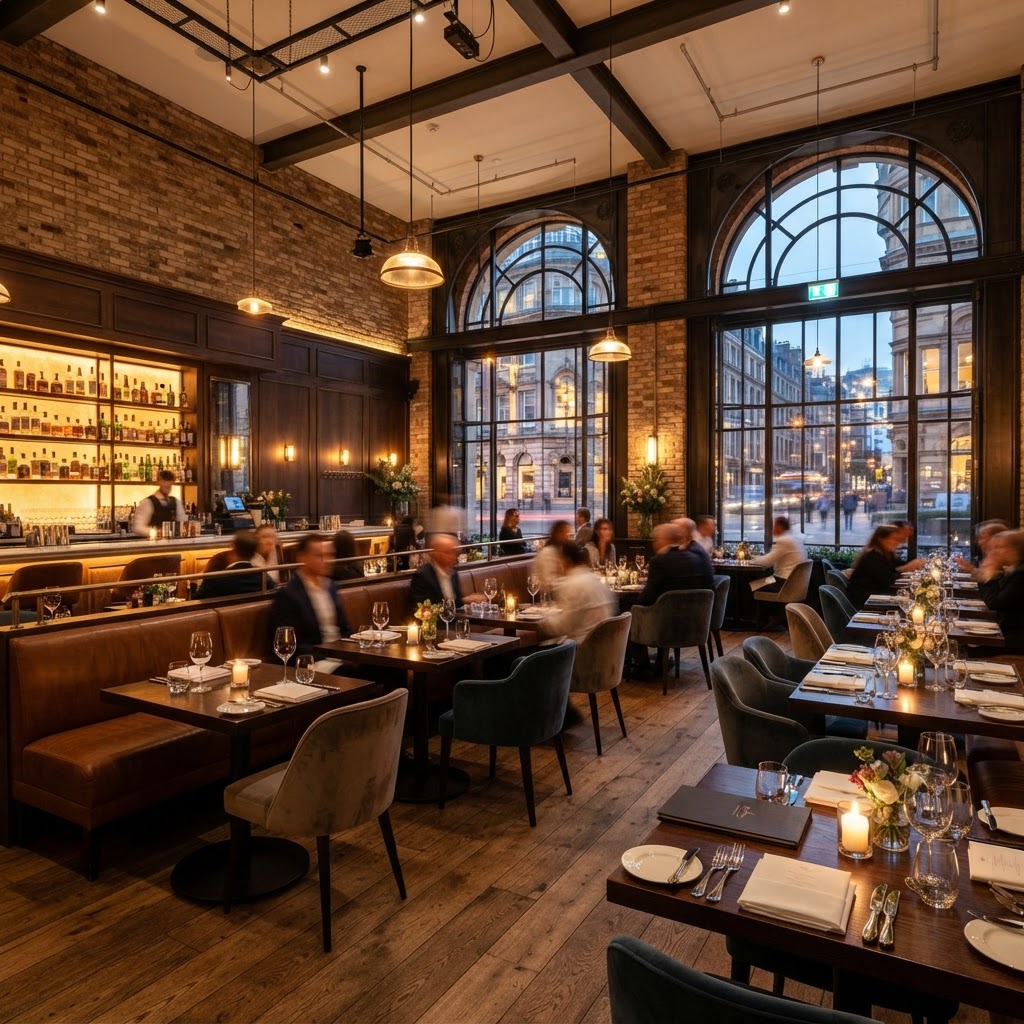
Selling a restaurant presents unique challenges that demand a specialized approach. Unlike selling pubs or hotels, restaurant sales involve intricacies such as kitchen equipment valuation, navigating food licensing, retaining key culinary staff, and maintaining the restaurant's unique cuisine positioning. Our 'sell my restaurant guide' is crafted to address these specific hurdles, offering a comprehensive roadmap tailored for restaurant owners. Within this guide, you'll find downloadable checklists, valuation tools, and step-by-step restaurant selling strategies. From financial preparation to targeting potential buyers, ensuring legal compliance, and managing the post-sale transition, our guide provides expert tips to sell a restaurant effectively. As you embark on this journey, Stay4Hospitality stands as your dedicated partner, offering a wealth of free resources and positioning itself as the specialist marketplace for restaurant sales. Explore our guide to confidently navigate the complexities of selling your restaurant and achieve your goals with precision and expertise.
Key Takeaways
- Learn the critical steps to prepare your restaurant for sale.
- Understand how to value your restaurant accurately.
- Discover common pitfalls to avoid during the selling process.
- Access expert strategies to attract the right buyers.
- Utilize checklists and downloadable resources for a seamless sale.
- Explore legal and compliance requirements specific to selling a restaurant.
- Leverage internal links to related guides and tools for comprehensive support.
Understanding the Restaurant Selling Process
Selling a restaurant is a multifaceted endeavor that requires a clear strategy and understanding of various elements. The first step in this journey is to define your objectives. Are you looking to retire, switch industries, or capitalize on the market conditions? Your motivations will shape the entire selling process and influence decisions along the way.
Market Dynamics
Understanding the current market dynamics is crucial. The global restaurant sector is influenced by numerous factors including economic trends, consumer preferences, and competition. For instance, in 2023, the rise of plant-based dining and delivery services has significantly impacted buyer interests. Staying informed about these trends can give you a competitive edge.
Setting Realistic Expectations
It is vital to set realistic expectations regarding sale price, timeline, and potential buyer profiles. On average, selling a restaurant can take anywhere from 6 months to 2 years, depending on location and market conditions. By being prepared for this timeline, you can plan accordingly and avoid disappointments.
Identifying Potential Buyers
Potential buyers may include individual entrepreneurs, investment groups, or even existing restaurant chains looking to expand. Each category has different expectations and requirements. For example, an investment group may prioritize financial health and scalability, while an individual might be interested in personal lifestyle and location.
Preparing Your Restaurant for Sale
Preparing your restaurant for sale involves meticulous attention to detail to ensure it appeals to prospective buyers. Start by organizing your financial records. Buyers will want to see at least three years of financial statements, including profit and loss statements, tax returns, and cash flow records. Accurate and transparent financials can significantly affect the selling price.
Restaurant-Specific Financial Preparation
Restaurant financials require specialized presentation that differs from other hospitality businesses. Buyers scrutinize operational metrics unique to food service, so your financial documentation must tell the complete story.
Presenting P&L Statements for Maximum Impact
Break down your profit and loss statements to clearly separate food margins from beverage margins. Most restaurants achieve 28-35% food cost and 18-24% beverage cost, so demonstrating you're within or exceeding these benchmarks strengthens your position. Present a detailed cost of goods sold (COGS) breakdown showing:
- Food purchases as a percentage of food sales
- Beverage purchases as a percentage of beverage sales
- Weekly or monthly variance reports demonstrating consistent cost control
- Waste logs and portion control documentation
Buyers particularly value restaurants with strong beverage programmes, as drinks typically deliver 70-80% gross profit compared to 65-72% on food.
Inventory Valuation Protocols
Restaurant inventory requires careful categorization. Separate your stock into perishable inventory (fresh produce, dairy, meat, seafood) and non-perishable inventory (dry goods, canned items, frozen stock, beverages). Most sale agreements value perishables at zero or require the seller to clear them before completion, whilst non-perishables transfer at cost price. Document your typical inventory holding value—usually 0.5-1.5% of annual turnover for well-managed operations. Create a detailed inventory list with:
- Purchase dates and supplier invoices
- Current stock levels by category
- Standard par levels for each item
- Rotation systems (FIFO documentation)
For beverage inventory, particularly wine cellars, provide provenance documentation and current market valuations for premium stock.
Kitchen Equipment Depreciation Schedules
Commercial kitchen equipment represents significant capital value. Prepare a comprehensive equipment schedule listing every item with original purchase price, date, and current depreciated value. Standard depreciation for restaurant equipment runs:
- Heavy cooking equipment (ranges, ovens, grills): 7-10 year lifespan
- Refrigeration units: 10-15 years
- Small appliances and utensils: 3-5 years
- Furniture and fixtures: 7-10 years
Include maintenance records, gas safety certificates, and electrical testing documentation (PAT testing) for all equipment. Recent upgrades or replacements add tangible value—a new commercial oven (£8,000-£25,000) or walk-in refrigerator (£15,000-£40,000) can justify a higher asking price.
Food Hygiene Rating Impact
Your Food Hygiene Rating directly impacts valuation and buyer confidence. A rating of 5 ('Very Good') is essential for maximizing sale price, whilst ratings below 3 can reduce offers by 15-30% or deter buyers entirely. If your rating isn't optimal, request a re-inspection after addressing any issues—the £200-£500 cost delivers substantial return. Include your hygiene rating certificate, recent inspection reports, and documented food safety procedures in your sale pack.
Supplier Contracts and Relationships
Restaurant supplier arrangements significantly affect operational continuity and buyer confidence. Understanding which contracts transfer and how to document these relationships is crucial.
Contracts That Transfer vs Terminate
Most food and beverage supply contracts don't automatically transfer with the business. Tied pub agreements, brewery contracts, and exclusive supply arrangements typically require novation (formal transfer) or renegotiation. Categorize your supplier agreements:
- Transferable contracts: Equipment leases, waste management, linen services, utility accounts (with supplier approval)
- Require novation: Tied house agreements, exclusive beverage supply contracts, franchise agreements
- Typically terminate: Personal credit accounts, some wholesale food suppliers, casual trade accounts
Brewery ties deserve special attention. If you operate under a tied lease or have exclusive supply obligations, disclose these prominently—they affect the buyer's operational flexibility and may reduce the sale price by 10-20% compared to free-of-tie operations.
Documenting Supplier Relationships
Create a comprehensive supplier directory for prospective buyers containing:
- Complete contact details for all regular suppliers
- Current credit terms and payment schedules
- Volume discounts or rebate arrangements
- Delivery frequencies and minimum order quantities
- Quality specifications and product codes for key items
- Alternative supplier options for critical ingredients
Highlight long-standing relationships with premium suppliers—exclusive access to artisan producers, favorable payment terms (30-60 day accounts), or priority delivery slots add operational value. If you've negotiated particularly favorable terms (bulk discounts, sale-or-return arrangements, seasonal pricing agreements), document these as they may transfer informally even without contractual obligation.
For detailed guidance on valuing your restaurant's physical assets, including kitchen equipment and inventory protocols at completion, see our comprehensive guide on restaurant trade inventory, equipment valuation and completion.
Property Maintenance
The physical state of your restaurant can make or break a sale. Conduct a thorough property maintenance check. This includes ensuring that all equipment is in good working order, the decor is up-to-date, and any necessary repairs are completed. A well-maintained property signals to buyers that the business has been well cared for.
Staff Management
Your staff can be a valuable asset or a potential liability. Ensure you have a clear plan regarding their future employment. Some buyers may wish to retain experienced staff, so having employment contracts and roles clearly defined can be beneficial. Communicate transparently with your staff about the sale process to maintain morale and productivity.
Marketing and Presentation
First impressions matter. Invest in professional cleaning and consider staging your restaurant to highlight its potential. High-quality photographs and a compelling listing can attract more interest. Create a marketing plan that showcases your restaurant's unique features and customer base.
Valuing Your Restaurant: Key Considerations
Valuing Your Restaurant: Key Considerations
Accurately valuing your restaurant is crucial to achieving a successful sale. This process is influenced by several unique factors that are specific to the restaurant industry. Understanding these can help you set a competitive and realistic price.
Revenue and Profitability
One of the most straightforward valuation methods is based on revenue and profitability. Typically, restaurants are valued at a multiple of their annual sales. For instance, a restaurant generating $500,000 annually might be valued at 2x to 3x its sales, depending on profitability and current market conditions. This method provides a baseline but should be supplemented with other valuation factors.
Kitchen Equipment Valuation
The valuation of kitchen equipment is a significant component in determining your restaurant's overall value. There are two primary methodologies:
- Replacement Cost: This approach considers the cost to replace your existing equipment with new items. It's particularly relevant for high-value items like commercial ovens, refrigeration units, and extraction systems.
- Market Value: This method assesses what your equipment would fetch in the current market, considering depreciation and wear.
Understanding the value of your kitchen equipment can provide a more comprehensive view of your restaurant's worth. For more insights, visit our property valuation tool.
Food Hygiene Ratings
Food hygiene ratings significantly impact buyer perception and can influence the price buyers are willing to pay. A rating of 3-5 stars can enhance your restaurant's attractiveness, indicating a well-maintained and compliant operation. Conversely, lower ratings might deter potential buyers or necessitate negotiations on price.
Cuisine-Specific Positioning
The type of cuisine your restaurant offers also affects its valuation. Cuisine-specific positioning plays a role in determining multiples:
- Fine Dining: Often commands higher valuation multiples due to its premium pricing and exclusive clientele.
- Fast-Casual: Typically valued at lower multiples but can benefit from high volume and rapid turnover.
Understanding where your restaurant fits within these categories can help you better position its value.
Chef Retention Agreements
Chef retention agreements can significantly impact the goodwill value of your restaurant. An agreement ensuring the retention of a renowned chef can enhance the perceived stability and continuity of your business, thus increasing its attractiveness to buyers. This can be a substantial factor in negotiations, especially if the chef is integral to the restaurant's brand and customer loyalty.
Distinguishing from Pub Valuation
Unlike pubs, which often focus on a wet-led trade, restaurants have an equipment-heavy asset base and place significant emphasis on cuisine brand value. This distinction should be clear when positioning your restaurant for sale, as potential buyers will be more interested in the quality and condition of kitchen equipment and the restaurant's culinary reputation.
By considering these unique factors, you can ensure a comprehensive and accurate valuation of your restaurant, setting the stage for a successful sale. For further guidance on valuation, explore our related guides.
Legal and Compliance Essentials
Legal and Compliance Essentials
Navigating the legal and compliance landscape is a crucial aspect of selling your restaurant. Unlike pubs—where alcohol licensing dominates the compliance conversation—restaurants face a broader regulatory mix spanning food safety, use class restrictions, and kitchen-specific infrastructure requirements. Ensuring all permits, licences and agreements are in order protects both sale timeline and final price.
Food Hygiene Certificate Transfer Requirements and Timeline
Every restaurant must hold a valid Food Hygiene Rating (0–5 in the UK, or equivalent certification in other jurisdictions). While the rating itself doesn't legally transfer to a new owner, buyers expect to see a rating of 4 or 5 and a clean Environmental Health Officer (EHO) inspection history. The new owner must re-register the business with the local authority within 28 days of taking over, triggering a fresh inspection within three months.
Before sale, obtain copies of your last three EHO inspection reports and any correspondence regarding compliance improvements. If your rating is below 4, consider requesting a re-inspection after addressing deficiencies—buyers routinely discount offers by £10,000–£25,000 for poor hygiene scores. Ensure all staff food safety training certificates (Level 2 minimum) are current and filed; buyers often inherit key kitchen staff and will verify their credentials during due diligence.
Alcohol Licence Transfer Process for Restaurants
If your restaurant serves alcohol, the premises licence must transfer to the new owner. In England and Wales, this requires submitting a transfer application to the local licensing authority, typically processed within two to four weeks. The buyer must also appoint a new Designated Premises Supervisor (DPS) who holds a personal licence.
Unlike pub sales—where the DPS is often the owner-operator—restaurants frequently employ a separate DPS (head chef, general manager). Clarify whether your current DPS will remain post-sale or if the buyer must nominate a replacement. Police and licensing authorities can object within 14 days if the applicant has relevant convictions. For detailed guidance on DPS changes and application timelines, see our restaurant alcohol licence transfer guide.
Lease Assignment Complexities Specific to Restaurant Use Class
Restaurant leases carry unique complications absent from pub tenancies. Most restaurants operate under Use Class E (commercial, business and service, introduced 2020 in England) or legacy A3 (restaurants and cafés) and A4 (drinking establishments) classifications. Landlords often impose restrictive covenants limiting cuisine type, operating hours, or kitchen extraction capacity—critical factors buyers scrutinise.
Before marketing, obtain landlord consent in principle for assignment. Landlords typically require:
- Financial references and business plan from the proposed buyer
- Confirmation the buyer will maintain the existing use (or formal consent for cuisine changes, e.g., switching from Italian to Indian, which may trigger planning and extraction upgrades)
- Rent deposit (often three to six months) and personal guarantees
- Compliance certificates for kitchen extraction, fire safety, and gas safety
Restaurant leases differ markedly from pub tenancies, which are often tied to breweries with restrictive supply agreements and lower rent but higher product costs. Restaurant leases are typically full repairing and insuring (FRI), placing maintenance responsibility on the tenant. Buyers will commission surveys of kitchen extraction systems, grease traps, and ventilation—budget £3,000–£8,000 for pre-sale compliance checks to avoid deal-breaking surprises. For a comprehensive breakdown of lease assignment versus freehold structures, consult our restaurant lease and freehold sale guide.
Contracts, Due Diligence and Liabilities
Prepare all contracts and agreements associated with the sale: purchase agreements, lease documents, supplier contracts (especially exclusive arrangements with beverage or linen providers), and employment contracts for key staff. Engage a solicitor experienced in hospitality transactions—expect legal fees of £2,500–£6,000 for a standard restaurant sale.
Buyers will conduct rigorous due diligence, including financial audits, EHO and fire safety inspection reviews, and lease compliance checks. Provide full transparency: outstanding debts, pending legal disputes, or unresolved compliance notices must be disclosed upfront. Resolving liabilities before listing prevents last-minute price reductions and builds buyer confidence, accelerating completion by an average of three to five weeks.
Common Mistakes to Avoid When Selling
Selling a restaurant is a complex process that requires careful planning and execution. Many owners make critical mistakes that can derail the sale, leading to lost time and financial setbacks. Here are some common pitfalls to avoid:
Pricing Errors
Overpricing or underpricing your restaurant is one of the most significant mistakes sellers make. Overpricing can scare off potential buyers, while underpricing may result in losing out on your investment's true value. Conduct a thorough market analysis and consider hiring a professional appraiser to determine a fair market price.
Inadequate Marketing Strategies
Relying solely on traditional marketing methods, such as word-of-mouth, can limit your reach. Utilize online platforms and specialized marketplaces like Stay4Hospitality to gain maximum exposure. Implement a digital marketing strategy that includes social media, email campaigns, and industry-specific listings.
Not Preparing Financial Documents
Buyers want to see a clear picture of the restaurant’s financial health. Organize your financial statements, tax returns, and profit and loss statements for the last three to five years. A lack of transparency can deter serious buyers and prolong the selling process.
Neglecting the Physical Condition
The condition of your restaurant can significantly impact a buyer’s perception. Invest in minor renovations or repairs, such as fresh paint or updated equipment, to enhance the restaurant's appeal. A well-maintained property can justify your asking price and attract more interest.
Ignoring Legal and Regulatory Requirements
Ensure that all licenses and permits are up to date. Non-compliance with local regulations can delay the sale and reduce the buyer’s confidence. Consult with a legal expert to address any potential issues before listing your restaurant.
Avoiding these common mistakes can streamline your selling process and increase the likelihood of a successful sale.
Expert Tips and Strategies to Attract Serious Restaurant Buyers
To attract serious buyers for your restaurant, you need to implement strategies that highlight its value, operational strengths, and growth potential. Unlike pub sales where hospitality management experience often suffices, restaurant buyers typically require culinary expertise and a deep understanding of food service operations, making targeted marketing essential.
Showcase Unique Selling Points
Identify and promote what makes your restaurant stand out. Whether it's a prime location, a unique menu concept, or a strong local reputation, highlighting these aspects can attract buyers looking for a competitive edge. Emphasize any awards, critical reviews, or social media following that demonstrates brand strength. If your restaurant specializes in a particular cuisine—Italian, Asian fusion, fine dining, or farm-to-table—target buyers with proven experience in that culinary segment, as they'll better appreciate the value and operational nuances.
Position Your Cuisine-Specific Appeal
Different restaurant types attract different buyer profiles. Fine dining establishments appeal to experienced restaurateurs or chefs seeking to build their reputation, whilst quick-service concepts attract multi-unit operators and franchise buyers. Market your restaurant to buyers with relevant experience: promote your Italian trattoria to buyers with Mediterranean cuisine backgrounds, or position your Asian fusion concept to operators familiar with complex ingredient sourcing and specialized cooking techniques. This targeted approach significantly increases buyer qualification rates.
Highlight Chef Retention and Kitchen Team Stability
Present a clear chef retention plan to prospective buyers. Document your head chef's tenure, any succession planning in place, and employment contracts that could transfer with the sale. Buyers value culinary consistency—demonstrate that your kitchen team is stable, well-trained, and committed. Include organizational charts showing kitchen hierarchy, training programmes, and any apprenticeship schemes that ensure continuity. If your head chef is willing to stay on during transition (even temporarily), this dramatically increases buyer confidence.
Demonstrate Strong Supplier Relationships and Food Cost Control
Showcase your established supplier relationships as valuable business assets. Document preferred supplier agreements, volume discounts, and payment terms that a new owner can inherit. Present your food cost percentages (ideally 28-35% for most restaurant types) with trend data showing consistent control. Buyers scrutinize food costs more heavily than in pub sales, where beverage margins typically dominate. Provide detailed breakdowns of waste management, inventory turnover rates, and any farm-direct or specialty sourcing arrangements that differentiate your offering.
Present Kitchen Equipment Condition and Capital Investment
Document the condition and value of all kitchen equipment, including recent capital expenditure. Provide a comprehensive equipment list with purchase dates, maintenance records, and replacement values. Highlight any recent investments: new commercial ovens, refrigeration upgrades, or ventilation system improvements. Equipment condition significantly impacts buyer financing options and purchase price negotiations. Include professional equipment valuations and warranty documentation where available. Buyers often factor equipment replacement costs (typically £30,000-£150,000+ depending on restaurant size) into their offers.
Create a Comprehensive Information Package
Provide interested buyers with a detailed package that includes operational details, financial performance, and growth potential. Include information about the customer base, employee profiles, menu engineering analysis, and table turnover rates. Document average covers per service, peak trading times, and seasonal variations. This level of detail demonstrates professional management and helps serious buyers conduct thorough due diligence.
Understanding Restaurant Buyer Financing Structures
Restaurant sales often involve specialized financing arrangements distinct from other hospitality properties. Common structures include:
- Asset-backed lending: Buyers secure loans against kitchen equipment, fixtures, and fittings, typically covering 50-70% of equipment value
- Equipment financing: Separate financing specifically for high-value kitchen equipment, with terms of 3-7 years
- SBA loans (US markets): Small Business Administration 7(a) loans can finance up to 90% of restaurant purchases for qualified buyers, though approval processes are rigorous
- Vendor financing: Owner financing of 10-30% of the purchase price can bridge financing gaps and demonstrate seller confidence
- Inventory financing: Separate arrangements for transferring food and beverage inventory at cost
Understanding these structures helps you qualify buyers and structure deals that maximize completion rates. Unlike pub sales where property value often dominates, restaurant transactions focus heavily on equipment value and operational cash flow.
Engage with a Specialist Restaurant Broker
Consider working with a business broker who specializes in restaurant sales rather than general hospitality. Restaurant transactions require specific expertise in food service operations, health and safety compliance, and culinary market positioning. Specialist brokers maintain networks of qualified buyers with restaurant experience and understand the unique challenges of transferring food businesses. They can also advise on optimal timing, as restaurant sales often perform better during strong trading periods when operational performance is most evident.
Leverage Digital Marketing and Culinary Positioning
Utilize digital marketing to reach qualified restaurant buyers. Online listings should emphasize cuisine type, seating capacity, and weekly covers rather than just financial metrics. Social media promotion showcasing your restaurant's atmosphere, signature dishes, and customer engagement demonstrates brand strength. Target advertising toward culinary professionals, hospitality groups, and investors specifically interested in food service. A strong online presence with positive reviews across Google, TripAdvisor, and food-focused platforms adds significant value—buyers pay premiums for established digital reputations.
Host an Open House Event
Organize an open house during service to allow serious buyers to experience your restaurant in operation. Ensure the establishment is performing at its best, with kitchen and front-of-house staff prepared to demonstrate smooth service flow. This provides potential buyers with tangible evidence of operational efficiency, team capability, and customer experience. Consider hosting viewings during peak service periods to showcase capacity and demand, though balance this against operational disruption.
By implementing these restaurant-specific strategies, you can effectively attract and engage serious buyers with the culinary expertise and financial capacity to complete the purchase, significantly increasing the likelihood of a successful sale at optimal value.
Checklists and Resources for a Successful Sale
Checklists and Resources for a Successful Sale
Selling a restaurant is a multifaceted process that demands meticulous planning and execution. To streamline your journey, we've compiled comprehensive phase-by-phase checklists to guide you through a successful sale.
Pre-Sale Preparation Checklist
- Financial Documents: Ensure all financial records, such as tax returns, profit and loss statements, and balance sheets, are up-to-date and organized.
- Equipment Inventory: Compile a detailed list of all kitchen and dining equipment, noting their condition and any warranties.
- Supplier Contracts: Review and organize contracts with suppliers, ensuring they are transferable or can be concluded without penalty.
- Staff Contracts: Assess employment contracts and understand any obligations regarding staff retention or redundancy.
- Hygiene Certificates: Verify that all necessary health and safety certificates are current and compliant with local regulations.
Marketing Phase Checklist
- Professional Photography: Invest in high-quality images that showcase your restaurant's ambiance and key features.
- Prospectus Creation: Develop a detailed prospectus highlighting financial performance, market positioning, and unique selling points.
- Buyer Qualification: Implement a process to qualify potential buyers, ensuring they have the financial capability and genuine interest.
Due Diligence Checklist
- Document Room Setup: Create a secure digital document room with all necessary information buyers might request.
- Buyer Queries: Prepare to promptly address any questions or concerns potential buyers may have.
Completion Checklist
- Licence Transfers: Coordinate the transfer of necessary licenses and permits to the new owner.
- Stock Take: Conduct a comprehensive inventory check of all stock items, ensuring accurate valuation and transfer.
- Handover Protocols: Develop a detailed handover plan, including staff introductions and operational procedures.
Free Downloadable Resources
Enhance your selling strategy with our free resources:
- PDF Restaurant Sale Checklist: A detailed checklist to guide you through each phase of the sale.
- Restaurant Valuation Worksheet: A tool to help you accurately assess your restaurant's market value.
- Sale Timeline Template: A timeline to keep your sale process on track.
Related Tools and Guides
- Complete Selling Guide: Explore our in-depth guide for comprehensive selling strategies.
- Property Valuation: Gain insights into valuing your restaurant accurately.
- ROI Calculator: Evaluate the potential return on investment for prospective buyers.
- AI Business Plan Generator: Craft a compelling business plan to attract serious buyers.
These checklists and resources are designed to empower you to navigate the selling process with confidence, ensuring a seamless transition of ownership. For more insights and tools, visit our Complete Selling Guide.
Next Steps After Selling Your Restaurant
Next Steps After Selling Your Restaurant
Completing the sale of your restaurant is a significant milestone, and understanding what comes next can help you transition smoothly. Here, we explore key post-sale transition protocols specific to the restaurant industry.
Handover Period Best Practices
A successful handover is crucial for the new owner to maintain the restaurant's reputation and operations. Here's how to facilitate a seamless transition:
- Kitchen Training: Organize training sessions for the new owner and their team to understand kitchen operations, equipment usage, and safety protocols.
- Supplier Introductions: Facilitate introductions with existing suppliers to ensure continuity in quality and pricing. This is vital for maintaining the restaurant's unique offerings.
- Recipe/Menu Transfer: Share detailed recipes and menu insights. Consider documenting preparation methods and presentation standards to preserve the restaurant's culinary identity.
Staff Transition Under TUPE Regulations
When selling a restaurant, the Transfer of Undertakings (Protection of Employment) Regulations (TUPE) apply, ensuring employees' rights are protected during the transition. Key considerations include:
- Chef Contracts: Review and transfer existing contracts, ensuring that key staff like chefs are retained to maintain consistency in food quality.
- Front-of-House Teams: Communicate openly with front-of-house staff, addressing any concerns about job security and roles under new ownership.
For more detailed guidance, visit our restaurant staff transfer TUPE compliance and employee liability page.
Managing Customer Communication and Reputation
Maintaining trust and loyalty among your customer base is essential during ownership changes:
- Announce the Change: Use newsletters, social media, and in-restaurant signage to inform customers about the transition.
- Reassure Quality: Emphasize that the quality and service standards will remain unchanged or improve under new management.
Capital Gains Tax Implications
Understanding the financial implications post-sale is crucial:
- Capital Gains Tax: Evaluate your tax obligations and explore eligibility for Business Asset Disposal Relief, which can significantly reduce the tax burden.
For more information, explore our restaurant capital gains tax and Business Asset Disposal Relief guide.
Timeline Expectations
The full transition period typically spans 2-4 weeks for restaurants, allowing time for thorough handover processes and ensuring the new owner is well-prepared to take over operations.
By thoughtfully planning your next steps, you can make the most of your restaurant sale and embark on a new chapter with confidence. For further resources and expert advice, refer to our comprehensive Sell My Restaurant Guide.
How can I determine the right time to sell my restaurant?
Determining the right time to sell your restaurant involves analyzing market conditions, financial performance, and personal circumstances. Ideally, you should
What are some effective strategies to market my restaurant for sale?
Effective strategies include leveraging online platforms like Stay4Hospitality, utilizing social media marketing, and listing on specialized hospitality marketp
What financial documents should I prepare before selling?
Before selling, prepare comprehensive financial documents including profit and loss statements, tax returns, balance sheets, and cash flow statements for at lea
How can I ensure confidentiality during the sale process?
To maintain confidentiality, use non-disclosure agreements (NDAs) with potential buyers and limit the dissemination of sensitive information. Work with a broker
What role does a business broker play in selling my restaurant?
A business broker facilitates the sale by valuing your restaurant, marketing it to potential buyers, negotiating terms, and managing paperwork. Their industry k
How can I make my restaurant more appealing to buyers?
Enhance appeal by ensuring your restaurant is well-maintained, updating decor, and showcasing profitable operations. Highlight unique aspects like location, cus
What are the typical costs involved in selling a restaurant?
Costs can include broker commissions, legal fees, and marketing expenses. Broker fees typically range from 5-10% of the sale price. Legal costs depend on the co
How long does it typically take to sell a restaurant?
The time to sell a restaurant varies based on factors like market demand, location, and asking price. On average, it can take anywhere from six months to a year
How do I value restaurant kitchen equipment for sale?
Restaurant kitchen equipment is typically valued using replacement cost depreciation or fair market value methods. Commercial ovens, refrigeration units, extrac
What happens to my food supplier contracts when I sell?
Food supplier contracts typically do not automatically transfer to the new owner unless explicitly assigned in the sale agreement. Most restaurant sales are ass
Do I need to transfer my food hygiene rating to the new owner?
Food hygiene ratings do not legally transfer to new owners—the rating belongs to the business operator, not the property. When ownership changes, the new owner
Related Resources
- Sell My Pub Free Guide
- Pub Tied vs Free-of-Tie Sale Structures: Brewery Agreements, Supply Obligations and Buyer Appeal Comparison for Sellers
- List Your Restaurant on Stay4Hospitality
- Free Restaurant Valuation Calculator
- How to Market Your Restaurant Sale
- Restaurant Capital Gains Tax and Business Asset Disposal Relief
- Restaurant Staff Transfer Obligations and TUPE Compliance
- Restaurant Alcohol Licence Transfer Process
- Restaurant Trade Inventory and Equipment Valuation at Completion
- Restaurant Lease vs Freehold Sale Structures
- How Can I Increase My Restaurant's Sale Price?
- Is it possible to sell my restaurant free on stay4you
- What Is the Difference Between Business Value and Property Value?
- How Is EBITDA Used to Value Hospitality Businesses?
- Hospitality ROI Calculator
- AI Business Plan Generator
- Browse Restaurants For Sale
Browse hospitality properties for sale | List your property | Free valuation