How to Buy a Hotel in Buenos Aires
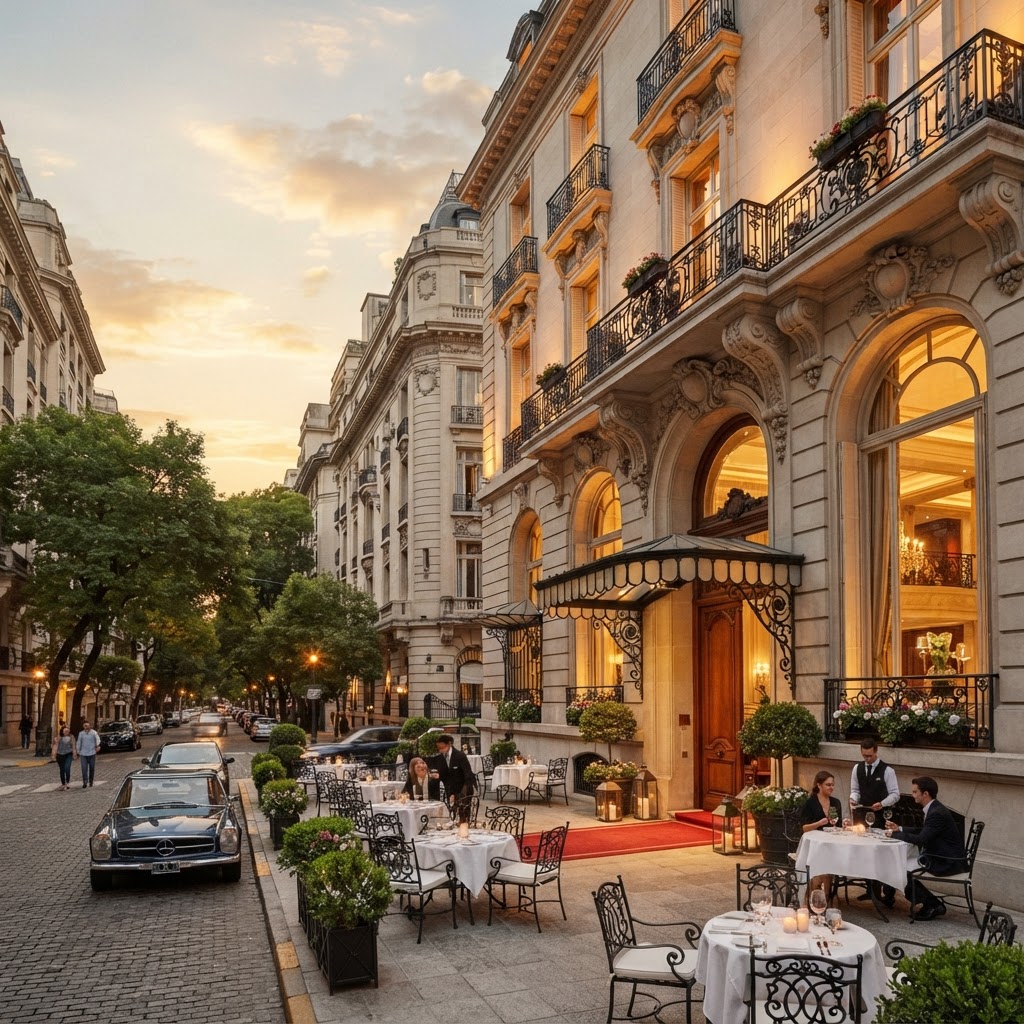
Buying a hotel in Buenos Aires presents a lucrative opportunity for hospitality investors looking to tap into the vibrant tourism market of Argentina's capital city. This comprehensive guide by Stay4Hospitality will walk you through the entire process, offering expert advice, step-by-step instructions, and valuable resources. Whether you're a seasoned investor or a newcomer to the hospitality industry, this pillar page will equip you with the knowledge and tools needed to successfully buy a hotel in Buenos Aires.
Key Takeaways
- Understand the fundamentals of the Buenos Aires hotel market before investing.
- Follow a detailed, step-by-step guide to purchasing a hotel in Buenos Aires.
- Learn about the costs and financing options available for hotel purchases.
- Navigate the legal and compliance requirements specific to Buenos Aires.
- Avoid common mistakes with insights from industry experts.
- Access downloadable resources and tools to assist with your investment.
- Explore related guides and articles to expand your knowledge.
Understanding the Buenos Aires Hotel Market
Understanding the Buenos Aires Hotel Market
As of 2026, Buenos Aires stands as a vibrant hub for hospitality investments, making it an attractive location for those looking to buy a hotel. The city's tourism industry benefits from a mix of cultural richness, historical significance, and a robust local economy. According to recent reports, Buenos Aires welcomes approximately 7 million visitors annually, with a significant portion choosing hotel accommodations.
Key Market Trends
- Tourism Growth: Buenos Aires has witnessed a steady increase in international visitors, driven by its appeal as both a business and leisure destination. The Argentine tourism ministry reports a 20% increase in visitor arrivals since the pandemic recovery began.
- Diverse Accommodations: The market offers a wide range of properties, from luxurious 5-star hotels to budget-friendly hostels, reflecting varied investor opportunities.
- Sustainability Focus: There's a rising demand for eco-friendly hotels, as travelers become more conscious of environmental impact.
Neighborhood-Specific Metrics
Palermo
- Occupancy Rate: 78%
- Average Daily Rate (ADR): $130 USD
- Cap Rate: 7.5%
Recoleta
- Occupancy Rate: 80%
- Average Daily Rate (ADR): $140 USD
- Cap Rate: 7.8%
San Telmo
- Occupancy Rate: 74%
- Average Daily Rate (ADR): $110 USD
- Cap Rate: 7.2%
These neighborhood-specific metrics highlight the varied opportunities across Buenos Aires, with each area offering unique advantages for investors looking to capitalize on the city's thriving hospitality sector.
Economic Considerations
The impact of peso volatility on USD-denominated returns is a critical factor for investors. For example, a hotel generating $1 million ARS monthly might see its USD equivalent fluctuate significantly due to currency shifts. Investors must consider hedging strategies to mitigate risks associated with currency instability.
Regulatory Environment
Foreign investors must navigate specific local regulations, including the AFIP tax registration requirements. Registration with the Federal Administration of Public Revenues (AFIP) is mandatory for all property transactions. Additionally, compliance with local zoning laws and obtaining the necessary operational permits are crucial steps in the acquisition process.
Understanding these factors is vital for making informed decisions when planning to invest in the Buenos Aires hotel market. For further guidance, explore our Complete Guide to Hotel Investments or visit our FAQ page for more insights.
Step-by-Step Guide to Buying a Hotel in Buenos Aires
Purchasing a hotel in Buenos Aires involves several critical steps. From the initial research phase to finalizing the purchase, each step requires careful consideration to ensure a successful investment.
1. Research and Identify Opportunities
- Market Research: Understand the neighborhood dynamics and target demographics. Areas like Palermo and Recoleta are known for their vibrancy and tourist appeal.
- Property Type: Determine the type of hotel that aligns with your investment strategy, whether it's a boutique hotel or a major chain.
2. Conduct Due Diligence
- Financial Assessment: Review the hotel's financial records for the past three years, focusing on occupancy rates, ADR, and RevPAR.
- Physical Inspection: Hire professionals to conduct a thorough inspection of the property's condition and maintenance needs.
3. Secure Financing
- Budget Planning: Estimate the total investment required, including purchase price, renovations, and initial operating costs.
- Financing Options: Explore various financing avenues such as local banks, international lenders, or private equity.
4. Make an Offer
- Valuation: Use market comparables and income capitalization methods to determine a fair offer price.
- Negotiation: Engage with sellers to negotiate terms that align with your financial strategy.
5. Closing the Deal
- Legal Documentation: Ensure all contracts and agreements are in accordance with local laws. It’s advisable to consult with a local attorney.
- Ownership Transfer: Finalize the transaction through local authorities, ensuring all regulatory approvals are secured.
Financing Your Hotel Purchase in Buenos Aires
Financing Your Hotel Purchase in Buenos Aires
Financing is a pivotal component when considering buying a hotel in Buenos Aires. The city, renowned for its vibrant culture and booming tourism industry, presents a lucrative opportunity for hospitality investors. Understanding the available financing options, associated costs, and strategic budgeting can significantly influence the success of your investment.
Financing Options
- Traditional Bank Loans: Local banks in Buenos Aires offer competitive rates for hotel financing, typically requiring a 20-30% down payment. These loans are ideal for investors with a robust credit history and a solid business plan.
- Private Equity: Engaging with private investors can provide flexible financing solutions, often involving shared ownership models. This option is beneficial for those looking to leverage collective expertise and share risks.
- International Lenders: For non-residents, international banks may offer financing solutions tailored to foreign investors. These lenders often provide customized loan structures to accommodate cross-border transactions.
- Government Grants and Incentives: The Argentine government occasionally offers grants and incentives to bolster foreign investment in the hospitality sector. Investigating these opportunities can reduce initial financial burdens.
For detailed answers to common financing questions, see our FAQ on hotel financing options and international investment strategies.
Costs Involved
- Down Payment: Typically ranges from 20% to 30% of the purchase price, depending on the lender and your creditworthiness.
- Interest Rates: Generally vary between 5% and 8%, influenced by the lender, loan terms, and global economic conditions.
- Closing Costs: Expect to allocate around 3% to 5% of the total transaction value for legal fees, taxes, and other associated costs.
Budgeting Tips
- Contingency Fund: Allocate at least 10% of your total budget for unexpected expenses or necessary renovations. This fund acts as a financial buffer to address unforeseen challenges.
- Revenue Projections: Develop realistic income projections based on market metrics such as Average Daily Rate (ADR) and occupancy rates. Utilize local market data to ensure accuracy and feasibility.
- Tax Planning: Understanding the tax implications of your investment is crucial. Consult with a local tax advisor to optimize your tax strategy and enhance profitability.
By comprehensively understanding these financing options and meticulously planning your budget, you can effectively manage the financial aspects of purchasing a hotel in Buenos Aires. For more insights, explore our guide to hotel profitability evaluation and tax implications for hotel investors.
Additional Resources
- Complete Guide To Selling A Hotel
- Invest in Buenos Aires Hospitality
- Argentina Hotel Investments: Opportunities and Challenges
Legal and Compliance Requirements
Legal and Compliance Requirements
Navigating the legal landscape is crucial when buying a hotel in Buenos Aires. The city's regulatory environment necessitates strict adherence to local laws to ensure seamless operations. Understanding these requirements can safeguard your investment and promote long-term success.
Key Legal Considerations
- Property Laws: It's imperative to understand Argentine property laws, especially those governing foreign ownership and real estate transactions. For foreign investors, knowing restrictions for foreign investors buying hotels in Buenos Aires is essential.
- Zoning Regulations: Confirm that the hotel property is zoned for commercial use. This ensures compliance with city planning and avoids potential legal issues.
Licensing and Permits
- Operating License: Obtaining a hospitality license from the local government is mandatory for all hotel operations. This license is a legal requirement and must be secured before commencing business.
- Health and Safety Compliance: Compliance with local health and safety standards is non-negotiable. This includes adhering to fire safety protocols and maintaining hygiene standards to ensure guest safety and satisfaction.
Taxation
- Property Taxes: Be informed about the annual property taxes and explore any potential tax incentives available for hotel owners. Understanding these can significantly impact your financial planning.
- Income Tax: Grasp the tax obligations related to income generated from hotel operations. For detailed insights, refer to tax implications of buying a hotel in Buenos Aires.
Legal Assistance
- Hire a Local Attorney: Engaging a lawyer with expertise in Argentine real estate is highly recommended. A local attorney can help you navigate the complexities of legal compliance, ensuring all your legal bases are covered effectively.
Meeting all legal and compliance requirements not only protects your investment but also facilitates a successful and sustainable hotel operation in Buenos Aires. For further guidance, explore our comprehensive legal FAQ and related resources to enhance your understanding.
Avoiding Common Mistakes When Buying a Hotel
Purchasing a hotel in Buenos Aires can be a lucrative endeavor, but it is not without its challenges. Common pitfalls can derail even the most promising investments, making it crucial to approach the process with caution and informed strategies. Here are some errors to avoid and strategies to help you succeed:
Common Pitfalls
- Insufficient Market Research: Failing to understand the local market dynamics can lead to overpaying or investing in a non-viable location. Buenos Aires has diverse neighborhoods, each with unique demands and price points.
- Underestimating Operational Costs: Many investors focus solely on the purchase price, neglecting operational expenses. Consider costs such as staffing, maintenance, and local taxes.
- Ignoring Legal and Regulatory Frameworks: Argentina has specific regulations for foreign investors, including property laws and taxation. Missing these can result in costly legal entanglements.
- Poor Due Diligence: Rushing through due diligence can hide issues such as past financial discrepancies or undisclosed liabilities. Always conduct thorough inspections and financial audits.
Strategies to Avoid Mistakes
- Engage Local Experts: Partnering with Buenos Aires-based real estate agents or consultants can provide invaluable local market insights.
- Conduct a Comprehensive Feasibility Study: Assess the hotel's potential profitability by considering location, target clientele, and competition.
- Legal Consultation: Hire a local attorney specializing in real estate to navigate Argentina’s legal landscape.
- Benchmarking: Compare the hotel’s financials against industry standards in Buenos Aires to ensure it meets profitability benchmarks.
By avoiding these common mistakes and employing strategic foresight, you can enhance the likelihood of a successful hotel acquisition in Buenos Aires.
Expert Strategies for Successful Hotel Investment
Expert Strategies for Successful Hotel Investment
Investing in a hotel in Buenos Aires requires more than just capital; it demands strategic planning and market insight. Here are some advanced strategies to enhance your investment success and ensure a lucrative venture:
Key Investment Strategies
- Leverage Local Partnerships: Collaborate with local businesses to create unique offerings for guests, such as exclusive tours or culinary experiences. This not only increases guest satisfaction but also enhances local brand presence, fostering a sense of community engagement.
- Value-Added Renovations: Focus on renovations that provide the highest return on investment. For instance, upgrading energy efficiency systems can significantly reduce utility costs, while modernizing guest amenities can attract a higher-paying clientele. Consider consulting our FAQ on evaluating hotel profitability for detailed insights into potential ROI.
- Dynamic Pricing Models: Utilize advanced analytics to implement dynamic pricing strategies, adjusting room rates based on demand, seasonality, and local events like the Buenos Aires Tango Festival. This approach ensures competitive pricing and maximizes occupancy rates.
Industry Leader Tips
- Diversify Revenue Streams: Beyond room bookings, consider hosting events or offering wellness services. This diversification can stabilize income during off-peak seasons and enhance the hotel's market appeal.
- Sustainability Practices: Implement eco-friendly practices that appeal to the growing segment of environmentally-conscious travelers. This not only attracts more guests but can also reduce costs in the long run. Sustainable initiatives can include water-saving fixtures, solar energy systems, and waste reduction programs.
- Leverage Technology: Use hotel management software for efficient operations and data analysis, aiding in decision-making and enhancing guest experiences. Technology can streamline processes such as booking management, guest interactions, and financial reporting.
Due Diligence and Market Analysis
Before proceeding with a purchase, conduct thorough due diligence. Assess the property's current performance, market trends, and potential for growth. Our FAQ on due diligence provides a comprehensive checklist to guide you through this critical process.
By adopting these expert strategies, investors can maximize their returns and position their hotel as a top choice in Buenos Aires’s competitive hospitality market. For further insights, visit our complete guide to hotel investments in Buenos Aires.
Downloadable Resources and Tools
To assist you in the hotel buying process, Stay4Hospitality offers a suite of downloadable resources and tools tailored for hospitality investors. Our resources are designed to streamline your acquisition journey and enhance your decision-making.
Available Resources
- Hotel Acquisition Checklist: A comprehensive guide covering every step of the buying process, from initial research to closing the deal.
- Financial Calculators: Tools to project cash flow, calculate ROI, and analyze operational costs to ensure your investment aligns with financial goals.
- Market Analysis Templates: Templates designed to evaluate market conditions, competition, and potential revenue streams in Buenos Aires.
Access Our AI-Powered Tools
Enhance your Buenos Aires hotel acquisition planning with our AI-powered tools:
- Business Plan Generator: Craft a detailed business plan tailored to your investment strategy.
- Property Brochure Creator: Develop professional brochures to showcase your potential hotel acquisition.
How to Access These Tools
- Visit Our Resource Hub: Navigate to the Stay4Hospitality website and access the 'Resource Hub' section.
- Download for Free: All resources are available for free download to support your investment journey.
These tools are designed to provide practical insights and aid in making informed decisions throughout your hotel acquisition process. By leveraging these resources, you can streamline the buying process and increase the likelihood of a successful investment. For more detailed guidance, explore our Complete Guide To Selling A Hotel.
Next Steps: Expanding Your Hospitality Investment Portfolio
After acquiring a hotel in Buenos Aires, many investors look to expand their hospitality portfolio to maximize returns and diversify their assets. Here's how you can strategically grow your investments:
Portfolio Expansion Strategies
- Diversify Locations: Consider acquiring properties in different regions of Argentina or other Latin American countries to spread risk and capitalize on diverse market conditions.
- Explore Different Hospitality Segments: Beyond hotels, consider investing in B&Bs, resorts, or holiday rentals to capture a wider range of travelers and market segments.
- Develop Brand Consistency: As you expand, maintaining a consistent brand image across properties can enhance recognition and loyalty.
Leveraging Your Investment
- Reinvest Profits: Use profits from your Buenos Aires property to finance new acquisitions, leveraging equity to fuel growth.
- Network with Local Partners: Building relationships with local tourism boards and businesses can open up new opportunities and insights for expansion.
- Attend Industry Events: Participate in hospitality trade shows and investment forums to stay informed about trends and connect with potential partners.
Expanding your portfolio not only spreads risk but also increases potential returns in the hospitality sector. By following these strategies, you can build a robust and diverse investment portfolio that thrives in varying market conditions.
Neighborhood Investment Analysis: Buenos Aires Barrios
Neighborhood Investment Analysis: Buenos Aires Barrios
When considering a hotel investment in Buenos Aires, understanding the unique characteristics of its neighborhoods, or 'barrios', is crucial. Each area offers distinct opportunities and challenges, influencing potential returns on investment.
Palermo: The Trendy Hub
Palermo is the largest and one of the most vibrant neighborhoods in Buenos Aires, attracting a diverse mix of guests, primarily young professionals and international tourists. The area is known for its lively nightlife, boutique shops, and cultural attractions.
- Guest Demographics: Predominantly aged 25-40, with a mix of local and international visitors, particularly from the United States and Europe.
- Spending Patterns: Guests are inclined to spend on dining and entertainment, often seeking boutique hotels with unique experiences.
- Price-Per-Room Benchmarks: Typically ranges from $120 to $200 per night.
- Investment Characteristics: Properties are often mid-sized, with 20-50 rooms, offering moderate to high returns due to high occupancy rates and premium pricing.
Recoleta: The Elegant Retreat
Recoleta is renowned for its upscale ambiance, historic architecture, and cultural landmarks, making it a preferred choice for affluent travelers.
- Guest Demographics: Primarily older, wealthier tourists and business travelers, often from Europe and North America.
- Spending Patterns: High spending on luxury accommodations and fine dining.
- Price-Per-Room Benchmarks: Averages between $150 and $250 per night.
- Investment Characteristics: Properties are generally larger, with 50-100 rooms, offering stable returns driven by consistent demand for luxury experiences.
San Telmo: The Cultural Gem
San Telmo appeals to both tourists and business travelers due to its rich history and proximity to the city center.
- Tourist vs. Business Traveler Mix: A balanced mix, with tourists drawn to its cultural attractions and business travelers appreciating its central location.
- Pricing Dynamics: More budget-friendly, with price-per-room ranging from $80 to $150 per night.
- Investment Characteristics: Smaller properties, typically 10-30 rooms, with potential for growth as the area continues to develop.
Puerto Madero: The Modern Marvel
Puerto Madero is the epitome of modern luxury, attracting high-end tourists and business executives.
- Guest Demographics: High-income travelers and corporate guests, often on business trips or luxury vacations.
- Spending Patterns: High expenditure on premium services and dining.
- Price-Per-Room Benchmarks: Typically $200 to $300 per night.
- Investment Characteristics: Large-scale properties with 100+ rooms, offering high returns due to premium pricing and exclusive amenities.
Understanding these micro-market dynamics is essential for anyone looking to invest in Buenos Aires hospitality. Each barrio offers unique opportunities, and aligning your investment strategy with the right neighborhood can significantly impact your success. For further insights, explore our Related Guides and Tools & Calculators to refine your investment approach.
Selling Your Buenos Aires Hotel
Selling Your Buenos Aires Hotel
Deciding to sell your hotel in Buenos Aires involves strategic planning and understanding the local market dynamics. Valuation considerations are paramount; knowing your property's worth ensures you attract the right buyers and achieve a favorable sale. Consider factors such as location, occupancy rates, and the unique features of your hotel. Exit timing is another crucial element—align your sale with market peaks to maximize returns.
Understand the buyer profiles you might encounter. Investors could range from local entrepreneurs to international hospitality chains, each with different expectations and negotiation styles. The typical sales timeline can vary, but expect the process to take several months from listing to closing, including due diligence and negotiations.
For a detailed roadmap, learn more about the hotel selling process in Buenos Aires. This guide will help you navigate the complexities of selling your hospitality property effectively.
What are the current trends in the Buenos Aires hotel market in 2026?
In 2026, the Buenos Aires hotel market is experiencing a surge in boutique and eco-friendly accommodations. There's a growing demand for unique experiences that
How can I evaluate the profitability of a hotel purchase in Buenos Aires?
To evaluate the profitability of a hotel purchase in Buenos Aires, examine key financial metrics such as the property’s occupancy rate, average daily rate (ADR)
What are the best neighborhoods in Buenos Aires for hotel investment?
Palermo, Recoleta, and San Telmo are currently the top neighborhoods for hotel investment in Buenos Aires. Palermo offers a trendy atmosphere with numerous cafe
Are there any restrictions for foreign investors buying hotels in Buenos Aires?
Foreign investors can purchase hotels in Buenos Aires without significant restrictions. However, it's advisable to work with a local real estate attorney to nav
How can I find hotel properties for sale in Buenos Aires?
Stay4Hospitality offers a comprehensive marketplace where investors can find hotel properties for sale in Buenos Aires. Our platform provides detailed listings,
What due diligence should I perform before buying a hotel in Buenos Aires?
Conduct thorough due diligence by examining the hotel's financial health, physical condition, and market position. Review financial documents, such as profit an
What are the tax implications of buying a hotel in Buenos Aires?
When buying a hotel in Buenos Aires, investors should be aware of the local property, VAT, and income taxes. Property taxes are based on the property's fiscal v
Related Resources
- How to Buy a Hotel in Rio de Janeiro
- Hotel Due Diligence in Rio: A Buyer’s Guide
- Legal Pitfalls in Rio Hotel Acquisitions
- Property Valuation
- List Your Property
- Sell Your Hotel in Buenos Aires
- What financing options are available for purchasing hospitality properties
- How do investors calculate ROI when evaluating hotel properties
- What Do Hotel Buyers Look For Before Making an Offer?
- How long does hotel due diligence typically take
- What are the typical ROI expectations for hotel investments in 2026
- AI Business Plan Generator
- AI Property Brochure Creator
Browse hospitality properties for sale | List your property | Free valuation