How to Buy a Resort in Antigua
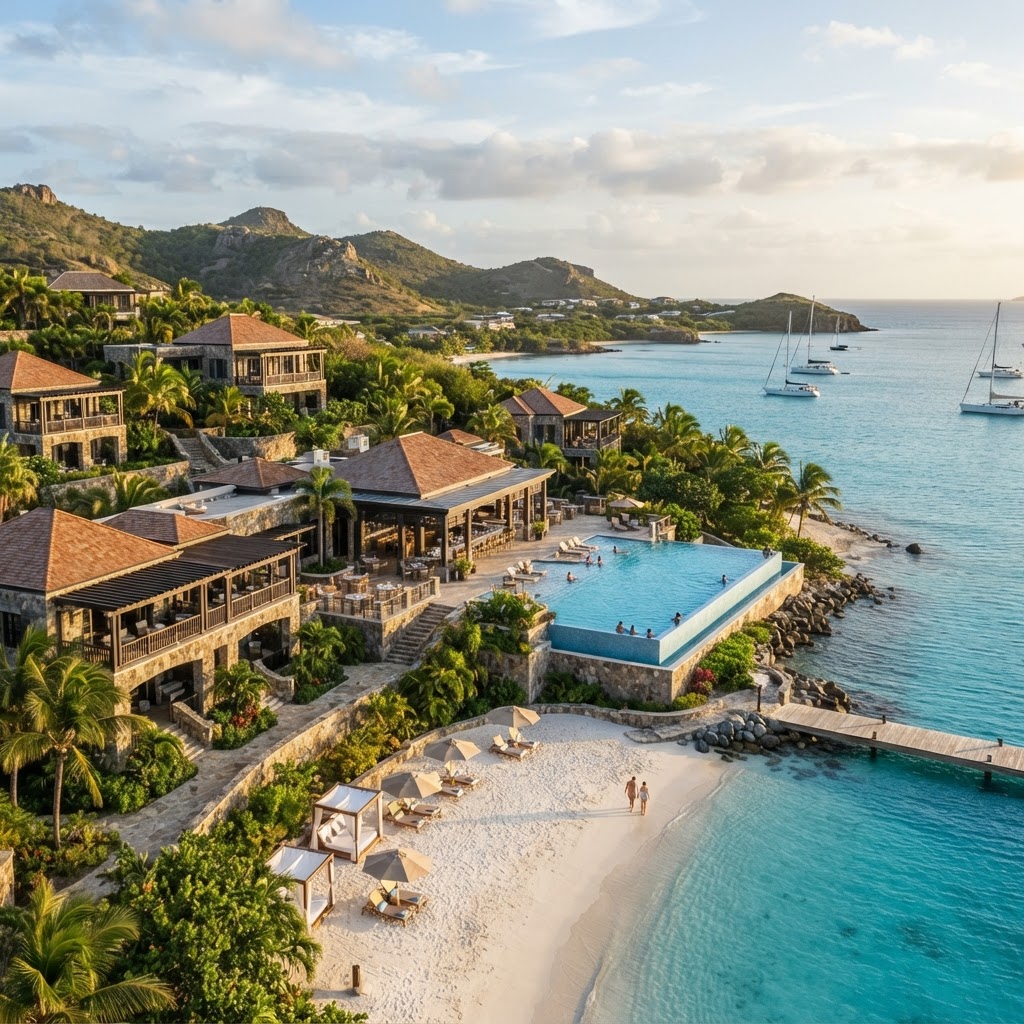
Buy resort Antigua opportunities represent some of the Caribbean's most compelling hospitality investments, combining year-round tourism demand with favourable ownership incentives. Antigua's dual-season appeal—peak winter escapes and summer travellers—creates consistent occupancy potential, while the Citizenship by Investment Programme adds unique value for international buyers. Whether you're evaluating beachfront properties in Jolly Harbour, boutique eco-resorts in the rainforest interior, or established all-inclusive operations along the northwest coast, understanding Antigua's market dynamics, legal frameworks, and operational realities is essential. This guide answers the critical questions every investor asks when considering resort acquisition in Antigua, from initial due diligence and financing structures to work permits, property management, and long-term ROI strategies. Whether you're acquiring your first Caribbean property or planning an eventual exit, understanding both sides of the transaction—including how to sell a resort in Antigua—helps inform smarter investment decisions from day one.
Key Takeaways
- Antigua offers foreign buyers 100% freehold ownership rights with no restrictions on repatriation of profits or capital.
- The Citizenship by Investment Programme allows qualifying resort investments to provide buyers with Antiguan citizenship and visa-free travel to over 150 countries.
- Resort prices range from USD $2 million for small boutique properties to over $50 million for established beachfront operations with 100+ rooms.
- Legal due diligence must cover title verification, environmental permits, building compliance, and any existing encumbrances or land disputes.
- Operational costs including staff wages, utilities, and maintenance typically consume 60-75% of gross revenue in Antigua's resort sector.
- Peak tourism season runs November through April, with summer months offering lower occupancy but reduced operating pressure.
- Financing options include local Caribbean banks, international lenders familiar with the region, and seller financing in select transactions.
What Types of Resorts Are Available to Buy in Antigua?
Beachfront All-Inclusive Resorts
These properties dominate Antigua's hospitality landscape, typically ranging from 80 to 250 rooms and positioned along the island's renowned 365 beaches. Investment thresholds start at $15 million for smaller operations and can exceed $75 million for premium estates with multiple dining venues, spa facilities, and water sports centres. Guest profiles skew towards North American and British couples and families seeking hassle-free Caribbean holidays with bundled dining, beverages, and activities. Operating margins typically range between 18-24% during peak season (December through April), though hurricane insurance and year-round staffing requirements significantly impact profitability.
Coastal development opportunities require careful consideration of Antigua's beachfront concession regulations and resort buyer requirements, particularly regarding Crown land leases and environmental impact assessments for properties within 150 feet of the high-water mark.
Boutique Eco-Lodges and Wellness Retreats
The sustainable tourism segment has grown substantially, with properties featuring 12 to 35 rooms or villas built using environmentally sensitive design principles. Entry points begin around $3.5 million for established operations with proven booking histories. These resorts attract affluent travellers aged 35-60 who prioritise authentic experiences, farm-to-table dining, and low-impact tourism. Properties often incorporate solar energy systems, rainwater harvesting, and partnerships with local conservation initiatives. Average daily rates command premiums of 15-30% above comparable conventional properties due to the experiential nature of the offering.
Villa-Style Properties and Private Estates
These intimate resorts comprise 6 to 20 standalone villas with private pools, kitchens, and dedicated staff. Investment ranges typically span $5 million to $18 million depending on location, villa count, and amenities. The target market includes multi-generational family groups, destination weddings, and corporate retreats seeking privacy and personalised service. Many operate on a hybrid model, offering individual villa rentals or exclusive-use buyouts. Management structures often combine on-site teams with international villa management companies that handle marketing and reservations.
Adults-Only Boutique Retreats
This niche segment features 25 to 65 suites or rooms positioned as romantic getaways or tranquil escapes. Purchase prices range from $8 million to $28 million for turnkey operations. Guest demographics centre on couples aged 30-55, honeymooners, and solo travellers seeking peaceful environments without children. Properties emphasise sophisticated dining, premium beverage programmes, and curated experiences like sunset catamaran cruises and couples' spa treatments. Occupancy patterns show strong performance during shoulder seasons when families typically avoid travel.
Heritage Properties and Historic Estates
Former plantation houses, colonial-era estates, and converted sugar mills represent Antigua's most character-rich investment opportunities. These properties typically offer 15 to 40 rooms within restored historic structures surrounded by tropical gardens. Investment thresholds start at $4 million for properties requiring renovation and reach $20 million for fully restored, operational resorts. Buyers must navigate additional heritage preservation requirements and architectural restrictions. The guest profile attracts history enthusiasts, cultural tourists, and travellers seeking authentic Caribbean heritage experiences rather than standard beach resort amenities.
What Is the Step-by-Step Process for Buying a Resort in Antigua?
Initial Property Search and Market Research (Weeks 1-6)
Begin by engaging a local hospitality broker familiar with Antigua's resort market and connecting with platforms like Stay4Hospitality that specialise in Caribbean hospitality properties. This phase involves identifying target properties, reviewing historical financial performance, and conducting preliminary site visits. Serious buyers should allocate 3-5 site visits to assess property condition, meet existing staff, and evaluate competitive positioning within the local market. Request three years of audited financial statements, occupancy reports, and revenue management data to establish baseline performance metrics.
Offer Submission and Purchase Agreement (Weeks 7-10)
Once you've identified a suitable property, submit a formal Letter of Intent (LOI) outlining your proposed purchase price, deposit structure, and key conditions. Antigua resort transactions typically require a 10% refundable deposit held in escrow by a local attorney. The Purchase Agreement should include contingencies for satisfactory due diligence, financing approval, and Alien Landholding Licence acquisition. Negotiate seller financing terms if applicable—many Antiguan resort sales involve 20-30% seller carryback financing over 5-7 years to bridge valuation gaps and demonstrate seller confidence in the property's performance.
Due Diligence Period (Weeks 11-18)
This critical phase encompasses:
- Physical inspections: Engage structural engineers, electrical and plumbing specialists, and environmental consultants to assess property condition, identify deferred maintenance, and estimate capital expenditure requirements
- Financial verification: Validate revenue claims through PMS data, bank statements, and tax returns; analyse booking patterns, channel distribution, and guest demographics
- Legal review: Confirm clear title, verify all property boundaries match registered land parcels, review existing contracts with tour operators and OTAs, and assess employee agreements and pension obligations
- Licensing audit: Verify current status of tourism board registration, food handler permits, liquor licences, and environmental compliance certificates
Budget $25,000 to $65,000 for comprehensive due diligence depending on property size and complexity.
Alien Landholding Licence Application (Weeks 12-24)
Non-citizens must obtain government approval to purchase land in Antigua. Submit your application to the Ministry of Finance including personal financial statements, business plan for the resort, proof of funds, police certificates from your country of residence, and professional references. Processing times average 12-16 weeks though complex applications may extend to 24 weeks. Application fees are 5% of the purchase price for properties under $400,000 and 7.5% for properties exceeding $400,000. The licence approval is typically granted before closing but must be factored into your transaction timeline.
For detailed guidance on navigating this essential requirement, see our comprehensive guide on Antigua's Alien Landholding Licence for resort buyers, which covers application strategies, common approval delays, and documentation best practices.
Financing Arrangement (Weeks 14-20)
Secure financing commitments from international lenders, regional Caribbean banks, or private equity partners. Most Antiguan resort acquisitions require 35-45% down payment with commercial mortgages covering the balance. International lenders typically offer more favourable rates but require extensive documentation and may impose management oversight conditions. Local financing options provide faster approval but often carry interest rates 2-3 percentage points higher than international alternatives.
Legal Conveyancing and Final Closing (Weeks 22-26)
Your Antiguan attorney will conduct final title searches, prepare transfer documents, and coordinate with the seller's legal team. Closing costs include stamp duty (2.5-7.5% of purchase price depending on value), legal fees (typically 1.5-2.5% of purchase price), and registration fees. Final closing occurs at the Land Registry with all parties present or represented by power of attorney. Transfer of ownership is recorded immediately, and you receive certified copies of the registered deed within 2-3 weeks.
Post-Acquisition Setup and Operational Transition (Weeks 27-32)
After closing, focus on operational handover and regulatory compliance. Key priorities include transferring utility accounts, updating insurance policies, and conducting staff meetings to introduce new ownership. If you plan to manage the resort yourself or bring in international management talent, you'll need to secure appropriate work permits—our guide on Antigua work permits for resort owners explains the application process, processing times, and requirements for key personnel.
Establish relationships with local suppliers, tour operators, and the Antigua Hotels and Tourist Association. Review and renegotiate existing vendor contracts, update marketing materials with new ownership details, and implement any planned operational changes gradually to maintain guest satisfaction during the transition period.
How Much Does It Cost to Buy and Operate a Resort in Antigua?
Acquisition Cost Breakdown
The purchase price represents only the starting point for your total investment. Here's a comprehensive breakdown of upfront costs for a typical 40-room beachfront resort with a $12 million purchase price:
This represents a 15.5% premium over the base purchase price. The Antigua property transfer tax for resorts includes both the Alien Landholding Licence fee and stamp duty, which together add 12.5% to your acquisition cost—significantly higher than many competing Caribbean jurisdictions.
Buyers should budget an additional $500,000 to $1.2 million for immediate capital improvements, furniture replacement, technology upgrades, and working capital to cover the first 90 days of operations before cash flow stabilises.
Annual Operating Expenses
Operating a resort in Antigua involves both fixed and variable costs that directly impact profitability:
Staffing Costs (40-48% of revenue): Labour represents the single largest expense. A 40-room property typically employs 65-80 staff members including housekeeping, front office, food and beverage teams, maintenance, security, and management. Average annual payroll costs range from $1.8 million to $2.4 million including mandatory National Insurance Scheme contributions (employer pays 5% of gross wages), Medical Benefits Scheme contributions (5.5%), and Severance Fund contributions (1%). Factor in annual wage increases of 3-5% and seasonal staff adjustments during peak periods.
Utilities (8-12% of revenue): Antigua's electricity costs are among the Caribbean's highest at $0.38-$0.42 per kWh. A 40-room resort typically consumes 35,000-45,000 kWh monthly, translating to $160,000-$220,000 annually. Water costs add another $35,000-$50,000 annually depending on desalination requirements and conservation measures. Many operators invest in solar installations to reduce long-term utility exposure, with systems costing $250,000-$450,000 but delivering 40-60% reductions in grid electricity consumption. Properties in water-scarce areas often require dedicated desalination systems, adding $80,000-$150,000 to annual operating costs but ensuring reliable supply during drought periods.
Property Insurance (2.5-4.5% of revenue): Hurricane coverage, liability insurance, and property damage policies cost $180,000-$320,000 annually for a $12 million property. Premiums have increased 25-35% since 2024 following several major Caribbean storms. Deductibles typically range from 2-5% of insured value per named storm event.
Maintenance and Repairs (6-9% of revenue): Antigua's salt air and tropical climate accelerate wear on buildings, fixtures, and equipment. Budget $280,000-$420,000 annually for routine maintenance, pool resurfacing, painting, HVAC servicing, and emergency repairs. Establish a separate capital reserve fund of 3-4% of revenue for major replacements like roof renewals, elevator overhauls, and kitchen equipment upgrades.
Marketing and Distribution (12-18% of revenue): Online travel agency commissions (15-25%), direct marketing campaigns, website maintenance, photography, social media management, and trade show participation typically consume $560,000-$840,000 annually. Properties heavily reliant on OTA distribution face higher costs while those building direct booking channels can reduce this percentage over time.
Management Fees (3-5% of revenue): If operating under a franchise or management agreement, expect to pay base management fees of 3-5% of gross revenue plus incentive fees of 8-12% of gross operating profit. Independent operators avoid these fees but must build internal expertise across revenue management, sales, and operations.
What Legal Requirements and Permits Do Foreign Buyers Need?
Alien Landholding Licence (Mandatory)
Every non-citizen purchasing property in Antigua must obtain an Alien Landholding Licence from the Cabinet through the Ministry of Finance. The application requires:
- Completed application form with personal and financial details
- Copy of passport and proof of current residence
- Bank reference letters demonstrating financial capacity
- Police certificate of good character from your home country (issued within 6 months)
- Business plan outlining your operational strategy for the resort
- Proof of funds showing liquid assets to complete the purchase
- Two professional references from attorneys, accountants, or business associates
The licence fee structure is 5% of purchase price for properties under $400,000 and 7.5% for properties exceeding $400,000. There is no maximum fee cap, so a $15 million resort acquisition incurs a $1,125,000 licence fee. Processing takes 12-24 weeks, and approval is granted at the discretion of Cabinet. The licence is property-specific and non-transferable—if you later sell the resort, the new foreign buyer must obtain their own licence.
For comprehensive guidance on navigating the application process, required documentation, and approval timelines, see our detailed guide on Antigua Alien Landholding Licence for resort buyers.
Work Permits for Owners and Key Personnel
Foreign resort owners intending to actively manage operations must secure a work permit from the Department of Labour. The application process requires:
- Proof of Alien Landholding Licence approval
- Detailed job description and organisational chart
- Demonstration that the role cannot be filled by qualified Antiguan citizens
- Medical certificate from an approved physician
- Annual fee of $1,500 per permit with renewals required each year
Many foreign owners structure their involvement as non-resident investors and hire Antiguan general managers to avoid work permit complications. If you employ expatriate chefs, spa directors, or other specialised staff, each requires individual work permits with similar documentation and fees.
Business Registration and Corporate Structure
Establish a legal entity to own and operate the resort through the Antigua and Barbuda International Business Corporation (IBC) or a domestic company:
- IBC registration: Ideal for foreign investors, offering tax advantages and streamlined reporting. Annual registration fee of $300 plus registered agent fees of $800-$1,200 annually. IBCs are exempt from Antigua income tax on foreign-source income but must maintain proper corporate records and file annual returns.
- Domestic company registration: Required if you employ local staff or conduct business primarily within Antigua. Registration with the Registrar of Companies costs $200 plus legal fees of $1,500-$3,000. Domestic companies pay corporate income tax at 25% on profits.
Most resort operators choose domestic company structures to facilitate banking relationships, supplier contracts, and employee management.
Tourism Sector Licences and Registrations
Antigua and Barbuda Tourism Authority Registration: All accommodation providers must register with the Tourism Authority and maintain compliance with national hospitality standards. Registration requires:
- Completed application with property details and room inventory
- Site inspection by Tourism Authority officials
- Proof of adequate insurance coverage
- Fire safety certification from the Fire Department
- Annual registration fee based on room count (typically $50-$150 per room)
Food and Beverage Licences: If operating restaurants, bars, or room service, obtain:
- Food handler permits for all kitchen and service staff ($25 per person, renewed annually)
- Liquor licence from the Liquor Licensing Board ($2,500-$5,000 annually depending on service areas)
- Health Department inspection and approval (annual inspections with $500 certification fee)
Environmental Compliance Certificates
Antigua's Development Control Authority (DCA) oversees coastal development and environmental protection. Resort operations require:
- Environmental Impact Assessment (EIA): Mandatory for properties within 150 feet of the high-water mark or involving significant construction. EIA preparation costs $15,000-$35,000 and takes 8-12 weeks for approval.
- Wastewater discharge permits: If operating septic systems or treatment facilities, obtain permits from the Central Board of Health specifying discharge standards and monitoring requirements.
- Coastal zone management compliance: Properties on beachfront must demonstrate adherence to setback requirements, dune preservation protocols, and sea turtle nesting protection measures during nesting season (May-October).
Water Sports and Activity Licences
If your resort offers water-based activities, secure:
- Commercial vessel registration for boats and watercraft from the Antigua and Barbuda Port Authority
- Captain's licences for boat operators (commercial skipper certification required)
- Dive operator permits if offering SCUBA diving (requires affiliation with recognised training agencies like PADI or SSI)
- Liability insurance covering all water sports activities with minimum coverage of $2 million per occurrence
How Does Antigua's Citizenship by Investment Programme Work for Resort Buyers?
Qualifying Real Estate Investment Route
Antigua and Barbuda's Citizenship by Investment Programme (CIP) offers resort buyers a pathway to citizenship through approved real estate investments. The minimum investment threshold for the real estate option stands at USD $325,000 for a single applicant, or USD $400,000 for a family of up to four members, making it one of the more accessible Caribbean programmes.
To qualify, investors must purchase property within government-approved resort developments. These designated projects undergo rigorous vetting by the Citizenship by Investment Unit (CIU) and must maintain approved status throughout the investment period. The programme covers luxury resort residences, boutique hotel units, and fractional ownership stakes in larger resort properties.
Holding Period and Investment Requirements
Investors face a mandatory five-year holding period before they can sell the property while maintaining their citizenship status. During this period:
- The property must remain within the approved project framework
- Rental income generation is permitted and encouraged
- Property management by approved operators is typically required
- Annual government fees of USD $25,000 apply for the first five years
After the five-year period, the property can be resold to another CIP applicant, allowing the new buyer to also pursue citizenship through the same unit.
Application Process and Due Diligence
The application timeline typically spans 4-6 months from submission to citizenship approval. The process involves:
- Initial deposit of 10% on the approved property
- Document compilation including police certificates, medical examinations, and financial references from all applicants over 16 years
- Submission through a licensed agent (mandatory requirement)
- Enhanced due diligence conducted by international firms on behalf of the CIU
- Government processing fees of USD $50,000 for a family of four
- Final property payment upon approval
Family Inclusion Benefits
The programme extends to qualifying dependants including:
- Spouse and children under 30 years
- Parents and grandparents over 55 years (both applicant's and spouse's)
- Unmarried siblings under 18 years
- Dependent children with disabilities (no age limit)
This multi-generational approach makes Antigua's programme particularly attractive for families seeking visa-free travel to over 150 countries, including the UK, Schengen Area, Singapore, and Hong Kong.
Competitive Advantages Over Other Caribbean Programmes
Antigua differentiates itself through no minimum stay requirements—unlike some Caribbean nations requiring annual visits. The programme also offers the unique University of the West Indies Fund option, where a family of six can invest USD $150,000 (one family member receives a one-year UWI scholarship) as an alternative to real estate, though most resort investors prefer the tangible asset route with potential rental returns.
What Are the Biggest Mistakes Investors Make When Buying Resorts in Antigua?
Title and Legal Due Diligence Failures
The most costly mistake involves inadequate title searches. Antigua operates under a land registry system, but historical records can be incomplete. Investors who skip comprehensive title verification risk discovering:
- Unresolved boundary disputes with neighbouring properties, particularly common in older resort sites
- Undisclosed encumbrances including mortgages, liens, or rights of way
- Questionable ownership chains where previous transfers weren't properly registered
- Restrictive covenants limiting development or operational flexibility
Engaging a reputable local attorney who specialises in commercial property transactions is non-negotiable, yet surprisingly, some foreign buyers rely solely on their home-country legal advisors who lack Caribbean real estate expertise.
Underestimating Insurance and Storm Protection Costs
Many first-time Caribbean resort buyers drastically underestimate hurricane insurance premiums. In Antigua's Atlantic hurricane zone, comprehensive coverage for a mid-sized resort can cost 3-8% of the insured value annually—significantly higher than most international markets. Common oversights include:
- Failing to budget for named storm deductibles (often 5-10% of claim value)
- Overlooking business interruption insurance to cover lost revenue during post-storm closures
- Not accounting for premium increases following regional hurricane activity
- Inadequate reserves for storm hardening improvements that insurers increasingly require
Resorts without proper storm shutters, reinforced roofing, and backup generators face either prohibitive premiums or coverage denials. Understanding Antigua resort hurricane insurance requirements before completing your purchase prevents costly surprises and ensures you're properly protected from day one.
Employment Law and Severance Obligations
Antigua's labour laws heavily favour employees, yet investors frequently fail to verify existing staff contracts and accumulated severance obligations. Critical mistakes include:
- Not conducting full employment audits before purchase completion
- Assuming they can restructure staffing immediately post-acquisition
- Underestimating severance costs (typically one month's salary per year of service)
- Overlooking unionised positions with additional contractual protections
A 50-room resort with 60 long-serving staff members could carry USD $200,000-400,000 in contingent severance liabilities that don't appear on balance sheets.
Deferred Maintenance and FF&E Valuation Errors
Sellers often present resorts in "showing condition" while concealing:
- Deferred mechanical system maintenance (HVAC, water treatment, electrical infrastructure)
- Cosmetic renovations masking structural issues (roof leaks, foundation problems, drainage failures)
- Overvalued furniture, fixtures and equipment that's functionally obsolete
Professional property condition assessments by Caribbean-experienced engineers typically cost USD $15,000-25,000 but can identify USD $500,000+ in hidden capital requirements.
Seasonal Cash Flow Misjudgement
Investors accustomed to year-round markets often fail to model Antigua's pronounced seasonality. The November-April high season generates 65-75% of annual revenue, creating:
- Five-month cash flow gaps requiring substantial working capital reserves
- Staff retention challenges during low season when hours are reduced
- Maintenance timing pressures (hurricane season coincides with lowest occupancy)
Adequate cash reserves should cover 6-8 months of operating expenses, not the 3-4 months typical in non-seasonal markets.
What Financing and Tax Considerations Apply to Resort Purchases?
Available Financing Sources and Structures
Securing financing for Antigua resort acquisitions requires navigating a limited but accessible lending landscape. Buyers typically pursue one of four routes:
Local Caribbean Banks
- Antigua Commercial Bank and Bank of Antigua offer commercial property loans
- Typical loan-to-value ratios: 50-60% (more conservative than North American standards)
- Interest rates currently range 6.5-9.5% annually depending on borrower profile
- Require substantial local operating history or significant deposits
- Loan terms typically 10-15 years with balloon payments common
Regional Caribbean Lenders
- FirstCaribbean International Bank and Republic Bank operate across multiple islands
- Slightly more flexible on cross-border income verification
- May accept portfolio guarantees from established hospitality groups
- Processing timelines of 90-120 days standard
International Private Lenders
- Specialised hospitality finance firms offer higher LTV ratios (up to 70%)
- Premium interest rates of 9-14% reflect increased risk appetite
- Faster approval processes (45-60 days)
- Often require personal guarantees and cross-collateralisation
Seller Financing Arrangements
- Increasingly common for 20-40% of purchase price
- Typical terms: 3-5 year duration at 7-10% interest
- Subordinated to primary bank financing
- Provides sellers with tax-advantaged instalment sale treatment
Corporate Tax Structure and Rates
Antigua offers a favourable tax environment for resort operations:
Hotels Aid Act Investment Incentives
The Hotels Aid Act provides substantial tax relief for qualifying resort developments and renovations:
- Import duty exemptions on construction materials, furniture, fixtures, and equipment
- Corporate tax holidays of 10-25 years depending on room count and investment level
- Property tax exemptions for similar periods
- Stamp duty waivers on property transfers for approved projects
To qualify, resorts must meet minimum standards for room count (typically 20+ rooms), investment thresholds (USD $3 million+), and quality classifications. The Act particularly favours new construction and major renovations that enhance Antigua's tourism product.
Transfer Tax and Closing Cost Obligations
Buyers must budget for significant upfront costs beyond the purchase price. Antigua property transfer tax for resorts includes stamp duty calculated on a sliding scale (typically 2.5-7.5% of property value), alien landholding licence fees for non-citizens (5% of purchase price for properties over USD $400,000), and legal fees of 1.5-2.5% of transaction value.
Additional closing costs include property survey fees (USD $2,000-5,000), title search and registration (USD $1,500-3,000), and environmental compliance certificates where applicable. Total acquisition costs typically add 10-15% to the purchase price for international buyers.
VAT and Operating Tax Implications
Resort operators must navigate ABST (Antigua and Barbuda Sales Tax) complexities:
- 15% ABST applies to accommodation, food and beverage, and ancillary services
- Resorts can reclaim ABST on eligible business inputs (supplies, maintenance, utilities)
- Monthly filing requirements with penalties for late submission
- Separate environmental levy of 1.5% on accommodation (remitted to Antigua and Barbuda Tourism Authority)
Management fees paid to international operators face 25% withholding tax unless reduced by tax treaty (UK, Canada, and CARICOM nations have favourable agreements).
Financing Due Diligence Requirements
Lenders typically require:
- Three years of audited financial statements
- Current property appraisal by approved valuers
- Environmental Phase I assessment
- Property condition report by structural engineers
- Market feasibility study for larger acquisitions
- Proof of hurricane insurance with lender named as loss payee
How Do You Evaluate Resort Performance and Investment Returns in Antigua?
Essential Performance Metrics and Benchmarks
Evaluating resort viability in Antigua requires analysing market-specific performance indicators that reflect Caribbean seasonality and operational realities. Start with these foundational metrics:
Revenue Per Available Room (RevPAR)
- High-performing Antigua resorts: USD $180-280 (annual average)
- Mid-market properties: USD $110-175
- Budget/economy segment: USD $65-95
- Seasonal variance: high season RevPAR typically 2.5-3.5x low season rates
Average Daily Rate (ADR) Benchmarks
- Luxury all-inclusive resorts: USD $450-750 per room
- Boutique properties: USD $280-450
- Mid-scale hotels: USD $160-260
- Economy/guesthouse: USD $85-140
Occupancy Rate Patterns
- Annual average (well-performing resorts): 68-78%
- High season (November-April): 85-95%
- Shoulder season (May, October): 60-70%
- Low season (June-September): 35-55%
Profitability Analysis Framework
Gross Operating Profit (GOP) Margins vary significantly by operational model:
- All-inclusive resorts: 25-35% GOP (higher food/beverage costs offset by premium pricing)
- European Plan (room-only) properties: 40-52% GOP (lower operating complexity)
- Boutique hotels with F&B: 32-42% GOP (depends on restaurant efficiency)
Key expense ratios for Antigua resorts:
- Labour costs: 35-45% of revenue (higher than many markets due to local wage standards)
- Utilities: 8-12% (air conditioning demands, water desalination costs)
- Marketing/distribution: 12-18% (OTA commissions, advertising)
- Maintenance/repairs: 6-9% (hurricane climate necessitates higher reserves)
Capitalisation Rates and Valuation Multiples
Caribbean resort cap rates reflect risk premiums for hurricane exposure, currency considerations, and market liquidity:
- Stabilised, well-located resorts: 7.5-9.5% cap rates
- Properties requiring renovation: 10-13% cap rates
- Development opportunities: 12-15%+ cap rates
Investors also evaluate EBITDA multiples:
- Premium resorts with strong brands: 8-12x EBITDA
- Independent mid-market properties: 6-9x EBITDA
- Turnaround situations: 4-7x EBITDA
Capital Requirements and Renovation Cycles
Budget for ongoing capital expenditure of 4-6% of revenue annually, with major renovation cycles:
- Soft goods refresh (linens, drapes, upholstery): every 3-4 years
- Case goods replacement (furniture, fixtures): every 7-9 years
- Hard surface renovation (bathrooms, flooring): every 8-12 years
- Major systems overhaul (HVAC, roofing, infrastructure): every 12-18 years
A 50-room resort should maintain USD $150,000-250,000 annual reserves for planned capital improvements.
Competitive Set Analysis Methodology
Conduct thorough market positioning assessment:
- Identify direct competitors (similar price point, guest profile, location)
- Analyse STR reports (Smith Travel Research data for Caribbean markets)
- Review OTA positioning (TripAdvisor rankings, Booking.com scores)
- Assess market penetration index (your occupancy ÷ competitive set occupancy)
- Calculate rate positioning (your ADR ÷ competitive set ADR)
Antigua's resort market includes approximately 4,500 rooms across all categories, with new supply additions averaging 150-250 rooms annually.
Exit Strategy and Return Expectations
Realistic hold periods for Antigua resort investments:
- Minimum viable hold: 5-7 years (allows operational improvements to stabilise)
- Optimal hold: 8-12 years (captures full renovation cycle and appreciation)
- CIP investors: 5 years minimum (programme requirement)
Target returns vary by strategy:
- Cash flow investors: 6-9% annual cash-on-cash returns
- Value-add repositioning: 14-20% IRR over 7-10 years
- Development projects: 18-25% IRR (higher risk profile)
Next Steps for Serious Investors
Ready to move forward? Access current resort listings in Antigua on Stay4Hospitality's marketplace, where you'll find detailed financial performance data, property condition reports, and market positioning analysis. Use our resort valuation calculator to model cash flows and returns based on your acquisition scenarios, or consult our Caribbean hospitality investment guide for deeper market insights. For personalised acquisition support, connect with our network of local attorneys, accountants, and hospitality consultants who specialise in Antigua resort transactions.
Can I buy a resort in Antigua as a non-resident or foreign investor?
Yes, Antigua welcomes foreign resort buyers with no citizenship restrictions on property ownership. Non-residents can purchase freehold or leasehold hospitality
What is the best time of year to buy a resort in Antigua?
The optimal buying window runs from May through October, coinciding with Antigua's low tourism season. Sellers often show greater flexibility during these month
Do I need to visit Antigua in person before buying a resort?
While not legally required, visiting Antigua before committing to a resort purchase is strongly recommended. Virtual tours and documentation cannot replace walk
What happens to existing staff when I buy an established resort in Antigua?
Employment rights transfer with the business under Antigua's labour laws. When purchasing an operating resort as a going concern, existing staff contracts typic
How long does it typically take to complete a resort purchase in Antigua?
Resort acquisitions in Antigua typically require 3-6 months from offer acceptance to completion, though complex transactions can extend to 9-12 months. The time
What insurance coverage do resort owners need in Antigua?
Resort owners in Antigua require comprehensive insurance covering property damage, business interruption, public liability, and hurricane protection. Buildings
Can I convert a resort into residential units or other uses after purchase?
Converting resort properties to alternative uses in Antigua requires planning permission from the Development Control Authority (DCA). Zoning regulations typica
What ongoing compliance obligations do resort owners face in Antigua?
Resort owners must maintain current business licences, tourism board registration, health and safety certifications, and food handling permits if operating rest
Related Resources
- Greek Island Hotel Investment Guide
- How to Value a Hotel Property
- What financing options are available for purchasing hospitality properties
- List Your Property for Sale
- Instant Property Valuation Tool
- Antigua resort solar energy investment and APUA grid reduction strategies
- property transfer tax and stamp duty calculation
- water desalination plant operating costs and ROI
- Alien Landholding Licence processing times and approval delays
- beachfront concession leases vs freehold ownership
- staff work permit and immigration compliance requirements
- hurricane insurance requirements and premium costs
- Sell Your Resort in Antigua
- Calculate your hospitality ROI
- Browse resorts for sale
Browse hospitality properties for sale | List your property | Free valuation