Wellness & Spa Services: The Premium Hospitality Amenity Guests Crave
Stay4Hospitality Team — 2026-06-11 — Operations
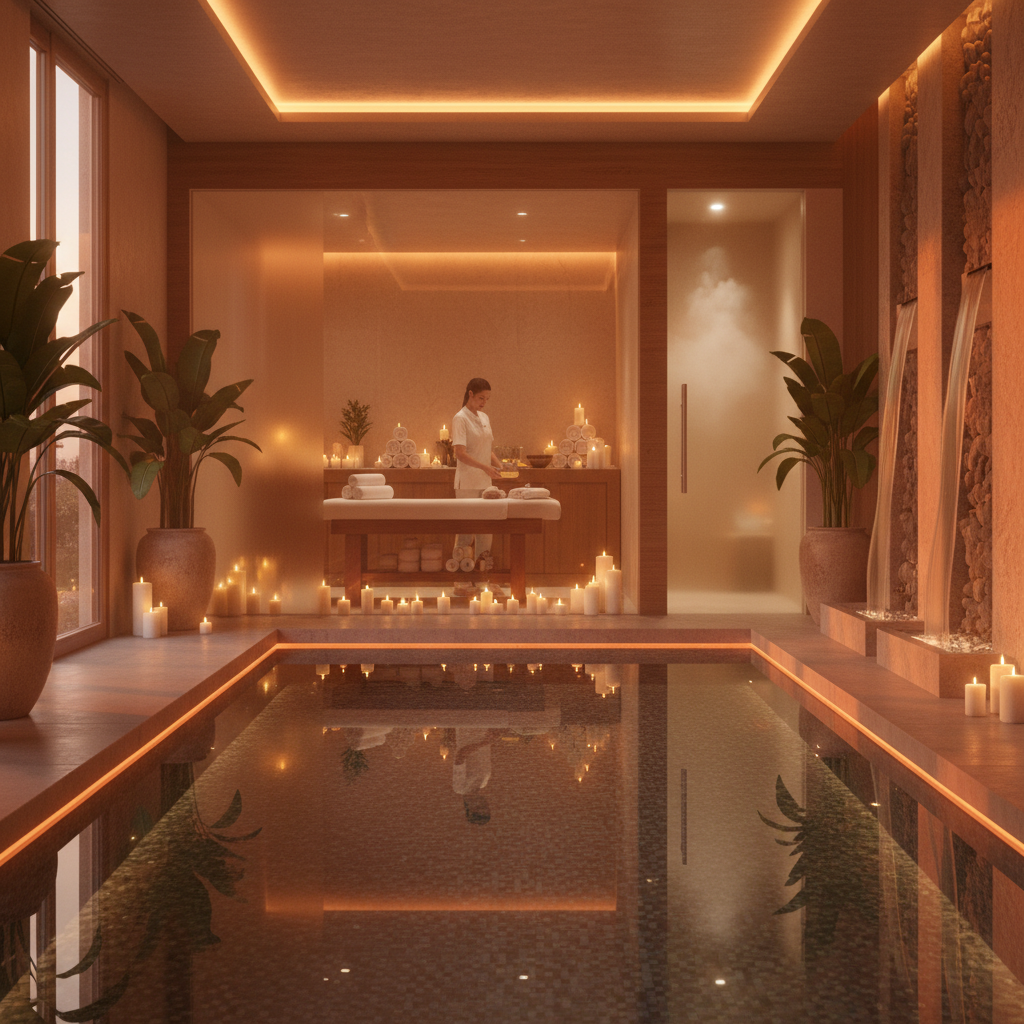
Discover how wellness and spa facilities transform hospitality properties into premium destinations. Learn the investment, operational models, and revenue opportunities that make spa services essential in modern hospitality.
Wellness & Spa Services: The Premium Hospitality Amenity Guests Crave
In today's wellness-conscious world, guests don't just seek accommodation—they seek rejuvenation. Spa and wellness facilities have evolved from luxury extras into essential differentiators in the hospitality market. Whether you operate a boutique hotel, country resort, or holiday rental, understanding the wellness landscape can unlock significant revenue opportunities and competitive advantages.
Why Wellness Services Matter in Modern Hospitality
Post-pandemic travel patterns reveal a profound shift: 73% of international travelers now prioritize wellness and health facilities when selecting accommodations. This isn't a fleeting trend—it reflects a fundamental change in how people travel and what they value.
The Business Case
- Premium pricing power: Properties with spa facilities command 20-35% higher nightly rates than comparable properties without wellness amenities
- Extended stays: Guests using spa services stay 1-2 nights longer on average, increasing overall revenue per booking
- Repeat business: Wellness-focused guests show 40% higher return visit rates
- Direct revenue: Spa services generate 8-15% additional revenue independent of accommodation rates
- Reputation boost: Properties offering wellness facilities receive higher review scores across all platforms
Assessing Your Property's Wellness Potential
Space Requirements
Spa facilities don't require sprawling facilities. Strategic space planning can maximize wellness offerings:
- Minimal setup (500 sq ft): Single massage treatment room, relaxation lounge, changing facilities. Investment: £15,000-25,000
- Mid-range (1,500 sq ft): 2-3 treatment rooms, sauna or steam room, relaxation area, small juice bar. Investment: £50,000-100,000
- Premium (3,000+ sq ft): Multiple treatment rooms, hydrotherapy pool, sauna/steam complex, fitness area, spa café. Investment: £150,000-300,000+
Existing Infrastructure Advantages
Different property types can leverage existing assets:
- Country hotels with grounds: Add outdoor yoga pavilions, meditation gardens, walking trails. Low-cost, high-impact additions
- Properties near water: Implement hydrotherapy pools, water-based treatments, outdoor bathing experiences
- Coastal resorts: Thalassotherapy and sea salt treatments capitalize on location
- Mountain properties: Alpine wellness themes, forest bathing experiences, altitude training facilities
- Urban hotels: Compact spa concepts, rooftop wellness areas, quick express treatments for business travelers
Wellness Service Models: Finding Your Fit
1. In-House Operated Spa
Pros: Full revenue control, complete brand control, integrated guest experience
Cons: High operational complexity, staff management requirements, licensing and insurance considerations, significant upfront investment
Best for: Properties with 50+ rooms, strong management infrastructure, ability to fill 70%+ treatment slots
2. Concessionaire/Branded Partnership
Pros: Established brand recognition, trained staff provided, lower operational burden, revenue share model
Cons: Lower profit margins (typically 20-40% of spa revenue), less control over service quality, branded providers dictate pricing
Best for: Mid-sized properties (20-50 rooms), properties lacking hospitality management expertise
3. Independent Contract Therapists
Pros: Flexibility, lower fixed costs, can start with single therapist, scale gradually
Cons: Quality control challenges, dependency on individual therapist, limited service range, higher turnover
Best for: Smaller properties (under 20 rooms), boutique experiences, testing spa viability before full investment
4. Hybrid "Wellness Package" Model
Pros: Blend of treatments, activities, and experiences; lower infrastructure costs; differentiated offering
Cons: Requires curated partnerships, coordination complexity, guest management
Best for: Any property size; includes yoga classes (partner instructor), meditation apps (licensed), hiking guides, nutritional consultations
Essential Spa Treatments & Services
Core Treatment Menu
- Massage therapies: Swedish, deep tissue, hot stone, aromatherapy, reflexology (most popular, highest demand)
- Facials: Classic facial, hydrating facial, anti-aging treatments, customized skincare
- Body treatments: Body scrubs, wraps, exfoliation (seasonal/luxury additions)
- Hydrotherapy: Hot tub, sauna, steam room, jacuzzi (infrastructure-dependent)
High-Margin Complementary Services
- Fitness classes (yoga, Pilates, tai chi—many can be virtual)
- Wellness consultations (nutrition, lifestyle coaching)
- Healthy meal planning (coordinate with restaurant)
- Mindfulness and meditation sessions
- Specialized treatments (scalp massage, hand treatments, foot care)
Operational Essentials & Compliance
Licensing & Regulations
Spa operations fall under specific UK regulations:
- Therapists must hold recognized qualifications (ITEC, CIBTAC, or equivalent)
- Health & Safety requirements for water-based facilities (hot tubs, saunas, pools)
- Insurance requirements for therapies (liability, professional indemnity)
- Data protection for client health information
- Local council approval for certain facility types
Staffing Considerations
- Recruitment: Target experienced therapists from hospitality chains; offer competitive wages and flexible scheduling
- Training: Invest in product training and property-specific orientation
- Retention: Wellness staff turnover is typically 20-30%—plan succession strategies
- Scheduling: Stagger staff to cover peak demand (mornings, evenings, weekends)
Facility Management
- Daily cleaning and sanitization protocols
- Water quality testing (for pools, hot tubs, saunas)
- Equipment maintenance and replacement cycles
- Product inventory management and supplier relationships
- Guest comfort and privacy (robes, slippers, amenities, changing areas)
Pricing Strategy & Revenue Optimization
Market-Rate Treatment Pricing (UK 2026)
- 30-min massage: £45-65
- 60-min massage: £75-120
- Facial: £60-90
- Body wrap: £70-100
- Sauna/Steam access: £5-15 per day or included with package
- Yoga class: £12-20 per class or £80-120 weekly pass
Revenue Maximization Tactics
- Packages: "Afternoon Escape" (massage + facial = 15% discount) drives higher spending
- Guest pre-booking: Offer spa credits with room bookings—60% conversion increases revenue
- Loyalty programs: "Book 6 treatments, get one free" encourages repeat spa use
- Premium experiences: Couple's treatments, sunrise yoga, specialized therapies command premium pricing
- Retail opportunities: Skincare and wellness product sales add 5-10% revenue
Marketing & Guest Acquisition
Digital Strategy
- Spa photo gallery on property website (professional photography is essential)
- Instagram-worthy wellness content (treatment videos, therapist features, guest testimonials)
- Wellness-specific landing pages on booking sites (Airbnb, Booking.com, Trivago)
- Email marketing to previous guests highlighting seasonal wellness packages
- Google My Business optimization for "spa near me" local searches
Partnerships & Reach
- Wedding planners (spa packages for brides)
- Corporate wellness programs (team-building spa packages)
- Travel agents and tour operators
- Wellness retreat companies
- Local tourism boards and visitor information centers
Measuring Success & ROI
Key Performance Indicators
- Treatment utilization: Target 60-70% booking slots filled
- Average treatment value: Track spend per guest visit
- Repeat visit rate: Monitor how many guests book spa + accommodation again
- Revenue per available treatment slot: Monthly/annual revenue trend
- Guest satisfaction scores: Spa-specific reviews and ratings
- Payback period: Typically 3-5 years for mid-range spa investment
ROI Timeline
A £75,000 spa investment in a 30-room hotel:
- Year 1: Ramp-up phase—30% slot utilization, £18,000 revenue, negative ROI
- Year 2: 55% utilization, £42,000 revenue, approaching breakeven
- Year 3: 70% utilization, £55,000 revenue, 20% ROI
- Year 4-5: Stabilized at 65-75% utilization, £50-60k annual revenue, 30-40% annual ROI
Common Pitfalls to Avoid
- Undersized facilities: Starting too small limits service range and revenue potential
- Poor therapist quality: One bad treatment can result in negative reviews that damage reputation
- Inadequate marketing: Many guests don't know about spa facilities—actively promote
- Inconsistent pricing: Discounting erodes brand value—maintain consistent rate structure
- Neglecting maintenance: Poorly maintained facilities undermine premium positioning
- Ignoring guest preferences: Always ask guests what wellness services they'd use
The Future of Hospitality Wellness
Wellness amenities are evolving rapidly:
- Technology integration: Booking systems, wellness apps, virtual consultations
- Sustainability focus: Eco-friendly treatments, organic products, water conservation
- Personalization: AI-driven wellness recommendations, customized guest experiences
- Mental health emphasis: Meditation apps, therapy services, stress-reduction programs
- Wellness retreats: Multi-day immersive programs, yoga/meditation packages
Action Plan: Implementing Wellness at Your Property
Immediate Steps (Month 1-2)
- Survey current guests: What wellness services would they use?
- Research local competitor offerings
- Assess available space and infrastructure
- Identify which operational model fits your property
Development Phase (Month 3-6)
- Finalize spa concept and treatment menu
- Source therapists or concession partners
- Set up systems (booking, payments, client management)
- Create marketing materials and website updates
Launch Phase (Month 6-9)
- Soft launch to existing guests
- Build positive reviews and testimonials
- Adjust pricing and services based on demand
- Train staff on wellness service delivery
The investment in wellness and spa services isn't just about adding amenities—it's about positioning your property in a competitive market where guests increasingly choose accommodations based on experiences and wellbeing. Properties that get this right see measurable improvements in revenue, reputation, and guest loyalty.
Ready to transform your property into a wellness destination? Start by understanding your guests, assessing your space, and choosing the right operational model for your business. The hospitality landscape is shifting towards wellness—the question is: will your property lead or follow?
Topics: wellness, spa services, hospitality amenities, guest satisfaction, revenue streams, luxury properties, health and wellbeing, property investment