Unlocking Hidden Revenue with Hotel Laundry Partnerships
Stay4Hospitality Editorial Team — 2026-09-11 — Operations
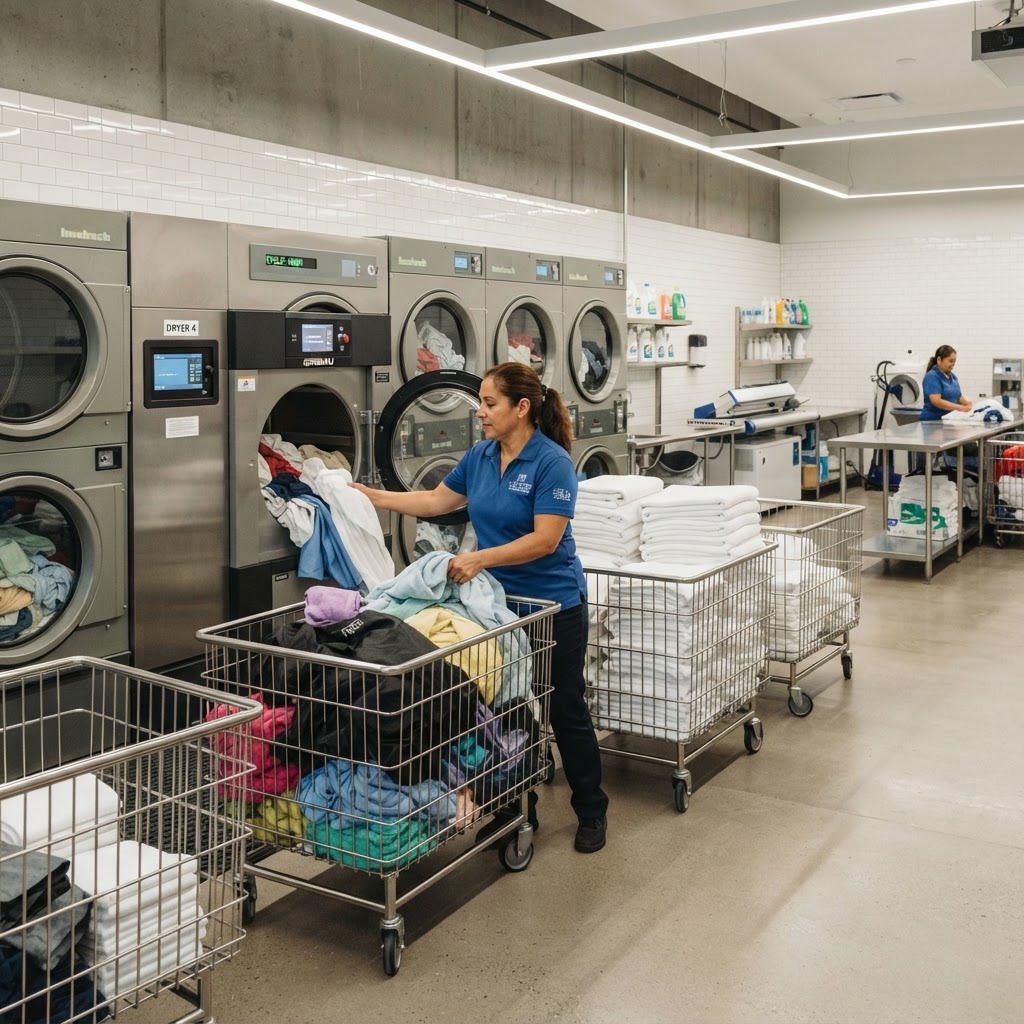
Forward-thinking hotels are transforming unused laundry capacity into £18k–£42k annual revenue streams through commercial partnerships. Here's how to capitalise in 2026.
Savvy hoteliers are unlocking £18k–£42k/year in hidden revenue by monetising their laundry facilities through commercial partnerships. Our 2026 guide reveals the step-by-step process to transform this operational necessity into a profit centre.
The Untapped Potential of Hotel Laundry Capacity
Most 30+ room hotels operate laundry facilities at just 35-55% capacity during off-peak hours. This dead time represents a significant revenue opportunity when partnering with local businesses needing bulk laundry services.
- Revenue proof point: The Royal York Hotel in Leeds generates £3,200/month washing linens for three local salons
- Equipment leverage: Commercial washers/dryers already depreciated as operational costs
- Staff optimisation: Existing laundry teams typically have 2-3hrs daily spare capacity
Research shows 68% of UK hotels under 75 rooms don't currently monetise this asset - leaving £120m+ collective revenue untapped annually.
Identifying Profitable Local Partnerships
Target businesses with regular linen/laundry needs that lack their own facilities. The most lucrative partners include:
- Beauty salons & spas: £12–£18 per 10kg wash (average 60kg/week per salon)
- Restaurants: £8–£12 per 10kg for table linens (high-volume)
- Tattoo parlours: £15–£22 per 10kg for specialised hygiene washes
- Dental clinics: £20–£30 per 10kg for medical-grade sterilisation
Pro tip: Use your existing local business networks to find partners rather than cold calling.
Pricing Models That Protect Margins
Three proven approaches for 2026:
- Volume tiers: £10/10kg (0-100kg), £8.50 (100-300kg), £7 (300kg+)
- Subscription model: £450/month unlimited washes (capped at 500kg)
- Add-on services: +£3/kg for folding, +£5/kg for delivery
Key metric: Maintain 65%+ gross margin by tracking detergent costs (avg £0.80/kg), labour (avg £1.20/kg) and utility (£0.60/kg) expenditures.
Operational Integration Without Disruption
Success requires seamless coordination with existing hotel operations:
- Dedicated time slots: 10am–2pm for commercial clients (post-guest checkouts)
- Separate inventories: Colour-coded bins prevent guest/service mixing
- Quality controls: Implement ISO 9001 laundry standards for medical clients
The Harbour View Hotel in Bristol increased partner capacity by 40% after implementing a cloud-based scheduling system synced with housekeeping.
Legal Considerations and Contracts
Protect your business with these essentials:
- Liability insurance: Minimum £2m coverage for commercial laundering
- Service agreements: 6-12 month contracts with 30-day termination clauses
- Loss/damage policy: £1.50/kg compensation limit (below commercial rates)
Consult our hospitality legal guides for template contracts compliant with UK commercial laundry regulations.
Scaling Beyond Local Partnerships
Successful operations often expand into:
- Eco-laundry services: £2 premium for organic detergent/climate-neutral washes
- White-label retail: Selling hotel-branded detergents to guests (£12/500ml)
- Contract extensions: Adding dry cleaning (£6/shirt) for office buildings
The Chesterfield Group now generates 9% of total revenue from laundry services across their four boutique properties.
Key Takeaways
- 30-room hotels typically uncover £18k–£25k first-year revenue from laundry partnerships
- Beauty and medical sectors pay premium rates for reliable service
- Cloud scheduling prevents operational conflicts with guest laundry
- Legal protections are essential when handling third-party textiles
List your hospitality property to showcase laundry revenue potential to buyers.
Topics: revenue optimisation, hotel management, ancillary income, operational efficiency, UK hospitality