Using Data Analytics to Drive Hospitality Investments in 2026
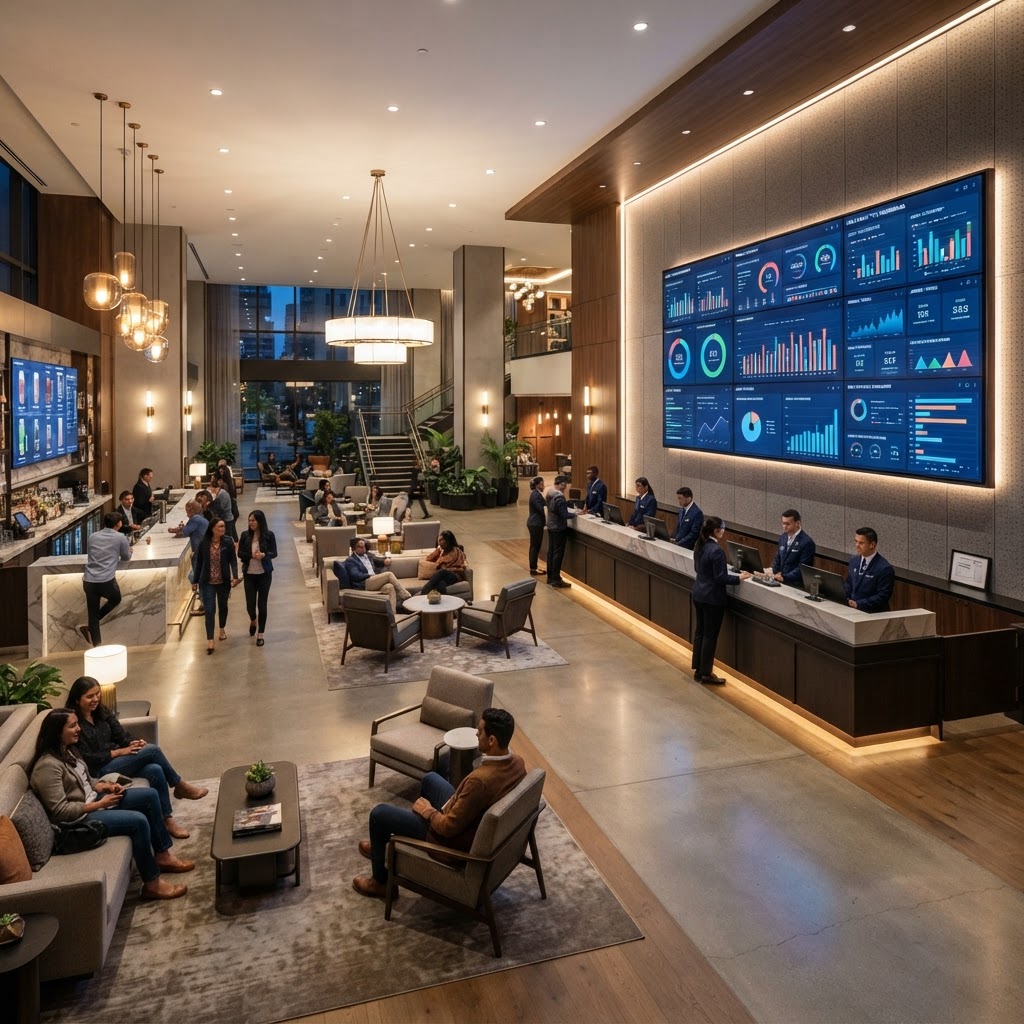
Stay4Hospitality Editorial Team — 2026-08-01 — Investment Guide
Learn how data analytics can transform your hospitality investment strategy and enhance ROI in 2026.
In 2026, data analytics is transforming the way investors approach hospitality investments. With the ability to enhance decision-making and boost ROI, understanding how to leverage data effectively can set your investment apart.
The Power of Data-Driven Decision Making
Data analytics provides insights that can inform better investment decisions by predicting market trends and consumer behavior.
- Predictive analysis: Use historical data to forecast demand and pricing trends.
- Consumer behavior insights: Understand guest preferences to tailor offerings.
Investors using data-driven strategies report a 15% higher ROI on average. Implementing predictive analytics can help you stay ahead in competitive markets.
Increasing Occupancy Rates with Data Insights
Data analytics can pinpoint the factors affecting occupancy rates, allowing you to optimize pricing and marketing strategies.
- Dynamic pricing models: Adjust rates in real-time based on demand forecasts.
- Targeted marketing: Use demographic insights to refine campaigns.
By understanding occupancy trends, you can craft promotions that fill rooms even during low seasons, improving overall revenue.
Enhancing Guest Experience Through Data
Data helps personalize guest experiences, which can significantly impact satisfaction and loyalty.
- Collect guest feedback through surveys and reviews.
- Analyze preferences to offer tailored experiences.
- Implement changes and monitor guest response.
Properties that utilize guest data to enhance service see a 20% increase in repeat bookings, highlighting the value of personalization.
Optimizing Operational Efficiency
Data analytics can streamline operations, reducing costs and improving service delivery.
- Resource allocation: Optimize staffing and resource use based on demand predictions.
- Maintenance scheduling: Predict and prevent breakdowns with data insights.
Operational efficiency improvements can lead to cost savings of up to 25%, boosting profit margins significantly.
Data-Driven Market Entry Strategies
When entering new markets, data analytics offers insights into potential opportunities and risks.
- Competitive analysis: Evaluate market saturation and competitor positioning.
- Risk assessment: Identify potential challenges and develop mitigation strategies.
A data-informed approach to market entry can enhance success rates by up to 30%, helping you choose the right location and business model.
Case Study: Successful Analytics Implementation
Explore how a boutique hotel improved profitability through data analytics.
- Implemented a dynamic pricing system.
- Used guest data to tailor marketing efforts.
- Improved operational efficiency with predictive maintenance.
This approach led to a 35% increase in annual revenue, illustrating the power of a data-driven strategy.
Key Takeaways
- Data analytics enhances decision-making and ROI.
- Predictive insights can optimize occupancy and pricing.
- Personalized guest experiences boost loyalty and revenue.
- Operational efficiency is key to cost reduction and profit increase.
- Data-driven market entry strategies reduce risks and improve success.
Leverage data analytics to transform your hospitality investment strategy in 2026 and beyond. Explore more insights to stay ahead in the evolving market.
Topics: data analytics, investment strategy, ROI, hospitality trends, 2026