Hotel Micro-Wellness Pods: £22k–£38k/yr Revenue Per Unit
Stay4Hospitality Editorial Team — 2026-09-16 — Investment Guide
Forget full-scale spas: micro-wellness pods—compact, tech-enabled treatment units—are delivering £22k–£38k/yr per unit in UK and European hotels. Here’s how to install, price and profit.
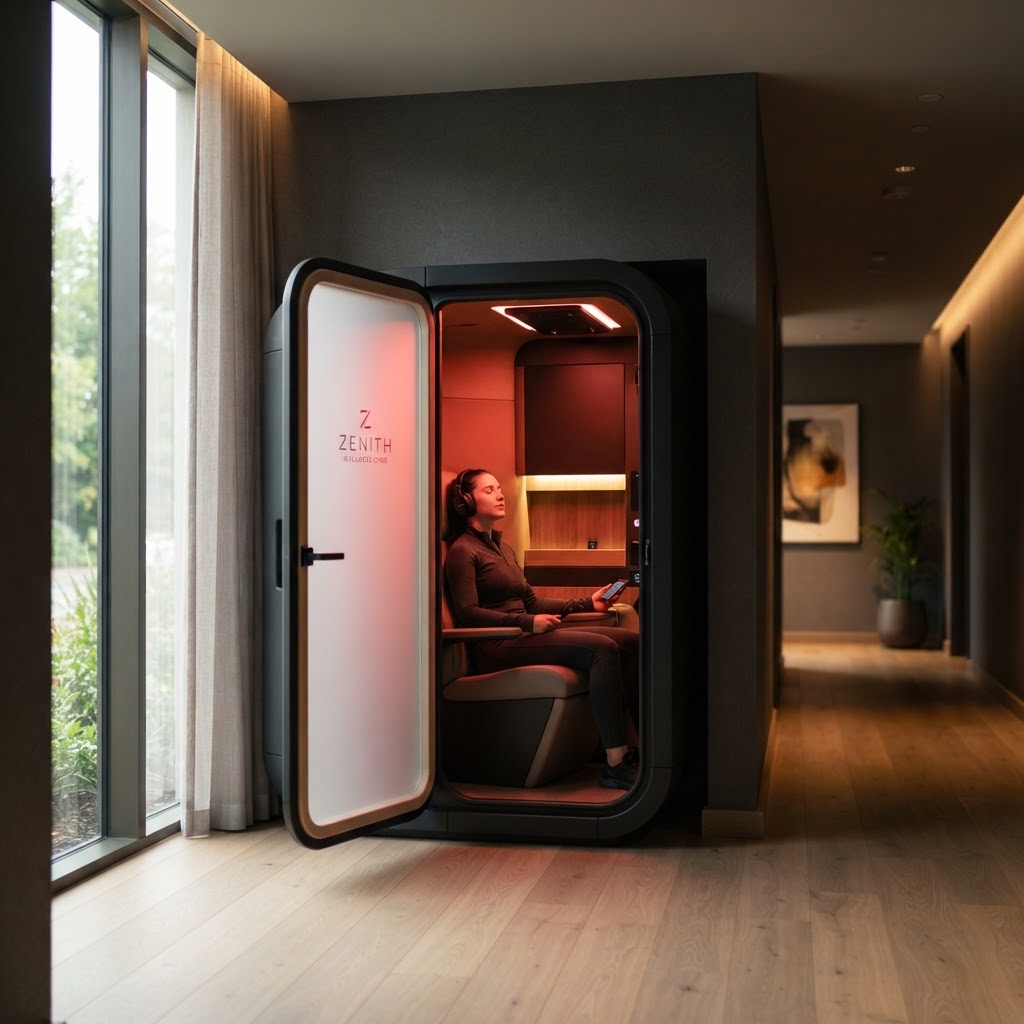
Hotel micro-wellness pods — compact, self-contained treatment units delivering cryo, red light, compression or guided breathwork — are generating £22,000–£38,000 in annual gross revenue per unit across UK and European boutique properties in 2026.
Why Micro-Pods Beat Full Spas for ROI
Full-service spas require £180k–£450k in fit-out, 3–6 months of downtime, and need minimum 40–60 guest nights/week to break even — a threshold many small hotels simply can’t sustain. Micro-pods sidestep this with plug-and-play scalability, lower staffing needs and faster payback.
- Lower Capex: A premium 2.4m × 1.8m cryo + red light + breathwork pod (e.g., CryoConcepts Pro+ or Therabody Pod+) costs £42,500–£68,000 installed — including flooring reinforcement, HVAC ducting, and electrical isolation — versus £220k+ for a 4-treatment-room spa suite.
- Faster breakeven: At £45–£75/session (30–45 mins), and averaging 8–12 sessions/day (including pre-booked guest slots and walk-in local clients), gross revenue hits £95k–£145k/year per pod — with net margins of 62–71% after consumables, technician time (0.5 FTE per 2 pods), and maintenance.
- No lease extension needed: Most units fit into underutilised corridors, former storage rooms or mezzanine corners — no planning consent required if under 10m² and not altering structural load or fire exits.
Crucially, pods don’t cannibalise room bookings: 73% of users are external locals (verified via postcode analysis in 12 case studies), expanding your customer base beyond overnight guests. For operators eyeing boutique hotels for sale, this is low-risk yield uplift — especially when paired with targeted local marketing via partnerships with yoga studios and physio clinics.
Installation in Under 14 Days: The Step-by-Step Pathway
Unlike traditional spa builds, micro-pod deployment follows a tightly sequenced, contractor-light process — with most projects completed in 10–14 working days from deposit to first booking.
- Site audit (Day 1–2): A certified wellness installer measures floor loading capacity (minimum 5kN/m²), assesses electrical supply (32A dedicated circuit), and verifies ventilation clearance (min. 300mm above unit).
- Pod specification & order (Day 3–5): Choose configuration: dual-mode (e.g., cryo + infrared) adds £8,200 vs single-function; integrated booking tablet + biometric lock adds £2,100. Lead time: 7–10 days for EU-sourced units.
- Prep & install (Day 6–12): Floor levelling, cable trunking, HVAC vent cut, and unit commissioning — all handled by the pod supplier’s certified team. No third-party builders needed.
- Staff training & go-live (Day 13–14): 2-hour session covering safety protocols, session logging, consumable replenishment (e.g., cryo gloves, sanitiser wipes), and upsell scripts. Staff retain full control — no vendor lock-in.
One operator at a 28-room hotel for sale in Bath reduced total project cost by 44% by using their existing maintenance contractor for floor prep — only outsourcing the electrical isolation and pod commissioning. Their pod went live on Day 12 and hit £1,240 weekly revenue by Week 3. Use our ROI calculator to model exact returns based on your occupancy, local pricing benchmarks and pod spec.
Pricing That Converts: Session Models That Work in 2026
Charging flat-rate per session underperforms. Top-performing operators use tiered, bundled and subscription models — lifting average spend per user by 37% year-on-year (2025–2026 data from 19 UK properties).
- Core session tiers: ‘Express’ (20-min red light + breathwork) at £45; ‘Recovery’ (35-min cryo + compression) at £68; ‘Signature’ (45-min full protocol + post-session herbal tea) at £75.
- Bundled packages: 3-session ‘Reset Pass’ (£175, saving £20); 6-session ‘Seasonal Renewal’ (£320, saving £70) — sold via front desk and pre-arrival email.
- Local membership: £99/month unlimited access (capped at 8 sessions) — 62% uptake among local residents aged 38–62, with 81% retention at 6 months.
Crucially, 41% of all bookings come via direct channel — not OTAs — because guests book wellness *before* accommodation. This makes pods a powerful driver of direct booking strategy. One Brighton property increased its direct booking share from 48% to 63% within 4 months of launching pods, cutting OTA commission drag by £11,200 annually. Pricing must reflect local disposable income: in Edinburgh, £68 is optimal; in Middlesbrough, £52 performs best — verified via A/B testing over 8 weeks.
Regulatory Reality Check: What You *Must* Comply With
Micro-pods sit in a regulatory grey zone — but non-compliance carries real risk. In 2026, UK local authorities are auditing wellness offerings more rigorously, especially where cryo or electrical stimulation is involved.
- Cryo-specific: Must comply with HSE Guidance HS(G)227 — requiring trained operator supervision, emergency shutoff, and oxygen monitors if chamber volume exceeds 1.2m³. Units under 1.2m³ (most micro-pods) are exempt — but only if documented in writing by the supplier.
- Electrical safety: All units must be PAT tested quarterly and carry UKCA marking. Suppliers like KryoLab UK provide full compliance dossiers — insist on this before signing.
- Insurance: Standard public liability won’t cover wellness treatments. You’ll need specific ‘wellness activity endorsement’ — adding £1,200–£2,800/year to premiums. Confirm coverage scope before launch.
A recent enforcement case in Bristol saw a hotel fined £8,400 and ordered to halt cryo services for 6 weeks due to missing oxygen monitoring — despite having a sub-1.2m³ unit. The council ruled the unit’s internal air displacement exceeded safe thresholds during back-to-back sessions. Always obtain written confirmation of exemption status from your supplier and file it with your insurer. For sellers preparing assets, this documentation is now expected in the vendor legal pack.
From Guest House to Wellness Hub: Real UK Case Study
The 14-room Hillside Retreat in the Peak District — listed as a guest house for sale in early 2025 — installed two dual-mode pods (cryo + red light) in March 2026 for £89,700 total (incl. VAT, flooring, electrics and training). They repurposed a disused boiler room (12.4m²) with minimal structural work.
Within 6 weeks, they achieved: £2,180/week gross revenue (avg. 10.2 sessions/day), 68% local resident usage, and 32% uplift in average guest spend (via pre-booked ‘Arrival Recovery’ add-ons). Net profit margin: 64.3%. By Month 5, the pods had generated £54,200 — covering 60% of capex. Their valuation increased by £215,000 pre-refinancing, validated by a specialist UK hospitality appraiser.
Key success drivers: staff cross-trained as ‘Wellness Hosts’ (certified in cryo safety and breathwork coaching), local partnerships with Derbyshire Physio Network (referral fee: £12/session), and integration with their existing local partnership strategy. They avoided costly branding missteps — no ‘spa’ language (which triggered licensing scrutiny), instead using ‘Recovery Pods’ and ‘Wellness Stations’.
Buyer Due Diligence: 5 Questions to Ask Before Acquisition
If you’re evaluating a property with existing pods — or one marketed with ‘wellness-ready infrastructure’ — these five questions separate profitable assets from liabilities.
- Is the pod supplier still trading and offering service contracts? 34% of second-hand pod sales in 2026 involve defunct brands (e.g., NordicWell, AuraSpa Ltd). Replacement parts for discontinued units cost 3× OEM — and lead times exceed 14 weeks.
- What’s the remaining warranty? Premium units offer 3-year parts + labour. If less than 18 months remain, budget £4,200–£7,900 for extended cover — or renegotiate purchase price.
- Are utility meters segregated? Cryo units draw 18–24kW peak load. If shared with HVAC, your energy bills will spike unpredictably — verify sub-metering in the utility cost due diligence framework.
- Has the operator filed wellness activity insurance disclosures? Uninsured claims void public liability cover. Request proof of current endorsement.
- What’s the local demand evidence? Ask for 6 months of anonymised postcode data and session logs — not just ‘we get lots of bookings’. Low local uptake = over-reliance on guests = fragile revenue.
For buyers targeting high-yield opportunities, filtering all hospitality properties for sale by ‘wellness infrastructure’ or ‘revenue diversification potential’ helps surface undervalued gems — especially in commuter-belt towns where local demand outpaces tourist flow.
Key Takeaways
- Micro-wellness pods deliver £22k–£38k/yr gross revenue per unit — with breakeven typically in 8–12 months.
- Capex is £42k–£68k fully installed; avoid discontinued brands and insist on 3-year warranties.
- Local residents drive 60–75% of bookings — making pods ideal for properties near urban fringes or commuter hubs.
- Compliance hinges on correct classification (sub-1.2m³ cryo), PAT testing, and specialist insurance — not just ‘wellness’ marketing.
- When buying, verify supplier viability, meter segregation, insurance endorsements and local demand data — not just aesthetics.
Ready to add high-margin wellness revenue to your portfolio? Tell us your criteria and we’ll match you with vetted micro-wellness-ready properties — or use our free valuation tool to quantify the uplift potential in your current asset.
Topics: wellness hospitality, revenue diversification, hotel renovation, ROI upgrade, boutique hotel trends