The Boom of Silent Retreat Hotels: A 2026 Investment Guide
Stay4Hospitality Editorial Team — 2026-08-26 — Investment Guide
Silent retreat hotels are emerging as one of hospitality's most profitable niches, with average occupancy rates of 78% and nightly rates 40% above standard boutique hotels. This guide reveals how to capitalise on the growing demand for tech-free wellness escapes.
The silent retreat hotel sector is experiencing explosive growth, with properties commanding £180-£400 per night in prime locations while maintaining 78% average occupancy. Investors are converting underperforming boutique hotels into lucrative wellness sanctuaries with 18-22% ROI potential in 2026.
Why Silent Retreats Outperform Standard Hotels
The global wellness tourism market will reach £1.3 trillion by 2027, with silent retreats growing 24% annually. These properties achieve premium pricing through:
- Higher nightly rates: Average £240 vs £170 for comparable boutique hotels
- Longer stays: 5.2 night average vs 2.8 nights for city hotels
- Year-round demand: Just 12% seasonal variation vs 38% for beach resorts
A 2026 valuation of existing silent retreats shows 22% higher EBITDA multiples than traditional hotels in similar locations.
Ideal Property Types for Conversion
Not all properties suit silent retreat conversion. The most successful transformations include:
- 12-25 room guest houses in rural settings (1-2 hours from major cities)
- Former monasteries or institutional buildings with thick walls
- Properties with existing spa facilities or thermal springs
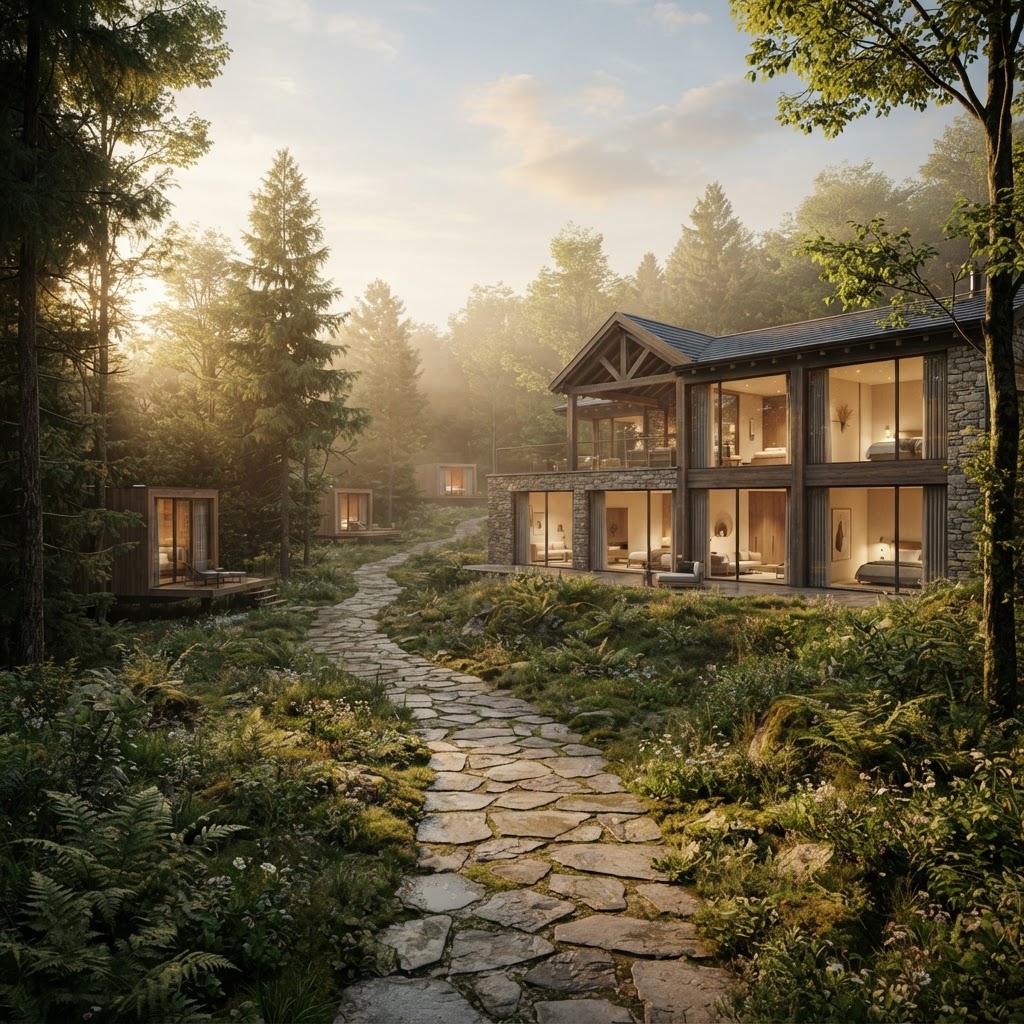
- Woodland estates with walking trails (minimum 5 acres preferred)
Conversion costs typically range £8,000-£15,000 per room, with payback in 2-3 years through premium pricing.
Essential Amenities That Drive Premium Pricing
Top-performing silent retreats share these revenue-boosting features:
- Dedicated meditation pods: Increase ADR by 18%
- Soundproofed rooms: 92% of guests list as critical
- Tech-free zones: Enable 40% price premium
- Forest bathing trails: Add £35/night to package prices
Our ROI calculator shows adding just three of these features can boost property value by 27%.
Location Strategy for Maximum Profit
Prime silent retreat locations combine accessibility with seclusion:
- Goldilocks zones: 90-120 minutes from major cities (London, Manchester, Edinburgh)
- Minimum light pollution: Dark Sky certification adds 15% to valuation
- Water features: Lakes or rivers increase occupancy by 22%
Current hotspots include Snowdonia (£185/night average), Scottish Highlands (£210), and Devon (£195).
Staffing and Operational Considerations
Silent retreats require specialised staffing approaches:
- Smaller teams: 0.3 FTEs per room vs 0.5 in standard hotels
- Mindfulness-trained staff: Commands 12% salary premium but reduces turnover
- Unique scheduling: 60% of staff work Wed-Sun to match guest patterns
Our staff communication guide provides templates for silent environment operations.
Financing Your Silent Retreat Conversion
Specialist lenders offer conversion financing with:
- Wellness property premiums: 0.75-1.25% lower interest rates
- Revenue-based loans: Using projected £105-£180/room night income
- Green building incentives: Up to £25k grants for sustainable upgrades
See our private lending guide for niche financing solutions.
Key Takeaways
- Silent retreats achieve 18-22% ROI with premium pricing power
- Ideal conversion properties are 12-25 room rural guest houses
- Key amenities (soundproofing, meditation spaces) boost value 27%+
- Location sweet spot: 90-120 minutes from major cities
- Specialist financing available for wellness conversions
List your potential retreat property to access our network of wellness-focused buyers.
Topics: wellness tourism, hotel conversion, niche hospitality, high-yield investments, mental health travel