Unlocking ROI: The Potential of Adaptive Reuse in Hospitality
Stay4Hospitality Editorial Team — 2026-07-26 — Investment Guide
Discover how adaptive reuse can transform underutilised spaces into profitable hospitality venues. Explore strategies and success stories.
In the competitive world of hospitality, adaptive reuse offers a unique opportunity to maximise return on investment (ROI). By transforming existing structures into vibrant hospitality venues, investors can capture new markets and enhance property value.
The Advantages of Adaptive Reuse
Adaptive reuse in hospitality involves repurposing existing buildings for new uses, offering significant advantages over new builds.
- Reduced costs: Adaptive reuse can be 10-20% cheaper than new construction.
- Faster time to market: Repurposing existing structures often takes less time than building from scratch, allowing quicker entry into the market.
- Sustainability: Reusing buildings supports environmental sustainability by reducing resource consumption.
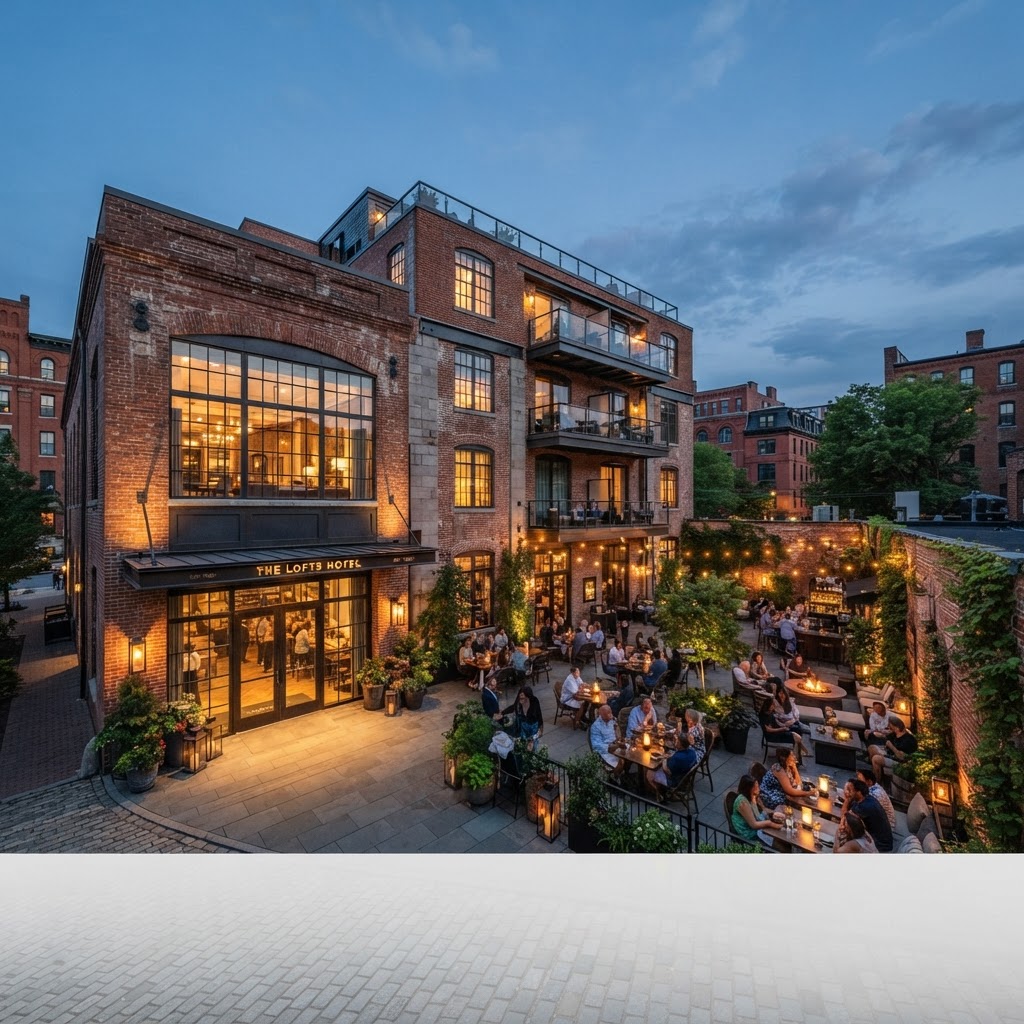
For instance, converting a historic warehouse into a boutique hotel not only preserves cultural heritage but also caters to a niche market, enhancing guest experience and loyalty.
Identifying Suitable Properties for Adaptive Reuse
Not all properties are ideal for adaptive reuse, so identifying the right one is crucial for success.
- Research local zoning laws to ensure the proposed use is permissible.
- Assess the building's structural integrity and potential renovation costs.
- Analyse the property's location and accessibility to target markets.
Resources like our free valuation tool can help determine the financial feasibility of potential projects.
Case Study: Warehouse to Boutique Hotel Conversion
A thriving example of adaptive reuse is the conversion of a 19th-century warehouse into a luxurious boutique hotel in Manchester.
- Original purchase price: £1.5 million
- Renovation costs: £2 million
- Annual revenue: £800,000
After a detailed market analysis and creative design approach, the property now boasts a 75% occupancy rate, illustrating the potential for substantial ROI.
Regulatory Considerations and Compliance
Understanding and navigating local regulations is essential in adaptive reuse projects.
- Heritage building restrictions: Ensure compliance with guidelines for historic structures.
- Building codes: Update to meet current safety and accessibility standards.
- Permitting: Secure necessary permits for construction and operation.
Our legal compliance guide can provide further insights.
Financing Adaptive Reuse Projects
Securing funding for adaptive reuse can differ from traditional hospitality investments.
- Explore grants and incentives for heritage preservation and sustainable development.
- Consider alternative financing options like bridge loans.
Visit our financing options FAQ for more details on securing the right funding.
Marketing Your Adaptive Reuse Project
Effectively marketing a repurposed property is key to attracting guests and increasing bookings.
- Unique story: Highlight the building's history and transformation story.
- Targeted campaigns: Use digital marketing to reach specific demographics interested in unique stays.
Leverage platforms like our property listing service to showcase your property's uniqueness.
Key Takeaways
- Adaptive reuse can significantly enhance ROI by repurposing existing structures.
- Identifying suitable properties and understanding regulatory requirements are crucial.
- Marketing effectively can highlight the unique appeal of the transformed property.
Start exploring adaptive reuse opportunities today to unlock new revenue streams in hospitality. Visit Stay4Hospitality for more insights and listings.
Topics: adaptive reuse, hotel investment, ROI, property transformation, sustainability