Boutique Hotel Interior Design Trends for 2024
Stay4Hospitality Editorial Team — 2026-06-02 — Operations
Explore 2024's top boutique hotel design trends to elevate your property. Discover practical insights and design inspiration on Stay4Hospitality.
Introduction
The boutique hotel industry is renowned for its ability to offer unique and personalised experiences. In a competitive market, staying updated with the latest interior design trends is essential for attracting discerning guests. As we move into 2024, several key trends are set to redefine how boutique hotels approach design.
1. Sustainable and Eco-Friendly Design
With sustainability at the forefront of consumer consciousness, boutique hotels are increasingly adopting eco-friendly design practices. From sourcing locally-produced materials to implementing energy-efficient systems, sustainability is no longer just a trend—it's a necessity.
Practical Tips:
- Invest in energy-efficient lighting and smart thermostats to reduce energy consumption.
- Use reclaimed wood and recycled materials for furniture and decor.
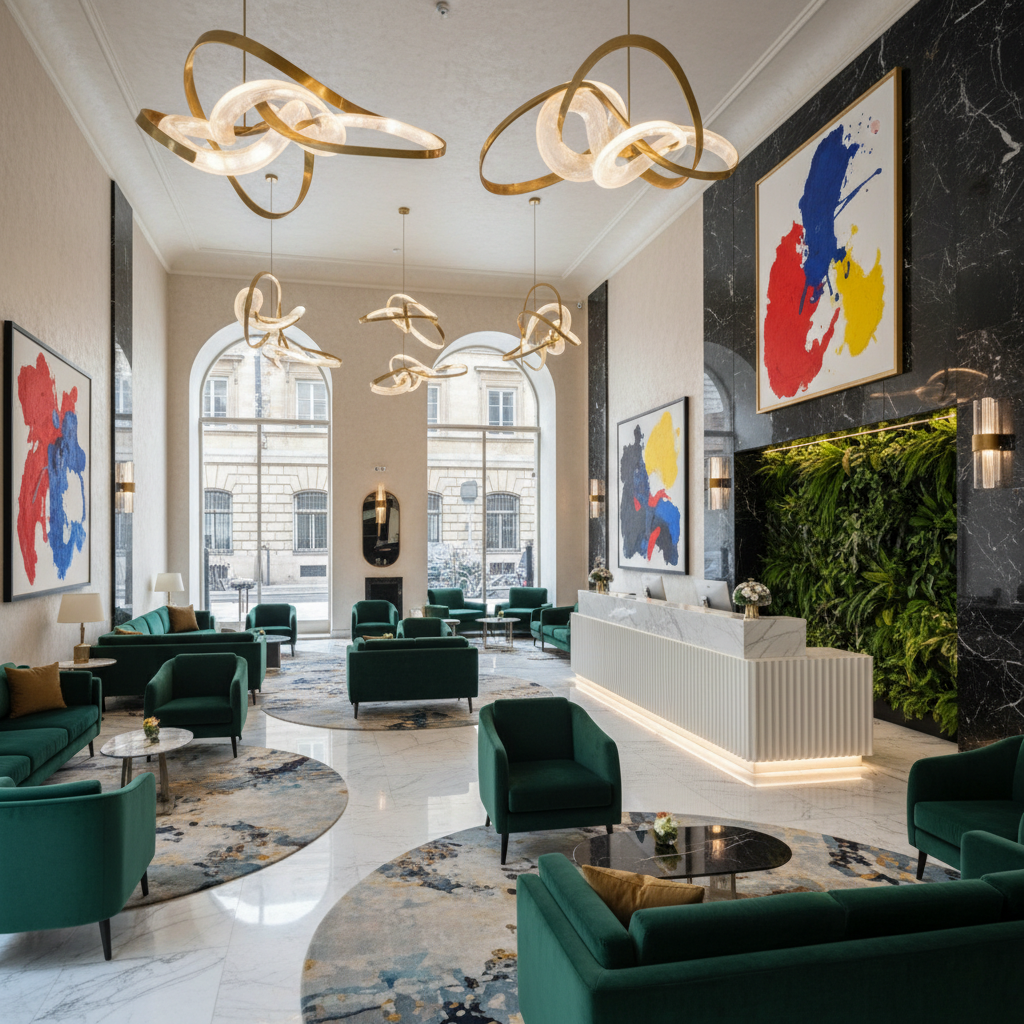
- Incorporate plant walls and biophilic design elements to enhance indoor air quality.
2. Embracing Local Culture
Boutique hotels are leveraging local culture and heritage to create a sense of place. This trend involves incorporating local art, textiles, and craftsmanship into the hotel's design to offer guests an authentic experience.
Practical Tips:
- Collaborate with local artists to display their work within the hotel.
- Use regionally-inspired colour palettes and materials.
- Offer locally-made products in guestrooms, like artisanal soaps and snacks.
3. Tech-Integrated Spaces
Technology continues to play a pivotal role in enhancing guest experiences. Boutique hotels are integrating advanced tech solutions to offer convenience and personalisation, from smart room controls to digital concierge services.
Practical Tips:
- Implement keyless entry systems for seamless check-ins.
- Offer virtual concierge services through mobile apps.
- Use smart lighting and climate control systems for personalised comfort.
4. Retro Revival and Vintage Elements
There's a growing appreciation for nostalgia and retro aesthetics in boutique hotel design. Vintage furnishings, retro-inspired colour schemes, and classic decor elements are making a comeback, offering a charming and timeless appeal.
Practical Tips:
- Incorporate vintage furniture pieces to add character to rooms.
- Use retro colour palettes like mustard, teal, and burnt orange.
- Accessorise with vintage decor items such as rotary phones and record players.
5. Multi-Functional Spaces
With more guests seeking flexibility, boutique hotels are designing multi-functional spaces that cater to both work and leisure. This trend is about creating versatile environments that can adapt to guests' varying needs.
Practical Tips:
- Design rooms with dedicated workspaces and comfortable seating areas.
- Create communal areas that serve as both workspaces and social hubs.
- Incorporate modular furniture that can be rearranged easily.
Conclusion
Staying ahead in the boutique hotel sector requires a keen eye for design trends that resonate with modern travellers. By embracing sustainable practices, local culture, technological integration, and versatile spaces, hotel owners can ensure their properties remain competitive and appealing. For those looking to purchase or transform a boutique hotel, consider these trends as guiding principles. Explore a range of properties that fit your vision by browsing listings on Stay4Hospitality. For a unique experience, consider visiting Cobham or Clevedon.
Topics: interior design, boutique hotels, hospitality trends, luxury design, hotel decor