Hotels te koop in Schotland: Koopgids
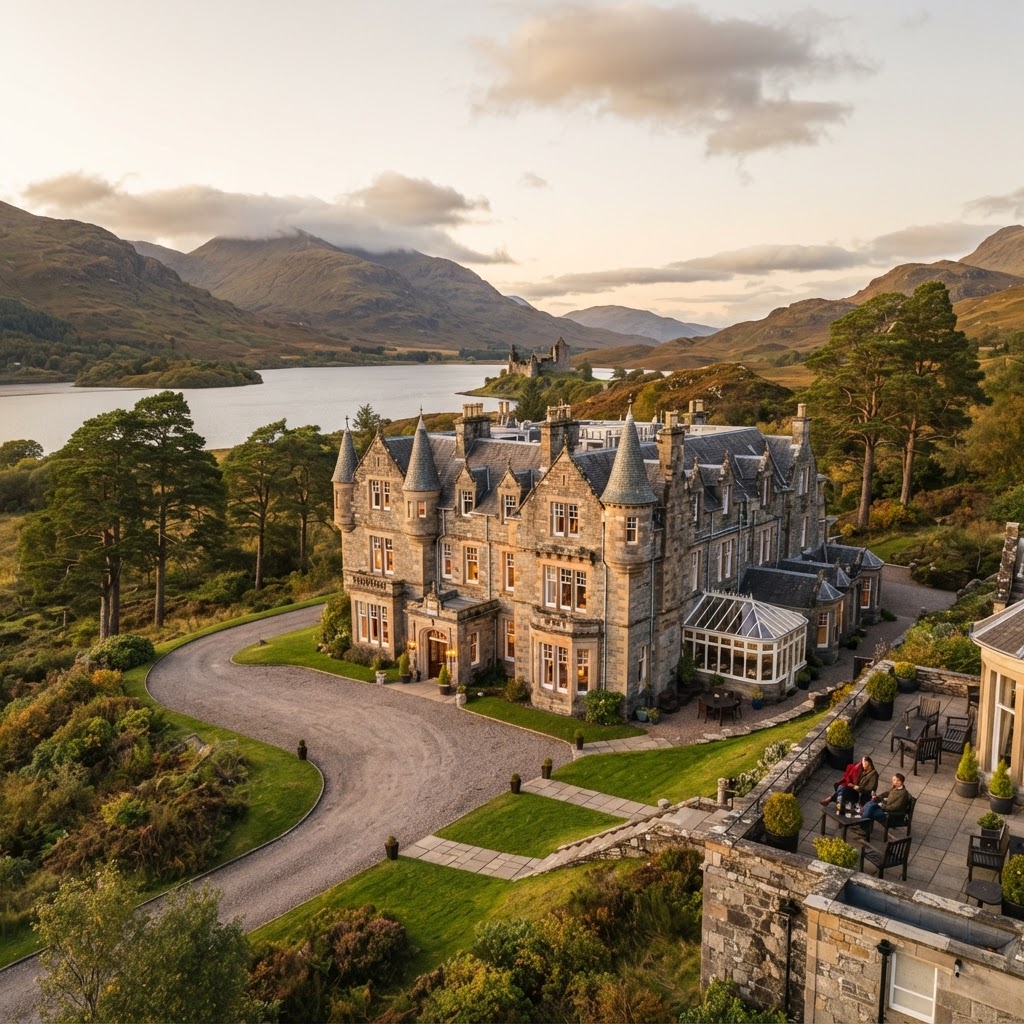
Exploring hotels for sale in Scotland presents a unique opportunity for hospitality investors to tap into a market rich with cultural heritage and expanding tourism prospects. In this comprehensive guide, Stay4Hospitality provides expert insights into the Scottish hotel market, helping you navigate the landscape effectively for a successful investment in 2026. Whether you're interested in understanding market trends or the legal nuances involved, this guide covers all essential aspects to ensure informed decision-making. For those considering the selling side of transactions, our dedicated resource offers valuable guidance on the Stay4Hospitality marketplace.
Key Takeaways
- Scotland's hotel market offers unique investment opportunities due to its thriving tourism sector.
- Understanding local market trends is crucial for making strategic investment decisions.
- Legal requirements and compliance are vital in the Scottish hospitality industry.
- Financing options for purchasing hotels in Scotland are diverse and require careful consideration.
- Potential investors should be aware of common pitfalls in the hotel purchasing process.
Understanding the Scottish Hotel Market in 2026
Understanding the Scottish Hotel Market in 2026
Scotland's hotel market in 2026 presents a dynamic landscape driven by increasing tourism and shifting regional demands. With an estimated 12% growth in international visitors over the past year, primarily from North America and Asia, Scotland stands out as a premier destination for both leisure and business travelers. The country's appeal is bolstered by its rich cultural heritage, stunning landscapes, and vibrant cities.
Edinburgh Hotel Market Performance
Edinburgh remains a focal point for hotel investors due to its robust tourism sector. In 2026, the city boasts an average occupancy rate of 84%, with an Average Daily Rate (ADR) of £150. These figures reflect Edinburgh's status as a cultural and historical hub, attracting millions of visitors annually. Key events such as the Edinburgh Festival Fringe continue to drive high demand, ensuring year-round occupancy peaks.
Glasgow Market Characteristics
Glasgow presents a unique blend of business and leisure tourism. The city is known for its strong conference and event sector, contributing to a business travel share of approximately 45%. Leisure tourism is also significant, driven by Glasgow's vibrant arts scene and shopping districts. The city's hotels enjoy an average occupancy rate of 80% and an ADR of £120, making it a competitive yet lucrative market for investors.
Highlands and Islands Tourism Trends
The Highlands and Islands offer a different appeal, characterized by their natural beauty and adventure tourism opportunities. Seasonal patterns are pronounced, with peak visitation during the summer months. The region is seeing a rise in boutique and eco-friendly hotel developments, catering to tourists seeking unique, sustainable experiences. This area offers investment potential for those interested in niche markets.
Emerging Secondary Markets
Emerging markets like Stirling and Perthshire are gaining attention from investors. Stirling, with its historical significance and proximity to both Edinburgh and Glasgow, is becoming a strategic location for mid-tier hotel developments. Perthshire, known for its outdoor activities and scenic landscapes, is attracting boutique and luxury accommodations. These secondary markets present opportunities for growth as they benefit from spillover demand from larger cities.
Regional Investment Considerations
Investors should consider the distinct dynamics of each region. Edinburgh and Glasgow offer stability and high returns, but competition is intense. The Highlands and Islands provide opportunities in niche tourism sectors, though they require careful consideration of seasonal demand. Emerging markets like Stirling and Perthshire offer potential for early entrants willing to capitalize on growing tourism trends.
Understanding these regional differences is crucial for making informed investment decisions in Scotland's diverse hotel market. For more detailed insights, explore our Complete Guide To Selling A Hotel and related resources.
Step-by-Step Guide to Buying a Hotel in Scotland
Step-by-Step Guide to Buying a Hotel in Scotland
Purchasing a hotel in Scotland requires a strategic approach tailored to the local market. Here's a comprehensive, step-by-step guide to navigating this process:
1. Conduct Initial Research
- Market Analysis: Begin by understanding Scotland’s hospitality landscape. Utilize VisitScotland tourism data to identify key areas of growth, competitor benchmarks, and customer demographics. For instance, the Highland region has seen a 10% increase in visitor numbers over the past year, making it a lucrative area for investment.
- Location Scouting: Choose a location based on target clientele—urban areas like Edinburgh for business travelers, or scenic regions such as the Isle of Skye for tourists seeking natural beauty.
2. Set a Budget
- Assess your financial capacity and explore funding options. Scottish lenders like the Bank of Scotland and institutions such as Scottish Enterprise offer tailored financing solutions for hospitality investments. Consider costs like property price, renovations, and operational expenses.
3. Engage Professionals
- Solicitor: Ensure compliance with Scottish laws. A solicitor, familiar with local regulations, will assist with contracts and legal requirements, especially important in transactions involving listed buildings or crofting law in rural areas.
- Financial Advisor: A financial advisor can assist with investment appraisal and securing financing. They can guide you through the Scottish market's nuances, ensuring a sound financial strategy.
4. Perform Due Diligence
- Financial Health: Scrutinize the hotel’s financial statements, occupancy rates, and operating expenses. Check the FAQ on hotel due diligence timelines for detailed insights.
- Legal Checks: Verify property titles, zoning laws, and any existing liens or litigations. Pay particular attention to planning considerations and approval timelines from authorities like Highland Council or Edinburgh Council.
5. Make an Offer
- Negotiation: Use insights from your research and due diligence to negotiate a fair purchase price. Consider recent sales of similar properties in Scotland to benchmark your offer.
6. Finalize the Purchase
- Contracts: Finalize sale agreements with the help of your legal team. Ensure all clauses are compliant with Scottish property law.
- Transfer Ownership: Complete necessary paperwork to legally transfer ownership, ensuring all regulatory requirements are met.
7. Post-Acquisition Plans
- Develop a business plan focusing on branding, marketing, and operational improvements to enhance the hotel's competitiveness. Consider leveraging Scotland's rich cultural heritage in your marketing strategies to attract more tourists.
Following these steps ensures a systematic approach to acquiring a hotel in Scotland, maximizing investment potential while mitigating risks. For further guidance, explore our Complete Guide To Selling A Hotel and related resources.
Checklists for Prospective Hotel Buyers in Scotland
Checklists for Prospective Hotel Buyers in Scotland
To ensure a successful hotel acquisition in Scotland, prospective buyers should use these comprehensive checklists, tailored to the unique aspects of the Scottish market. For further insights, refer to our FAQ on what hotel buyers look for before making an offer.
Due Diligence Checklist
- Financial Performance: Review past 3-5 years of financial statements to understand profitability trends.
- Legal Compliance: Confirm all licenses and permits, including those specific to Scotland, like VisitScotland grading and Scottish licensing requirements, are up-to-date.
- Property Title: Verify a clear property title with no encumbrances or legal disputes.
Property Inspection Checklist
- Structural Integrity: Conduct a thorough inspection for any structural issues, focusing on the roof, foundation, and plumbing systems.
- Safety Standards: Ensure compliance with local safety regulations, including fire safety, health codes, and accessibility standards.
- Amenities and Equipment: Assess the condition of furniture, fixtures, and equipment, ensuring they meet the expectations of your target market.
Financial Evaluation Checklist
- Revenue Streams: Evaluate current revenue streams and identify potential for new ones, such as events or local partnerships.
- Operational Costs: Analyze current operating costs and compare them with industry standards to identify areas for cost reduction.
- Return on Investment (ROI): Calculate expected ROI based on projected cash flow and market conditions, considering the Scottish hotel market outlook for 2026.
Strategic Planning Checklist
- Market Positioning: Define target market segments and unique selling propositions, focusing on niche markets like eco-tourism or luxury escapes.
- Brand Strategy: Develop a branding strategy that aligns with market expectations and current trends, such as sustainability or local culture.
- Growth Opportunities: Identify opportunities for expansion or diversification, including Highland planning restrictions that may impact development.
These checklists provide a thorough framework for evaluating all aspects of a potential hotel purchase in Scotland, ensuring informed investment decisions that align with both local regulations and market dynamics. For more detailed guidance, explore our Complete Guide To Selling A Hotel and related resources.
Downloadable Resources for Hotel Investors
At Stay4Hospitality, we provide a suite of downloadable resources to assist investors in making informed decisions when purchasing hotels in Scotland. These resources are designed to offer in-depth insights and practical tools to enhance your investment strategy.
Available Resources
- Market Analysis Reports: Detailed reports on the Scottish hotel market, including regional growth forecasts, competitive analyses, and demographic studies.
- Investment Guides: Comprehensive guides outlining investment strategies, risk management, and financial planning.
- Financial Planning Tools: Excel templates for budgeting, cash flow analysis, and ROI calculations.
How to Access
To access these resources, visit our Downloadable Resources Page where you can download files directly. These materials are updated regularly to reflect the latest market data and trends.
Benefits
- Enhanced Decision-Making: Gain a deeper understanding of market dynamics and trends.
- Time Savings: Use ready-made templates and guides to streamline your analysis and planning processes.
- Strategic Insights: Leverage expert insights to refine your investment approach and achieve better outcomes.
These resources are invaluable for both new and seasoned investors looking to enter or expand within the Scottish hotel market.
Financial Considerations and Funding Options
Financial Considerations and Funding Options
When exploring hotels for sale in Scotland, understanding the financial landscape is crucial. The Scottish hotel market offers diverse investment opportunities, but securing the right funding is essential for successful acquisition and operation.
Funding Strategies
- Traditional Bank Loans: Banks in Scotland often provide commercial loans tailored for hospitality investments. Interest rates typically range from 3% to 6%, depending on the borrower's creditworthiness and the property’s location. For more details on initial capital needs, visit our FAQ on hotel deposit requirements.
- Private Equity: Private investors or equity firms can offer substantial capital in exchange for a share in ownership. This option can be beneficial for investors looking to minimize personal risk while leveraging the expertise of experienced partners.
- Government Grants and Loans: The Scottish Government occasionally offers grants and low-interest loans to promote tourism and hospitality, especially in rural areas. It’s advisable to check the latest government initiatives that may support your investment.
- Crowdfunding: Platforms such as Crowdcube and Seedrs allow multiple investors to pool resources for larger projects. While less traditional, this method can be effective for innovative or community-focused hotel projects.
Financial Planning
Creating a robust business plan is essential. This should include:
- Market Analysis: Understand the demand drivers in your target location.
- Revenue Projections: Estimate occupancy rates and average daily rates (ADR) based on local benchmarks.
- Expense Forecasting: Include operational costs, maintenance, and staffing. Consider potential capital expenditure for property improvements to ensure comprehensive financial planning.
- Tax Implications: Be aware of the tax considerations for Scottish hotels that could impact your financial strategy.
Real-World Example
Consider the recent acquisition of a boutique hotel in Edinburgh. The investors secured a mix of bank financing and private equity, leveraging local tourism trends to predict a 15% ROI within the first year. This blend of funding allowed flexibility and shared risk, demonstrating a strategic approach to financial planning.
Case Study: First-Time Buyer in the Highlands
A first-time buyer recently purchased a charming B&B in the Scottish Highlands. The buyer utilized a combination of a traditional bank loan and a government grant aimed at boosting rural tourism. By carefully analyzing local market trends and securing favorable loan terms, the buyer projected a sustainable growth path with a focus on eco-tourism. This example illustrates how even novice investors can successfully navigate the financial landscape of buying hotels in Scotland.
Legal and Compliance Requirements in Scotland
Legal and Compliance Requirements in Scotland
Investing in hotels for sale in Scotland involves navigating a complex legal landscape unique to the region. From licensing to local regulations, compliance is crucial for a smooth transition and continued operation. For a more detailed exploration, consider visiting our comprehensive resource on legal considerations for hotel buyers in Scotland.
Licensing Requirements
- Premises License: If your hotel plans to serve alcohol, obtaining a Premises License is mandatory. This process involves consultation with local authorities and can take several months. The Scottish licensing boards operate distinctly from those in England, reflecting the nuances of Scots law.
- Hotel Classification: Hotels in Scotland are categorized by the Scottish Tourist Board. Ensuring your hotel meets these classification requirements can enhance marketability and customer trust.
Local Regulations
- Building Regulations: Any renovations must comply with Scotland’s building standards, which include fire safety, accessibility, and energy efficiency. These standards are strictly enforced and differ from those in England and Wales.
- Environmental Compliance: Scotland is known for its rigorous environmental policies. It is essential to ensure compliance with waste management and sustainability practices to avoid fines. This is particularly important given Scotland's commitment to reducing its carbon footprint by 75% by 2030.
Employment Law
Scottish employment law includes specific regulations regarding worker rights. Familiarize yourself with minimum wage laws, working hours, and health and safety standards to avoid legal complications. Notably, Scotland has its own approach to employment tribunals and dispute resolution.
Due Diligence Checklist
Before finalizing a purchase, conduct thorough due diligence:
- Verify Title Deeds: Confirm legal ownership and any encumbrances.
- Assess Liabilities: Identify any outstanding debts or legal disputes that could affect the transaction.
- Survey the Property: Ensure structural integrity and compliance with local regulations. Consider hiring a surveyor familiar with Scottish properties.
Case Study
An investor in the Highlands successfully navigated the legal landscape by hiring a local solicitor well-versed in Scots law. They ensured all licenses were in place and identified potential zoning issues early, avoiding costly delays. This proactive approach not only saved time but also safeguarded the investment from unforeseen legal challenges.
For further guidance, explore our related articles and tools linked throughout our Hotels for Sale in Scotland: Buying Guide.
Avoiding Common Mistakes in Hotel Investments
Purchasing hotels for sale in Scotland can be rewarding, but it's essential to sidestep common pitfalls that can derail success.
Overlooking Market Research
One frequent mistake is inadequate market research. Understanding the local tourism trends, competition, and customer demographics is critical. For example, a hotel in Glasgow may capitalize on business travel, whereas a Highland lodge might focus on eco-tourism. Comprehensive market research will also help in identifying the ideal location and target audience, thus optimizing your investment.
Underestimating Renovation Costs
Investors often underestimate the cost and time required for renovations. Always budget for unexpected expenses and delays, and consider hiring a local project manager who understands the regional construction landscape. Additionally, be aware of the restrictions on renovating listed buildings, which are common in Scotland. These can significantly increase costs and extend timelines. For a detailed analysis, refer to our Scottish Hotel Renovation Cost Analysis guide.
Ignoring Staffing Needs
Another common error is underestimating the importance of hiring and retaining skilled staff. Scotland's hospitality sector demands high standards, so invest in comprehensive training programs and competitive compensation to maintain service quality. In remote areas, seasonal staffing can be particularly challenging, with many workers preferring urban centers. Plan for these fluctuations by developing a robust recruitment strategy.
Failing to Plan for Seasonality
Scotland's tourism is highly seasonal, peaking in summer and during festivals. Develop strategies to attract guests year-round, such as hosting events or partnerships with local attractions. Misjudging the impact of Highland weather on accessibility can also affect occupancy rates, so consider investing in amenities that cater to off-peak visitors.
Risk Mitigation Strategies
- Diversify Revenue Streams: Consider additional services such as spas, conferences, or local tours.
- Engage Local Experts: Utilize local consultants for insights into regulations and market trends.
- Regular Financial Review: Conduct quarterly financial assessments to adjust strategies as needed.
Example
An investor in Edinburgh avoided these pitfalls by conducting detailed market analysis and forming a partnership with a local tourism board, which helped them align their services with tourist expectations, ensuring a steady influx of guests. This strategic approach highlights the importance of local partnerships and thorough planning in achieving success.
For more insights, explore our Complete Guide To Selling A Hotel and related resources to enhance your investment strategy.
Next Steps: Maximizing Your Hotel Investment
After acquiring hotels for sale in Scotland, the journey to maximizing your investment begins. Here are strategic steps tailored to the Scottish market.
Enhancing Operational Efficiency
- Technology Integration: Implement property management systems (PMS) to streamline operations. This can improve booking accuracy and guest satisfaction.
- Sustainability Initiatives: Scotland values sustainability. Implement energy-saving measures and eco-friendly practices to attract environmentally-conscious travelers.
Staffing Your Scottish Property
Scotland's hospitality sector faces unique workforce challenges that require proactive solutions:
- Seasonal Workforce Planning: Highland and island properties experience pronounced seasonal fluctuations. Build relationships with seasonal worker agencies and consider offering accommodation to attract staff during peak summer and Hogmanay periods.
- Post-Brexit Recruitment: EU worker availability has declined significantly since 2021. Focus on local recruitment drives, apprenticeship schemes through Skills Development Scotland, and the Skilled Worker visa route for specialist roles.
- Rural Staffing Solutions: Properties in remote areas like the Highlands and Islands struggle with recruitment. Offer competitive packages including accommodation, transport allowances, and clear career progression to attract talent from urban centers.
- Training Partnerships: Collaborate with local colleges offering hospitality qualifications to create talent pipelines and access government-funded training schemes.
Building Scottish Supplier Networks
Establishing reliable vendor relationships is essential for operational success:
- Local Food Producers: Scotland's provenance-focused tourism thrives on local sourcing. Connect with regional food groups, farmers' markets, and artisan producers to create authentic dining experiences.
- Beverage Suppliers: Build relationships with Scottish breweries, distilleries, and soft drink producers. Showcasing local beverages differentiates your offering and supports the "Taste Our Best" initiative.
- Service Providers: Identify maintenance contractors, linen suppliers, and cleaning services with experience in hospitality. Rural properties should maintain backup supplier lists due to longer lead times.
Marketing and Branding
- Local Partnerships: Collaborate with nearby attractions, restaurants, and tour operators. Packages that offer a holistic Scottish experience can boost occupancy rates.
- Online Presence: Optimize your website for search engines and maintain active social media profiles to reach a global audience.
- VisitScotland Collaboration: Join VisitScotland's Quality Assurance scheme and regional tourism partnerships. These provide marketing support, training resources, and inclusion in national campaigns reaching millions of potential visitors.
- Regional Tourism Boards: Engage with organizations like Edinburgh Tourism Action Group or Highlands and Islands Tourism Alliance for localized marketing opportunities and industry intelligence.
Seasonal Strategy Optimization
Scottish properties require tailored approaches based on location and market:
- Highland Properties: Expect 60-70% of annual revenue during May-September. Develop winter offerings around Hogmanay, winter sports, Northern Lights viewing, and cozy retreat packages to extend the season.
- City Hotels: Edinburgh and Glasgow properties benefit from year-round demand but face extreme peaks during festivals (Edinburgh Festival Fringe in August sees rates triple). Implement sophisticated revenue management and minimum stay requirements during peak periods.
- Shoulder Season Tactics: Target domestic markets, corporate retreats, and special interest groups (walking, photography, whisky tours) during April, October, and November when international leisure travel softens.
Customer Experience
- Personalized Services: Use guest data to tailor experiences. For instance, offering bespoke itineraries for repeat visitors can enhance loyalty.
- Feedback Loops: Regularly solicit and act on guest feedback to improve services.
Financial Management
- Dynamic Pricing Models: Adjust room rates based on demand fluctuations. Leverage analytics tools to forecast demand accurately.
- Cost Control: Regularly review supplier contracts and operational expenses to identify savings opportunities.
Planning Your Exit Strategy
Successful investors think long-term from day one. Whether you're building value for eventual sale or exploring portfolio expansion, understanding the selling process helps inform operational decisions. Review our guide to selling hotels in Scotland to understand what future buyers will value in your property.
Example Strategy
A hotel in the Isle of Skye enhanced profitability by investing in local artisan partnerships, offering guests unique cultural experiences. This differentiation not only increased occupancy during off-peak seasons but also garnered media attention, boosting their brand visibility globally. The owners addressed staffing challenges by providing on-site accommodation for seasonal workers and partnering with Sabhal Mòr Ostaig (the Gaelic college) to create authentic cultural programming that required minimal additional labor while commanding premium rates.
What are the current trends affecting the hotel market in Scotland?
In 2026, the Scottish hotel market is influenced by sustainable tourism, increased domestic travel, and the rise of experiential stays. Eco-friendly practices a
How do I assess the profitability of a hotel for sale in Scotland?
To evaluate a hotel's profitability, examine its revenue reports, occupancy rates, and operational costs. Additionally, consider the location's tourism potentia
What are the key factors to consider when choosing a location for buying a hotel in Scotland?
Consider proximity to tourist attractions, transport links, and the local competition. Assess the area's tourism growth potential and seasonal traffic to ensure
How can I find hotels for sale in Scotland through Stay4Hospitality?
Visit Stay4Hospitality's online marketplace to browse listings of hotels for sale in Scotland. Use filters to narrow down options by location, size, price, and
What should I include in my due diligence when buying a hotel in Scotland?
Due diligence should cover financial audits, property inspections, and reviews of existing contracts and licenses. Additionally, assess market conditions and po
What are the tax implications of purchasing a hotel in Scotland?
In Scotland, hotel buyers must consider Land and Buildings Transaction Tax (LBTT), VAT, and potential capital gains tax. Consulting with a local tax advisor can
How does the Scottish tourism industry impact hotel investments?
Scotland's robust tourism industry, supported by its rich cultural heritage and natural landscapes, creates a steady demand for hospitality services. This consi
What are some emerging destinations in Scotland for hotel investments?
Emerging destinations like the Scottish Borders and the North Coast 500 route are gaining popularity among tourists. Investing in these areas can offer growth p
Related Resources
- List Your Hotel for Sale
- Hotel Valuation Formulas: Key Multipliers and Calculation Methods
- How to Buy a Boutique Hotel in the Scottish Highlands
- Contact
- Property Valuation
- Scottish hotel tax implications
- legal considerations for hotel buyers in Scotland
- Scottish hotel renovation cost analysis
- sell your hotel in Scotland
- How much deposit do I need to buy a hotel?
- How long does hotel due diligence typically take?
- What do hotel buyers look for before making an offer?
Browse hospitality properties for sale | List your property | Free valuation