Hoe een boutiquehotel in de Schotse Hooglanden te kopen
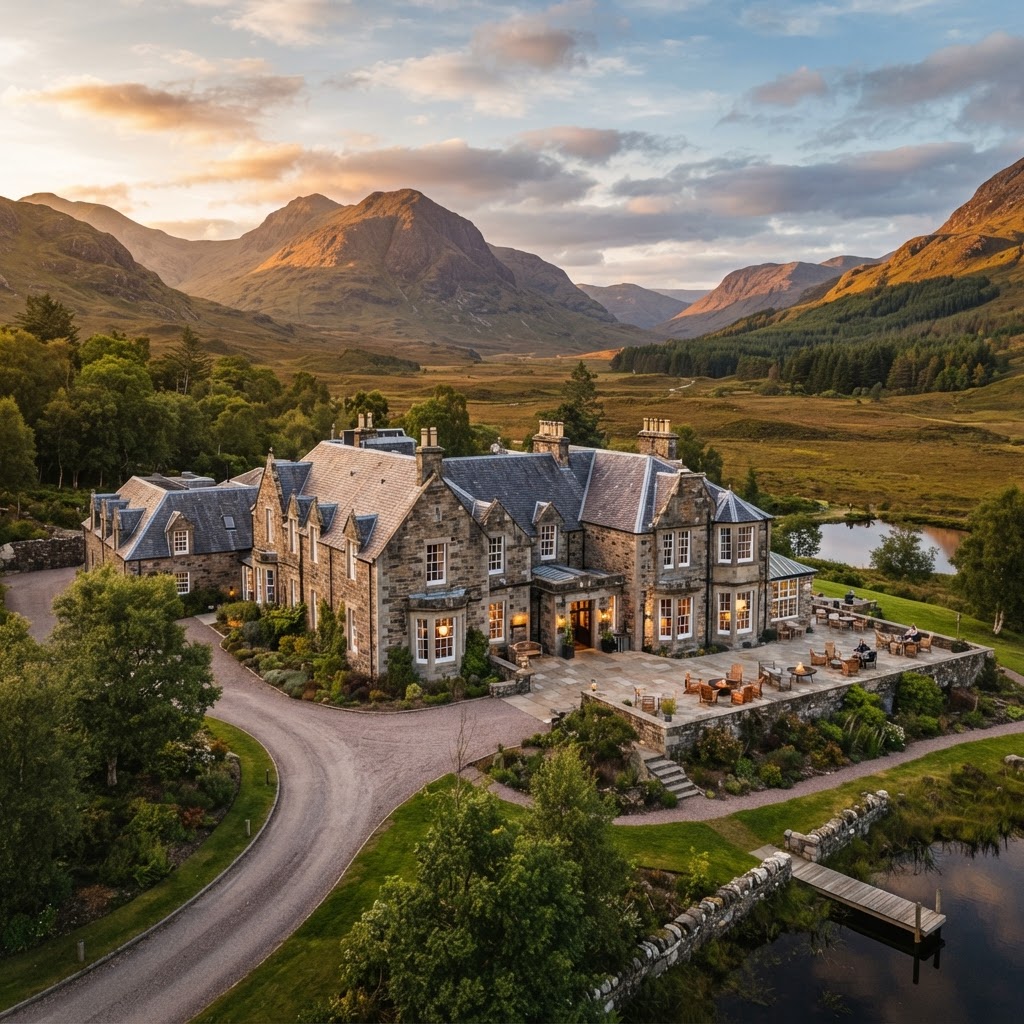
The allure of buying a boutique hotel in the Scottish Highlands is underscored by a remarkable 15-20% surge in high-value visitors from 2019 to 2024, marking it as a prime opportunity for investors. This definitive guide on how to buy a boutique hotel in the Scottish Highlands distinguishes itself by focusing on the luxury segment distinct from B&B acquisitions. Boutique hotels typically demand a significant investment ranging from £500k to £5m, require the management of 10-30 staff, and offer diversified revenue streams including rooms, fine dining, spa services, and event hosting. Our guide provides an in-depth exploration of the entire acquisition process, tailored specifically for boutique properties. We cover luxury market analysis, higher capital requirements, and the intricate due diligence necessary for elements like commercial kitchens, licensing, and staff infrastructure. Furthermore, we delve into operational strategies to ensure premium service delivery and maximize ROI in the Highland luxury market. This resource is designed for serious investors and hospitality operators poised to manage larger-scale properties. Following this introduction, you'll find a comprehensive roadmap of the guide sections, along with downloadable tools and checklists to assist your investment journey. Join us as we navigate the complexities and opportunities of this thriving market.
Key Takeaways
- Investing in a boutique hotel in the Scottish Highlands requires understanding local market dynamics and tourism trends.
- Step-by-step guidance is essential to navigate the complexities of purchasing a hospitality property in this unique region.
- Financial planning and legal compliance are critical components of a successful acquisition.
- Avoid common pitfalls by leveraging expert strategies tailored to boutique hotel investments.
- Downloadable resources and tools enhance decision-making processes for prospective buyers.
- The Scottish Highlands offer distinct attractions that boost the appeal of boutique hotels.
- Links to related guides and tools provide additional support for investors.
Understanding the Boutique Hotel Market in the Scottish Highlands
Understanding the Boutique Hotel Market in the Scottish Highlands
The boutique hotel market in the Scottish Highlands offers a unique investment opportunity, distinct from other hospitality ventures like B&Bs. This sector is defined by luxury, exclusivity, and high-end service, catering to a discerning clientele seeking more than just accommodation.
Investment Thresholds and Examples
Investing in a boutique hotel in the Scottish Highlands typically requires a significant financial commitment, with prices ranging from £500,000 to £5 million+. In contrast, B&Bs are generally more affordable, ranging from £200,000 to £800,000. For instance, a boutique hotel in the Cairngorms might be listed at £1.2 million, while a luxury property on the Isle of Skye could command a price of £3.5 million. Meanwhile, a smaller boutique establishment in the West Highlands may be available for £800,000.
Target Guest Demographics
Boutique hotels in the Highlands primarily attract international luxury travellers, wellness tourists, and experiential travellers. These guests often seek bespoke experiences, from private whisky tastings to personalized hiking tours. In contrast, domestic B&B guests typically prioritize cost-effectiveness and a homely atmosphere.
Highland Luxury Tourism Growth
Between 2020 and 2024, the luxury tourism sector in the Scottish Highlands is projected to grow by approximately 7% annually, outpacing general tourism growth. This increase is driven by a global trend towards experiential travel and the Highlands' reputation for offering unique, high-quality experiences.
Boutique Hotel Density and Occupancy Rates
The density of boutique hotels varies across the Highlands. The Cairngorms region boasts a moderate concentration of luxury accommodations, with occupancy rates averaging around 78%. The West Highlands have fewer boutique options, yet they enjoy high demand, with occupancy rates often exceeding 80%. The Isle of Skye, known for its breathtaking scenery, features several high-end boutique hotels with occupancy rates typically around 85%.
Seasonal Revenue Patterns
Luxury properties in the Highlands experience distinct seasonal revenue patterns. The peak season runs from May to September, coinciding with warmer weather and longer daylight hours. During this period, occupancy rates can soar, driving up revenue. However, the region also benefits from off-peak attractions, such as winter sports and cultural events, which help maintain a steady flow of visitors year-round.
Competitive Landscape
The competitive landscape for boutique hotels in the Highlands includes both independent establishments and small luxury chains. Independent boutique hotels often capitalize on their unique character and personalized service, while small luxury chains offer brand recognition and a consistent level of luxury. Both models can be successful, depending on the specific location and target market.
For those interested in exploring current opportunities, browse our boutique hotels for sale to find the right investment in the Scottish Highlands.
Step-by-Step Guide to Buying a Boutique Hotel
Step-by-Step Guide to Buying a Boutique Hotel
Buying a boutique hotel in the Scottish Highlands involves several critical stages. This guide provides detailed advice to help you navigate the process successfully.
1. Identify Potential Properties
Start by identifying properties that match your investment criteria. Use marketplaces like Stay4Hospitality to explore listings in the Highlands. Look for unique features that align with your vision, such as historical buildings or scenic locations.
2. Conduct a Feasibility Study
Analyze the property's potential by assessing market demand, competition, and operational costs. A feasibility study will help you determine the viability of the investment and estimate potential returns.
3. Luxury Market Positioning Research
Research the luxury market to understand how your potential acquisition can stand out. Evaluate brand differentiation opportunities and benchmark service levels against 4-5 star standards. This step ensures that your boutique hotel meets the expectations of discerning guests and can command premium pricing.
4. Operational Complexity Assessment
Assess the operational complexities unique to boutique hotels, such as spa facilities, restaurant licensing, and wedding venue capabilities. Understanding these elements will help you gauge the required investment and management expertise needed to run a successful operation.
5. Secure Financing
Explore financing options such as commercial mortgages or investment partners. Banks typically require a 20-30% down payment for hotel purchases. Consider government grants or incentives for tourism development in the region.
6. Staffing Infrastructure
Plan for recruiting 10-30 staff, considering the rural Highlands location. Address live-in accommodation requirements to attract and retain talent. For more on this, visit our boutique hotel staff accommodation guide.
7. F&B Integration Planning
Develop a strategy for integrating food and beverage services, which are crucial for guest satisfaction and revenue. Consider restaurant licensing and operational models that align with your boutique hotel's theme. Explore our F&B operation models guide for more insights.
8. Due Diligence
Conduct thorough due diligence, including property inspections, financial audits, and legal checks. Verify the hotel's compliance with local regulations and understand any zoning restrictions. Ensure luxury asset conditions, such as spa equipment, commercial kitchens, and premium furnishings, are up to standard.
9. Acquisition Structure Considerations
Evaluate different acquisition structures, including trade assets and goodwill considerations. Understand the tax implications involved. For detailed advice, read our acquisition structure guide.
10. Negotiate and Close the Deal
Work with a qualified real estate attorney to draft and negotiate the purchase agreement. Ensure that all terms are clear and favorable. Upon agreement, proceed with the closing process to finalize the acquisition.
Case Studies
Case Study 1: An investor acquired a 15-room boutique hotel in a scenic Highland location. By focusing on luxury spa services and local gourmet cuisine, they increased occupancy by 25% within the first year.
Case Study 2: A group purchased a historical property and transformed it into a boutique wedding venue. Strategic marketing and high-end service offerings led to a 30% rise in event bookings, significantly boosting annual revenue.
By following these steps, you can make informed decisions and secure a boutique hotel investment that meets your goals.
Financial Planning for Boutique Hotel Investments
Financial Planning for Boutique Hotel Investments
Successful boutique hotel acquisition in the Scottish Highlands demands rigorous financial planning that accounts for the unique characteristics of luxury hospitality properties. Unlike standard accommodation businesses, boutique hotels require substantial capital reserves, sophisticated revenue management, and careful cash flow planning to navigate Highland seasonality.
Capital Requirement Breakdown
For a £1.5 million acquisition, structure your capital as follows:
- Deposit (25-35%): £375,000-£525,000 depending on lender requirements and your financial profile
- Working capital reserve: £150,000-£200,000 to cover 6-9 months of operating expenses during ramp-up
- Refurbishment budget: £200,000-£300,000 for luxury positioning—premium bedding, bathroom upgrades, public space enhancement
- Professional fees: £45,000-£60,000 (legal, survey, valuation, broker)
- Pre-opening marketing: £25,000-£40,000 for brand positioning and initial bookings
- Total capital required: £795,000-£1,125,000
For a £3 million premium property, scale proportionally with enhanced reserves:
- Deposit: £750,000-£1,050,000
- Working capital: £300,000-£400,000 for extended stabilization period
- Refurbishment: £400,000-£600,000 for spa facilities, fine dining upgrades, luxury amenities
- Professional fees: £75,000-£100,000
- Marketing and positioning: £50,000-£80,000
- Total capital required: £1,575,000-£2,230,000
Use our property valuation tool to assess whether asking prices align with revenue potential and market comparables.
Revenue Projection Framework
Boutique hotels in the Scottish Highlands command premium rates but face pronounced seasonality. Build projections using these benchmarks:
Average Daily Rate (ADR) varies significantly by season and positioning:
- Peak season (May-September): £280-£400 for luxury properties, £180-£260 for mid-market
- Shoulder season (April, October): £200-£300 and £140-£200 respectively
- Low season (November-March): £150-£220 and £100-£150 respectively
Occupancy targets should reflect Highland patterns:
- Peak season: 70-85% for established properties
- Shoulder season: 55-70%
- Low season: 35-50%
- Annual average: 55-65% (higher than B&Bs due to corporate and event business)
Revenue per Available Room (RevPAR) benchmarks:
- Peak season: £196-£340
- Shoulder season: £110-£210
- Low season: £53-£110
- Annual average: £120-£220 depending on positioning and amenities
A 12-room boutique hotel at £200 average ADR and 60% annual occupancy generates approximately £525,600 in room revenue alone.
Operating Cost Structure
Boutique hotels carry higher operating costs than standard accommodation due to luxury service expectations:
- Staffing costs: 35-45% of total revenue (higher than B&Bs)—includes reception, housekeeping, F&B service, maintenance, management
- Food and beverage costs: 28-35% of F&B revenue if operating restaurant/bar
- Utilities: 6-8% of revenue (Highland properties face higher heating costs)
- Marketing: 8-12% of revenue for luxury segment positioning
- Property maintenance: 4-6% of revenue
- Insurance: 2-3% of revenue
- Technology and systems: 2-3% of revenue (PMS, channel manager, booking engine)
- Administrative costs: 3-5% of revenue
Total operating costs typically run 68-78% of revenue for well-managed boutique properties, leaving 22-32% EBITDA margins.
ROI Calculation Example
Consider a £1.5 million, 10-room boutique hotel acquisition with £300,000 invested in refurbishment:
Year 1: £380,000 revenue, £285,000 operating costs, £95,000 EBITDA (25% margin during stabilization)
Year 3: £520,000 revenue, £364,000 operating costs, £156,000 EBITDA (30% margin)
Year 5: £585,000 revenue, £398,000 operating costs, £187,000 EBITDA (32% margin)
With property appreciation of 15-20% over five years and cumulative EBITDA of £750,000, total return reaches £1,020,000-£1,110,000 on £900,000 invested—delivering 12-18% annualized returns. Calculate your specific scenario using our ROI calculator.
Financing Options for Boutique Hotels
Specialist hospitality lenders understand boutique hotel cash flows better than high-street banks:
- Specialist hospitality lenders: Offer 65-75% LTV with rates from 5.5-7.5%, typically requiring demonstrated hospitality experience
- Private equity partnerships: Provide 30-50% equity stakes in exchange for capital and strategic support
- SEIS/EIS schemes: For new-build or substantial renovation projects, offering tax relief to investors
- Asset-based lending: Using property value rather than cash flow, suitable for repositioning projects
- Scottish Government tourism grants: Up to £100,000 for sustainability improvements and digital infrastructure
Cash Flow Seasonality Management
Highland boutique hotels must navigate extreme seasonality:
- Maintain 9-12 months working capital to cover low-season shortfalls
- Negotiate seasonal staffing contracts to reduce fixed costs November-March
- Secure advance bookings for peak season by January to improve cash position
- Develop winter revenue streams—Christmas packages, Hogmanay events, corporate retreats
- Structure loan repayments to match seasonal cash generation where possible
- Build capital reserves during peak months for off-season maintenance and marketing
Download our Boutique Hotel Financial Planning Template (referenced in resources section) for detailed cash flow projections, sensitivity analysis, and scenario planning tools tailored to Scottish Highland properties.
Navigating Legal and Compliance Challenges
Navigating Legal and Compliance Challenges
Purchasing a boutique hotel in the Scottish Highlands requires careful attention to various legal and compliance aspects. Understanding these requirements is crucial for a smooth acquisition and operation process.
Licensing Requirements
Obtaining the necessary licenses is a foundational step. This includes a premises license if your hotel features a restaurant or bar, allowing you to serve alcohol. Additionally, consider a late hours catering license if you plan to offer services beyond standard hours. For hotels hosting events, a wedding license might be necessary. Each of these licenses involves submitting detailed applications to the relevant local council, and approval can take several months.
Planning Permissions
Boutique hotels often seek to expand or enhance their facilities. Whether planning a spa addition, building extensions, or changing the property's use from a B&B to a hotel, you'll need to navigate local planning permissions. The Highlands have stringent regulations to protect the area's natural beauty and historical sites, so engaging with local planning authorities early is advisable.
Scottish Tourism Quality Assurance Schemes
Participating in Scottish tourism quality assurance schemes can significantly enhance your hotel's reputation. These schemes offer star ratings that reflect your establishment's quality and service standards, providing assurance to potential guests and investors.
Employment Law
Operating a boutique hotel with 10-30 staff members requires adherence to UK employment laws. This includes drafting compliant employment contracts, understanding live-in accommodation regulations, and managing seasonal worker visas. Proper legal guidance ensures you meet all requirements and fosters a supportive work environment.
Health & Safety Regulations
Health and safety compliance is paramount, particularly for hotels with commercial kitchens, spa facilities, and fire safety for properties with more than ten bedrooms. Regular inspections and adherence to safety protocols protect both guests and staff, reducing liability risks.
Environmental Compliance
Environmental regulations in Scotland require boutique hotels to manage waste responsibly and maintain energy efficiency. Larger properties may need to install or upgrade septic systems. Additionally, obtaining an Energy Performance Certificate (EPC) is essential for demonstrating your property's energy efficiency and sustainability.
Legal Due Diligence Checklist
To assist in navigating these complexities, download our comprehensive legal due diligence checklist. This resource outlines all necessary steps and considerations for ensuring compliance and smooth operation of your boutique hotel in the Scottish Highlands.
By proactively addressing these legal and compliance challenges, you can mitigate risks and establish a successful boutique hotel operation in the Scottish Highlands. For more detailed guidance, visit our Complete Guide to Buying a Hotel in the Scottish Highlands.
Avoiding Common Pitfalls in Boutique Hotel Acquisitions
Acquiring a boutique hotel in the Scottish Highlands can be a rewarding investment, but there are several common pitfalls that investors should be aware of to ensure a smooth acquisition process. Understanding the local market is crucial. The Scottish Highlands present unique challenges and opportunities due to their remote location and reliance on tourism. Do thorough market research to understand seasonal demand, competition, and pricing trends.
Another pitfall is underestimating operational complexity. Boutique hotels often require personalized service and unique offerings, which can be more challenging to manage than larger, standardized hotels. Ensure that you have a detailed business plan that includes staffing needs, local supplier networks, and a robust marketing strategy tailored to attract tourists seeking an authentic Highland experience.
Legal compliance is another area where investors often stumble. Regulations around property purchases, tourism, and hospitality operations can be complex, especially in remote areas like the Highlands. It’s advisable to consult with local legal experts to navigate these regulations effectively.
Financial oversight is critical. Secure financing with favorable terms and conduct a comprehensive financial analysis. Consider the impact of currency fluctuations if you're an international investor, and set realistic ROI expectations based on historical data and future projections.
Lastly, avoid the pitfall of neglecting community engagement. Boutique hotels often thrive on local culture and community integration. Build relationships with local businesses and participate in community events to create a welcoming atmosphere that resonates with guests seeking an authentic experience.
Expert Strategies for Maximizing Return on Investment
Expert Strategies for Maximizing Return on Investment
Maximizing the return on investment (ROI) for a boutique hotel in the Scottish Highlands requires a strategic approach tailored to the luxury market. Here are expert strategies to enhance your investment:
Premium Positioning Tactics
Position your boutique hotel as a luxury destination by highlighting unique selling propositions that resonate with the Highland's allure. Emphasize exclusivity, such as picturesque views, historical significance, and bespoke guest services. These elements can significantly enhance perceived value, allowing for premium pricing.
Revenue Diversification
Diversifying revenue streams is crucial. Focus on weddings and events, which can contribute 20-30% of total revenue. The serene and scenic backdrop of the Highlands is ideal for these occasions. Additionally, offer corporate retreats and exclusive use bookings to tap into different market segments. This not only maximizes occupancy but also enhances your hotel's brand as a versatile venue.
Guest Experience Design Excellence
Invest in creating unforgettable guest experiences. Prioritize personalized service and luxurious amenities to set your hotel apart. For detailed insights, explore our guest experience design service standards and luxury benchmarks.
Dynamic Pricing Strategies
Implement dynamic pricing strategies to optimize room rates based on demand fluctuations. Use advanced analytics to adjust prices in real-time, ensuring competitive rates while maximizing revenue. This flexibility can lead to a 10-15% increase in RevPAR (Revenue per Available Room).
Partnership Development
Develop strategic partnerships with luxury travel agents, concierge services, and regional tourism boards. These alliances can enhance your hotel's visibility and attract high-end clientele. Collaborating with local businesses can also promote your property as an integral part of the Highland experience.
Operational Efficiency
Enhance operational efficiency by integrating technology systems that streamline processes and reduce costs. Invest in energy-efficient solutions, especially in historic buildings, to lower utility expenses and promote sustainability. Training staff in these technologies can lead to a 15-20% improvement in operational efficiency.
Brand Building and Digital Marketing
Build a strong brand presence through targeted digital marketing campaigns. Utilize social media to showcase your hotel's unique attributes and the beauty of the Highlands. Engage with influencers and local bloggers to expand your reach. Effective branding can increase direct bookings and reduce dependency on third-party platforms, potentially raising profit margins by 5-10%.
By implementing these strategies, you can not only maximize your ROI but also establish your boutique hotel as a leading luxury destination in the Scottish Highlands. For more insights, explore our complete guide to buying a boutique hotel in the Scottish Highlands.
Downloadable Resources and Tools for Investors
Downloadable Resources and Tools for Investors
To streamline your journey in acquiring a boutique hotel in the Scottish Highlands, Stay4Hospitality presents a comprehensive suite of resources tailored to investors. These tools are designed to offer in-depth insights and practical assistance throughout the acquisition process.
1. Highland Boutique Hotel Acquisition Checklist PDF
This 50-point due diligence checklist is an indispensable tool for prospective buyers. It covers critical areas such as property condition, necessary licenses, staffing requirements, and financial health. By using this checklist, investors can ensure a thorough evaluation, minimizing risks and maximizing the potential for a successful acquisition.
2. Financial Due Diligence Template
Our Excel spreadsheet is crafted to assist in financial analysis, featuring sections for revenue projections, cost modeling, and ROI calculations. This template enables investors to visualize potential financial outcomes, ensuring informed decision-making.
3. ROI Calculator
Access our ROI Calculator specifically designed for boutique hotel acquisitions. Input your projected revenue and expenses to obtain an accurate estimate of potential returns. This tool is essential for assessing the financial viability of your investment.
4. Property Valuation Tool
Utilize the Property Valuation Tool to determine the market value of prospective properties. This tool aids in negotiating fair purchase prices and understanding the investment's long-term value.
5. Highland Luxury Market Report 2024
Stay ahead of the curve with our Highland Luxury Market Report. It provides comprehensive insights into market trends, pricing data, and occupancy statistics, enabling investors to make strategic decisions based on the latest market dynamics.
6. Legal Compliance Checklist
Navigate the complexities of Scottish regulations with our Legal Compliance Checklist. This resource covers licensing, employment law, and other legal requirements, ensuring your investment adheres to all necessary legal standards.
7. Operational Readiness Assessment
Evaluate your property's operational readiness with this assessment tool, focusing on staffing, systems, and service standards. This ensures your boutique hotel is prepared to offer exceptional guest experiences from day one.
Explore our extensive listings of boutique hotels for sale to find your ideal investment opportunity in the Scottish Highlands. These resources are crafted to empower investors with the knowledge and tools needed to make confident and strategic investment decisions.
Next Steps: Expanding Your Hospitality Portfolio
Once you've successfully acquired a boutique hotel in the Scottish Highlands, it's time to consider how to expand your hospitality investment portfolio. Start by analyzing the performance of your new acquisition. Use data-driven insights to identify strengths and areas for improvement, which can inform decisions on future investments.
Consider diversifying your portfolio by investing in different types of properties within the hospitality sector, such as holiday rentals, glamping sites, or upscale B&Bs. This diversification can help mitigate risks associated with market fluctuations and seasonal demand variations.
Leverage your current hotel’s success to build partnerships with local businesses and tourism boards. These partnerships can provide cross-promotional opportunities and enhance your brand’s visibility in the region.
Explore expansion into other regions with similar characteristics to the Scottish Highlands. Regions that offer unique cultural experiences, natural beauty, and a steady flow of tourists can provide lucrative opportunities.
Finally, consider the potential of franchising or developing a hotel chain. If your boutique hotel model proves successful, replicating this model in other attractive locations can significantly enhance your investment portfolio. Stay4Hospitality offers tools and guidance to help you navigate these next steps effectively. Visit our Investment Expansion Guide for more detailed strategies on growing your hospitality business.
Investment Scale and Operational Complexity: Boutique Hotels vs B&Bs
Investment Scale and Operational Complexity: Boutique Hotels vs B&Bs
Investing in a boutique hotel in the Scottish Highlands is a fundamentally different decision compared to acquiring a bed and breakfast (B&B). Understanding these differences is crucial for making informed investment choices.
Capital Requirements
The financial commitment for boutique hotels is significantly higher than for B&Bs. Here's a comparison:
This substantial difference in investment scale reflects the broader scope and potential returns associated with boutique hotels.
Operational Complexity
Boutique hotels typically require a more intricate operational setup:
- Staffing: Employ 10-30 staff, including a professional General Manager (GM) and department heads.
- Facilities: Often feature restaurants, bars, spas, and event spaces.
In contrast, B&Bs are generally run by 2-4 staff, focusing primarily on providing breakfast services.
Guest Experience Expectations
Guests at boutique hotels expect luxury service standards, including:
- Concierge services
- Turndown service
B&Bs, however, offer a more informal hospitality experience, which can appeal to a different market segment.
Revenue Models
Boutique hotels benefit from multiple revenue streams:
- Room bookings
- Food and Beverage (F&B)
- Spa services
- Events and conferences
B&Bs primarily rely on room revenue, limiting their income potential compared to boutique hotels.
Regulatory Requirements
Boutique hotels must adhere to complex regulations, including:
- Full premises licenses
- Commercial kitchen standards
- Comprehensive employment law compliance
B&Bs face simpler regulatory demands, making them easier to manage for owner-operators.
Management Structure
Boutique hotels require a professional management structure with a GM overseeing operations and department heads managing specific areas. In contrast, B&Bs often operate on an owner-operator model, where the owner is directly involved in day-to-day management.
For those considering a smaller investment, explore our guide on acquiring a B&B in the Scottish Highlands. This resource offers insights tailored to smaller hospitality property acquisitions.
Understanding these distinctions helps investors align their financial and operational capabilities with their investment goals, ensuring a more strategic approach to entering the hospitality market in Scotland.
What are the key factors to consider when choosing a location for a boutique hotel in the Scottish Highlands?
When choosing a location, consider proximity to tourist attractions, accessibility, and local amenities. The Scottish Highlands offer diverse landscapes, so ens
How can I assess the potential profitability of a boutique hotel in the Scottish Highlands?
Analyze local occupancy rates, average daily rates, and revenue per available room. Compare these with operational costs to estimate profit margins. Additionall
What are the environmental and sustainability considerations for boutique hotels in the Scottish Highlands?
Environmental considerations are crucial, given the pristine nature of the Highlands. Implement sustainable practices like renewable energy, waste reduction, an
How important is it to incorporate Scottish culture and heritage into the design of a boutique hotel?
Incorporating Scottish culture and heritage can significantly enhance the guest experience. Use local materials, traditional architectural styles, and offer cul
What are the current trends in boutique hotel design that appeal to travelers in the Scottish Highlands?
Current trends include integrating modern amenities with rustic charm, offering personalized guest experiences, and using smart technology. Emphasize comfort, a
How can I finance the purchase of a boutique hotel in the Scottish Highlands?
Explore various financing options such as commercial loans, private investors, or joint ventures. Investigate government grants or incentives for tourism develo
What type of management structure is ideal for running a boutique hotel in the Scottish Highlands?
A flexible management structure is key, often blending on-site management with remote support. This allows for personalized guest services while maintaining ope
What is the typical investment range for buying a boutique hotel in the Scottish Highlands?
Boutique hotels in the Scottish Highlands typically require investments between £500,000 and £5 million+, depending on size (8-25 rooms), location, and faciliti
How many staff do I need to operate a boutique hotel in the Scottish Highlands?
Most Highland boutique hotels require 10-30 staff depending on size and service level. A typical 15-room property needs: front-of-house team (reception, concier
What makes a boutique hotel acquisition different from buying a B&B in the Highlands?
Boutique hotel acquisitions differ fundamentally in scale, complexity, and market positioning. Investment thresholds are 3-6x higher (£500k-£5m+ vs £200k-£800k)
Related Resources
- Scottish Highlands B&B Property Survey Requirements: Structural Inspections and Building Standards
- Highland B&B Energy Performance and Heating Cost Analysis for Remote Properties
- Scottish B&B Short-Term Let Licensing Application Process and Highland Council STL Permits
- Highland B&B Broadband and Digital Infrastructure Assessment for Remote Properties
- Browse All Hospitality Properties for Sale
- Complete guide to buying hotels
- Highland boutique hotel acquisition structures and tax-efficient purchase models
- Boutique hotel F&B operation models and licensing requirements
- Staff accommodation planning for remote Highland boutique hotels
- Guest experience design and service standards for Scottish boutique hotels
- How much does it cost to buy a hotel?
- What factors affect the price of buying a hotel in 2026?
- Can I get financing to buy a hotel property?
- What are the ongoing costs after buying a hotel?
- What do hotel buyers look for before making an offer?
- How long does hotel due diligence typically take?
- Free property valuation tool
- Hospitality ROI calculator
- AI business plan generator for hotel acquisitions
- Browse boutique hotels for sale
- View all hotels for sale in Scotland
Browse hospitality properties for sale | List your property | Free valuation