Discover Scotland: A Comprehensive Location Guide
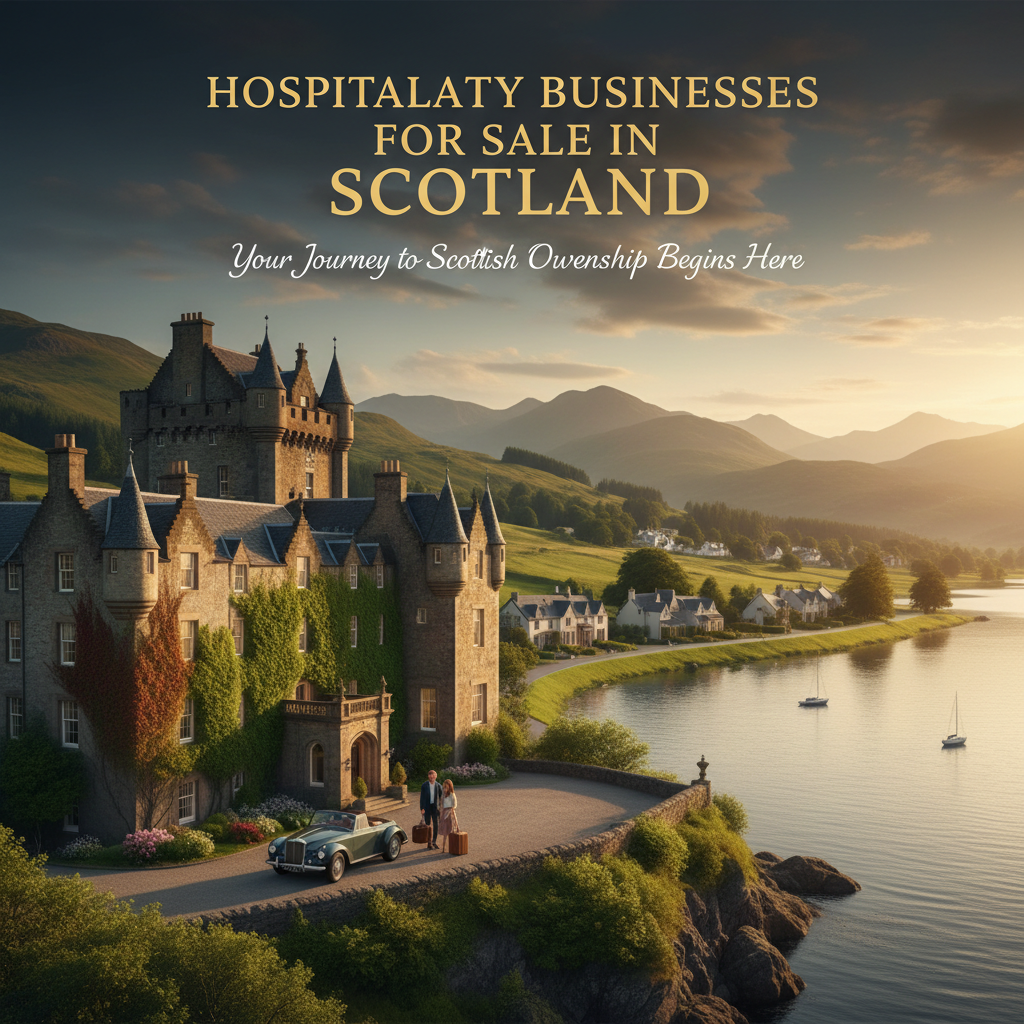
Scotland, with its dramatic landscapes, vibrant culture, and storied history, stands as both a captivating destination and a promising location for hospitality businesses for sale. The allure of Scotland's rugged Highlands, historic castles, and bustling cities like Edinburgh underpins a thriving hospitality sector. For those exploring hospitality businesses for sale, understanding Scotland's regional character and tourism patterns is essential. This comprehensive guide delves into Scotland's diverse regions, attractions, seasonal variations, and travel infrastructure, providing crucial insights for visitors and potential investors alike. From charming Highland lodges to elegant Edinburgh guesthouses, coastal hotels to whisky-trail B&Bs, Scotland offers a wealth of opportunities. Explore our guide to uncover the dynamics of Scotland's hospitality landscape and why it remains a top choice for both travelers and business owners. For more information, visit our location guide.
Key Takeaways
- Scotland is renowned for its stunning landscapes, including the Highlands and numerous lochs.
- Edinburgh, the capital, is famous for its historic and architectural landmarks.
- Scotland is home to over 100 distilleries, producing world-famous Scotch whisky.
- The best time to visit is during the late spring and early autumn for mild weather.
- Culinary delights include haggis, smoked salmon, and fresh seafood.
- Scotland's festivals, like Hogmanay and the Edinburgh Festival Fringe, showcase its vibrant culture.
Scotland's Regional Character: An Overview
Scotland's Regional Character: An Overview
Scotland's diverse regions each offer a unique blend of character and appeal, making it a captivating destination for both visitors and hospitality operators.
The Highlands The Scottish Highlands are renowned for their dramatic landscapes, featuring towering mountains, deep lochs, and expansive glens. This region is a haven for outdoor enthusiasts, offering opportunities for hiking, skiing, and wildlife spotting. The Highlands also boast a rich cultural heritage, with traditional music and dance playing a significant role in local life. For those interested in exploring further, you can explore the majesty of the Scottish Highlands.
The Islands Scotland's islands, including the Hebrides, Orkney, and Shetland, present a world of natural beauty and cultural richness. Each island group has its own distinct identity, from the rugged landscapes and Gaelic culture of the Hebrides to the archaeological treasures of Orkney. The islands are also known for their unique wildlife and stunning coastal scenery, making them ideal for nature lovers and adventure seekers.
The Central Belt Home to Scotland's largest cities, Edinburgh and Glasgow, the Central Belt is the heart of the country's cultural and economic life. Edinburgh, with its historic architecture and vibrant arts scene, contrasts with Glasgow's dynamic music and contemporary art offerings. This region is a hub for business and tourism, offering numerous opportunities for hospitality ventures, from trendy bars to luxury hotels.
The Borders The Scottish Borders are characterized by rolling hills, picturesque valleys, and a rich tapestry of history. This region is famed for its textile industry, particularly the production of high-quality tweed. Visitors can explore charming market towns, historic abbeys, and scenic walking routes, making it an appealing destination for those seeking a tranquil escape.
The Northeast Known for its rich agricultural land and stunning coastline, the Northeast of Scotland is a region of contrasts. From the bustling city of Aberdeen to the quaint fishing villages along the Moray Firth, this area offers a blend of urban and rural experiences. The Northeast is also home to some of Scotland's most famous whisky distilleries, adding a flavorful dimension to its appeal.
Each of these regions presents unique opportunities for both visitors and hospitality operators, promising diverse experiences and business prospects. Whether you're drawn to the rugged beauty of the Highlands or the cultural vibrancy of the Central Belt, Scotland's regions offer something for everyone.
Getting Around Scotland: Transport for Visitors and Operators
Getting Around Scotland: Transport for Visitors and Operators
Navigating Scotland's diverse landscapes is made accessible through a well-developed transport infrastructure, crucial for both visitors and hospitality operators. Whether you're planning a scenic holiday or managing a hospitality business, understanding Scotland's transport options is essential.
Air Travel: Scotland is served by four major international airports: Edinburgh, Glasgow, Aberdeen, and Inverness. These hubs connect Scotland to numerous global destinations, facilitating easy access for international tourists. Domestic flights also link these airports to remote areas like the Outer Hebrides and Orkney Islands, which is particularly beneficial for operators looking to expand or manage properties in these scenic, yet isolated locations.
Rail Networks: The rail network, operated by ScotRail, is extensive and includes some of the most scenic routes in the UK. The West Highland Line and Kyle of Lochalsh Line offer breathtaking views, connecting cities like Glasgow to remote areas such as Mallaig and Kyle of Lochalsh. The line from Edinburgh to Inverness is another vital route, linking the capital to the heart of the Highlands, enhancing accessibility for both tourists and businesses.
Ferry Services: Scotland's ferry services are crucial for reaching its many islands. Operators like Caledonian MacBrayne provide regular services to destinations such as the Isle of Skye and the Outer Hebrides. These ferries are not only vital for tourism but also support the logistics of hospitality businesses operating in these regions.
Driving Considerations: For those preferring to explore by car, Scotland offers a network of A-roads and more challenging single-track roads, particularly in the Highlands. The iconic North Coast 500 route is a favorite for its dramatic landscapes and quaint villages. However, hospitality operators should consider the impact of road accessibility on trading locations, as remote properties may require additional logistics planning.
Impact on Hospitality Trading Locations: Accessibility is a key factor in the success of hospitality businesses. Proximity to major transport routes can significantly influence customer footfall and operational logistics. For instance, properties near major airports or rail stations often enjoy higher occupancy rates due to ease of access. Conversely, businesses in remote areas may attract niche markets, such as adventure tourists seeking seclusion, but must plan for potential logistical challenges.
By understanding and leveraging Scotland's transport infrastructure, both visitors and hospitality operators can enhance their experience and operations, ensuring that they make the most of what this stunning country has to offer.
For more insights on Scotland's hospitality opportunities, explore our property listings.
Scotland's Diverse Attractions: A Regional Snapshot
Scotland's Diverse Attractions: A Regional Snapshot
Scotland offers a rich tapestry of attractions, each region brimming with unique experiences. For those captivated by cultural celebrations, discover Scotland's cultural festivals that showcase the vibrant traditions and lively spirit of the Scots. History enthusiasts can step through Scotland's ancient landmarks to uncover stories from the past that have shaped the nation.
For adventure seekers, Scotland's rugged coastline promises exhilarating coastal adventures, from cliffside walks to wildlife spotting. Whisky aficionados will relish the opportunity to tour Scotland's legendary distilleries, where the art of whisky-making is revealed in depth.
The breathtaking Highland landscapes offer a serene escape, with towering peaks and tranquil lochs inviting exploration. Lastly, journey through Scotland's iconic castles to experience the grandeur and mystery of these historic fortresses. Each of these topics is explored in detail in our dedicated guides, ensuring a comprehensive understanding of what Scotland has to offer.
Seasonal Trading Patterns and Visitor Peaks
Seasonal Trading Patterns and Visitor Peaks
Scotland's diverse climate and rich cultural calendar make it a captivating destination year-round. Understanding the nuances of each season is crucial for both visitors and hospitality businesses looking to thrive in this dynamic market.
Spring Awakening (March to May): As Scotland shakes off winter, the landscape comes alive with vibrant blooms and milder temperatures, averaging 7 to 13°C. This period is perfect for exploring gardens, such as those at Inveraray Castle, and engaging in outdoor activities before the summer influx. For hospitality businesses, spring offers a chance to prepare for the busy months ahead. While occupancy rates start to climb, staffing needs remain moderate, allowing businesses to focus on maintenance and strategic planning.
Peak Summer Season (June to August): The summer months draw the largest crowds, with daylight stretching up to 17 hours in June. This is the prime time for festivals like the Edinburgh Festival Fringe and outdoor adventures in the Cairngorms. Temperatures range between 15 to 20°C, though occasional rain showers are not uncommon. For hospitality operators, summer requires maximum staffing and inventory to accommodate high occupancy rates. Seasonal businesses thrive, though year-round establishments may face challenges in managing the surge.
Autumn Charm (September to November): Autumn paints Scotland's landscapes in stunning hues, making locations like the Trossachs National Park particularly picturesque. Temperatures cool to 8 to 14°C, creating ideal conditions for photography and wildlife watching, particularly the red deer in Glen Coe. The shoulder season offers a reprieve from summer's hectic pace, with reduced crowds and a shift in trading patterns. Businesses can adjust staffing levels and explore targeted promotions to attract off-peak visitors.
Winter Challenges and Opportunities (December to February): Despite the cold, with temperatures from 0 to 5°C, winter in Scotland has its own allure. The Highlands become a snowy wonderland, perfect for skiing in Aviemore. The festive season, highlighted by Hogmanay, is a significant draw, especially in Edinburgh. Hospitality businesses must navigate reduced daylight and potential weather-related closures, particularly in remote areas. However, winter sports and festive events offer unique opportunities to attract visitors. Year-round establishments can capitalize on these activities, while seasonal businesses may opt for temporary closures or reduced operations.
Each season in Scotland presents distinct trading considerations, influencing occupancy patterns, staffing requirements, and operational strategies. By aligning with the seasonal ebb and flow, hospitality businesses can maximize their appeal and profitability in this enchanting destination.
Savouring Scottish Cuisine and Culture
Savouring Scottish Cuisine and Culture
Scotland's cuisine is a captivating blend of tradition and innovation, deeply rooted in its rugged landscapes and seafaring heritage. Haggis, perhaps the most emblematic of Scottish dishes, is a savoury pudding that typically combines sheep's offal with oatmeal, suet, and spices. Traditionally served with 'neeps and tatties' (turnips and potatoes), it’s a must-try for any visitor seeking an authentic Scottish experience.
For seafood enthusiasts, the coastal regions offer an abundance of fresh catches. The Isle of Skye, in particular, is renowned for its shellfish, with local restaurants serving dishes featuring freshly caught langoustines, scallops, and oysters. Arbroath Smokies, a type of smoked haddock, is another regional delicacy, originating from the fishing town of Arbroath on the east coast.
The Scottish love for sweets is evident in desserts like Cranachan, a delightful concoction of whipped cream, whisky, honey, raspberries, and toasted oats. Meanwhile, the shortbread, a buttery biscuit, is a staple that has gained global recognition.
Scotland’s food and drink heritage not only satisfies the palate but also creates compelling opportunities for hospitality entrepreneurs. The country's rich whisky tradition enhances dining experiences, with many establishments offering curated whisky pairings alongside traditional meals. Coastal towns present lucrative prospects for seafood restaurants, capitalizing on the local bounty. Additionally, the rise of farm-to-table dining highlights Scotland's artisan producers, offering fresh, locally-sourced ingredients that attract foodies from near and far.
Scotland's culture is equally rich and varied, often celebrated through its music and festivals. The Edinburgh Festival Fringe, the world’s largest arts festival, transforms the city every August with a vibrant array of performances. Traditional music thrives in many areas, particularly in the Highlands, where ceilidhs (social gatherings with folk music and dancing) continue to bring communities together.
Whisky tasting is an integral part of Scottish culture, with distilleries scattered across the country. The Speyside region, part of the famous Malt Whisky Trail, offers tours and tastings at numerous distilleries, where you can learn about the intricate process of crafting Scotland’s ‘water of life'.
Overall, Scotland’s cuisine and culture offer an enticing journey for the senses, where every bite and note tells the story of its people and heritage. For those considering entering the hospitality industry, Scotland provides a rich tapestry of opportunities, from whisky-trail B&Bs to farm-to-table dining ventures, making it a vibrant landscape for culinary and cultural exploration.
Beyond the Cities: Scotland's Charming Villages
Beyond the Cities: Scotland's Charming Villages
While Scotland's cities like Edinburgh and Glasgow are bustling with life and modernity, the picturesque villages truly capture the essence of Scottish charm. These quaint locales offer unique experiences and thriving hospitality opportunities, driven by their community spirit and authenticity.
Plockton, nestled amid the Highlands, is renowned for its stunning coastal views and unexpected palm trees, thanks to the mild climate brought by the Gulf Stream. This village is a tranquil escape with opportunities for kayaking and hiking, making it a perfect base for outdoor enthusiasts. Local hospitality thrives here, with cozy inns and B&Bs offering personalized service and a warm welcome.
On the Isle of Mull, Tobermory is famous for its vibrant waterfront buildings. This village is a hub for outdoor activities such as whale watching tours and scenic walks around Aros Park. The local distillery invites visitors to sample its unique single malt whisky, adding a dash of local flavor to the experience. The strong community ties and the village’s picturesque setting make it a magnet for tourists and a promising spot for hospitality ventures.
In the Central Belt, Culross on the banks of the Firth of Forth offers a step back in time. Its cobbled streets and 17th-century buildings have made it a favorite for film and TV productions, including the popular series *Outlander*. Visitors can explore Culross Palace, with its beautifully restored period rooms and gardens. The village's historical allure and charming accommodations make it an attractive destination for cultural tourists and history buffs alike.
In the Borders, Melrose is a picturesque village known for its stunning abbey ruins and vibrant community events. The village is a gateway to the Eildon Hills, offering hiking opportunities and breathtaking views. Melrose’s hospitality scene is characterized by welcoming guest houses and local eateries that celebrate Scottish cuisine, making it a delightful stop for gastronomes and adventurers.
Each of these villages offers its own unique slice of Scottish life, providing a peaceful retreat from the hustle and bustle of city life. They not only reveal Scotland's natural beauty but also its enduring community spirit and cultural heritage, making them ideal locations for those looking to invest in or enjoy the hospitality sector. For more insights into Scotland's village charm and hospitality opportunities, explore our hospitality businesses for sale in Scotland.
Staying in Scotland: Hospitality Insights
Scotland's hospitality landscape is as diverse as its terrain, offering everything from luxury castles to cozy bed-and-breakfasts. Edinburgh and Glasgow feature a broad spectrum of accommodations, including high-end hotels like The Balmoral and Kimpton Blythswood Square Hotel, blending historic charm with modern amenities.
In the Highlands, options range from rustic lodges to sophisticated retreats. The Torridon Hotel, for instance, offers a luxurious stay with breathtaking views of Loch Torridon, perfect for those seeking both adventure and relaxation.
The Isle of Skye is renowned for its scenic beauty and offers unique accommodations such as Skye Eco Bells, an eco-friendly glamping site that provides a comfortable yet sustainable experience. Here, visitors can immerse themselves in nature while enjoying panoramic views of the Cuillin mountains.
For a more local experience, many travellers opt for guesthouses or B&Bs, where they receive a warm welcome and insider tips from their hosts. Staying in these accommodations often provides a more personal touch and an opportunity to learn about the local culture and traditions.
With Scotland's growing popularity as a tourist destination, the hospitality market presents intriguing opportunities for investment. The increasing number of visitors has spurred interest in developing new properties and renovating historic buildings into charming hotels or inns, making it an exciting time for those considering entering the hospitality sector in Scotland.
Whether you're looking for a luxury getaway or a quaint countryside retreat, Scotland's hospitality offerings cater to every traveller's needs, ensuring a memorable stay in this enchanting part of the world.
Hospitality Investment in Scotland
Hospitality Investment in Scotland
Scotland presents a compelling opportunity for hospitality investors, driven by its robust tourism industry and diverse geographical appeal. With over 15 million annual visitors, both international and domestic, the country offers a steady stream of potential guests throughout the year. This makes Scotland an attractive destination for those looking to invest in hospitality businesses for sale.
Popular Property Types by Region
- Highlands: Known for its stunning landscapes, the Highlands are ideal for lodges and sporting estates. These properties cater to outdoor enthusiasts and those seeking a retreat in nature.
- Edinburgh and Glasgow: As vibrant urban centers, these cities are perfect for guesthouses and boutique hotels. Their rich cultural scenes and business hubs attract a diverse clientele.
- Islands: Hotels and self-catering accommodations thrive in the island regions, appealing to visitors looking for unique and remote experiences.
- Speyside: The heart of Scotland's whisky trail, Speyside is home to many B&Bs that capitalize on the area's distillery tours.
- Rural Areas: Pubs and inns are popular in Scotland's rural settings, offering a taste of local culture and hospitality.
- Coastal Regions: Restaurants along the coast benefit from fresh seafood and picturesque views, drawing both tourists and locals.
Seasonality and Business Models
The seasonality of tourism in Scotland impacts business models and property valuations. While summer months see a surge in visitors, winter attracts those interested in seasonal activities like skiing. Investors should consider these fluctuations when evaluating potential returns. Utilize our property valuation tool and ROI calculator to make informed decisions.
Licensing Considerations
Understanding Scottish licensing is crucial for investors. Each region has its own licensing board, which governs the sale of alcohol and operating hours. For detailed information, refer to the Scottish Government licensing page.
Investor Interest
Scotland's hospitality market attracts both domestic and international investors, drawn by the country's unique cultural heritage and economic stability. Whether you're interested in browse hotels for sale, bed and breakfasts for sale, or pubs for sale in Scotland, Scotland offers diverse business opportunities to suit various investment strategies.
Planning Your Scottish Experience
Planning Your Scottish Experience
Embarking on a journey through Scotland promises a tapestry of stunning landscapes, rich history, and vibrant culture. To make the most of your visit, consider these trip planning essentials. Booking accommodation well in advance is crucial, especially during peak seasons like summer and the festive Hogmanay celebrations. Scotland's weather can be unpredictable, so maintaining a flexible itinerary allows you to adapt to the occasional rain shower or sudden sunshine.
Scotland's robust infrastructure supports both travelers and hospitality operators, with efficient transport links such as the extensive rail network and regional airports making even the most remote areas accessible. This connectivity is beneficial for those considering investing in the hospitality sector, ensuring properties are easily reachable for guests.
Whether you're drawn to the bustling streets of Edinburgh or the serene beauty of the Highlands, each region offers unique itineraries to explore. From whisky trails in Speyside to coastal adventures in the Outer Hebrides, there's something for every traveler.
For those inspired to delve deeper into the Scottish hospitality market, explore a variety of properties for sale across Scotland's regions, ranging from charming B&Bs to luxurious hotels. To further enrich your travel plans, feel free to explore more UK location guides.
Planning a visit or investment in Scotland not only promises an enriching experience but also opens doors to a vibrant hospitality market ripe with opportunity.
Frequently Asked Questions
What are the must-see attractions in Scotland?
Key attractions include Edinburgh Castle, the Isle of Skye, and the historic city of Stirling. Nature enthusiasts will enjoy the Cairngorms National Park and Loch Ness. Each location offers a unique glimpse into Scotland's history and natural beauty.
How can I travel around Scotland?
Scotland's extensive rail network connects major cities and towns, while regional buses serve more remote areas. Car rentals are popular for exploring the Highlands and islands at your own pace. Ferries provide access to Scotland's many islands.
When is the best time to visit Scotland?
The best time to visit is between late spring (May) and early autumn (September), when the weather is generally mild. Summer offers long daylight hours, but popular tourist spots can be busy. Winter brings a chance to experience Scotland's festive spirit.
What traditional Scottish foods should I try?
Don't miss trying haggis, a savory pudding, and sampling local seafood like salmon and scallops. For a sweet treat, enjoy shortbread or cranachan, a dessert with raspberries, cream, and whisky.
Are there any cultural festivals in Scotland?
Yes, Scotland hosts several renowned festivals, including the Edinburgh Festival Fringe, the Highland Games, and Hogmanay. These events celebrate Scottish culture through music, dance, and traditional sports.
What should I know about the hospitality market in Scotland?
The hospitality market in Scotland is diverse, with opportunities ranging from historic inns to modern boutique hotels. Interest in purchasing properties has grown, particularly in scenic areas like the Highlands and coastal regions.
What regions of Scotland are most popular for hospitality businesses?
The Scottish Highlands and Islands attract buyers seeking lodges, hotels, and self-catering properties in stunning natural settings with strong tourism appeal. Edinburgh and Glasgow offer urban guesthouse and boutique hotel opportunities with year-round demand. The Speyside whisky region supports B&Bs and inns catering to distillery tourists. Coastal areas like the West Coast and Fife provide restaurant and hotel locations with seafood and scenic appeal. Each region offers distinct trading patterns, seasonality, and property types suited to different investment strategies.
How does seasonality affect hospitality businesses in Scotland?
Most Scottish hospitality businesses experience peak trading from June to August, with strong shoulder seasons in spring and autumn. Winter (November-March) brings challenges in remote areas due to weather and reduced daylight, though cities maintain year-round demand and winter events like Hogmanay drive short-term peaks. Many Highland and island properties operate seasonally (Easter-October), while urban and whisky-trail businesses often trade year-round. Understanding regional seasonality is crucial for buyers assessing revenue potential, staffing models, and cash flow patterns when evaluating Scottish hospitality properties.
What makes Scotland attractive for hospitality investment?
Scotland combines strong domestic and international tourism, diverse regional appeal (from Highland wilderness to historic cities), and a robust hospitality culture spanning hotels, B&Bs, pubs, and restaurants. The country attracts over 15 million visitors annually, drawn by castles, whisky, festivals, and landscapes. Infrastructure including airports, rail, and ferry networks supports accessibility. Scotland's licensing framework is well-established, and the market offers property types from rural lodges to urban guesthouses. Seasonal trading patterns allow for lifestyle businesses or year-round operations depending on location and business model, appealing to a wide range of investors.
Hotels for sale in Scotland | B&Bs for sale | Sell your property
Explore the Area Around Hospitality
Things To Do — Stay4Exploring
Can't see the explorer? View attractions on Stay4Exploring →