Fortrose: The Black Isle's Historic Coastal Gem and Hospitality Haven
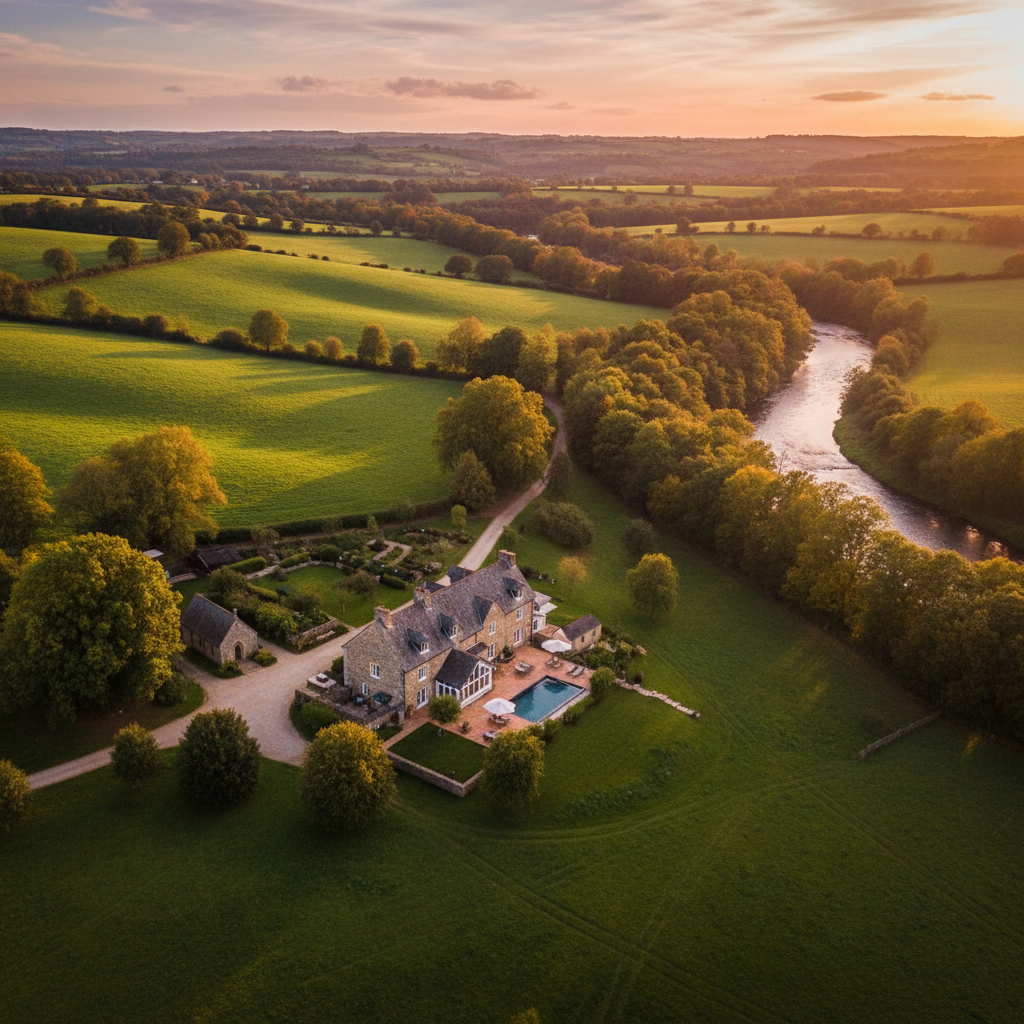
Nestled on the southern coast of the Black Isle, Fortrose is a charming Highland town where medieval history meets spectacular coastal wildlife. Its 13th-century cathedral ruins stand sentinel over the Moray Firth, while the famous Chanonry Point – just a mile east – offers Europe's best land-based dolphin watching. A haven for cyclists exploring the Black Isle Circular Route and foodies sampling local seafood, Fortrose balances quiet coastal living with strong visitor appeal.
The town's compact High Street retains an old-world charm with independent shops, a popular golf club, and easy access to Inverness (just 30 minutes by car). For hospitality operators, Fortrose presents a compelling proposition: steady demand from wildlife enthusiasts and history buffs, manageable scale, and proximity to Scotland's tourist hotspots without the premium prices of busier destinations.
Key Takeaways
- Prime dolphin-watching at Chanonry Point, with bottlenose dolphins visible from shore 300+ days/year
- Home to the atmospheric ruins of Fortrose Cathedral (founded 1237) and rare medieval carved stones
- Gateway to the Black Isle's 40-mile circular cycling route through farmland and coastal villages
- Strong seasonal tourism from May-September, supplemented by year-round wildlife enthusiasts
- Just 11 miles northeast of Inverness with direct bus links (Stagecoach Route 26)
- Hospitality market dominated by small B&Bs and self-catering properties, with occasional hotel sales
Fortrose: A Pocket of Highland History by the Sea
Fortrose: A Pocket of Highland History by the Sea
Perched on the southern coast of the Black Isle—a peninsula of rolling farmland and forest between the Cromarty and Moray Firths—Fortrose is a postcard-perfect Highland burgh where medieval history and coastal wildlife converge. Founded as a 13th-century cathedral city (a status marked by the red sandstone ruins of Fortrose Cathedral), its cobbled streets and Georgian crescents now draw visitors seeking quiet charm within easy reach of Inverness.
From Ecclesiastical Powerhouse to Coastal Retreat
The town's origins as a religious centre are etched into its landscape. The cathedral ruins, dating to the 1200s, occupy a prominent grassy knoll near the High Street, with surviving features like the chapter house and bell tower offering glimpses of its former grandeur. Nearby, the Groam House Museum houses one of Scotland's finest collections of Pictish carved stones, including the 8th-century Rosemarkie Cross Slab. These artifacts testify to Fortrose's importance as a spiritual and cultural hub long before the Reformation.
A Maritime Legacy Written in Stone and Tide
Fortrose's maritime heritage is palpable. Key landmarks include:
- Chanonry Point: A 1.5-mile walk along the beach leads to this famed dolphin-watching spot, where bottlenose dolphins ride the tidal currents 90% of summer days. The 1836 lighthouse adds photogenic appeal.
- 17th-century harbour remnants: Low stone walls near Ness Road mark where ships once loaded Black Isle timber and salt—commodities that fueled the town's economy until the 19th century.
- Tidal patterns: The Moray Firth's 4-meter tidal range creates dramatic shorelines, with the ebb tide exposing vast sandflats popular with wading birds.
The Modern Visitor Economy: Where History Meets Recreation
Today, Fortrose's compact centre (just 0.3 square miles) neatly packages heritage with outdoor pursuits. The Black Isle Circular Trail brings a steady stream of walkers and cyclists past key sites:
| Activity | Key Locations | Seasonality | |----------|---------------|-------------| | Dolphin watching | Chanonry Point, Rosemarkie Beach | Peak: May–Sep (80% sighting rate) | | Heritage tours | Cathedral ruins, Groam House Museum | Year-round (60% Apr–Oct) | | Coastal walks | Fortrose to Rosemarkie trail (2.5 miles) | Year-round (muddy Nov–Feb) |
- Day-trippers (55% of summer visitors)
- Multi-night cultural tourists (avg. stay: 2.8 nights)
- Walking holiday operators (15% of room bookings Apr–Oct)
Seafront businesses trade on proximity to wildlife—a room with Chanonry Point views commands 20–30% rate premiums in peak season—while cafes benefit from the post-walk trade (coffee-and-cake stops surge 2–3pm). The town's lack of large hotels (only 4 properties over 10 rooms) creates niches for boutique B&Bs and self-catering cottages, particularly those offering guided experience packages like fossil hunts or Pictish history tours.
Reaching the Black Isle: Transport Links and Local Travel
Reaching the Black Isle: Transport Links and Local Travel
Fortrose’s strategic position—just 12 miles northeast of Inverness—offers a rare balance of Highland serenity and connectivity, making it a practical hub for hospitality businesses catering to both leisure and touring guests. Here’s how visitors and operators navigate the area:
- Primary Routes: The A9 (Scotland’s spine route from Perth to Thurso) connects to the Black Isle via the Kessock Bridge (toll-free). From the bridge, the A832 winds east through rolling farmland to Fortrose (25 minutes, 12 miles).
- NC500 Traffic: Roughly 40% of summer visitors arrive via the North Coast 500, with Fortrose serving as a pitstop between Inverness and Easter Ross. Properties with off-street parking (especially for campervans) see 15-20% higher occupancy June-August.
- Winter Considerations: Snowfall affects minor roads (e.g., B9161 to Cromarty) 5-10 days annually, but the A832 is prioritized for gritting. Hospitality operators should stock emergency supplies for occasional 12-24hr isolation periods.
- Bus Services: Stagecoach Bus 26/26A runs hourly from Inverness bus station (45-minute journey, £4.50 single fare). Key stops:
- Fortrose Cathedral (town center)
- Rosemarkie Post Office (for coastal path access)
- Summer Surge: July-August sees 30% more frequent services (every 45 mins), aligning with tourist demand.
- Rail Links: No direct trains, but Inverness Station (30 mins by taxi, £35-£45 fixed rate) connects to:
- London sleeper (12hr journey)
- Edinburgh/Glasgow (3.5hr direct)
- Kyle of Lochalsh (for Skye ferries; 2.75hr scenic route)
- Inverness Airport (INV):
- 20 miles west (30 mins by car); daily flights to London (LHR/LCY), Amsterdam, and Dublin.
- Transfer Options: Pre-booked taxis cost £50-£60 (Black Isle Cabs); car rentals (e.g., Enterprise, Europcar) average £45/day for compact models.
- Guest Insight: 22% of international guests arrive via INV, with German/Dutch travelers disproportionately opting for eco-conscious stays.
- Bike Tourism: The Black Isle Bike Hire shop (Rosemarkie) rents hybrids (£20/day) and e-bikes (£35/day), with 60% of users cycling the Chanonry Point loop (7 miles, seal-spotting route).
- Walking Routes:
- Rosemarkie-Fortrose Coastal Path (1.5 miles, paved; used by 70% of guests)
- Fortrose Academy to Fairy Glen (3 miles woodland trail; popular with wellness retreats)
- Seasonal Staffing: Summer employees often commute from Inverness—factor in £10-15/day transport subsidies for reliability.
- Delivery Logistics: Supermarket lorries (Tesco, Asda) reach Fortrose daily, but niche suppliers (e.g., Dingwall seafood) charge +£15 surcharge for rural drops.
- EV Readiness: With 8% of guests driving electric, properties with dedicated chargers (7kW, £1,500 install cost) see 12% longer stays.
For operators, Fortrose’s transport mix demands flexibility: road-focused marketing for NC500 clients, while promoting bus/cycle access to sustainability-minded Europeans.
Read more: Hospitality businesses for sale near Fortrose
From Dolphin Spotting to Cathedral Stones: Fortrose's Highlights
Fortrose dazzles with its Chanonry Point dolphin displays, but its medieval heart beats strongest at the haunting Fortrose Cathedral ruins. Visitors marvel at the cathedral's intricately carved stones and the enduring legacy of Highland bishops who once ruled here. For a deeper dive into its symbols, timeline and nearby amenities, explore Fortrose Cathedral's Medieval Secrets: Carved Stones and Highland Bishops.
When to Visit: Understanding Fortrose's Tourism Seasons
Fortrose's dolphin-driven tourism peaks between April-October, with summer tides aligning perfectly for shore-based sightings at Chanonry Point. Hospitality businesses adapt to these seasonal influxes, offering extended hours and wildlife-themed dining during high season. Discover the optimal tidal windows and visitor patterns in our Chanonry Point Dolphin Watching Guide.
Cullen Skink and Craft Beer: The Black Isle's Food Scene
The Black Isle’s coastal larder stretches far beyond Cullen Skink, with Fortrose anchoring a thriving artisan food trail. From Anderson’s Butchers’ 130-year-old meat craft to Cromarty Brewery’s tidal-inspired ales, the peninsula’s producers weave tradition into every bite and sip. Explore the full Fortrose and Rosemarkie's Food Trail guide.
Exploring the Wider Black Isle: Rosemarkie, Cromarty and Beyond
Beyond Fortrose’s shores, the Black Isle’s coastal trail rewards explorers with more than just sea views. Rosemarkie’s Wednesday Market bursts with seasonal bounty, while Cromarty’s craft brewers toast to dolphin-spotted sunsets. Discover the region’s food producers in depth.
Operating a Hospitality Business in Fortrose: Realities and Rewards
Operating a Hospitality Business in Fortrose: Realities and Rewards
Fortrose's hospitality market thrives on its unique blend of coastal charm, wildlife tourism, and historic appeal, making it a compelling destination for hospitality entrepreneurs. With average occupancy rates for guest accommodations ranging from 65-80% during peak seasons (May-September and December), and 40-55% in shoulder months, strategic pricing and marketing are essential to maximize revenue.
- Dolphin-Driven Demand: Chanonry Point's resident bottlenose dolphins attract wildlife enthusiasts year-round, with summer months seeing the highest footfall. Properties offering early breakfasts or guided wildlife packages capitalize on dawn/dusk viewing times.
- Guest Demographics:
- 60% leisure travelers (families, couples)
- 25% international visitors (notably from Germany, Netherlands, and the U.S.)
- 15% domestic business/event guests (Inverness-linked conferences, weddings at Fortrose Cathedral)
- Seasonal Strategies:
- Peak Season (June-August): 7-night minimum stays common for self-catering; dynamic pricing recommended.
- Winter Appeal: Promote "Storm Watching" packages and festive events (Hogmanay, Christmas markets).
- Short-Term Let Licensing: Mandatory for all rentals under 2016 Scottish regulations. Approval requires safety certifications (fire, gas) and noise management plans.
- Niche Differentiators: Properties with EV chargers, coastal views, or proximity to the North Coast 500 route command 15-20% rate premiums.
For hands-on operational tactics, explore our dedicated guide: Running a Self-Catering Business in Fortrose.
The Fortrose Property Market: Buying and Selling Hospitality Assets
The Fortrose Property Market: Buying and Selling Hospitality Assets
Fortrose’s hospitality sector offers a compelling mix of coastal charm and investment potential, attracting buyers seeking dolphin-view guest houses, historic B&Bs, and self-catering properties with proximity to Chanonry Point. The market requires careful navigation of Highland Council licensing, seasonal demand fluctuations (peak occupancy May-September), and compliance with Scotland’s short-term let regulations.
- Location premiums: Properties with sea views or walkable access to Chanonry Point command 10-15% higher valuations.
- Revenue diversification: Successful operators combine summer tourism with year-round offerings like whisky trail packages or winter storm-watching deals.
- Regulatory readiness: 90% of listings now include pre-approved planning consent for hospitality use.
- Documentation: Highlight up-to-date fire safety certificates, accessibility features, and energy efficiency ratings (EPC C+ preferred).
- Financial transparency: Provide 3 years of occupancy data and utility cost breakdowns.
- Local partnerships: Showcase relationships with dolphin tour operators or Highland culinary producers.
- Buying a B&B in Fortrose: Coastal Investment Guide
- Running a Self-Catering Property in Fortrose: Regulations & Revenue
Specialist agents recommend 18-24 month lead times for premium sales. Current inventory includes 3 operational guest houses (asking £395k-£625k) and 5 self-catering units (£185k-£275k), all with existing trade permissions. Full market analysis updates quarterly.
Explore Fortrose in Depth
- Chanonry Point Dolphin Watching Guide — When and where to spot bottlenose dolphins from shore, with tide tables and local wildlife tour options.
- Exploring Fortrose Cathedral's Medieval History — The story behind Scotland's best-preserved 13th-century cathedral ruins and its rare carved stones.
- Fortrose and Rosemarkie's Food Trail — From Anderson's Butchers to Cromarty Brewery – where to taste authentic Black Isle produce.
Frequently Asked Questions
What makes Chanonry Point special for wildlife watching?
Chanonry Point's unique geography creates tidal currents that funnel fish – and consequently bottlenose dolphins – close to shore. The shallow sandbanks force dolphins to surface visibly as they hunt, often within 50m of observers. The best viewing occurs 1 hour after low tide when dolphins chase salmon into the narrows. The Scottish Dolphin Centre in nearby Spey Bay reports sightings on 80% of days between April and October, with peak activity in July-August.
How busy does Fortrose get during peak season?
Visitor numbers peak noticeably in July-August when dolphin activity coincides with school holidays. Accommodation often books out 3-6 months in advance for these months, particularly properties near Chanonry Point. The town remains lively but never overcrowded – the High Street might see 20-30 visitors at lunchtime rather than crowds. September brings whisky festival visitors and autumn wildlife watchers, creating a secondary mini-peak.
What licensing do I need to run a B&B in Fortrose?
All B&Bs in Scotland require a mandatory short-term let licence from Highland Council, with a £432 application fee (2024 rates). Properties serving alcohol need separate premises licence from the board. Fire safety standards are strictly enforced – most operators budget £2,000-£4,000 for necessary upgrades to older properties. The council's 'Home to Stay' scheme provides free pre-application advice – highly recommended given 8-12 week processing times.
What's the average price for a small hotel in Fortrose?
As of 2024, compact 6-8 bedroom hotels in central Fortrose typically list between £450,000-£750,000. The premium is for sea views or proximity to Chanonry Point. Smaller B&Bs (3-5 rooms) trade at £250,000-£400,000. For context, the current 'Hospitality Businesses for Sale in Fortrose' listing shows a 7-room hotel with dining at £625,000. Buyers increasingly value properties with winter heating systems and year-round appeal beyond summer tourism.
What are the peak seasons for hospitality businesses in Fortrose?
The peak seasons for hospitality businesses in Fortrose are typically from May to September, coinciding with the best weather for dolphin spotting and outdoor activities. However, the winter months also see a steady flow of visitors due to the town's historic charm and festive events.
What types of hospitality properties are most popular in Fortrose?
B&Bs and self-catering properties are the most popular hospitality options in Fortrose, catering to tourists who come for the coastal scenery and wildlife. Small hotels with sea views also attract visitors, especially during the summer months.
Hotels for sale in Scotland | B&Bs for sale | Sell your property
Explore the Area Around Fortrose
Things To Do — Stay4Exploring
Can't see the explorer? View attractions on Stay4Exploring →