Burghead: A Coastal Stronghold of History and Hospitality in Moray
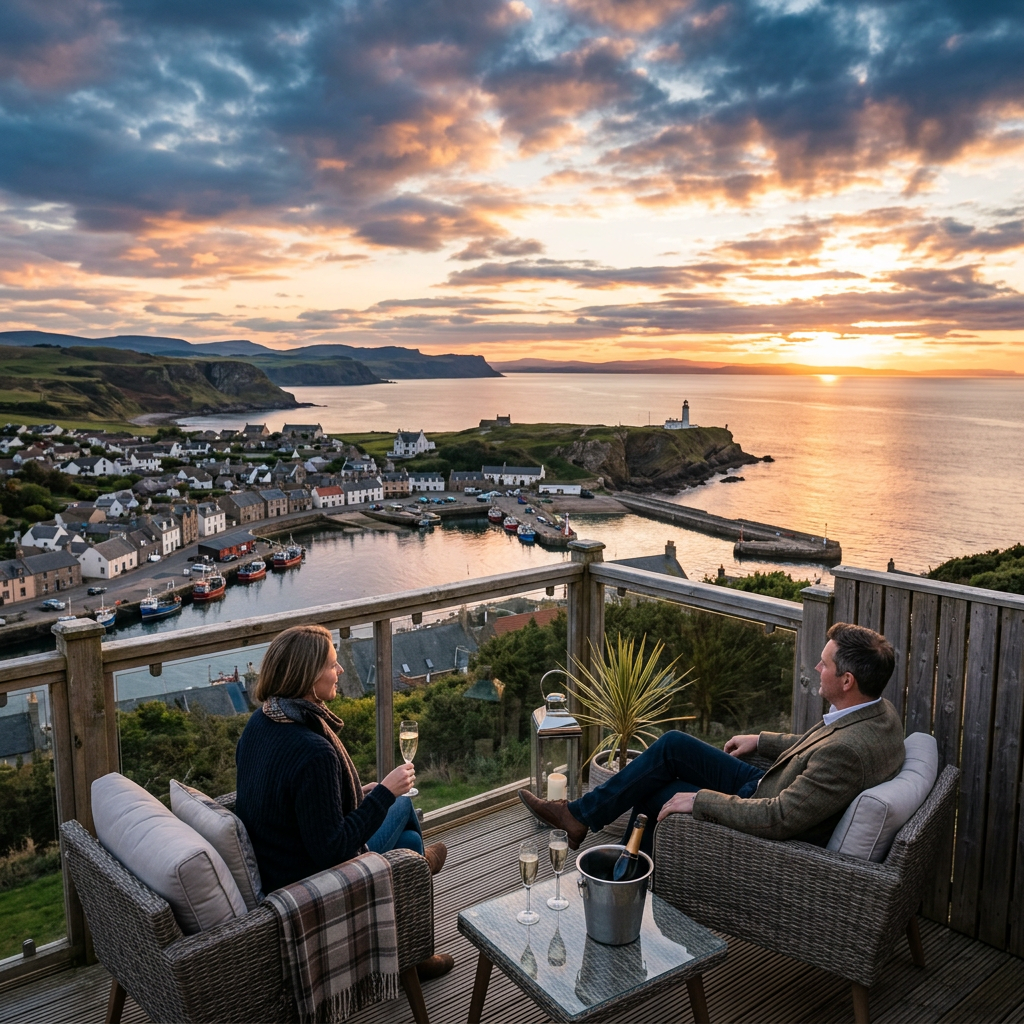
Perched on a rugged headland overlooking the Moray Firth, Burghead is a coastal town steeped in history and maritime charm. Once a vital Pictish stronghold, it’s now a quietly thriving hub for visitors drawn to its dramatic coastline, whisky heritage, and tight-knit community. The town’s distinctive grid layout—a legacy of its 19th-century herring boom—frames streets lined with traditional stone cottages, while its working harbour still buzzes with local fishermen.
Burghead’s appeal lies in its layers: the ancient Burghead Fort, one of Scotland’s most important Pictish sites; the annual Burning of the Clavie, a fiery January tradition dating back centuries; and easy access to Moray’s malt whisky trail. For hospitality operators, it offers a rare blend of year-round demand—from summer coastal walkers to winter whisky tourists—and a manageable scale that makes it ideal for independent B&Bs, guest houses, and small hotels.
Key Takeaways
- Burghead is one of Scotland’s most significant Pictish sites, home to the remains of a massive 4th-century fort.
- The harbour remains active with fishing boats, supplying local restaurants and pubs with fresh seafood.
- The Burning of the Clavie (11 January) is a unique fire festival recognised as one of Scotland’s oldest continuous traditions.
- Part of the Malt Whisky Trail, with Glen Moray Distillery just 15 minutes away in Elgin.
- Strong seasonal mix: summer coastal tourism (NC500 traffic) and winter whisky/event visitors.
- Average annual occupancy for local B&Bs is 65-75%, peaking at 90% in July-August and during whisky festival weeks.
Burghead’s Character: A Fort, a Fishing Town, and a Whisky Gateway
Burghead’s coastal charm stems from its layered identity—where Pictish history and modern fishing traditions collide. The fortified headland, once Scotland’s largest Pictish stronghold, looms over today’s working harbor, offering dramatic contrasts. For those drawn to ancient mysteries, the town’s dual roots run deeper than first meets the eye. Explore Burghead’s Pictish Legacy: Stones, Forts and Dark Age Mysteries.
Reaching Burghead: Transport Links and Getting Around
Reaching Burghead: Transport Links and Getting Around
Burghead’s slightly off-the-beaten-track location—12 miles northwest of Elgin—shapes its visitor base, offering a unique charm for those who venture here. Most visitors arrive by car, with the A96 from Inverness (approximately 1 hour) or Aberdeen (approximately 1.5 hours) feeding into local B-roads. As you approach along the B9012, you're greeted with sudden sea vistas—a delightful reveal that captivates guests.
- Stagecoach Bus 32 operates hourly from Elgin, taking around 25 minutes and costing approximately £3.20 for a single journey. This bus connects with train services at Elgin Station, including the London sleeper services via Aberdeen.
- The nearest airport is Inverness, about a 45-minute drive away, offering seasonal flights from destinations like London and Amsterdam.
For those opting for taxis, expect to pay around £25 for a ride from Elgin to Burghead, while a journey from Inverness Airport may cost approximately £60. Local taxi services, such as Moray Taxis, provide reliable connections for visitors.
Parking is convenient and generally free across most of the town. Specific locations include the Harbour Car Park and Grant Street Public Parking, both offering easy access to local attractions and businesses. However, properties near the quaint yet cramped Harbour Street might need to reserve spaces for guests.
Burghead's flat, grid-like streets make it accessible for all visitors, including those with mobility challenges. The harbour paths are particularly wheelchair-friendly, allowing everyone to enjoy the scenic coastal views.
Cycling enthusiasts will find the town welcoming, particularly with the National Cycle Route 1 passing through. This route offers stunning coastal rides and increased demand for bike storage facilities.
For those interested in exploring the area further, Burghead offers beautiful coastal walks. Discover more about these scenic routes on our coastal walk cluster page.
- Midweek trade often relies on regional guests from Moray and Aberdeenshire seeking short breaks.
- International visitors typically stay for two or more nights, making the journey worthwhile.
- Establishing taxi partnerships is beneficial, with local firms like Moray Taxis frequently shuttling guests to and from Elgin.
Burghead’s Must-Sees: From Pictish Stones to Coastal Walks
While Burghead’s Pictish relics anchor its historical appeal, the cliff-top coastal walk to Lossiemouth steals the show for active visitors. Traverse dramatic seascapes, uncover hidden caves near Hopeman, and end at Lossiemouth’s golden dunes—just don’t miss tidal planning for Covesea Lighthouse. See the full Burghead to Lossiemouth Coastal Trail guide for navigation tips and gear essentials.
Seasons in Burghead: When Visitors Come and Why
Seasons in Burghead: When Visitors Come and Why
While summer and whisky seasons dominate Burghead's calendar, January 11th (Old New Year) ignites a unique draw: the Clavie fire festival. Hotels book up months ahead as pyrotechnic pilgrims brave winter winds for this Pictish-protestant hybrid ritual, where timing and tar application follow strict codes. Discover viewing strategies, off-season tourism spikes, and how the flames fuel local businesses in the full The Burning of the Clavie: Burghead’s Fiery New Year Tradition guide.
Year-Round Weather Patterns
Burghead enjoys a distinctive climate influenced by the Moray Firth microclimate, which is generally milder than inland Scotland. This coastal region experiences moderate temperatures and less rainfall compared to the Scottish Highlands.
- Spring (March to May): Temperatures range from 5°C to 15°C. While the days grow longer, it's advisable to pack layers, including a waterproof jacket, as spring showers are common.
- Summer (June to August): The warmest period, with temperatures averaging 15°C to 20°C. Coastal breezes can cool down evenings, so a light sweater is recommended.
- Autumn (September to November): Expect temperatures between 7°C and 16°C. The season is known for its vibrant foliage and occasional rain, so waterproof gear is essential.
- Winter (December to February): Temperatures can drop to 0°C to 7°C. The coastal winds can make it feel colder, necessitating warm clothing, hats, and gloves.
Packing Tips
When visiting Burghead, consider the coastal winds that can make temperatures feel cooler, especially in winter. Summer visitors should bring sunscreen and a hat for sunny days, but also a light jacket for unpredictable weather. Winter visitors should pack thermal layers and waterproof boots to stay comfortable while exploring the historical sites and natural beauty of the area.
Overall, the Moray Firth's unique positioning offers a more temperate climate, making Burghead an attractive destination year-round for those interested in both its rich history and natural charm.
Local Flavours: Seafood, Whisky, and the Clavie Tradition
Local Flavours: Seafood, Whisky, and the Clavie Tradition
Burghead, a picturesque coastal town in Moray, Scotland, is a haven for those who appreciate the finer things in life—fresh seafood, distinctive whisky, and unique traditions like the Clavie. This ancient fire festival, held on January 11th, marks the old New Year and involves the burning of a wooden barrel filled with tar, symbolizing the cleansing of evil spirits and the welcoming of prosperity.
Beyond these fiery traditions, Burghead boasts a vibrant whisky scene. Local pubs like The Harbour Inn offer an impressive selection of curated drams, perfect for whisky enthusiasts. The town is conveniently located as a strategic stop between renowned Speyside distilleries, such as Glen Moray—just 15 minutes away—and hidden treasures like Benromach. For those interested in exploring more, shuttle services to these distilleries are available, ensuring a seamless whisky-tasting experience. For a comprehensive guide to all the distilleries and tasting stops, see the full Burghead’s Whisky Connections: Distilleries and Tasting Stops guide.
Local Dining and Pubs
Burghead’s culinary scene extends beyond whisky, offering a delightful array of dining options that showcase the region’s bounty. Fresh seafood is a highlight, with crab, lobster, and haddock readily available from the local harbour. Visitors can indulge in these delicacies at The Bothy Bistro, known for its seafood dishes that celebrate local produce.
For a more casual dining experience, The Fish Box offers traditional fish and chips, a must-try when visiting a Scottish coastal town. Their crispy haddock and golden chips are a local favorite. If you’re looking to cook your own seafood feast, fresh catches can be purchased directly from the harbour, where local fishermen sell their daily haul.
Burghead also features cozy spots like The Phoenix Café, which serves as a community hub with its welcoming atmosphere and hearty meals. Here, guests can enjoy a cup of coffee or a light lunch while soaking in the charm of this coastal village.
Whether you’re a foodie, a whisky lover, or a cultural enthusiast, Burghead offers a rich tapestry of experiences that are sure to captivate any visitor.
Beyond Burghead: Hopeman, Lossiemouth, and the Moray Coast
Beyond Burghead: Hopeman, Lossiemouth, and the Moray Coast
Extend your Burghead stay with the Moray Coast’s showstopping cliff walk, where Hopeman’s sea caves and Lossiemouth’s dunes bookend a 7-mile coastal spectacle. This route, beyond its whisky trails, demands tide charts and windproof layers—rewarding hikers with puffin sightings and lighthouse panoramas. Full trail logistics and seasonal tips here.
For those planning a longer visit, the area offers a variety of accommodation options to suit different preferences and budgets. In Burghead, you can find charming self-catering cottages perfect for families and groups, offering flexibility and home-like comfort. Explore our self-catering cluster page for more details. Small hotels and guesthouses provide a cozy atmosphere, often featuring local Scottish breakfasts. These accommodations typically have capacities ranging from 4 to 20 guests, making them ideal for solo travelers or couples seeking a more personal touch.
In the neighboring villages like Hopeman and Lossiemouth, you can find caravan sites that offer a unique way to experience the stunning coastline, especially popular during the summer months. Seasonal availability varies, with peak times during the summer when the weather is most favorable for exploring the outdoors.
Day trips to nearby towns such as Hopeman and Lossiemouth are highly recommended. Hopeman is known for its picturesque sea caves, while Lossiemouth offers expansive dunes and a vibrant marina. These destinations provide a delightful contrast to Burghead’s historical allure, each contributing to the rich tapestry of the Moray Coast.
Operating a Hospitality Business in Burghead: Demand, Staffing, and Realities
Operating a Hospitality Business in Burghead: Demand, Staffing, and Realities
Burghead's hospitality sector rides seasonal waves—from summer occupancy peaks to whisky-trail winter visitors—but staffing remains a persistent challenge. Summer occupancy rates typically reach 75–85% for well-marketed B&Bs and self-catering properties between June and August, dropping to 40–50% during shoulder months (April, May, September, October) and 25–35% in winter, though whisky tourism and Hogmanay bookings provide valuable off-season revenue.
Staffing costs reflect rural Moray norms: housekeeping staff typically earn £10.50–£12.00 per hour, while front-of-house roles command £11.00–£13.50, with seasonal workers often requiring accommodation—a significant consideration for smaller operators. Creative solutions like converting fisherman's cottages into staff quarters and tapping into RAF Lossiemouth family talent pools are reshaping workforce strategies. Explore how Burghead's coastal businesses tackle staffing in our dedicated guide.
Operational costs present coastal-specific challenges: utility bills run 15–20% higher than inland properties due to heating demands and salt-air maintenance, while broadband connectivity has improved significantly with fibre-to-cabinet coverage across most of the village, essential for managing online bookings through platforms like Airbnb and Booking.com. Proximity to Elgin (6 miles) provides reliable supplier access for linen services, wholesale food distributors, and maintenance contractors, keeping logistics manageable.
Prospective buyers should assess these realities carefully using our property valuation tool and ROI calculator before committing. Understanding staffing challenges in rural hospitality, B&B valuation fundamentals, and seasonal occupancy strategies proves essential for sustainable operations in this characterful fishing village.
Buying or Selling Hospitality Property in Burghead: What’s Trading and What Matters
Burghead’s hospitality property market balances Victorian B&Bs with rising demand for self-catering units, but staffing accommodations now influence valuations. Coastal appeal meets practical needs, with Moray College UHI’s training programs adding long-term value. See how staffing solutions impact Burghead’s property market.
Frequently Asked Questions
What’s the best time to visit Burghead?
Summer (June-August) brings coastal walkers and NC500 road-trippers, with long daylight hours ideal for exploring Burghead’s cliffs and beaches. January’s Burning of the Clavie festival draws crowds for its fiery spectacle, while spring and autumn appeal to whisky tourists enjoying quieter distillery visits. Note that some smaller B&Bs close November-February.
Can you visit the Pictish fort in Burghead?
Yes—the Burghead Fort’s ramparts are freely accessible, with interpretive panels explaining its 4th-century origins. The nearby Burghead Visitor Centre houses the ‘Burghead Bulls’, rare Pictish stone carvings. Coastal erosion has claimed part of the site, but the remaining earthworks are impressively large.
Is Burghead good for seafood?
Absolutely. The Harbour Inn serves locally landed haddock and mussels, while The Bothy Bistro offers seafood platters featuring Moray Firth langoustines. In summer, Burghead’s fish-and-chip van (parked near the harbour) is a must for freshly caught haddock in crispy batter.
How far is Burghead from the Malt Whisky Trail?
Glen Moray Distillery (Elgin) is 7 miles east, with tasting tours year-round. The full trail’s westernmost stops—Benromach and Speyside Cooperage—are 25 minutes’ drive. Most Burghead B&Bs offer whisky-themed packages, including transfers to distilleries.
What’s the price range for buying a B&B in Burghead?
As of 2024, 4-6 bedroom B&Bs in central Burghead sell for £250,000-£400,000. Harbour-view properties command premiums. The town’s compact size means even lower-priced homes (from £180,000) could convert to boutique guest houses—subject to planning consent.
What licenses do hospitality businesses need in Burghead?
All B&Bs/hotels require a Moray Council lodging license (£260/year). Alcohol sales need a premises license (£200-£1,000). Self-catering properties must register with VisitScotland (free) and comply with short-term let licensing introduced in 2023 (fees based on capacity).
How seasonal is Burghead’s tourism trade?
July-August accounts for 30% of annual visits, but whisky tourism (spring/autumn) and winter events like the Clavie create a more balanced season than many Scottish coastal towns. Savvy operators target walking groups (April-May) and whisky festival attendees (May/October) to fill shoulder months.
Hotels for sale in Scotland | B&Bs for sale | Sell your property
Explore the Area Around Burghead
Things To Do — Stay4Exploring
Can't see the explorer? View attractions on Stay4Exploring →