カントリーハウスをホテルに改装する方法
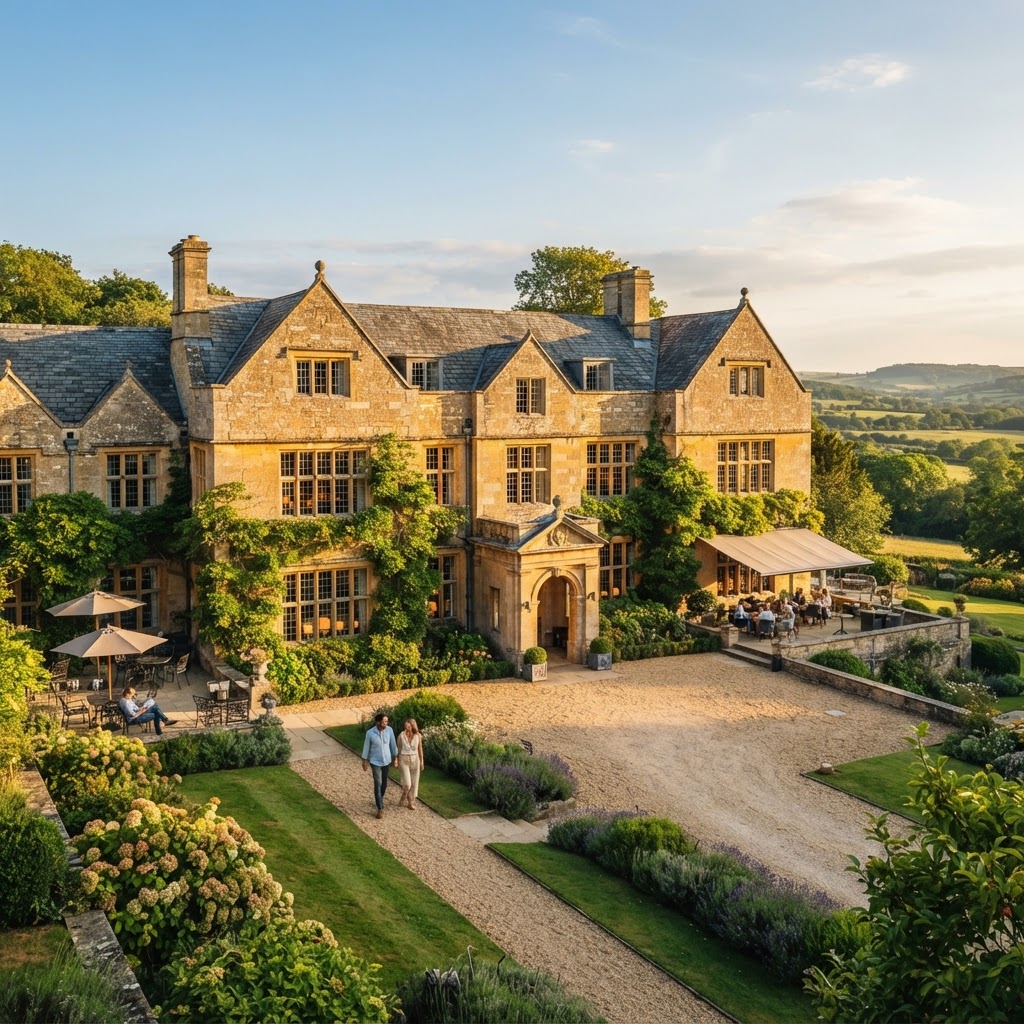
Converting a country house into a hotel is a visionary endeavor that combines architectural transformation with hospitality expertise. In 2026, the allure of boutique accommodations amidst scenic landscapes is stronger than ever, offering unique opportunities for hospitality property owners. This definitive guide by Stay4Hospitality covers every aspect of turning your country retreat into a thriving hotel, from initial planning to welcoming your first guests. With insights from industry experts, step-by-step instructions, and valuable resources, you'll find everything you need to make informed decisions and achieve success.
Key Takeaways
- Transforming a country house into a hotel requires careful planning and adherence to hospitality standards.
- Understanding zoning laws and obtaining necessary permits is crucial for a successful conversion.
- Budgeting for renovations and operational costs is essential to ensure financial viability.
- Designing with guest experience in mind can enhance your property's appeal and profitability.
- Implementing sustainable practices can attract eco-conscious travelers and reduce operational costs.
Understanding the Fundamentals of Hotel Conversion
Exploring Key Concepts for Hotel Conversion
Converting a country house into a hotel involves more than just transforming spaces; it requires a strategic understanding of both the property and the market. As a hospitality property owner, it's crucial to start with a comprehensive market analysis. Assess the demand for accommodation in your area by researching local tourism trends, competitor offerings, and seasonal fluctuations.
Identifying Your Target Audience
Understanding your target audience is paramount. Are you catering to luxury travelers, families, or eco-tourists? Each segment has unique expectations and preferences. For example, luxury travelers might expect high-end amenities and personalized services, whereas eco-tourists may prioritize sustainability and local experiences. Tailor your offerings to meet these needs effectively.
Initial Considerations
- Property Assessment: Conduct a thorough evaluation of your country house. Determine the feasibility of conversion based on its size, layout, and location.
- Regulatory Requirements: Investigate local zoning laws, building codes, and hospitality regulations. Compliance is non-negotiable and can significantly impact timelines and budgets.
- Financial Planning: Estimate conversion costs, including renovations, furnishings, and marketing. Typically, conversion costs can range from $50,000 to millions, depending on the property's condition and the desired standard of the hotel.
- Sustainability Initiatives: Given the global emphasis on sustainability in 2026, consider integrating eco-friendly practices like energy-efficient lighting and water conservation systems.
By addressing these fundamentals, you lay a strong foundation for a successful transition from a country house to a thriving hotel.
Step-by-Step Guide to Converting Your Country House
Detailed Walkthrough of the Conversion Process
Transforming a country house into a hotel involves a series of methodical steps, ensuring that each phase aligns with your overall vision and business goals.
1. Architectural Design and Planning
- Hire Professionals: Engage architects and interior designers with hospitality experience. They can help reimagine spaces, ensuring functionality and appeal.
- Structural Modifications: Depending on the property's layout, you may need to add guest rooms, a reception area, or communal spaces such as a lounge or dining room.
Interior Design Considerations for Country House Hotels
While architectural planning focuses on structure and layout, interior design determines how guests experience your property. The most successful country house hotel conversions strike a delicate balance between preserving period features—exposed beams, original fireplaces, heritage flooring—and meeting contemporary expectations for comfort and convenience. Guests seek authentic character but expect modern amenities: powerful showers, reliable Wi-Fi, comfortable beds, and climate control. Design decisions around colour palettes, lighting schemes, furniture selection, and spatial flow can make or break the guest experience. For comprehensive guidance on creating interiors that honour your property's heritage whilst delivering the comfort modern travellers demand, see our complete guide to interior design tips for country house hotels.
2. Interior Decor and Style
- Theme Selection: Choose a consistent theme that resonates with your target audience. Whether it's rustic charm or modern elegance, consistency is key.
- Furnishings and Fixtures: Invest in high-quality furnishings that enhance guest comfort. Consider factors like durability, aesthetics, and ease of maintenance.
3. Infrastructure Upgrades
- Utilities: Upgrade plumbing, electrical systems, and internet connectivity to meet modern standards and guest expectations.
- Safety Compliance: Install fire alarms, emergency exits, and security systems to comply with legal requirements and ensure guest safety.
4. Staff Recruitment and Training
- Hiring: Recruit staff skilled in hospitality services. The calibre of your team is crucial to delivering an exceptional guest experience.
- Training: Provide comprehensive training programmes focusing on customer service, operational procedures, and brand values.
Each step in the conversion process is crucial for creating a hotel that not only meets but exceeds guest expectations, laying the groundwork for a successful hospitality venture.
Essential Checklists for a Successful Conversion
Comprehensive Conversion Checklists
To ensure no detail is overlooked during your conversion, utilize these comprehensive checklists. They will help you stay organized and compliant throughout the process, ensuring a seamless transformation of your country house into a thriving hotel.
Pre-Planning Phase: 6-12 Months
- Legal and Compliance
- Obtain necessary permits and licenses for hotel operation
- Verify zoning and building code compliance
- Implement health and safety regulations, including fire safety certificates
- Secure insurance coverage for property and liability
- Financial Planning
- Develop a detailed budget covering all phases
- Secure financing or investment, if needed
- Conduct a feasibility study to assess profitability
Design Phase: 3-6 Months
- Architectural and Interior Design
- Finalize architectural plans with a focus on guest experience
- Approve interior design layouts and select sustainable materials
- Ensure designs meet accessibility standards (e.g., ramps, elevators)
- Contractor Coordination
- Hire reputable contractors with experience in hospitality renovations
- Confirm construction timelines and set milestones
- Schedule regular site inspections to monitor progress
Construction Phase: 6-12 Months
- Project Management
- Monitor quality control and ensure adherence to plans
- Coordinate with contractors to address any delays or issues
- Implement energy-efficient systems for long-term savings
- Compliance and Safety
- Conduct safety inspections and obtain necessary certifications
- Ensure all fire safety and emergency protocols are in place
Pre-Launch Phase: 3-4 Months
- Amenities and Services
- Install modern amenities such as Wi-Fi, air conditioning, and entertainment systems
- Set up guest services like concierge and room service
- Organize housekeeping protocols and laundry services
- Marketing and Launch
- Develop a comprehensive marketing strategy targeting your identified audience
- Create a strong online presence through a professional website and social media
- Plan a launch event or promotional offers to attract initial guests
These checklists serve as a roadmap, ensuring that every aspect of your hotel's conversion is covered, from legalities to guest experience enhancements. For more detailed guides, visit our Hospitality Resource Hub.
Downloadable Resources for Project Planning
Resources to Aid Your Conversion Process
Stay4Hospitality offers a comprehensive suite of downloadable templates and guides specifically designed to streamline your country house hotel conversion project. Each resource has been developed by hospitality professionals who understand the unique challenges of transforming historic properties into profitable accommodation businesses.
Available Resources
Business Plan Template
Our detailed Excel workbook includes dedicated sections for financial projections (5-year revenue forecasts, break-even analysis, seasonal occupancy modelling), market analysis worksheets (competitor benchmarking, target guest profiling, pricing strategy matrices), and operational planning modules covering staffing requirements, service standards, and revenue management. Use this template when approaching lenders or investors—it follows the format most banks expect for hospitality property financing.
Renovation Timeline Tracker
This project management spreadsheet helps you coordinate between architects, structural engineers, interior designers, contractors, and local planning authorities. Track planning permission milestones, listed building consent deadlines, contractor payment schedules, and inspection dates. The built-in Gantt chart visualises dependencies, so you'll know immediately if delays in one area (such as electrical rewiring) will impact subsequent work (kitchen installation, final decorating).
Budgeting & Cost Control Template
Track every expense category from initial surveys through to opening day. Pre-populated line items cover structural repairs, mechanical and electrical upgrades, interior furnishings, kitchen equipment, technology systems, professional fees, and contingency reserves. The template automatically calculates variance against budget and flags overspend areas requiring immediate attention.
Marketing Strategy Planner
An interactive PDF guide walks you through developing a pre-launch and post-opening marketing plan tailored to country house hotels. Includes sections on brand positioning, channel mix (OTAs vs direct bookings), content calendar templates, wedding and events marketing, and local partnership strategies.
Staff Hiring Checklist & Job Description Library
Access ready-to-customise job descriptions for every role from general manager to housekeeping staff, plus interview question banks and onboarding checklists. Particularly valuable for first-time hoteliers unfamiliar with hospitality staffing requirements and employment law considerations.
Supplier Comparison Spreadsheet
Compare quotes from multiple suppliers across key categories: linen and towels, toiletries, food and beverage wholesalers, maintenance contractors, and technology providers. The scoring matrix helps you evaluate not just price but quality, delivery reliability, and contract terms.
How to Access
Visit our Resource Hub to download these tools free of charge. Each template includes customisation instructions and example scenarios based on real country house conversions. For personalised guidance on using these resources for your specific project, contact our advisory team or explore our hospitality property listings to see conversion opportunities currently available.
Tools and Calculators for Financial Planning
In the journey to convert a country house to a hotel, effective financial planning is crucial. As of 2026, a myriad of digital tools and calculators can assist in estimating renovation costs, projecting return on investment (ROI), and calculating operational expenses. These tools not only streamline the financial planning process but also enhance precision, helping to avoid costly missteps.
Digital Tools for Estimating Renovation Costs
- Renovation Cost Estimator Tools: Online platforms like BuildZoom and HomeAdvisor offer calculators that provide estimates based on local material and labor costs. These tools can help you budget for renovations by considering factors like square footage and the complexity of the renovation.
- Project Management Software: Tools like Procore and CoConstruct offer features that allow you to track expenses in real-time and adjust your budget as necessary. This software often includes a mobile app, enabling seamless on-the-go management.
Financial Planning with Accounting Software
- Xero vs. QuickBooks: Both Xero and QuickBooks offer cloud-based solutions ideal for hospitality accounting. Xero is known for its user-friendly interface and seamless integration with third-party apps, while QuickBooks provides robust hospitality-specific reporting features, making it easier to track revenue streams and operational expenses.
- Property Management Systems: Consider systems like RoomRaccoon or Hotelogix, which include built-in financial dashboards. These systems provide real-time insights into your property's financial performance, helping you make informed decisions.
ROI and Operational Expense Calculators
- Stay4Hospitality's ROI Calculator: For a 15-room country house conversion with £800k renovation costs and a projected ADR of £180, the calculator estimates breakeven at 24 months with 65% occupancy. Users input data such as room count, renovation costs, ADR, and occupancy rates. Outputs include estimated breakeven time and potential ROI.
- Operational Cost Tools: Websites like Hotel Tech Report provide insights into typical operational expenses, including staffing, utilities, and maintenance. This information is crucial for creating a realistic and sustainable operating budget.
Benchmarking and Scenario Analysis
- Benchmarking Tools: Compare your projected costs and revenues with industry standards using tools like STR Global, which offers comprehensive data on hotel performance metrics worldwide.
- Scenario Analysis: Utilize software like Oracle's Crystal Ball for conducting what-if analyses. This can help in understanding different financial outcomes based on various scenarios, such as changes in occupancy rates or unexpected expenses.
By leveraging these tools, you can gain a comprehensive view of the financial scope involved in transforming a country house into a thriving hospitality business. For further guidance, explore our Financial Planning Guide for Hospitality Investments.
Navigating Legal and Compliance Requirements
Successfully transforming a country house into a hotel involves navigating a complex web of legal and compliance requirements. Understanding and adhering to these regulations is paramount to avoid legal pitfalls and ensure a smooth conversion process.
Understanding Zoning Laws
Zoning laws dictate how land can be used. Before beginning any construction, verify if your property is zoned for commercial use or if a variance is required. Contact your local zoning office or consult a real estate attorney specializing in hospitality conversions.
- Example: In the UK, planning permission is often required to change the use of a residential property to a hotel. In the US, zoning laws vary significantly by state and municipality, making it essential to consult local resources.
Health and Safety Standards
Compliance with health and safety standards is critical in hospitality. These include fire safety measures, sanitation requirements, and building codes.
- Fire Safety: Install smoke detectors, fire alarms, and sprinkler systems where necessary. Regular fire drills and clear evacuation plans are mandatory.
- Sanitation: Adhere to local health department regulations, which may include standards for kitchen cleanliness, waste disposal, and water quality.
Licensing and Permits
- Business License: Obtain a hospitality business license, which often requires proof of compliance with zoning, health, and safety regulations.
- Alcohol License: If you plan to serve alcohol, a separate license is necessary. The process and requirements for obtaining an alcohol license vary widely by location.
Environmental Regulations
Consider any environmental regulations that may apply, particularly if your property includes extensive grounds or is located near protected areas.
- Example: In areas like the EU, environmental impact assessments may be required to mitigate effects on local ecosystems.
Securing Capital and Meeting Financial Regulations
Securing the necessary funding for converting a country house into a hotel often involves navigating various financial and legal aspects. It's crucial to explore different financing options for purchasing hospitality properties to ensure you have the capital needed for compliance upgrades and operational costs.
Staying informed and compliant with these requirements not only avoids legal troubles but also demonstrates your commitment to safety and responsible business practices. For more in-depth insights, visit our Legal Compliance Guide for Hospitality Businesses.
Avoiding Common Mistakes in Hotel Conversion
Converting a country house into a hotel is a rewarding yet challenging endeavor. Many hospitality property owners encounter common pitfalls that can delay projects and inflate costs. Here, we provide expert advice on avoiding these frequent mistakes to ensure a smoother conversion process.
Overlooking Initial Assessments
Initial Property Assessment: Conducting a comprehensive assessment of your current property is crucial. This includes structural integrity checks, historical value assessments, and understanding local market demand. Failing to do so can lead to unexpected challenges down the line.
- Example: A hotel owner overlooked termite damage, resulting in significant structural repairs that delayed the opening by six months.
Underestimating Renovation Costs
Many property owners underestimate the cost of converting a country house due to unforeseen repairs or changes in design plans.
- Solution: Develop a detailed budget with contingencies. Allocate at least 10-15% of your budget for unexpected expenses.
Ignoring Market Research
Neglecting market research can lead to positioning your hotel incorrectly, resulting in poor occupancy rates.
- Solution: Conduct thorough market research to understand your target audience, competitive landscape, and pricing strategy. Engage with local tourism boards and hospitality consultants for insights.
Failing to Plan for Long-Term Operations
A focus solely on the conversion can lead to inadequate planning for day-to-day operations post-launch.
- Solution: Develop a comprehensive operations plan that includes staffing, supply chain logistics, and guest management systems. Utilize tools like Hotel Management Software to streamline processes.
Skipping Legal and Compliance Checks
As discussed in our previous section, failing to comply with legal and regulatory requirements can halt your project.
By being aware of these common pitfalls and actively taking steps to avoid them, you can ensure a more efficient and successful conversion of your country house into a hotel. For further reading, explore our Comprehensive Hospitality Conversion Checklist.
Next Steps: Launching and Marketing Your New Hotel
Once your country house is transformed into a hotel, the next critical phase involves launching and marketing your new venture. A strategic approach to these elements can significantly impact your hotel's success and profitability.
Crafting a Unique Brand Identity
Establishing a strong brand identity is essential. It differentiates your hotel in a competitive market and resonates with your target audience.
- Develop a Brand Story: Incorporate the history and unique features of your property. Guests often seek authentic experiences that tell a story.
- Visual Identity: Invest in professional logos, photography, and a user-friendly website that reflects your brand's essence.
Marketing Your Country House Hotel
Successful marketing requires a multi-channel approach that balances digital reach with local engagement. Build a robust digital presence starting with a mobile-optimised website and active social media profiles showcasing your property's unique character. Establish partnerships with online travel agencies (OTAs) such as Booking.com and Expedia to maximise visibility, whilst maintaining direct booking incentives to protect margins. Engage with your regional tourism board and destination marketing organisations—they often provide co-marketing opportunities, inclusion in official guides, and access to international travel trade events. Collaborate with travel influencers who align with your brand values to extend your reach and credibility. For comprehensive guidance on positioning your property effectively, including SEO strategies, content marketing, and seasonal campaign planning, see our detailed marketing strategies for country house hotels.
Engaging with Guests
- Personalized Experiences: Offer tailored packages and experiences that cater to different guest preferences, such as wellness retreats, adventure packages, or culinary tours.
- Feedback Systems: Implement systems for collecting and analyzing guest feedback. Platforms like TripAdvisor and Yelp can provide insights into guest satisfaction and areas for improvement.
Building Long-Term Relationships
- Loyalty Programs: Develop loyalty programs that encourage repeat visits and referrals.
- Community Engagement: Host events and activities that involve local community members and guests, fostering a sense of belonging and loyalty.
Tracking Financial Performance and Future Exit Planning
Monitor your hotel's financial performance rigorously from launch. Track key metrics including occupancy rates, average daily rate (ADR), revenue per available room (RevPAR), and operational costs. Understanding how EBITDA is used to value hospitality businesses helps you benchmark performance and identify improvement areas. Even if selling isn't immediately planned, consider your eventual exit strategy during the conversion process. Decisions made today—from room configuration and facilities to operational systems and brand positioning—directly influence future property value. Buyers assess country house hotels based on proven trading history, maintainable revenue streams, and physical condition. Familiarising yourself with what hotel buyers look for before making an offer can inform smarter conversion choices that protect long-term asset value. When the time comes, our guide on how to sell a country house hotel provides the complete roadmap for achieving optimal sale terms.
By focusing on these strategies, you'll create a compelling launch and marketing plan that positions your hotel for long-term success in the competitive hospitality industry.
Real-World Conversion Success Story
Real-World Conversion Success Story
Transforming a historic Georgian manor into a boutique hotel can be both a rewarding and challenging endeavor. Consider the case of a 12-bedroom Grade II listed property in the picturesque Cotswolds. This project took approximately 18 months from initial planning to welcoming its first guests, demonstrating the complexities and triumphs of turning a country house into a thriving hospitality business.
Key Challenges Faced
- Planning Permission Delays: Securing the necessary permissions was a significant hurdle. Due to the property's listed status, the project encountered delays in obtaining approvals for structural changes. Engaging with local conservation officers early in the process helped to address these issues, ensuring that the conversion respected the building's architectural heritage.
- Budget Overruns on Heritage Restoration: The restoration of period features such as original fireplaces and sash windows exceeded the initial budget by 20%. To manage costs, the project team implemented a phased opening strategy, allowing the hotel to begin operations in stages and generate revenue while completing renovations.
Solutions Implemented
- Collaboration with Experts: Working closely with heritage consultants and local craftsmen ensured that restoration work met both aesthetic and regulatory requirements.
- Phased Opening Strategy: By opening the first six rooms and common areas ahead of schedule, the hotel began generating income, which was reinvested into the remaining renovations.
Outcomes Achieved
- Occupancy Rates: Within the first six months of operation, the hotel achieved an impressive 80% occupancy rate, driven by its unique historical charm and prime location.
- Guest Satisfaction Scores: The hotel consistently received high guest satisfaction scores, averaging 4.8 out of 5 on major review platforms, attributing to its personalized service and authentic ambiance.
- ROI Timeline: The initial investment was recouped within three years, thanks to strategic marketing and a strong focus on delivering exceptional guest experiences.
This success story highlights the importance of meticulous planning, flexibility in execution, and a commitment to preserving historical integrity in hospitality property conversion. For more insights on navigating similar projects, explore our Related Guides and Tools & Calculators for effective financial planning.
What are the main benefits of converting a country house into a hotel?
Converting a country house into a hotel can offer several advantages, including potential for increased revenue through tourism, leveraging existing infrastruct
How do I assess if my country house is suitable for hotel conversion?
To determine suitability for hotel conversion, evaluate the property's location, size, architectural style, and existing amenities. Consider the demand for acco
What are the typical costs involved in converting a country house to a hotel?
Costs can vary widely based on factors such as property condition, desired amenities, and local regulations. Key expenses include renovation and construction, i
How can I ensure my country house hotel meets sustainability standards?
To meet sustainability standards, incorporate eco-friendly practices such as energy-efficient lighting, water-saving fixtures, and waste reduction strategies. U
What are the key marketing strategies for a newly converted country house hotel?
Effective marketing strategies include building a strong online presence with a user-friendly website, engaging on social media, and listing on popular travel p
What staffing considerations are needed when converting a country house to a hotel?
Staffing is critical for providing excellent guest service. Assess the number of staff required based on the size and services offered by your hotel. Key roles
How do I navigate zoning laws when converting a country house into a hotel?
Navigating zoning laws requires understanding local regulations regarding land use and building modifications. Consult with local authorities to ensure complian
What technology should be implemented in a newly converted hotel?
Implement technology solutions that enhance guest experience and operational efficiency. Consider property management systems for reservation and billing, high-
Related Resources
- Hotel Asset Management Best Practices
- Sell Your B&B in Sussex
- Property Valuation
- List Your Property
- Hotel Buying Checklist
- marketing country house hotels globally
- interior design strategies for country house hotels
- selling your country house hotel
- How is EBITDA used to value hospitality businesses?
- What financing options are available for purchasing hospitality properties?
- What do hotel buyers look for before making an offer?
- How can I increase my restaurant's sale price?
- ROI calculator
- AI business plan generator
Browse hospitality properties for sale | List your property | Free valuation