Guide to Buying a Hotel in Sydney
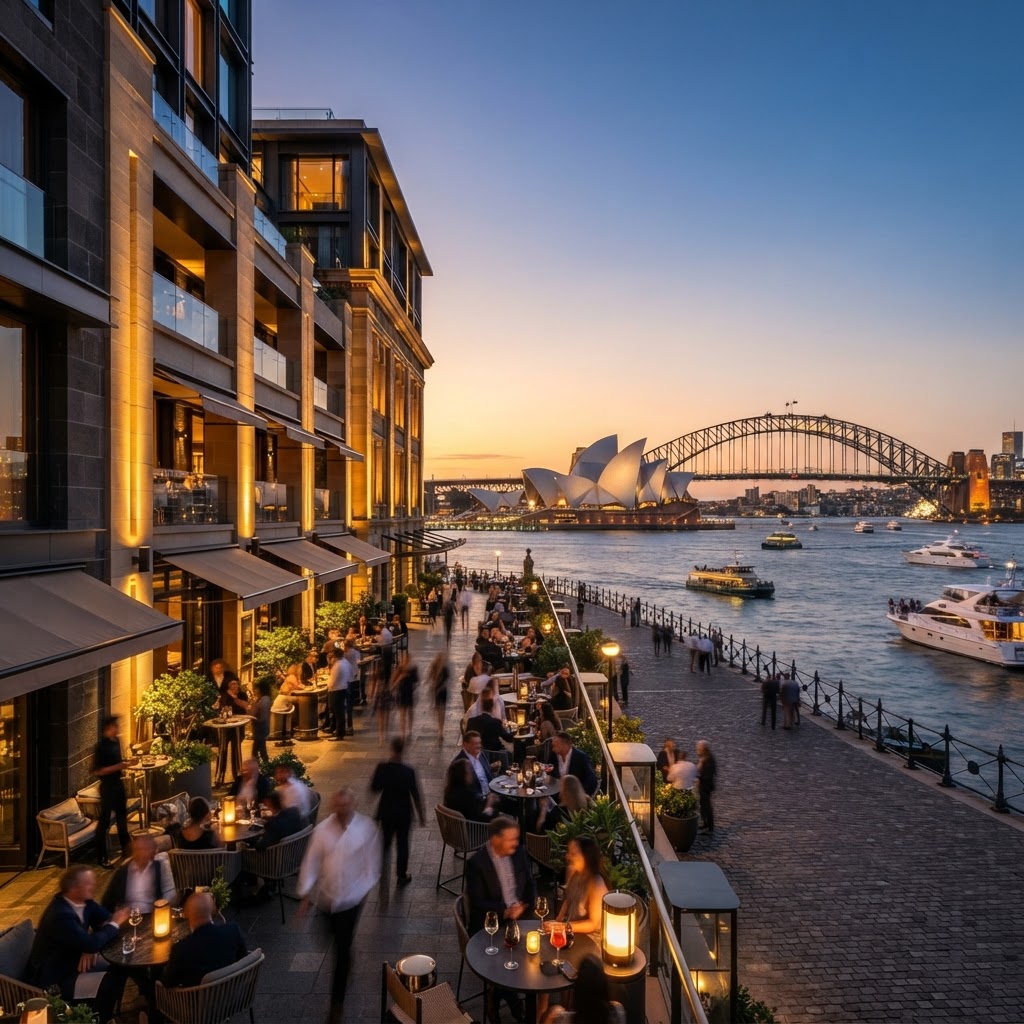
Buying a hotel in Sydney presents a lucrative opportunity for investors looking to enter the thriving hospitality market. As one of the world's most iconic cities, Sydney offers a blend of vibrant culture, steady tourism, and economic stability, making it an ideal location for hospitality investments. This comprehensive guide by Stay4Hospitality will walk you through every aspect of purchasing a hotel in Sydney, from understanding the market dynamics to navigating legal requirements and optimizing your investment strategy. Whether you're a seasoned investor or new to the hospitality sector, this resource is designed to equip you with the knowledge and tools needed to make informed decisions and achieve success.
Key Takeaways
- Sydney's hotel market offers diverse opportunities for investors, driven by strong tourism and a stable economy.
- Understanding local market trends and legal requirements is crucial for successful hotel acquisition in Sydney.
- Financing options and cost considerations are key factors in the hotel buying process.
- Avoiding common investment mistakes can significantly enhance your chances of success in the Sydney hotel market.
- Expert strategies and detailed checklists provide a roadmap for navigating the complexities of hotel investment.
Understanding the Sydney Hotel Market
Understanding the Sydney Hotel Market
The Sydney hotel market in 2026 presents a dynamic landscape for investors, characterized by robust demand driven by both international tourism and domestic travel. As one of the most visited cities in Australia, Sydney attracts millions of tourists annually, thanks to its iconic landmarks like the Sydney Opera House and Harbour Bridge. This sustained interest creates a solid foundation for hotel investments.
Current Trends
- Sustainability Initiatives: Many hotels are adopting eco-friendly practices, responding to the growing consumer preference for sustainable options. This includes energy-efficient designs and waste reduction programs.
- Luxury Segment Growth: There's an increasing demand for luxury accommodations, particularly in the CBD and waterfront areas, catering to high-net-worth individuals and business travelers.
- Digitization: The integration of technology in guest services, including mobile check-ins and app-based room controls, is becoming standard.
Demand Drivers
- Tourism Recovery: Post-pandemic, there's a significant rebound in travel, with a 15% increase in international arrivals compared to 2025.
- Business Travel: Sydney’s status as a business hub continues to draw corporate travelers, bolstered by events and conferences.
- Sydney-Specific Attractions: Key tourism drivers include the White Bay Cruise Terminal, ICC Sydney convention center, ANZ Stadium and sporting venues, Vivid Sydney festival, New Year's Eve events, and the Sydney Royal Easter Show.
Economic Factors
- Interest Rates: As of 2026, interest rates have stabilized at around 3.5%, influencing borrowing costs for hotel acquisitions.
- Real Estate Prices: Sydney remains one of the most expensive cities in Australia, with property prices in prime locations increasing by approximately 7% annually. This impacts initial investment costs but also potential returns.
Investment Opportunities by Suburb
- CBD Hotels: Central Sydney offers prime opportunities with hotels priced between $5-20M, ideal for those targeting business and luxury travelers.
- Bondi Beachfront Properties: Known for its iconic beach, Bondi offers smaller boutique hotels ranging from $3-8M, catering to both tourists and locals.
- Darling Harbour Mid-Scale Hotels: With prices between $8-15M, these properties attract families and leisure travelers due to proximity to attractions like the Sydney Aquarium.
Neighborhoods of Interest
- The Rocks: Offers heritage boutique hotels, appealing to history enthusiasts and tourists seeking unique experiences.
- Circular Quay: Known for premium waterfront properties, this area is ideal for luxury hotel investments.
- Surry Hills: Perfect for boutique conversions, attracting a creative and cultural clientele.
- Manly: Offers coastal resort-style hotels, popular with beachgoers and vacationers.
- Parramatta: A burgeoning market for business travelers, with opportunities in mid-scale and budget hotels.
Understanding these dynamics is crucial for anyone considering buying a hotel in Sydney, as they affect both current operations and future profitability. For more detailed insights, visit our complete guide to buying a hotel in Sydney.
Step-by-Step Guide to Purchasing a Hotel in Sydney
Buying a hotel in Sydney involves a series of critical steps, each requiring careful consideration and expert advice. Understanding the typical transaction timeline—90 to 120 days from offer acceptance to settlement—helps you plan resources and manage expectations throughout the acquisition process. Here's a comprehensive guide to the process:
1. Initial Research and Market Analysis
- Identify Potential Locations: Focus on areas with high tourist traffic or business travel, such as the CBD, Bondi, and Darling Harbour.
- Competitive Analysis: Study existing hotels in your chosen area to understand market saturation and identify unique selling propositions.
- Market Timing: Assess current market conditions, occupancy trends, and seasonal variations that may affect valuation and negotiation leverage.
2. Financial Assessment
- Budgeting: Determine your budget, considering both acquisition costs and operational expenses, including stamp duty (typically 4.5-5.5% in NSW for commercial properties).
- Financing Options: Explore funding through traditional bank loans, private investors, or hospitality-focused investment funds.
- Cash Flow Projections: Prepare detailed financial models accounting for Sydney's higher operational costs and competitive wage requirements.
3. Due Diligence (4-6 Week Window)
The due diligence period typically spans 4 to 6 weeks in Sydney hotel transactions, though complex properties may require extended timeframes. This critical phase determines whether you proceed with the purchase.
- Property Inspection: Conduct thorough inspections to assess the condition of the property and identify potential repair costs, including compliance with current Building Code of Australia standards.
- Legal Checks: Verify ownership, zoning laws, and any outstanding liabilities through comprehensive title searches and council records.
- Regulatory Review: Examine all licenses, permits, and compliance certificates, particularly liquor licenses, food authority approvals, and development consents.
- Financial Verification: Audit trading accounts, tax returns, and occupancy data for the previous 3-5 years to validate seller claims.
For detailed guidance on this crucial phase, review our comprehensive due diligence timeline and checklist.
4. Offer and Negotiation
- Valuation: Hire a professional appraiser familiar with Sydney's hospitality market to ensure the hotel's asking price aligns with market value.
- Negotiation: Work with a skilled negotiator to secure favorable terms, including settlement periods, vendor warranties, and conditional clauses.
- Heads of Agreement: Formalize preliminary terms before proceeding to full contracts, typically allowing 14-21 days for formal contract preparation.
5. Regulatory Approvals and Licensing
Sydney hotel acquisitions require navigating specific local authority processes that can extend your timeline:
- Liquor License Transfer: Lodge applications with Liquor & Gaming NSW, allowing 8-12 weeks for processing and community consultation periods.
- Development Consent Verification: Confirm existing City of Sydney Development Application (DA) approvals remain valid and transferable, particularly for properties with recent renovations or change-of-use applications.
- Food Authority Notifications: Register the business transfer with NSW Food Authority within required timeframes.
- Council Compliance: Verify all outstanding council requirements, fire safety certificates, and building compliance certificates are current.
6. Closing the Deal (Final 30-45 Days)
- Contract Review: Have legal experts review all documents to ensure compliance and protect your interests, including special conditions relating to license transfers.
- Settlement Coordination: Work with solicitors to coordinate the typical 90-120 day settlement period from contract exchange, aligning with license transfer approvals.
- Final Payment: Arrange for the transfer of funds and secure the necessary insurances, including public liability, professional indemnity, and business interruption cover.
- Pre-Settlement Inspections: Conduct final property inspections 7 days before settlement to verify condition and inventory.
7. Transition Planning
- Staff Management: Plan for the transition of current staff, including contracts and training, ensuring compliance with Fair Work Australia requirements and hospitality award conditions.
- Brand Integration: If rebranding, develop a comprehensive marketing strategy to launch under the new ownership, coordinating with settlement timing.
- Operational Handover: Schedule detailed handover sessions with the vendor covering systems, supplier relationships, and guest databases.
- Stakeholder Communication: Notify key stakeholders including existing guests with bookings, corporate clients, and online travel agencies of the ownership change.
Each step requires meticulous attention to detail and a strategic approach to ensure a successful acquisition and operation of a hotel in Sydney. Building buffer time into your transaction timeline accounts for potential delays in regulatory approvals and ensures smooth settlement.
Financial Planning and Investment Costs
Financial Planning and Investment Costs
Investing in a hotel in Sydney requires meticulous financial planning and a thorough understanding of the various costs involved. Here's an expanded look at the financial aspects of this significant venture, incorporating Sydney-specific data:
Initial Costs
- Purchase Price: The cost of acquiring a hotel in Sydney can range from AUD 10 million to over AUD 200 million, influenced by factors such as location, size, and star rating. For instance, properties in the Central Business District (CBD) and waterfront areas command higher prices.
- Due Diligence Expenses: These include legal fees, property inspections, and valuation services, typically amounting to 1-2% of the purchase price. For a detailed assessment, visit our Property Valuation Tool.
- Stamp Duty: In New South Wales, stamp duty rates are higher compared to other states, significantly impacting initial costs. Ensure to factor in these rates when budgeting.
Ongoing Operational Costs
- Staff Salaries: Labor costs are a major operational expense, with hotel staff salaries in Sydney averaging AUD 50,000 annually per employee.
- Maintenance and Utilities: Allocate around 5-10% of annual revenue to maintenance and utilities, crucial for maintaining quality standards.
- Council Rates: These vary by Local Government Area (LGA) and can affect annual expenses significantly. Research the specific LGA rates applicable to your chosen location.
- Working Capital Requirements: Typically, hotels in Sydney require substantial working capital to cover operational expenses, often estimated at 15-20% of the annual operating budget.
Funding Options
- Bank Loans: Traditional mortgages are available with interest rates around 3.5% in 2026, with banks requiring comprehensive business plans. For more details, see our Financing Options FAQ.
- Private Equity: Engaging with private investors can provide necessary capital in exchange for equity stakes.
- Government Grants: Investigate any available government incentives for tourism investments, which may offer financial relief or tax advantages.
Revenue Potential
- Occupancy Rates: In prime locations, occupancy rates can exceed 80%, contributing significantly to revenue streams.
- Average Daily Rate (ADR): Sydney hotels report an ADR of approximately AUD 250, which factors into revenue projections.
Understanding these financial elements is essential for optimizing the investment potential and ensuring a profitable venture in Sydney's competitive hotel market. For more comprehensive insights, explore our Complete Guide to Selling a Hotel.
Navigating Legal and Compliance Requirements
Navigating Legal and Compliance Requirements
Acquiring a hotel in Sydney involves navigating a complex legal landscape, requiring a firm grasp of the relevant legal and compliance requirements. Engaging experienced legal counsel early in the acquisition process is essential to avoid costly delays and ensure full compliance with NSW and local regulations. For comprehensive guidance on the legal framework, refer to our detailed resource on legal considerations for hotel investments in Sydney.
Regulatory Framework
Zoning Laws: Ensure the property is zoned for commercial hospitality use under the City of Sydney Local Environmental Plan (LEP) 2012. Sydney's zoning laws are stringent, affecting development and operational capabilities. Properties must comply with specific use classifications, and any proposed changes require development consent from the City of Sydney Council. Inner-city locations often face additional heritage and character area restrictions that can impact renovations and extensions.
Licensing: Obtain necessary licenses, such as liquor licenses if the hotel includes a bar or restaurant. NSW liquor licensing is governed by Liquor & Gaming NSW, and the application process can take several months. Hotels must demonstrate compliance with the Liquor Act 2007, including responsible service of alcohol training, patron safety measures, and community impact assessments for new or extended licenses.
NSW Planning Regulations: All hotel acquisitions must comply with NSW planning legislation, including the Environmental Planning and Assessment Act 1979. This covers building modifications, change of use applications, and compliance certificates. Properties in heritage conservation areas require additional Heritage Council approval.
Compliance Obligations
- Health and Safety Standards: Hotels must comply with rigorous health and safety regulations, including fire safety under the Building Code of Australia, food safety under the NSW Food Authority standards, and occupational health requirements under Work Health and Safety Act 2011.
- Employment Laws: Adhere to Australian labor laws, including Fair Work regulations, minimum wage compliance under hospitality awards, superannuation obligations, and employee rights. The Hospitality Industry (General) Award 2020 sets specific conditions for hotel staff.
- Strata Title Considerations: Many Sydney hotels, particularly in the CBD and coastal areas, operate under strata title arrangements. Buyers must review strata by-laws, levies, sinking fund contributions, and restrictions on commercial operations. Obtain strata reports and review owners corporation meeting minutes before purchase.
Contractual Agreements
Franchise Agreements: If affiliating with a hotel chain, thoroughly review franchise agreements to understand brand standards, performance requirements, fee structures, and territorial restrictions. These agreements typically span 10-20 years and significantly impact operational autonomy.
Supplier Contracts: Secure contracts with suppliers for essentials like linens, food, and beverages, ensuring quality and cost-effectiveness. Review existing supplier agreements during due diligence to identify opportunities for renegotiation or consolidation.
Taxation
Goods and Services Tax (GST): Hotels must register for GST, impacting pricing and revenue strategies. Going concern sales may be GST-free if specific conditions are met, potentially saving hundreds of thousands in transaction costs.
Local Taxes: Be aware of City of Sydney council rates, land tax obligations (which can be substantial for commercial properties), and payroll tax if your wage bill exceeds the NSW threshold of $1.2 million annually.
Legal Assistance
Engage with established Sydney hospitality law practices or CBD-based hotel transaction specialists who understand the nuances of commercial hospitality acquisitions. Experienced legal professionals can navigate City of Sydney development consent processes, liquor licensing applications, franchise negotiations, and complex strata arrangements efficiently, ensuring compliance and minimizing legal risks throughout the transaction.
By understanding and adhering to these legal and compliance requirements, investors can mitigate risks and ensure a smooth operation within the Sydney hotel market.
Avoiding Common Mistakes in Hotel Investment
Avoiding Common Mistakes in Hotel Investment
Investing in a hotel in Sydney can be a lucrative venture, but it's not without its challenges. Here are some common pitfalls and how to steer clear of them to ensure your investment yields success.
Inadequate Market Research
Before purchasing a hotel, thorough market research is crucial. Understand Sydney's dynamic tourism industry, focusing on traveler demographics, seasonal trends, and local attractions. Failing to grasp these elements can lead to poor occupancy rates and revenue. Additionally, underestimating seasonal fluctuations between summer peaks and winter shoulder periods can impact your financial forecasts.
Actionable Tip: Leverage tools like the Australian Bureau of Statistics and Tourism Research Australia for up-to-date data. Establish a clear understanding of the Average Daily Rate (ADR) and Revenue per Available Room (RevPAR) specific to Sydney.
Overlooking Location Importance
Location is paramount. Without a prime spot, even the most luxurious hotel can falter. Ensure proximity to key attractions, business districts, and transportation hubs. Be aware of Sydney's competitive supply in the CBD versus emerging areas, which can affect your property's visibility and desirability.
Actionable Tip: Conduct a competitive analysis of nearby accommodations. Identify potential areas of high foot traffic and accessibility.
Ignoring Operational Costs
Underestimating the operational expenses can quickly erode profits. Consider staffing, maintenance, utilities, and marketing costs. Ignoring these can lead to financial strain, especially during off-peak seasons.
Actionable Tip: Draft a comprehensive budget that accounts for all potential expenses. Consult with financial advisors to forecast realistic profit margins.
Skipping Due Diligence
Due diligence is non-negotiable. Skipping this step can result in unexpected legal or financial issues. It's crucial to understand the impact of major events in Sydney on rate strategy and occupancy.
Actionable Tip: Engage with legal experts to review contracts and compliance standards. Perform a thorough inspection of the property for structural or regulatory issues. For more insights on buyer due diligence and common oversights to avoid, visit our FAQ page.
Avoiding these common mistakes requires careful planning and expert consultation. By taking proactive measures, you can safeguard your investment and position your hotel for success in Sydney's competitive market.
Expert Strategies for Maximizing Hotel ROI
Expert Strategies for Maximizing Hotel ROI
Achieving a high Return on Investment (ROI) in the hotel industry requires strategic planning and execution. Here are expert strategies to optimize your hotel's financial performance in Sydney's competitive market.
Dynamic Pricing Techniques
Adopt dynamic pricing models to adjust room rates based on demand fluctuations. This approach maximizes revenue during peak seasons while maintaining competitive rates during slower periods.
In Sydney, align your pricing strategy with:
- Cruise ship schedules at Circular Quay and White Bay (October–April peak season)
- Major events including Vivid Sydney (May–June), Sydney Festival (January), and New Year's Eve
- Convention calendar at ICC Sydney and Royal Hall of Industries
- School holiday periods when domestic family travel peaks
- Sporting events at ANZ Stadium, SCG, and Allianz Stadium
Actionable Tip: Use revenue management software to automate pricing adjustments based on occupancy rates and local events. Monitor forward booking patterns 90–120 days ahead for major Sydney events to capture early demand.
Enhancing Guest Experience
A superior guest experience translates to repeat business and positive reviews. Focus on personalized services, modern amenities, and memorable experiences that reflect Sydney's unique character.
Key differentiation strategies:
- Local partnerships with harbour cruise operators, Blue Mountains tour companies, and coastal walk guides
- Curated Sydney experiences including private Opera House tours, chef-led food market walks, and beach club access
- Seasonal programming aligned with Sydney's outdoor lifestyle (rooftop bars in summer, cozy fireplaces in winter)
Actionable Tip: Implement a robust CRM system to tailor offerings based on guest preferences and feedback. Track repeat visitor patterns and create loyalty incentives for guests attending annual Sydney events.
Strategic Marketing Initiatives
Leverage digital marketing to reach a broader audience. Utilize social media platforms, SEO, and paid advertising to enhance your hotel's visibility in both domestic and international markets.
Sydney-specific marketing tactics:
- Target international markets where Sydney has strong brand recognition (UK, USA, China, New Zealand)
- Seasonal campaigns promoting shoulder-season value (March–May, September–November)
- Event-based packages tied to Vivid Sydney, Sydney Gay and Lesbian Mardi Gras, and major concerts
- Corporate segment focus targeting CBD business travellers and conference attendees
Actionable Tip: Collaborate with local influencers, Destination NSW, and Business Events Sydney to tap into new customer segments. Develop content showcasing lesser-known Sydney experiences to differentiate from competitors.
Cost Management and Operational Efficiency
Efficient cost management can significantly impact profitability. Regularly audit operational expenses and identify areas for cost reduction without compromising quality.
Priority cost optimization areas:
- Energy efficiency (critical given Sydney's high electricity costs—averaging $0.25–$0.35 per kWh)
- Labour scheduling optimized around occupancy patterns and event calendars
- Supplier consolidation leveraging Sydney's competitive hospitality supply market
- Technology integration reducing manual processes and improving staff productivity
Actionable Tip: Implement energy-saving measures including solar panels (strong ROI in Sydney's climate), smart HVAC systems, and LED lighting. Negotiate supplier contracts annually to decrease overhead costs.
Performance Measurement and ROI Tracking
Regularly measure your hotel's performance against industry benchmarks and your own targets. Track key metrics including RevPAR (Revenue Per Available Room), ADR (Average Daily Rate), occupancy rates, and GOP (Gross Operating Profit).
Use the Hospitality ROI Calculator to model different scenarios, forecast returns based on Sydney market conditions, and identify which revenue optimization strategies deliver the strongest impact on your bottom line.
Sydney benchmark targets (based on market segment):
- Luxury hotels: 75–85% occupancy, $350–$650 ADR
- Upscale hotels: 78–88% occupancy, $220–$380 ADR
- Midscale hotels: 80–90% occupancy, $150–$240 ADR
By adopting these expert strategies tailored to Sydney's unique market dynamics, you can effectively maximize your hotel's ROI, ensuring sustained profitability and growth in one of the Asia-Pacific region's most resilient hospitality markets.
Benchmarking and Market Data Analysis
Utilizing key market data and performance benchmarks is essential for evaluating potential hotel investments in Sydney. Here’s how you can leverage this data for informed decision-making.
Understanding Key Performance Indicators (KPIs)
Familiarize yourself with industry-standard KPIs such as ADR, RevPAR, and Occupancy Rates. These metrics provide insights into a hotel's financial health and competitive standing.
Actionable Tip: Use the table below as a benchmark for Sydney’s hotel market:
Analyzing Competitor Performance
Conduct a competitive analysis to understand how similar hotels in Sydney are performing. This will help identify market gaps and opportunities.
Actionable Tip: Use online tools like STR Global for comprehensive market reports and competitor analysis.
Evaluating Market Trends
Stay informed about market trends such as changes in tourism patterns, economic factors, and regulatory shifts. This knowledge helps anticipate market movements and investment risks.
Actionable Tip: Subscribe to industry publications and attend hospitality conferences to stay ahead of trends.
Utilizing benchmarking and market data analysis allows investors to make informed decisions, ensuring their hotel investments in Sydney are strategically positioned for success.
Next Steps After Hotel Acquisition
Successfully acquiring a hotel is just the beginning. Here are the critical next steps to ensure your hotel operates smoothly and grows in Sydney's vibrant market.
Integration and Transition
Smoothly transition into ownership by integrating existing operations with your business goals. Communicate changes clearly to staff and maintain continuity of service.
Actionable Tip: Schedule meetings with key staff to understand current operations and identify areas for improvement.
Implementing a Business Plan
A well-structured business plan is crucial for setting goals and tracking progress. Outline operational strategies, marketing initiatives, and financial targets.
Actionable Tip: Review and adjust your business plan quarterly based on performance and market conditions.
Enhancing Brand Presence
Strengthen your hotel's brand presence through strategic marketing and customer engagement. Focus on building a loyal customer base through consistent quality and service.
Actionable Tip: Develop a cohesive brand identity and enhance your online presence through a professional website and active social media accounts.
Engaging with the Local Community
Connecting with the local community can enhance your hotel's reputation and attract local customers.
Actionable Tip: Partner with local businesses and participate in community events to increase visibility and foster goodwill.
By focusing on these post-acquisition strategies, hotel owners can effectively manage and grow their new properties, ensuring long-term success in Sydney's competitive hospitality industry.
Exit Strategy and When to Sell Your Sydney Hotel
Exit Strategy and When to Sell Your Sydney Hotel
Navigating the optimal exit strategy for your Sydney hotel investment is crucial for maximizing returns. Understanding the market cycle indicators and aligning them with your investment goals can help you make informed decisions about when to sell.
Market Cycle Indicators
Sydney's hospitality market is influenced by several factors, including rising tourism numbers, infrastructure improvements, and precinct gentrification. These indicators can signal strong selling conditions. For instance, the city has seen a steady increase in international arrivals, bolstered by major infrastructure projects like the Sydney Metro expansion. Such developments enhance the appeal of your property to potential buyers.
Typical Hold Periods
The typical hold periods for hotel investments in Sydney vary based on strategy. Value-add investments usually have a hold period of 5-10 years, allowing time for renovations and operational improvements to increase property value. Opportunistic investments, on the other hand, might have a shorter hold period of 3-5 years, focusing on quick capital appreciation.
Portfolio Rebalancing and Succession Planning
Regular portfolio rebalancing is crucial for maintaining an optimal investment mix. If your Sydney hotel no longer aligns with your broader investment strategy or if you're planning for succession, it might be time to sell. Succession planning ensures a smooth transition, whether passing the property to family members or preparing it for sale.
Market Liquidity
Sydney's market liquidity is generally robust, thanks to the city's global appeal and strong economic fundamentals. However, liquidity can fluctuate based on economic conditions and investor sentiment. Keeping an eye on these trends can help you time your exit to maximize returns.
Tax Considerations
When selling your hotel, consider the Capital Gains Tax (CGT) implications and potential depreciation recapture. Australia does not have a direct equivalent to the US 1031 exchange, but strategies exist to defer or minimize tax liabilities. Consulting with a tax advisor familiar with the Australian context is advisable.
For a comprehensive resource on selling your hotel, visit our Sydney hotel selling guide, which covers detailed strategies and considerations for exiting the market.
Positioning this section before 'Next Steps After Hotel Acquisition' completes the investment lifecycle coverage, ensuring you're equipped with the knowledge to make strategic decisions at every stage of your hotel investment journey.
What are the key factors to consider when buying a hotel in Sydney?
When buying a hotel in Sydney, consider location, market trends, and competition. Evaluate the hotel's current performance, guest demographics, and potential fo
How does the Sydney hotel market compare to other Australian cities?
Sydney's hotel market is one of the strongest in Australia, driven by its status as a global city and major tourist hub. It typically offers higher occupancy ra
What financing options are available for purchasing a hotel in Sydney?
Financing options for buying a hotel in Sydney include traditional bank loans, private equity, and joint ventures. Lenders typically require a detailed business
How does seasonality affect hotel revenue in Sydney?
Sydney experiences peak hotel demand during the summer months (December to February) and major events like New Year's Eve and the Sydney Festival. Off-peak peri
What are the emerging trends in the Sydney hotel market?
In 2026, sustainability and technology integration are key trends in the Sydney hotel market. Guests prefer eco-friendly practices and seamless digital experien
What is the role of a hotel management company in Sydney?
A hotel management company can handle daily operations, marketing, and revenue management, allowing owners to focus on investment strategies. They bring industr
How important is due diligence when buying a hotel in Sydney?
Due diligence is crucial when buying a hotel in Sydney. It involves a thorough examination of financial records, legal compliance, and property condition. This
Related Resources
- How to Buy a Hotel in Ho Chi Minh City
- Understanding the Ho Chi Minh City Tourism Market
- Hotels for Sale in Ireland Guide
- Guide to Buying a Hotel in Scottish Highlands
- List Your Property
- Legal Considerations for Hotel Investments in Sydney
- Sell Your Hotel in Sydney
- What financing options are available for purchasing hospitality properties
- What Do Hotel Buyers Look For Before Making an Offer?
- How long does hotel due diligence typically take
- How do investors calculate ROI when evaluating hotel properties
- What are the typical ROI expectations for hotel investments in 2026
- Property Valuation Tool
- Hospitality ROI Calculator
- Browse hotels for sale
Browse hospitality properties for sale | List your property | Free valuation