La guida completa alla vendita privata di un pub
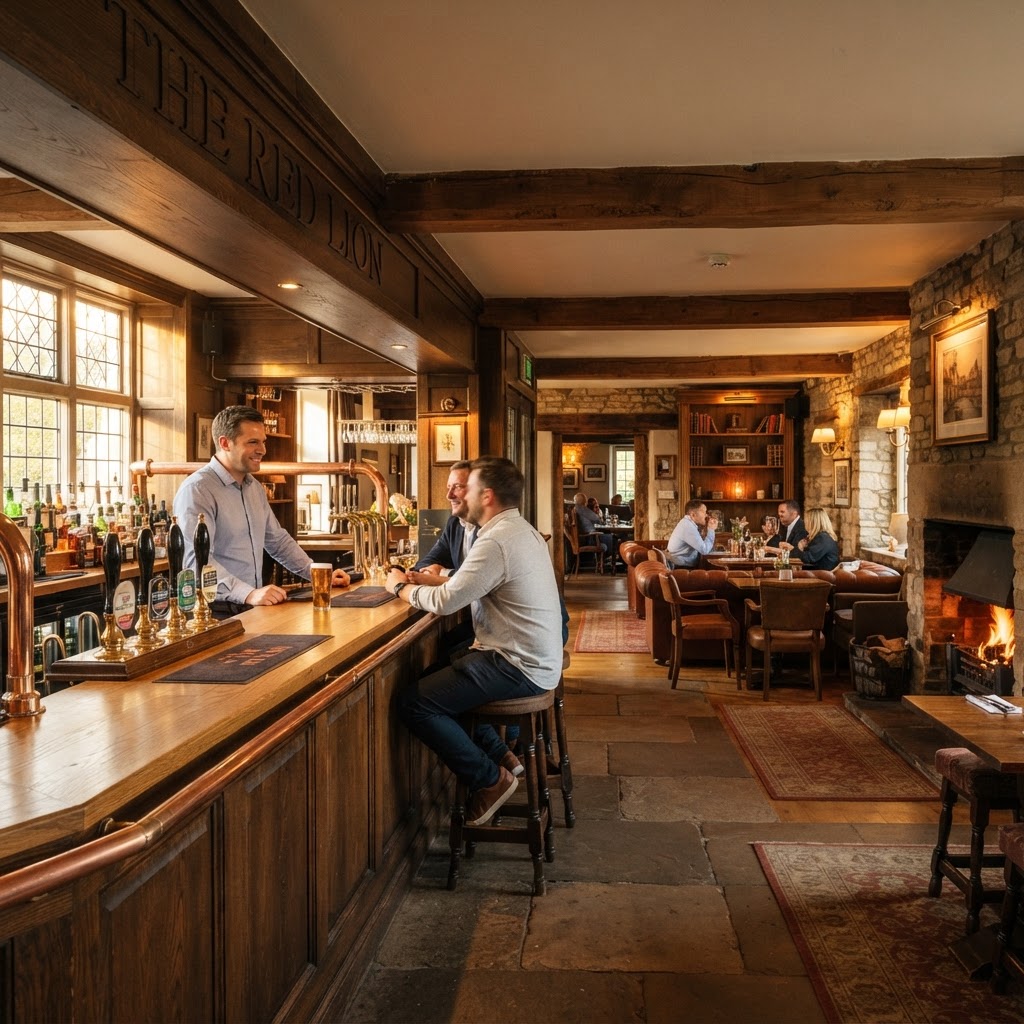
In the ever-evolving hospitality landscape, selling a pub privately has become an increasingly attractive option for many owners. This comprehensive guide to selling a pub privately is designed to be your definitive resource, providing a deep dive into the entire process. As we look towards the 2026 market context, characterized by dynamic consumer preferences and evolving legal frameworks, understanding the nuances of a private sale is crucial. Our guide covers every aspect— from accurate pub valuation, navigating legal intricacies, to effective marketing strategies, negotiation tactics, and ensuring a seamless post-sale transition. Opting for a private sale offers significant benefits beyond just saving on commissions. It provides you with greater control over the process, allowing for a more flexible approach tailored to your specific needs. By leveraging comprehensive knowledge and expert insights, you can confidently manage your sale, ensuring maximum returns and a smooth handover. Whether you're a first-time seller or a seasoned pub owner, this guide is your essential companion in achieving a successful private pub sale.
Key Takeaways
- Understand the complete process of selling a pub privately to maximize your investment.
- Learn the step-by-step strategy to prepare your pub for sale and attract the right buyers.
- Utilize our comprehensive checklists to ensure no detail is overlooked in your sale preparation.
- Access downloadable resources and tools to streamline the selling process.
- Gain insights into common pitfalls and how to avoid them for a successful pub sale.
- Stay informed about legal and compliance requirements to ensure a smooth transaction.
- Explore related articles and resources to broaden your understanding of the hospitality market.
Understanding the Private Sale of Pubs
Selling a pub privately is an increasingly appealing option for many pub owners seeking control over the sale process and potentially saving on broker fees. Understanding the Private Sale of Pubs involves comprehending market dynamics, the advantages of a private sale, and potential hurdles you may face.
2026 UK Pub Market Trends
The UK pub market in 2026 shows resilient private sale activity despite broader economic headwinds. According to recent industry data, private pub sales account for approximately 22-28% of all pub transactions, with average time-on-market ranging from 16 to 24 weeks for well-prepared properties. Buyer demand patterns have shifted notably: lifestyle buyers now represent 34% of private purchasers, up from 26% in 2023, whilst traditional hospitality operators account for 41% and investment buyers 25%. Regional variations are significant—rural and village pubs in the South West and Cotswolds are seeing particularly strong interest, with some properties receiving multiple offers within 8-12 weeks. Urban wet-led pubs face longer marketing periods (averaging 22-26 weeks), whilst food-focused establishments with accommodation continue to attract premium pricing and faster sales. The rise of digital-first marketing has democratized private sales, with 67% of successful private sellers reporting that online platforms were their primary source of qualified buyers.
Market Analysis
Before putting your pub on the market, conduct a thorough market analysis. This involves evaluating current trends in the hospitality sector, understanding buyer preferences, and identifying competitive pricing strategies. The global pub market is witnessing a shift towards intimate, experience-driven venues with strong community ties, which may significantly affect your sale strategy and positioning.
Benefits of Selling Privately
- Cost Savings: Selling without paying sales commission can save £5,000 to £30,000+ depending on property value—money that remains in your proceeds rather than going to agents.
- Control: You have full control over who you sell to and the terms of the sale, allowing for a more personalized negotiation process and the ability to prioritize buyers who align with your vision for the pub's future.
- Privacy: For some sellers, discretion is crucial. A private sale ensures that business details, financial performance, and your exit plans remain confidential until you choose to disclose them.
- Direct Relationships: Building rapport directly with potential buyers often leads to smoother negotiations and greater mutual understanding of expectations.
Success Rates & Timelines
Private pub sales achieve completion rates of 68-74% once a serious offer is accepted, compared to 71-78% for agent-led sales—a modest difference that narrows significantly when sellers use professional platforms like Stay4Hospitality. The key differentiator isn't success rate but timeline and control. Private sellers typically complete transactions in 18-26 weeks from listing to completion, whilst agent-led sales average 20-28 weeks. However, private sellers report 89% satisfaction with their level of control versus 62% for those using traditional agents.
Typical Timeline Comparison:
The timeline advantage for private sellers comes from immediate decision-making and direct communication, eliminating the agent intermediary layer that can add 1-2 weeks at various stages.
Case Study: Village Pub Private Sale
A freehold village pub in Herefordshire with three letting rooms was listed privately on Stay4Hospitality in February 2026. The owner, retiring after 14 years, achieved a successful sale within 19 weeks from listing to completion. By handling the sale privately, they saved approximately £18,400 in commission fees (based on a £460,000 sale price and typical 4% agent commission). The buyer—a lifestyle purchaser relocating from London—was identified through the platform's global reach within six weeks of listing. The seller maintained complete control throughout negotiations, ensuring the new owner shared their commitment to preserving the pub's community role. Total marketing costs were £847, delivering a net saving of £17,553 compared to traditional agent representation.
Challenges to Consider
- Time and Effort: Selling privately requires significant personal investment in terms of time and effort, from marketing to negotiation and coordinating viewings.
- Lack of Exposure: Without a broker, reaching a wide pool of potential buyers might be challenging—though modern platforms like Stay4Hospitality mitigate this substantially.
- Valuation Difficulties: Accurately pricing your pub can be difficult without professional guidance, making independent valuation essential.
Navigating these challenges effectively can lead to a successful, profitable sale. Stay4Hospitality offers resources to help guide you through these complexities whilst maintaining the cost and control benefits of private selling.
Step-by-Step Guide to Preparing Your Pub for Sale
Preparing your pub for sale is a meticulous process that requires attention to detail and strategic planning. Below is a Step-by-Step Guide to Preparing Your Pub for Sale:
1. Conduct a Professional Valuation
Begin by obtaining a professional valuation to understand your pub’s worth. This involves assessing physical assets, revenue streams, and market position. In 2026, average pub valuations can range from $200,000 to several million, depending on location and amenities offered.
2. Enhance Curb Appeal
First impressions matter. Ensure your pub’s exterior is inviting and well-maintained. Consider:
- Fresh paint and signage
- Landscaping improvements
- Clean, functional outdoor seating areas
3. Financial and Operational Audit
Prepare comprehensive financial statements. Buyers will expect:
- Profit and loss statements for the past three years
- Detailed inventory lists
- Lease agreements and operational licenses
4. Develop a Marketing Strategy
Create a targeted marketing strategy. Use channels like hospitality marketplaces, social media, and industry networks to reach potential buyers. Craft compelling listings and use high-quality images to showcase your pub.
5. Legal Preparations
Consult with a legal advisor to ensure all documents are in order, including:
- Title deeds
- Employee contracts
- Compliance certificates
By following these steps, you can enhance the attractiveness of your pub and streamline the selling process.
AML Compliance Requirements
Navigating Anti-Money Laundering (AML) compliance is crucial when selling a pub. Ensure you meet the necessary regulations, which may include verifying buyer identities and reporting suspicious activities. Failure to comply can lead to significant penalties. Learn more about AML compliance.
Preparing Management Accounts
Comprehensive management accounts are essential for potential buyers. Ensure your accounts reflect three years of trading history, highlighting profit margins and cash flow trends. This transparency builds buyer confidence and can influence sale price. Explore how to prepare management accounts.
Understanding Exchange Deposits
Exchange deposits typically require 10% to 25% of the purchase price, securing the buyer's commitment. Understanding this process helps in negotiating terms and protecting your interests. Discover more about exchange deposits.
Property Misdescription Act Compliance
Avoid legal pitfalls by ensuring all property descriptions are accurate and compliant with the Property Misdescription Act. Misleading information can lead to costly disputes. Read about compliance requirements.
Pre-Qualifying Buyer Financing
Pre-qualifying buyer financing is vital to ensure serious inquiries. Verify that potential buyers have the necessary financial backing before proceeding with negotiations. Learn how to pre-qualify buyers.
Chattels and Tax Apportionment
Understanding the apportionment of chattels and taxes can impact the final sale price. Properly categorizing assets can lead to tax benefits and smoother transactions. Find out more about chattels and tax.
Handling Existing Tenancies
If your pub includes tenant agreements, handling these effectively is crucial. Ensure leases are in order and understand tenant rights to avoid complications. See how to manage tenancies.
Capital Gains Tax Relief Planning
Plan for Capital Gains Tax (CGT) relief to maximize your net profit from the sale. Business Asset Disposal Relief, for instance, can reduce CGT to 10%. Explore CGT planning strategies.
Comprehensive Checklists for Pub Sellers
Comprehensive Checklists for Pub Sellers
Utilizing comprehensive checklists ensures you cover all critical aspects of the pub selling process, from preparation to closing the deal. These detailed checklists address every stage of your private sale journey, helping you maintain control and avoid costly oversights.
Pre-Sale Preparation Checklist
- [ ] Obtain a professional valuation from a RICS-accredited surveyor
- [ ] Audit financial records for the past three years minimum
- [ ] Enhance curb appeal (exterior painting, signage, landscaping)
- [ ] Update inventory lists including fixtures, fittings, and equipment
- [ ] Verify operational licenses and permits are current and transferable
- [ ] Compile utility bills, maintenance records, and supplier contracts
- [ ] Address any outstanding building maintenance or compliance issues
Viewings Management Checklist
- [ ] Schedule viewings during quieter trading periods to maintain discretion
- [ ] Prepare a confidentiality agreement for serious buyers to sign before viewing
- [ ] Brief key staff members on confidentiality without causing alarm
- [ ] Deep clean all areas including cellars, kitchens, and customer facilities
- [ ] Ensure all equipment is operational and presentable during viewings
- [ ] Prepare a comprehensive information pack (P&L statements, lease terms, supplier lists)
- [ ] Document recent refurbishments with before/after photos and receipts
- [ ] Have answers ready for common questions about turnover, footfall, and margins
- [ ] Arrange for a trusted manager to cover operations during viewings if needed
- [ ] Keep a viewing log with buyer details, feedback, and follow-up actions
- [ ] Maintain normal trading atmosphere—avoid making the pub feel "closed for business"
- [ ] Prepare digital copies of all documentation for remote buyers
Marketing and Listing Checklist
- [ ] Develop a targeted marketing plan identifying ideal buyer profiles
- [ ] Commission professional photography showcasing trading areas and facilities
- [ ] Create detailed listings highlighting unique selling points and trading figures
- [ ] List on Stay4Hospitality to reach global buyers without commission fees
- [ ] Engage potential buyers through hospitality-focused social media channels
- [ ] Prepare video walkthroughs for international or remote buyers
- [ ] Draft compelling property descriptions emphasizing location, community ties, and potential
Offer Evaluation Criteria Checklist
- [ ] Verify buyer's proof of funds (bank statements, mortgage agreement in principle)
- [ ] Assess deposit amount offered (typically 10% of purchase price)
- [ ] Review proposed completion timeline and flexibility
- [ ] Examine any conditions attached to the offer (surveys, license transfer, lease assignment)
- [ ] Obtain buyer's solicitor details and verify credentials
- [ ] Evaluate buyer's experience in hospitality sector
- [ ] Consider buyer's business plan and likelihood of license approval
- [ ] Compare multiple offers on overall terms, not just price
- [ ] Assess risk of sale falling through based on buyer's position
- [ ] Request references from buyer's previous property transactions if applicable
Negotiation and Closing Checklist
- [ ] Set clear negotiation terms and minimum acceptable price
- [ ] Prepare legal documents for transfer with your solicitor
- [ ] Finalize sale agreements including fixtures and fittings schedule
- [ ] Review and sign contracts after thorough legal review
- [ ] Coordinate with accountants and legal advisors for closing
- [ ] Confirm all conditions precedent have been satisfied
Completion Day Tasks Checklist
- [ ] Take final meter readings for gas, electricity, and water
- [ ] Photograph meter readings as evidence
- [ ] Prepare complete set of keys, alarm codes, and safe combinations
- [ ] Notify staff formally of ownership change (if not done previously)
- [ ] Transfer or cancel supplier accounts (breweries, food wholesalers, utilities)
- [ ] Confirm premises license transfer has been approved by local authority
- [ ] Hand over all operational manuals, equipment warranties, and service contracts
- [ ] Provide contact details for regular contractors (cleaners, maintenance, accountant)
- [ ] Transfer business insurance or confirm buyer's coverage is active
- [ ] Update HMRC, local council, and business rates department
- [ ] Cancel or transfer business banking arrangements
- [ ] Remove personal belongings and any items not included in sale
- [ ] Conduct final walkthrough with buyer to confirm property condition
- [ ] Exchange contact information for post-sale queries
- [ ] Receive completion funds and confirm with your solicitor
Post-Listing Action Plan
Weeks 1-4: Launch Phase
- Monitor listing views and engagement metrics daily
- Respond to all enquiries within 24 hours
- Schedule and conduct initial viewings
- Gather feedback from viewers and adjust presentation if needed
- Review pricing strategy if interest is lower than expected
Weeks 5-8: Momentum Phase
- Follow up with serious prospects who haven't made offers
- Consider additional marketing channels if viewings are sparse
- Refresh listing with updated photos or new information
- Network within local hospitality community for word-of-mouth referrals
- Evaluate any offers received against your criteria
Weeks 9-12: Strategy Review
- Conduct comprehensive review of marketing effectiveness
- Reassess pricing if no acceptable offers have materialized
- Consider seasonal factors affecting pub sales in your area
- Consult with your solicitor on any legal obstacles encountered
- Decide whether to continue private sale or explore alternative routes
These checklists are designed to help you navigate the complexities of selling your pub efficiently. By systematically checking off each task, you can ensure a smoother transition and successful sale while maintaining full control of the process.
Downloadable Resources for Sellers
Downloadable Resources for Sellers
To further empower pub sellers, Stay4Hospitality offers a comprehensive suite of Downloadable Resources for Sellers. These tools are meticulously designed to streamline the selling process and provide invaluable insights tailored specifically for pub sales.
Available Resources
- Property Valuation Tool: This tool allows pub sellers to input trading figures, such as your wet sales vs dry sales ratio, alongside comparable sales data, to receive an instant market value estimate. This ensures that your pub is priced competitively, reflecting its true market worth. For example, if your pub has a thriving beer garden, this feature can be highlighted to boost valuation.
- AI Property Brochure Creator: Showcase your pub's unique features, trading history, and location benefits in professional brochures. Highlight elements like your pub's historic charm or the capacity of your outdoor seating. This tool crafts visually appealing and informative brochures that capture potential buyers' interest.
- Comprehensive Selling Guide: This guide covers the entire legal timeline and necessary documentation for selling a pub privately. It includes checklists for each stage of the sale, ensuring you don't miss critical steps like obtaining necessary licenses or finalizing contracts.
- Marketing Plan Templates: Structured templates to help you craft an effective marketing strategy. These templates guide you in setting realistic goals and strategies, ensuring your pub stands out in the marketplace.
- Legal Document Samples: Access examples of contracts and agreements to guide your legal preparations. These samples serve as a reference to ensure all legal bases are covered in your sale.
How to Use These Resources
- Property Valuation Tool: Input your trading figures and asset details to receive a customized valuation. This step is crucial for setting a competitive asking price.
- AI Property Brochure Creator: Follow the intuitive prompts to highlight your pub’s unique selling points, ensuring your property stands out to potential buyers.
- Comprehensive Selling Guide: Use this guide to navigate the legal aspects of your sale, from initial listing to finalizing the transaction.
- Marketing Plan Templates: Utilize these templates to outline your marketing goals and strategies, ensuring a targeted approach to attracting buyers.
- Legal Document Samples: Reference these documents to ensure all legal aspects of your sale are thoroughly addressed.
By leveraging these tools available on the Stay4Hospitality platform, you can enhance your efficiency and confidence throughout the selling process. Additionally, listing your pub on Stay4Hospitality connects you to a global audience, maximizing your exposure to potential buyers.
For more insights and resources, visit our Complete Guide to Selling a Pub Privately.
Legal and Compliance Requirements for Selling Pubs
Legal and Compliance Requirements for Selling Pubs
When embarking on the journey to sell your pub, understanding the legal and compliance requirements is crucial to ensure a seamless transaction. As of 2026, these requirements have become increasingly stringent to protect both buyers and sellers in the ever-evolving hospitality market.
Licensing and Permits
To begin with, ensure all licenses and permits are current and transferable. This includes:
- Alcohol License: A critical component, as it dictates your ability to sell alcoholic beverages. Ensure it is up-to-date and transferable to the new owner.
- Health and Safety Certifications: Maintain certifications that affirm compliance with local health and safety standards. Buyers will need assurance that the premises meet all necessary regulations.
- Fire Safety Compliance: Conduct regular fire safety checks and ensure all equipment is functional. A compliance certificate may be required during the sale process.
Regional Licensing Variations
The process of transferring licenses varies significantly across the UK, affecting sale timelines. In England, local authorities handle licensing with a typical notice period of 28 days. In Scotland, licensing boards manage the process, often requiring a longer notice period of 42 days. Wales follows a similar procedure to England, while Northern Ireland mandates a court hearing for license transfers, which can extend the timeline considerably. Understanding these regional differences is vital for planning your sale effectively.
Legal Documentation
Prepare the following documents to facilitate a smooth transition:
- Title Deeds: Clearly establish ownership rights and any encumbrances on the property.
- Lease Agreements: If applicable, provide details of the lease terms, including duration and tenant obligations.
- Employee Contracts: Ensure all employment agreements are in order, highlighting any obligations the new owner might inherit.
Tax Considerations
Selling a pub can have significant tax implications, which vary depending on the location and structure of the sale:
- Capital Gains Tax: Understand the capital gains liabilities that may arise from the sale.
- VAT Compliance: If applicable, ensure that VAT records are accurate and up-to-date.
Tie Agreements and Pubco Restrictions
For leasehold pubs, tie agreements can impose restrictions on where you source your supplies, often requiring purchases from specific suppliers. These agreements can impact the sale's attractiveness to potential buyers. Understanding the nuances of these agreements is crucial. For more on this, see our guide on Freehold vs Leasehold Considerations.
Real-World Example
Consider a pub owner in Dublin who streamlined their sale process by engaging a legal expert to review all compliance aspects. By doing so, they avoided potential legal pitfalls, ensuring a smooth transaction that concluded in under three months.
Key Takeaway: Engaging with a legal professional familiar with hospitality property sales can safeguard against unforeseen issues, thereby facilitating a legal and compliant sale.
For further reading, visit our Complete Guide to Selling a Pub Privately and explore resources on Selling Your Pub Without Paying Sales Commission.
Avoiding Common Mistakes When Selling a Pub
Avoiding Common Mistakes When Selling a Pub
Selling a pub privately is a complex process, and avoiding common pitfalls can make it significantly smoother. As of 2026, here are key mistakes and how to sidestep them.
Inadequate Preparation
Many pub owners rush into the sale without adequate preparation, leading to delays and reduced offers.
- Financial Records: Ensure your financial statements are accurate and comprehensive. Buyers seek transparency and will be deterred by discrepancies.
- Property Maintenance: Address any repairs or refurbishments before listing. A well-maintained property attracts higher offers.
Pricing Errors
Setting the right price is crucial. Overpricing can deter buyers, while underpricing can lead to financial loss.
- Market Analysis: Conduct a thorough market analysis to determine a competitive and realistic price.
- Professional Valuation: Engage a professional to evaluate your pub’s worth, considering location, revenue, and market trends.
Ineffective Marketing
Relying solely on traditional methods can limit your reach.
- Online Listings: Utilize platforms like Stay4Hospitality to access a global audience.
- Professional Photography: Invest in high-quality photos to showcase your pub’s best features.
Overlooking Legal Details
Failing to address legal aspects can derail a sale.
- Contract Issues: Ensure all contracts are clear and legally binding, avoiding any last-minute legal hurdles.
Real-World Example
A pub owner in New South Wales avoided these mistakes by conducting a thorough pre-sale audit of their operations, resulting in a swift, lucrative sale.
Key Takeaway: Meticulous preparation and effective marketing are pivotal in avoiding common pitfalls, ensuring a profitable and efficient sale.
Timing the Market: Seasonal and Economic Factors
Timing is a critical factor in selling a pub privately. Listing during peak seasons, such as spring, can increase visibility and buyer interest. Conversely, avoid listing in December when buyers are distracted by holidays. Keep an eye on economic indicators like interest rates and consumer spending, as these can signal a buyer's or seller's market. Recognizing these conditions will help you time your sale for maximum advantage.
Understanding Your Buyer: Lifestyle vs Investment vs Operator
Identifying the type of buyer interested in your pub is crucial for a successful sale. Lifestyle buyers are drawn to the charm and community aspect, often prioritizing location and ambiance. Investment buyers focus on financial returns, scrutinizing profit margins and growth potential. Operators, typically experienced in the hospitality industry, assess operational efficiency and staff quality. Tailor your negotiation strategy and due diligence to align with the buyer's priorities.
Negotiation Tactics for Private Sales
Effective negotiation can significantly impact your sale outcome. Start by setting an anchor price to frame the negotiation. When faced with lowball offers, respond with counteroffers that reflect your pub's true value. Use competition between interested buyers to your advantage, creating urgency. Protect your walk-away point by knowing your minimum acceptable price. These tactics ensure you remain in control and achieve the best possible deal.
For more comprehensive insights and resources, explore our Complete Guide to Selling a Pub Privately.
Expert Strategies to Maximize Your Sale
To maximize the sale of your pub, employing expert strategies is essential. As of 2026, these strategies are designed to enhance the value of your property and attract the right buyers.
Enhance Curb Appeal
First impressions matter. Improve the exterior and interior aesthetics to captivate potential buyers.
- Renovations: Consider minor renovations that offer high returns, such as updating fixtures or landscaping.
- Interior Design: Refresh the interior with current design trends to make the pub more inviting.
Optimize Operations
Streamlining operations can significantly boost your pub's attractiveness to buyers.
- Efficient Systems: Implement advanced POS systems and inventory management tools to showcase operational efficiency.
- Customer Experience: Highlight positive customer reviews and loyalty programs that demonstrate a strong customer base.
Leverage Financial Performance
Showcase the pub's profitability with clear, compelling financial data.
- Revenue Streams: Highlight diverse revenue streams, such as event hosting or branded merchandise.
- Financial Forecasts: Provide realistic financial projections that illustrate potential growth.
Professional Networking
Engage with industry professionals to widen your buyer pool.
- Brokers and Agents: Although selling privately, brokers can offer valuable insights and access to potential buyers.
- Industry Events: Attend hospitality trade shows and networking events to connect with prospective buyers.
Regional Market Variations in UK Pub Valuations
Understanding regional market variations is crucial when selling your pub. In London, pubs often sell at higher multiples of 8-10x EBITDA due to high demand and limited supply. Conversely, regional pubs, particularly in rural areas, may see multiples around 4-6x EBITDA. This difference is driven by location, local economy, and tourism.
In 2026, demand hotspots include the Home Counties, Cotswolds, Lake District, and Edinburgh. For example, a pub in the Cotswolds might capitalize on its scenic location and tourist appeal, achieving a sale at 7x EBITDA, whereas a similar pub in a less touristy rural area might only reach 5x. An Edinburgh pub, benefiting from urban vibrancy and historical allure, could command a premium, selling at 9x EBITDA.
Positioning your pub within its specific regional context involves understanding these dynamics and tailoring your marketing strategy accordingly. Highlight unique selling points like local attractions or community ties to enhance perceived value.
Real-World Example
In London, a pub owner increased their sale price by 20% by implementing a targeted marketing campaign and optimizing their financial disclosures.
Key Takeaway: By enhancing appeal, optimizing operations, and networking effectively, you can significantly increase the value and attractiveness of your pub to potential buyers.
For more detailed strategies on selling without paying sales commission, visit our Sell Your Pub Without Paying Sales Commission guide.
Next Steps After the Sale
Post-Sale Transition Planning
After finalizing the sale of your pub, it's crucial to manage the transition effectively to ensure a smooth handover and fulfill all legal and financial obligations. Here's a comprehensive guide to help you navigate the post-sale phase.
30-Day Handover Period Best Practices
A well-structured handover period is vital for the new owner's success and to maintain the pub's reputation. Here are key practices:
- Staff Introductions: Facilitate introductions between the new owner and your team. This builds trust and ensures continuity in operations.
- Supplier Relationship Transfers: Arrange meetings between the buyer and key suppliers to discuss ongoing agreements and establish rapport.
- Introducing Buyer to Regulars: Host a meet-and-greet event to introduce the new owner to your loyal customers, fostering community goodwill.
- Operational Training: Provide comprehensive training on the pub's daily operations, including POS systems, inventory management, and customer service protocols.
Legal Obligations Post-Completion
Ensuring all legal obligations are met post-sale is critical to avoid future liabilities:
- Final Tax Returns: Complete and file final tax returns promptly. This includes settling VAT and corporation tax where applicable.
- Notifying HMRC: Inform the HMRC of the business sale to update tax records and avoid penalties.
- Closing Business Accounts: Close or transfer business bank accounts and cancel any unnecessary subscriptions or services.
- Insurance Cancellations: Cancel existing business insurance policies or transfer them to the new owner as agreed.
Personal Financial Planning
The sale of your pub impacts your personal finances significantly. Consider these steps:
- CGT Payment Timeline: Understand the timeline for Capital Gains Tax (CGT) payments, typically due within 30 days of the sale completion.
- Reinvestment Strategies: Explore reinvestment opportunities, whether in new ventures or diversifying your portfolio.
- Pension Considerations: Review your pension plan and adjust contributions based on your new financial situation.
Emotional Transition Support
Selling a pub can be an emotional journey. Here’s how to manage the transition:
- Common Seller Feelings: Acknowledge feelings of loss or uncertainty. It's normal to experience a mix of emotions.
- Staying vs Leaving the Community: Decide whether to remain in the community or relocate, based on personal and professional goals.
- Non-Compete Clauses: If your sale agreement includes a non-compete clause, ensure compliance to avoid legal issues.
Real-World Example
In a successful transition case, a pub owner in Dublin organized a farewell party, allowing regular patrons and staff to meet the new owner. This gesture not only eased the transition but also helped retain customer loyalty.
Key Takeaway: A well-planned post-sale strategy, addressing operational, legal, financial, and emotional aspects, ensures a smooth transition for both seller and buyer.
For more detailed guidance on selling your pub, visit our Complete Guide to Selling a Pub Privately.
Freehold vs Leasehold: Critical Valuation Differences
Freehold vs Leasehold: Critical Valuation Differences
Understanding the valuation differences between freehold and leasehold pubs is crucial when planning a private sale. Each ownership type presents unique opportunities and challenges that can significantly influence the sale process and outcome.
Freehold Pub Valuation
A freehold pub includes both the property and the business, often leading to a higher valuation. The valuation typically considers the property value and the business goodwill, often calculated using EBITDA (Earnings Before Interest, Taxes, Depreciation, and Amortization) multiples, usually ranging from 6-8x. This method reflects the potential profitability and stability of the pub, making freehold pubs generally more attractive to buyers seeking long-term investment stability.
Leasehold Pub Valuation
Leasehold pubs, on the other hand, are valued based on factors such as the remaining lease term, rent review clauses, and tie agreements. These elements can impact the value significantly, with tie agreements potentially reducing the pub's value by 15-25%. The lease term is critical; a longer remaining lease typically enhances value, while shorter terms may deter buyers.
Leasehold pubs face specific challenges, including obtaining pubco consent for the sale, and dealing with assignable vs non-assignable leases. Additionally, the transfer can be either at a premium or nil premium, affecting the attractiveness and speed of the sale.
Comparison Table
Which Sells Faster?
Freehold pubs often sell faster due to their tangible asset value and fewer restrictions, making them appealing to a broader range of buyers. Leasehold pubs may take longer to sell, especially if the lease terms are less favorable or if there are significant tie agreements.
For more detailed insights into the nuances of freehold and leasehold transactions, explore our Freehold vs Leasehold Guide. This resource provides an in-depth look at the strategic considerations for each type of sale, helping you navigate the complexities of your pub's sale effectively.
Marketing Your Pub to the Right Buyer Audience
Marketing Your Pub to the Right Buyer Audience
Successfully marketing your pub for a private sale requires identifying and targeting the right buyer audience. Understanding the distinct profiles of potential buyers—such as lifestyle buyers, experienced operators, and investment groups—will enable you to tailor your marketing messages effectively.
Identifying Your Ideal Buyer Profile
- Lifestyle Buyers: Often seeking a rural retreat, these buyers value community appeal and location charm. Highlight local events, scenic surroundings, and the pub’s role as a community hub.
- Experienced Operators: Interested in trading figures and growth potential, these buyers look for operational efficiency and market share. Emphasize strong financials and opportunities for business expansion.
- Investment Groups: Focused on return on investment (ROI) and asset value, these buyers prioritize profitability and property appreciation. Showcase revenue streams and potential for property development.
Tailoring Marketing Messages
- For Lifestyle Buyers: Stress the pub’s community integration and picturesque setting. Use storytelling to convey the pub’s history and its significance to locals.
- For Operators: Provide detailed trading figures, customer demographics, and any recent upgrades or renovations that enhance operational value.
- For Investors: Highlight financial performance metrics, lease terms, and any asset appreciation potential.
Choosing Marketing Channels
- Specialist Pub Platforms (e.g., Stay4Hospitality): Directly reaches a targeted audience of hospitality property buyers. Pros: High visibility among serious buyers. Cons: Listing fees may apply.
- Local Business Brokers: Useful for tapping into local networks and understanding regional market nuances. Pros: Personalized service. Cons: Commission-based fees.
- Trade Press: Reaches industry professionals and investors. Pros: Credibility and reach. Cons: Advertisement costs.
- Social Media: Ideal for engaging lifestyle buyers with visual content and storytelling. Pros: Wide reach and engagement potential. Cons: Requires ongoing content management.
- Online Real Estate Portals: Broad exposure to both local and international buyers. Pros: Extensive reach. Cons: High competition for buyer attention.
Creating Compelling Listing Copy
Craft a listing that highlights your pub’s unique selling points, such as its historic building, strong locals trade, renowned food reputation, accommodation income, and beer garden capacity. Use descriptive language and factual data to paint a vivid picture.
Photography and Video Best Practices
- Photography: Capture high-quality images of both interior and exterior spaces, focusing on unique features like original woodwork or a bustling beer garden.
- Video Tours: Provide a virtual walkthrough to give potential buyers a sense of the pub's atmosphere and layout. Ensure good lighting and clear audio for an engaging experience.
By strategically identifying your target audience and leveraging the right marketing channels, you can effectively position your pub to attract the ideal buyer, maximizing your sale potential. For further insights, explore our Comprehensive Checklists for Pub Sellers and related Legal Considerations for Pub Sales.
Managing Confidentiality While Trading
Managing Confidentiality While Trading
Maintaining confidentiality during the sale of your pub is crucial to safeguarding staff morale, supplier relationships, customer confidence, and your competitive advantage. Here are some strategies to ensure discretion throughout the process:
- Blind Listings: When marketing your pub, consider using blind listings that omit specific location details. This approach keeps your identity anonymous until a serious buyer is identified.
- NDA Requirements: Before disclosing sensitive information, such as the pub's exact location or financial details, require potential buyers to sign a Non-Disclosure Agreement (NDA). This legal tool ensures that any information shared remains confidential.
- Viewing by Appointment Only: Limit property viewings to scheduled appointments, ideally during quieter trading hours. This reduces the risk of alerting staff and customers to the impending sale.
- Discreet Viewings: Conduct viewings during off-peak times or under the guise of 'supplier meetings'. For initial meetings, consider off-site locations to further minimize staff awareness.
- Timing Staff Announcements: Decide on the optimal time to inform your staff about the sale. While some prefer to wait until after the exchange of contracts, others may choose to disclose earlier to manage potential rumors and ensure transparency. Always consider legal obligations regarding employee consultations.
- Handling Customer Inquiries: If customers inquire about the sale, train your staff to respond with neutral, non-committal answers, such as "We're exploring various business opportunities." This helps maintain customer confidence and prevents unnecessary speculation.
By implementing these confidentiality tactics, you can effectively manage the delicate balance between progressing with your sale and maintaining the day-to-day operations of your pub without disruption. For more detailed guidance, refer to our Comprehensive Checklists for Pub Sellers and Legal and Compliance Requirements for Selling Pubs.
What are the benefits of selling a pub privately?
Selling a pub privately can offer significant advantages, such as greater control over the sales process, reduced commission fees compared to using a broker, an
How do I determine the right asking price for my pub?
To determine the right asking price for your pub, consider factors like the location, current market trends, the pub's financial performance, and its unique fea
What marketing strategies are effective for selling a pub?
Effective marketing strategies for selling a pub include leveraging online platforms like Stay4Hospitality, creating a compelling listing with professional phot
How can I ensure confidentiality during the sale process?
To maintain confidentiality, limit the number of people aware of the sale, use nondisclosure agreements (NDAs) with potential buyers, and carefully manage infor
What should I include in a sales agreement for a pub?
A sales agreement for a pub should include the purchase price, terms of payment, inventory and assets included, any warranties, and conditions precedent. It sho
Are there specific challenges in selling a pub with a leasehold versus freehold?
Selling a leasehold pub can present challenges such as transferring the lease agreement, obtaining landlord approval, and potential restrictions on alterations.
How long does it typically take to sell a pub privately?
The length of time to sell a pub privately can vary, depending on market conditions, location, and the pub's attractiveness. On average, it can take several mon
What are some potential pitfalls to avoid when selling a pub privately?
Common pitfalls include overpricing, inadequate marketing, failing to address necessary repairs, and not disclosing important information. Avoiding these errors
How long does it typically take to sell a pub privately?
Selling a pub privately typically takes 6-12 months from listing to completion, though this varies significantly based on location, price, and market conditions
Do I need a solicitor for a private pub sale?
Yes, you absolutely need a specialist hospitality solicitor for a private pub sale, even though you're selling without an agent. Pub sales involve complex legal
What happens if the buyer's financing falls through?
If a buyer's financing falls through after you've accepted their offer but before exchange of contracts, you're legally free to re-market the property and accep
Related Resources
- Pub Sale Conveyancing Solicitor Selection: Hospitality Specialism, Fixed-Fee Structures and Transaction Timeline Management for DIY Sellers
- Pub Sale Heads of Terms Negotiation: Offer Structure, Exclusivity Periods and Subject-to-Contract Protection for Unrepresented Sellers
- Pub Sale Energy Performance Certificate (EPC) and Building Compliance Pre-Marketing: Legal Obligations, Rating Improvement and Buyer Reassurance Strategies
- Sell Your Pub Without Paying Sales Commission
- List Your Property on Stay4Hospitality
- Complete Hospitality Property Selling Guide
- Pub Sale AML Compliance for Private Sellers
- Pub Sale Management Accounts and VAT Records Preparation
- Pub Sale Exchange of Contracts Deposit Negotiation
- Pub Sale Property Misdescription Act Compliance
- Pub Sale Buyer Financing Pre-Qualification Protocols
- Pub Sale Chattels and Trade Fixtures Tax Apportionment
- Pub Sale Tenant Eviction and Vacant Possession Strategies
- Pub Sale Capital Gains Tax Reliefs and Private Residence Relief
- How Much Is My Hospitality Business Worth?
- What Makes a Hospitality Business Sell Faster?
- How Can I Increase My Restaurant's Sale Price?
- Free Property Valuation Tool
- AI Property Brochure Creator
- Free Selling Guide PDF
- Hospitality ROI Calculator
- Browse Pubs for Sale
Browse hospitality properties for sale | List your property | Free valuation