Scotland Rural Pub Investment Guide 2026
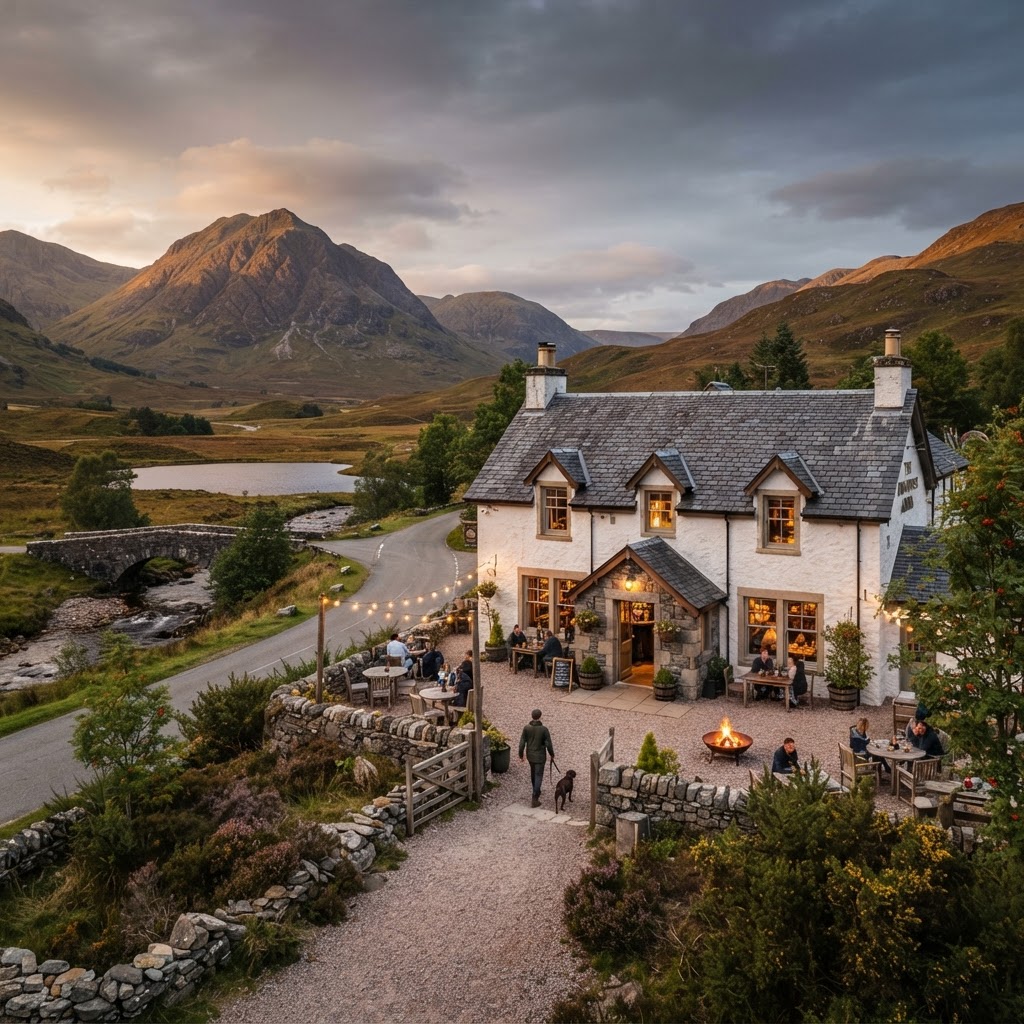
Rural pub investment in Scotland presents distinct challenges and opportunities that set it apart from urban or suburban ventures. Key factors influencing these investments include isolation economics, where the remote location can both limit and enhance appeal; seasonal tourism dependency, requiring strategic planning to capitalize on peak periods; community integration, essential for fostering local support and ensuring sustainable operations; and infrastructure limitations, which can affect supply chains and accessibility. Understanding these unique elements is vital for investors aiming to succeed in the Scottish countryside. This definitive guide by Stay4Hospitality offers in-depth insights and expert advice tailored specifically for those evaluating pubs in Scotland's remote and rural areas, providing the essential framework for informed decision-making. Explore the nuances of rural pub investment in Scotland and uncover the potential within these charming yet challenging locations.
Key Takeaways
- Scotland's rural pubs present lucrative opportunities due to increasing tourism and local patronage.
- Understanding local regulations and licensing is crucial for successful rural pub investments.
- Financial planning, including cost analysis and funding options, is essential for prospective investors.
- Common challenges include seasonal fluctuations and maintaining authenticity while innovating.
- Expert strategies focus on community engagement and leveraging Scotland's cultural heritage.
Why Remote Location Pubs Demand a Different Investment Strategy
Why Remote Location Pubs Demand a Different Investment Strategy
Investing in rural pubs in Scotland requires a nuanced approach that takes into account the unique challenges and opportunities inherent in these remote locales. Unlike their urban counterparts, rural pubs face distinct economic, logistical, and community dynamics that necessitate a specialized investment strategy.
Isolation Economics
Rural pubs often benefit from lower competition due to their isolated locations, which can lead to a more loyal customer base. However, this isolation also comes with increased operating costs. For instance, the reliance on heating oil instead of mains gas can significantly impact energy expenses, particularly during the colder months. Similarly, the absence of municipal sewer systems means that many rural pubs must manage their own septic systems, adding another layer of operational complexity and cost.
Seasonal Revenue Patterns
Rural pubs frequently depend on seasonal tourism, with visitor numbers peaking during the warmer months. This dependency can lead to fluctuating revenue streams, necessitating careful financial planning to ensure sustainability throughout the year. Investors must account for these patterns by developing robust off-season strategies, such as hosting local events or offering special promotions, to maintain steady income.
Community Integration Requirements
Unlike urban pubs, rural establishments often serve as vital community hubs. They are not just places for dining and drinking but also venues for community gatherings and social events. This role can enhance a pub's reputation and customer loyalty but requires investors to engage deeply with local communities. Building strong relationships with residents and participating in community activities can significantly impact a pub's success.
Infrastructure Challenges
Infrastructure can pose significant challenges for rural pub investments. Many rural areas have limited access to modern amenities, such as high-speed internet and reliable transportation networks. Single-track road access can deter potential visitors and complicate supply logistics. Investors need to consider these factors when evaluating potential properties and should be prepared to invest in infrastructure improvements where feasible.
Staffing Recruitment in Remote Areas
Recruiting and retaining staff in remote areas can be particularly challenging due to the limited local workforce. Rural pubs often need to offer competitive wages, accommodation, or other incentives to attract employees from outside the area. This can increase operational costs but is essential for maintaining the high service standards that are crucial for success in the hospitality industry.
In conclusion, while rural pubs in Scotland offer unique investment opportunities, they require a tailored approach that addresses their specific challenges. By understanding and planning for these dynamics, investors can position themselves for success in this distinctive segment of the hospitality market. For more insights on rural pub investments, visit our Scotland Rural Pub Investment Guide 2026.
Rural-Specific Due Diligence: Beyond Standard Pub Acquisition
Rural-Specific Due Diligence: Beyond Standard Pub Acquisition
Investing in a rural pub in Scotland presents unique challenges and opportunities that differ significantly from urban environments. While the standard acquisition process involves market research, financial analysis, and securing financing, rural investments demand additional considerations. For a detailed overview of the standard buying process, refer to our Pubs for Sale Scotland Guide. Below, we focus on rural-specific due diligence steps essential for a successful investment.
Assessing Road Access and Winter Accessibility
Rural pubs often rely heavily on road access, which can be a critical factor during winter months. Evaluate the quality of access roads and their maintenance schedules. Consider the impact of seasonal closures or difficult driving conditions that could deter patrons. Engage with local councils to understand road maintenance plans and any potential infrastructure improvements.
Evaluating Dependence on Single Tourism Season/Route
Many rural pubs benefit from proximity to popular tourist routes like the NC500 or destinations such as Skye. However, reliance on a single tourism season can pose risks. Analyze visitor statistics to gauge seasonal fluctuations and consider diversifying offerings to attract off-season visitors. Collaborate with local tourism boards to explore joint promotional efforts.
Measuring Community Support and Local Patronage Potential
Community support can be a lifeline for rural pubs. Investigate the level of local patronage through surveys or informal community meetings. Establish relationships with local organizations and participate in community events. A strong local customer base can provide stability during off-peak tourist seasons.
Infrastructure Audit: Broadband, Heating, Water, and Waste
Conduct a thorough infrastructure audit to assess essential services. Test broadband speeds to ensure they meet the needs of both operational requirements and customer expectations. Evaluate the age and efficiency of heating systems, the reliability of water sources, and the adequacy of waste disposal facilities. Address any deficiencies to avoid future operational disruptions.
Staffing Feasibility in Remote Locations
Remote locations can pose staffing challenges. Research the local labor market to determine the availability of skilled workers. Consider transport options for staff commuting from nearby areas and explore partnerships with local colleges or training programs to develop a pipeline of potential employees.
Supplier Logistics and Delivery Costs
Rural locations often result in higher delivery costs and logistical challenges. Analyze the supply chain to identify reliable suppliers who can accommodate rural delivery schedules. Negotiate terms that account for potential delays and additional costs. Consider local sourcing options to reduce dependency on distant suppliers.
Emergency Service Response Times
In remote areas, the response time for emergency services can be longer than in urban settings. Assess the proximity and response capabilities of local emergency services. Implement safety measures and staff training to handle emergencies effectively until professional help arrives.
Step-by-Step Rural Diligence Checklist
- Evaluate Road Access: Check road conditions and maintenance schedules.
- Tourism Dependency Analysis: Review visitor stats and diversify offerings.
- Community Engagement: Conduct surveys and build local relationships.
- Infrastructure Audit: Test broadband, inspect heating, water, and waste systems.
- Staffing Strategy: Assess labor availability and develop training partnerships.
- Supplier Logistics: Analyze supply chain and negotiate delivery terms.
- Emergency Preparedness: Review emergency service access and train staff.
By focusing on these rural-specific factors, investors can make informed decisions that enhance the viability and profitability of their rural pub investments in Scotland.
Rural Pub Financial Modeling: Isolation Cost Premiums and Seasonal Cash Flow
# Rural Pub Financial Modeling: Isolation Cost Premiums and Seasonal Cash Flow
Understanding the financial landscape is crucial when investing in rural pubs in Scotland. Here’s a comprehensive analysis of the unique financial modeling considerations for rural pubs, focusing on isolation cost premiums and seasonal cash flow.
Cost Premiums
Investing in rural pubs often involves additional costs due to their isolated locations. Here are some key cost premiums to consider:
- Heating and Utilities: Rural pubs frequently rely on heating oil, which can be 40-60% more expensive than mains gas. This is particularly relevant in remote areas where gas infrastructure is absent.
- Delivery Surcharges: The cost of delivering food, beverages, and other supplies to remote locations can incur surcharges, adding 10-20% to standard delivery costs.
- Insurance Costs: Insurance premiums for properties in remote areas are typically higher due to increased risks such as fire, theft, and weather-related damages.
Seasonal Modeling
Rural pubs in Scotland often experience significant seasonal variations in cash flow, primarily driven by tourism:
- Tourism-Driven Revenue: Many rural pubs generate over 80% of their annual revenue during a six-month tourism window, typically from April to September. This necessitates careful cash flow management to cover expenses during the off-peak months.
- Staffing Costs: Seasonal hiring and providing accommodation for staff can increase operational costs. Budgeting for travel allowances and housing can mitigate staffing challenges.
Regional Benchmarks
The financial performance of rural pubs can vary significantly by region. Here's a comparison:
- Highlands: Pubs along the NC500 route can command higher prices due to increased tourist traffic, yet they face higher isolation premiums. For example, a typical Highland pub may see a 15-25% discount in purchase multiples compared to urban counterparts.
- Islands: Utility costs on the Islands are generally higher due to logistical challenges, while the short tourist season intensifies cash flow pressures.
- Borders: The Borders region offers more stable year-round revenue but still requires strategic planning for seasonal fluctuations.
Worked Financial Example
Consider a Highland NC500 pub versus a Lowlands village pub:
- Highland NC500 Pub:
- Purchase Price: £350,000 (15% discount)
- Annual Revenue: £500,000 (80% during peak season)
- Heating Costs: £12,000 annually
- Insurance Premium: £5,000 annually
- Lowlands Village Pub:
- Purchase Price: £400,000
- Annual Revenue: £450,000 (more evenly distributed)
- Heating Costs: £8,000 annually
- Insurance Premium: £4,000 annually
For more detailed information on standard financing options and purchase considerations, refer to our Pubs for Sale Scotland 2026 Guide.
Investing in rural pubs in Scotland requires a nuanced understanding of these distinct financial challenges. By carefully modeling isolation cost premiums and seasonal cash flows, investors can optimize their strategies for sustainable success.
Navigating Legal and Compliance Requirements
Navigating Legal and Compliance Requirements
Investing in rural pubs in Scotland requires careful attention to unique regulatory considerations that differ from urban settings. Here’s an overview of the key rural-specific legal aspects to consider:
- Septic System Compliance: In areas without mains sewerage, ensuring compliance with septic system regulations is crucial. Investors must verify that existing systems meet environmental standards and that any necessary upgrades are planned and budgeted.
- Planning Permission Challenges: Rural pubs located in conservation areas or national parks face strict planning permission requirements. Any alterations or expansions may require detailed applications and consultations with local planning authorities to ensure compliance with conservation guidelines.
- Food Hygiene Inspections: Remote areas may experience less frequent food hygiene inspections due to logistical challenges. Investors should proactively maintain high standards to avoid potential issues during sporadic inspections.
- Licensing Board Variations: The processing times and requirements for licenses can vary significantly between different licensing boards, such as Highland Council, Argyll & Bute, and Scottish Borders. Understanding these differences is essential for timely and successful license acquisition.
For a comprehensive understanding of the Scottish licensing framework, including general licensing requirements, refer to our Pubs for Sale Scotland Guide.
Remote Location Pitfalls: What Urban Pub Experience Won't Teach You
Remote Location Pitfalls: What Urban Pub Experience Won't Teach You
Investing in rural pubs in Scotland presents unique challenges that differ significantly from urban environments. Understanding these rural-specific pitfalls can be the key to a successful investment.
Infrastructure Pitfalls
Rural pubs often face infrastructure-related challenges that can impact their operations and profitability:
- Underestimating Isolation Costs: Rural pubs may encounter higher costs for heating, delivery, and insurance due to their remote locations. For example, a pub in the Scottish Highlands reported a 30% increase in heating costs compared to its urban counterpart.
- Inadequate Broadband: Modern Point of Sale (POS) and booking systems require reliable internet connectivity, which is often lacking in rural areas. A pub in a remote glen struggled with outdated systems due to poor internet, affecting customer service and operational efficiency.
- Winter Accessibility Issues: Harsh weather can make rural pubs inaccessible. A pub in the Cairngorms faced significant revenue loss during heavy snowfall when roads were impassable.
Seasonal Dependency Risks
Rural pubs often depend heavily on seasonal tourism, which can lead to financial instability:
- Over-Reliance on Single Tourism Season/Route: A pub located on a popular hiking route in the summer faced closure when winter tourism dwindled. Diversifying attractions and events throughout the year can mitigate this risk.
- Climate-Related Costs: Pubs in remote glens are susceptible to storm damage and flooding. One pub in Argyll incurred £20,000 in repairs after a severe storm, highlighting the importance of robust insurance and contingency planning.
Community Integration Failures
Securing community support is crucial for rural pub success:
- Failing to Secure Community Buy-In: A pub in a small village struggled after failing to engage with the local community. Hosting events and collaborating with local businesses can foster goodwill and patronage.
- Understanding Local Supplier Ecosystem: Ignoring local suppliers can lead to higher costs and missed opportunities for community support. A successful pub in the Borders region thrived by partnering with local farms and breweries.
Investors must navigate these rural-specific challenges with strategic planning and community engagement. For more insights on rural pub investments, explore our Complete Guide to Selling a Hotel and related resources.
Rural Pub Revenue Optimization: Leveraging Isolation as an Asset
Rural Pub Revenue Optimization: Leveraging Isolation as an Asset
Maximizing returns on a rural pub investment in Scotland requires strategic planning and execution, particularly in leveraging the unique aspects of rural settings. Here are some expert strategies tailored to rural pubs:
Tourism Route Leverage
Scotland's scenic routes, such as the North Coast 500 (NC500), the Isle of Skye, and the Malt Whisky Trail, present unique opportunities for rural pubs. Positioning your pub as a must-visit stop can significantly boost foot traffic and revenue.
- Strategic Location Marketing: Highlight your pub's proximity to these routes in marketing materials and online listings. Collaborate with travel blogs and tour operators to feature your establishment as a recommended stop.
- Themed Experiences: Offer themed nights or events that align with the local attractions, such as whisky tastings for those traveling the Malt Whisky Trail.
Accommodation Revenue
In areas with limited lodging options, adding accommodation can offer significant ROI. Consider transforming unused space or expanding facilities to include guest rooms.
- ROI Analysis: Conduct a feasibility study to evaluate the potential return on investment for adding accommodations. Focus on high-demand periods linked to local events or peak tourist seasons.
- Unique Stays: Offer distinctive lodging experiences, such as glamping pods or rustic cabins, to attract niche markets looking for unique stays.
Community Partnership Models
Engaging with the local community is crucial in rural settings. Building strong relationships can lead to a loyal customer base and cost-effective marketing.
- Local Events: Host or sponsor local events like farmers' markets, craft fairs, or community gatherings to increase visibility and foster goodwill.
- Supplier Partnerships: Collaborate with local farmers and producers to source ingredients, reducing costs and enhancing the authenticity of your offerings.
Renewable Energy Investments
Investing in renewable energy solutions, such as wind, hydro, or biomass, can be particularly beneficial in remote locations where energy costs are high.
- Payback Analysis: Evaluate the payback period for different renewable energy investments. In many cases, these can lead to significant long-term savings and appeal to eco-conscious visitors.
Case Study: The Highland Success Story
Consider the case of "The Highland Haven," a rural pub that transformed its fortunes through strategic rural-specific initiatives. Located on the NC500, it capitalized on its position by offering themed whisky nights and collaborating with local distilleries. Additionally, the pub expanded its offerings with cozy accommodations, attracting tourists seeking authentic Highland experiences. By investing in local partnerships and renewable energy, The Highland Haven reduced costs and enhanced its community reputation, resulting in a 30% increase in annual revenue.
Implementing these strategies can position your rural pub investment for long-term success and profitability. For more insights on rural pub investments, explore our Complete Guide To Selling A Hotel.
Scottish Rural Pub Transaction Data: Regional Pricing and Performance Benchmarks
Scottish Rural Pub Transaction Data: Regional Pricing and Performance Benchmarks
Investing in rural pubs across Scotland offers unique opportunities and challenges. Understanding regional pricing and performance benchmarks is crucial for making informed decisions. Here's a comprehensive look at the data:
Regional Pricing
Scotland's diverse regions showcase varying pricing trends for rural pubs, reflecting local demand and tourism dynamics:
- Highlands: Average sale prices range from £180,000 to £450,000 for 2024-2026, driven by the area's growing appeal to tourists seeking scenic landscapes.
- Islands: With sale prices between £120,000 and £380,000, the Islands offer unique cultural experiences that attract niche markets.
- Borders: Prices here range from £150,000 to £420,000, supported by steady local patronage and cross-border visitors.
- Argyll: Expect prices from £160,000 to £400,000, benefiting from its rich history and coastal attractions.
Operating Benchmarks
When evaluating rural pub investments, consider these key performance indicators:
- EBITDA Multiples: Rural pubs typically see multiples of 2.5-3.5x, compared to 3.5-4.5x in urban areas, reflecting the different operational dynamics.
- Occupancy Rates: Accommodation occupancy in rural pubs varies, with benchmarks of 65-80% due to seasonal tourist influxes.
- Sales Ratios: Rural pubs often have a 60:40 food to wet sales ratio, contrasting with urban pubs' 50:50 balance. This highlights the importance of a strong food offering.
- Staffing Costs: Higher in rural areas at 32-38% of revenue due to accommodation provisions, compared to 28-32% in urban settings.
- Utility Costs: Rural pubs often rely on oil heating, costing £8,000-£15,000 annually, versus £4,000-£7,000 for mains gas in urban areas.
- Insurance Premiums: Due to remoteness, insurance costs can be 15-30% higher than urban equivalents.
Seasonal Performance Data
Understanding seasonal revenue patterns is vital for managing cash flow effectively:
- NC500 Pubs: These pubs generate up to 70% of their annual revenue between May and September, aligning with peak tourist season.
- Winter Months: Reduced footfall during winter necessitates strategic planning to maintain profitability.
For further insights and strategic advice on investing in rural Scottish pubs, consider exploring our Pubs for Sale Scotland 2026 Guide. This guide offers a deeper dive into the intricacies of the Scottish pub market, including legal and compliance requirements, financial planning, and expert management strategies.
Next Steps and Additional Resources
Next Steps and Additional Resources
Investing in a rural pub in Scotland presents unique opportunities and challenges that require a strategic approach. Here's how you can leverage essential resources to maximize your investment potential.
Immediate Steps to Take
- Conduct a Detailed Feasibility Study: Evaluate the financial viability and potential ROI of your investment with a focus on rural-specific factors like seasonal demand and community engagement.
- Secure Financing: Investigate diverse financing options, including bank loans, government grants, and private investors who specialize in rural properties.
- Engage Local Experts: Work with local real estate agents, business consultants, and legal advisors who understand the nuances of the Scottish rural market.
Downloadable Resources
- Scottish Rural Pub Investment Checklist PDF: This comprehensive checklist covers all rural-specific diligence points to ensure you don't miss any critical factors.
- Rural Pub Financial Model Template: An Excel tool featuring seasonal cash flow modeling and isolation cost premiums to help you plan your finances effectively.
- Due Diligence Document Checklist: Tailored for remote properties, this checklist ensures you have all necessary documents in order.
- Regional Market Comparison Tool: Compare market trends across the Highlands, Islands, Lowlands, and Borders to make informed investment decisions.
- Licensing Application Timeline Chart: Understand the licensing timelines for different Scottish councils to streamline your application process.
Tools and Calculators
- Property Valuation Tool: Calculate the value of potential pub investments with Scotland-specific parameters.
- ROI Calculator: Estimate your potential returns tailored to the Scottish market.
Further Reading and Related Articles
- Pubs for Sale Scotland Guide: For a general overview of buying pubs in Scotland.
- Complete Guide to Hospitality Investments: Broaden your understanding of the hospitality sector.
- Understanding the Scottish Pub Market: Gain insights into the current market dynamics.
- Top Strategies for Hospitality Success: Learn strategies to enhance your pub management skills.
Internal Links for Enhanced Navigation
- Explore Rural Pubs for Sale in Scotland: Discover available properties tailored to your investment needs.
- Parent Guide: Pubs for Sale Scotland 2026 Guide: Access a comprehensive guide on the Scottish pub buying process.
By following these steps and utilizing these resources, you can streamline your investment journey and enhance your chances of success in the Scottish rural pub market. For more in-depth information on the general buying process, visit our Pubs for Sale Scotland 2026 Guide.
Regional Deep Dive: Where Rural Pub Investments Perform Best
Regional Deep Dive: Where Rural Pub Investments Perform Best
Investing in rural pubs across Scotland presents a diverse array of opportunities and challenges, depending on the region. This section provides an in-depth analysis of key areas, helping investors make informed decisions.
Highlands
Average Prices: £180k-£450k
Seasonality: 70% summer revenue concentration
Infrastructure Quality: Moderate, with some areas lacking robust transport links
Tourism vs Local Trade Ratio: Predominantly tourism-driven
Investment Suitability Rating: 4/5
The Highlands are renowned for their stunning landscapes and the famous North Coast 500 (NC500) route, which significantly boosts tourism. However, investors should be aware that the region faces infrastructure challenges, particularly in more remote areas. Pubs here can benefit from high summer footfall, but the seasonal nature of tourism means revenue can dip in winter. Investors must plan strategically to manage cash flow during off-peak months.
Islands (Skye, Mull, Arran)
Average Prices: £120k-£380k
Seasonality: High dependency on summer tourism
Infrastructure Quality: Limited by ferry access
Tourism vs Local Trade Ratio: High tourism dependency
Investment Suitability Rating: 3.5/5
The Scottish Islands offer unique investment opportunities, with Skye, Mull, and Arran being popular tourist destinations. The islands' reliance on ferry services can impact operational costs and logistics. However, the region's push towards renewable energy presents opportunities for eco-friendly pub operations. Investors should consider the balance between tourism influx and the higher logistical costs associated with island operations.
Scottish Borders
Average Prices: £150k-£420k
Seasonality: Lower seasonality, with potential for year-round trade
Infrastructure Quality: Good, with proximity to England enhancing accessibility
Tourism vs Local Trade Ratio: Balanced
Investment Suitability Rating: 4.5/5
The Scottish Borders benefit from their proximity to England, offering excellent infrastructure and lower isolation costs. This region supports year-round trade, making it less vulnerable to seasonal fluctuations. Investors can leverage the area’s strong local trade and capitalize on cross-border tourism, making it a highly suitable investment destination.
Argyll & Bute
Average Prices: £160k-£400k
Seasonality: Moderate, driven by coastal tourism
Infrastructure Quality: Variable, with coastal areas benefitting from tourism
Tourism vs Local Trade Ratio: Tourism-focused, especially around the whisky trail
Investment Suitability Rating: 4/5
Argyll & Bute's position along the coastal trail and the famous whisky trail offers distinct advantages for pub investors. While tourism is a significant revenue driver, pubs can also tap into local trade outside peak tourist seasons. The region's natural beauty and cultural attractions make it appealing for both tourists and residents.
Lowlands Rural
Average Prices: £140k-£370k
Seasonality: Minimal, with stable village community trade
Infrastructure Quality: Excellent, with good commuter links
Tourism vs Local Trade Ratio: Predominantly local trade
Investment Suitability Rating: 4.5/5
The Lowlands offer a unique blend of investment potential with lower seasonality and strong community trade. Excellent infrastructure and commuter links make this region ideal for investors seeking stable, year-round revenue. The vibrant village communities provide a consistent customer base, enhancing investment stability.
Comparison Table
For more detailed property searches in these regions, explore our Highlands, Islands, Scottish Borders, Argyll & Bute, and Lowlands listings.
Integrating Child Cluster Topics: Rural-Specific Operational Challenges
Integrating Child Cluster Topics: Rural-Specific Operational Challenges
Investing in rural pubs in Scotland presents unique operational challenges that require strategic planning and adaptation. Understanding these challenges is crucial for maximizing investment returns and ensuring sustainable operations. Below, we explore seven key areas, each linked to detailed resources for deeper insights.
Road Access and Winter Accessibility
Navigating the picturesque but often remote single-track roads of rural Scotland can pose significant challenges, particularly during winter months. These roads can become impassable due to snow and ice, affecting both customer access and supply deliveries. The need for gritting and snow clearing is essential to maintain operations, yet this can incur additional costs and logistical planning. Investors should assess the impact of potential winter closures on trade and explore contingency plans to mitigate risks. For more detailed strategies, visit our Road Access and Winter Accessibility page.
Staff Recruitment in Remote Areas
Recruiting and retaining staff in remote areas is a well-documented challenge, often requiring the provision of accommodation to attract talent. Seasonal demand fluctuations necessitate a flexible staffing model, balancing seasonal hires with a core year-round team. Additionally, visa considerations for international workers can add complexity to recruitment strategies. Investors should evaluate the cost implications and explore innovative solutions to address these challenges. For comprehensive guidance, see our Staff Recruitment in Remote Areas page.
Tourism Dependency and Seasonality
Rural pubs in Scotland often depend heavily on tourism, with routes like the NC500 driving significant footfall. However, this dependency introduces seasonality challenges, with quieter shoulder and winter seasons impacting revenue. Implementing strategies to boost off-peak trade, such as hosting local events or diversifying offerings, can help mitigate these effects. For actionable insights, explore our Tourism Dependency and Seasonality page.
Supplier Contracts and Delivery Logistics
Rural locations can lead to higher delivery surcharges and minimum order requirements, impacting profitability. Building partnerships with local suppliers can reduce costs and enhance supply chain reliability. Investors should negotiate favorable terms and explore collaborative purchasing arrangements with nearby businesses. For more on optimizing logistics, visit our Supplier Contracts and Delivery Logistics page.
Adding Accommodation Revenue
Enhancing revenue through accommodation offerings can significantly boost a pub's profitability. However, gaining planning permission in rural areas can be complex and time-consuming. Investors should conduct thorough feasibility studies to assess ROI and navigate the planning process effectively. For detailed advice, check our Adding Accommodation Revenue page.
Renewable Energy Investment
Investing in renewable energy sources like wind, hydro, or biomass can offer long-term cost savings and sustainability benefits. Scotland provides various grants and incentives to support such investments, making them financially attractive. Evaluating the payback period and potential energy savings is crucial for informed decision-making. Learn more on our Renewable Energy Investment page.
Broadband and Digital Infrastructure
Reliable broadband and digital infrastructure are critical for modern pub operations, affecting everything from POS systems to online booking platforms. Rural areas often face connectivity challenges, requiring investment in enhanced infrastructure to meet operational needs. Investors should prioritize digital upgrades to remain competitive. For further details, visit our Broadband and Digital Infrastructure page.
By addressing these rural-specific operational challenges, investors can enhance the resilience and profitability of their pub investments in Scotland. Each linked resource provides further depth, supporting informed decision-making and strategic planning.
Case Studies: Successful Rural Pub Investments Across Scotland
Highland NC500 Pub: A Scenic Success Story
Location Type: Highland route of the North Coast 500
Purchase Price: £450,000
Investment Required: £150,000 for renovations
Revenue Breakdown: Seasonal peaks with 70% from tourists, 30% locals
This pub, situated along the iconic North Coast 500, was acquired for £450,000. The new owners invested an additional £150,000 in renovations, focusing on enhancing the guest experience with modern amenities while preserving its historic charm. The pub's strategic location attracts a high volume of tourists, particularly during the summer months, contributing to a robust seasonal revenue pattern. Key success factors included leveraging the NC500 route for marketing and offering unique local experiences. The pub achieved a 20% ROI within the first year, overcoming the challenge of seasonal staffing by forming partnerships with local colleges for temporary hires.
Islands Pub with Accommodation: Community-Centric Growth
Location Type: Scottish islands
Initial Investment: £600,000
Occupancy Rates: 80% average annual occupancy
Food vs Wet Split: 60% food, 40% wet sales
This islands pub, featuring guest accommodation, required an initial investment of £600,000. The business model focused on community integration, hosting local events and sourcing ingredients from nearby farms. With an average annual occupancy rate of 80%, the pub has balanced its food and beverage offerings, generating 60% of its revenue from food sales. Over three years, the pub has seen a steady increase in performance metrics, attributed to its focus on community engagement and sustainable tourism practices.
Borders Village Pub: A Year-Round Destination
Location Type: Borders village
Year-Round Trade Model: 60% locals, 40% tourists
Staffing Solution: Flexible part-time contracts
Purchased for £350,000, this village pub thrives on a year-round trade model, maintaining a 60% local to 40% tourist patron ratio. The owners implemented flexible staffing solutions, offering part-time contracts to retain skilled workers. Financial performance has been strong, with consistent revenue throughout the year due to diversified offerings, including seasonal events and local partnerships. The pub's community-focused approach has fostered loyalty, ensuring a stable customer base.
Argyll Coastal Pub: Tapping into Whisky Tourism
Location Type: Argyll coast
Whisky Tourism Positioning: Key revenue driver
Renewable Energy Investment: Solar panels, reducing costs by 15%
Located on the picturesque Argyll coast, this pub capitalized on whisky tourism by partnering with local distilleries for exclusive tastings, significantly boosting its appeal. The initial investment of £500,000 included £50,000 in renewable energy solutions, such as solar panels, which reduced operational costs by 15%. Supplier partnerships with local producers have enhanced the pub's offerings, leading to a 25% increase in annual returns.
Summary Table
These case studies illustrate diverse strategies and outcomes in the Scottish rural pub market, offering valuable insights for prospective investors.
What are the top factors influencing rural pub profitability in Scotland?
In 2026, key factors affecting rural pub profitability in Scotland include location, community involvement, seasonal tourism, and unique offerings such as local
How can investors assess the potential of a rural pub in Scotland?
Investors should evaluate factors such as historical financial performance, local economic conditions, and competitive landscape. Visiting the pub and the surro
What role does tourism play in the success of rural pubs in Scotland?
Tourism is a significant driver of success for rural pubs in Scotland, as many are located near attractions like historical sites, natural landscapes, and hikin
Are there specific regions in Scotland where rural pub investments are more promising?
Regions such as the Highlands, Isle of Skye, and Speyside are particularly promising due to their popularity with tourists seeking authentic Scottish experience
What are the latest trends in rural pub operations that investors should be aware of?
In 2026, trends include a focus on sustainability, such as sourcing local ingredients and implementing eco-friendly practices. There is also a growing demand fo
How important is community engagement for rural pub success in Scotland?
Community engagement is vital for the success of rural pubs, as they often serve as social hubs. Building strong relationships with locals through events, spons
What are the tax implications for investing in rural pubs in Scotland?
Investing in rural pubs in Scotland involves understanding various tax implications, such as business rates, VAT, and income tax. Investors should consult with
How does rural pub profitability compare to urban Scottish pubs?
Rural Scottish pubs typically operate on lower EBITDA multiples (2.5-3.5x vs 3.5-4.5x urban) due to higher operating costs and seasonal dependency. Isolation pr
What infrastructure challenges should investors assess before buying a remote Scottish pub?
Critical rural infrastructure assessments include: road access (single-track roads, winter closure risk, gritting provision), utilities (mains gas vs oil heatin
Which Scottish regions offer the best balance of rural pub investment opportunity and manageable risk?
Scottish Borders and Argyll & Bute offer the best risk-adjusted rural pub opportunities. Borders pubs (average £150k-£420k) benefit from proximity to England, l
Related Resources
- Scottish Pub Seasonal Trading Pattern Analysis: Winter Revenue Decline, Tourism Dependency and Cash Flow Forecasting for Highland and Island Properties
- Scotland Pub Building Survey Defect Prioritisation: Structural Issues, Damp Remediation and Roof Repair Cost Estimation for Buyer Negotiations
- Scottish Pub Community Buyout Schemes and Asset Transfer Requests: Right to Buy Process, Funding Sources and Competing Against Community Bids
- Pubs for Sale Scotland 2026 Guide
- Browse Rural Pubs for Sale in Scotland
- Road access and winter maintenance obligations for rural Scottish pubs
- Staff recruitment and retention strategies for remote Highland properties
- Tourism dependency and diversification strategies for rural pubs
- Supplier contracts and wholesale pricing for remote locations
- Accommodation addition feasibility and planning requirements
- Renewable energy grants and off-grid power solutions
- Broadband infrastructure and digital payment systems
- What factors affect the valuation of a pub with letting rooms
- How long does it typically take to sell a pub with rooms in the UK
- What are typical ROI expectations for hotel investments in 2026
- What financing options are available for purchasing hospitality properties
- Calculate potential ROI for your Scottish rural pub investment
- Get a free valuation for rural pub properties
- Download our free hospitality property selling guide
- Browse pubs for sale in Scotland
Browse hospitality properties for sale | List your property | Free valuation