Come Acquistare un Bed & Breakfast nelle Highlands Scozzesi
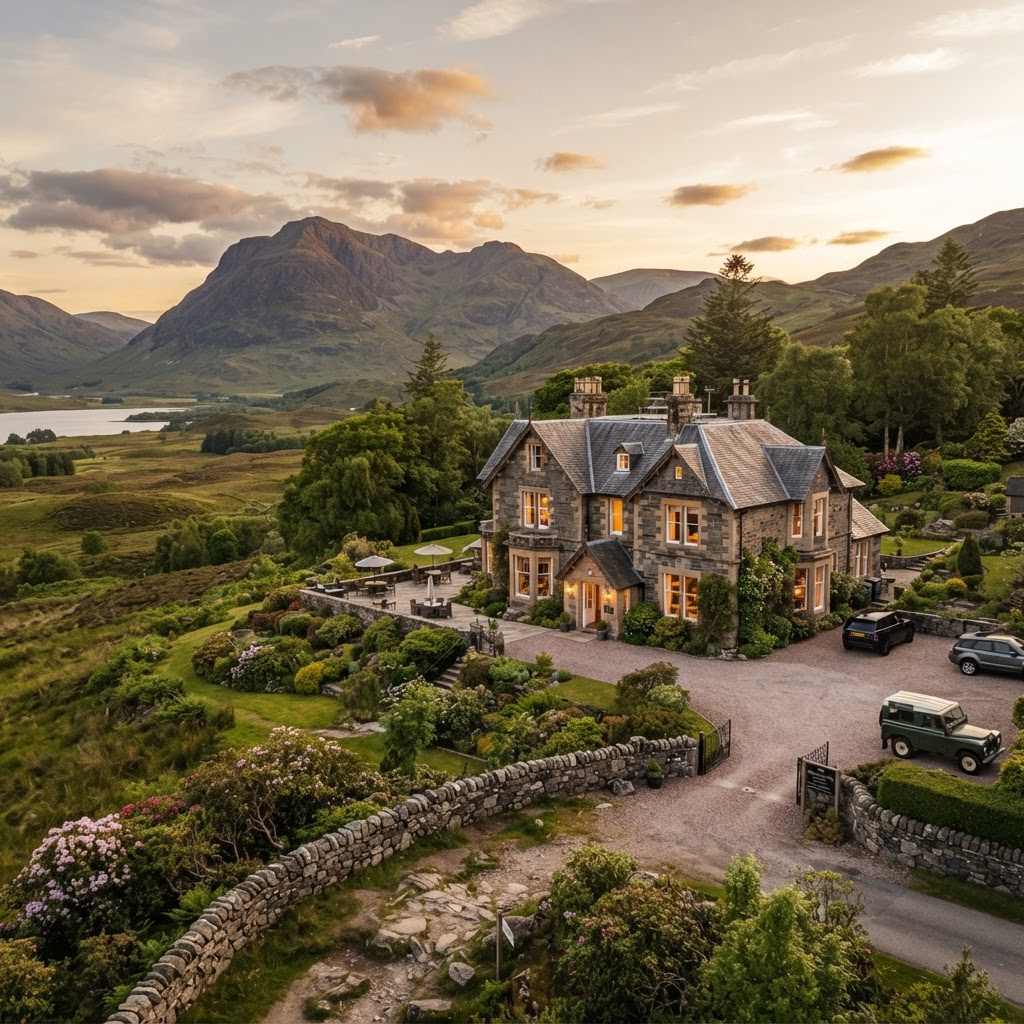
Purchasing a B&B across Scottish Highlands regions is a strategic move for investors drawn to the area's distinct charm and thriving tourism sector. This guide offers a comparative regional analysis, contrasting sub-regions like accessible Inverness-shire with remote islands, each presenting unique investment profiles, infrastructure realities, and ROI potential. Unlike single-location guides such as our Drumnadrochit resource, this guide evaluates Highland B&B regions on occupancy rates, pricing, seasonality, financing, and operational challenges to align with your investment goals. For those considering selling, our complementary selling guide provides additional insights. Dive into Highland-wide market trends and strategic considerations with a focus on 2026 market insights, ensuring a well-rounded understanding of the Scottish Highlands' hospitality landscape. This resource is your definitive guide, complete with links to related articles and tools for further exploration.
Key Takeaways
- Understand the unique appeal and market dynamics of the Scottish Highlands.
- Follow a detailed step-by-step guide to purchasing a B&B in this region.
- Learn about the legal and financial considerations specific to the Highlands.
- Avoid common pitfalls with expert advice from industry veterans.
- Utilize checklists and downloadable resources to streamline your purchase process.
- Access tools and calculators to assist with budgeting and financial planning.
- Explore related articles for broader insights into hospitality investments.
Why Invest in a B&B in the Scottish Highlands?
Why Invest in a B&B in the Scottish Highlands?
The Scottish Highlands, with their awe-inspiring natural landscapes and vibrant cultural heritage, stand as a premier destination for tourists from across the globe. This unique appeal translates into a compelling investment opportunity within the hospitality sector, particularly for Bed and Breakfasts (B&Bs).
Unique Attractions and Market Dynamics
The Highlands boast a multitude of natural wonders such as the towering Ben Nevis, the legendary Loch Ness, and the dramatic Isle of Skye. These sites draw millions of visitors annually, creating a substantial demand for accommodations. Historical landmarks like Eilean Donan Castle and cultural festivities such as the Highland Games further attract tourists year-round, ensuring a consistent influx of guests seeking authentic experiences.
Regional Tourism Growth and Market Trends
Tourism in the Scottish Highlands is experiencing robust growth, outpacing the national average. According to recent data, the region anticipates a 5% annual increase in visitor numbers through 2026, driven by a rise in eco-tourism and adventure travel. The Highlands see over 5 million overnight stays annually, with international tourists contributing significantly to this figure. This trend underscores the increasing demand for unique and personalized lodging experiences that B&Bs are well-positioned to offer.
Highland Sub-Regions: A Comparative Analysis
Each sub-region within the Highlands offers distinct tourism profiles:
- Inverness-shire: Known as the "Gateway to the Highlands," Inverness-shire is a bustling hub with excellent transport links, making it a strategic location for B&B investment. Its proximity to Loch Ness and Culloden Battlefield enhances its appeal.
- Argyll: Offers a blend of coastal beauty and historical sites. The region's rich maritime history and access to the Inner Hebrides make it attractive for cultural tourism.
- Perthshire: Renowned for its lush landscapes and outdoor activities, Perthshire attracts nature lovers and adventure seekers.
Buyer Demand and Investor Profiles
The demand for B&Bs in the Highlands is driven by diverse buyer profiles, including:
- Local Entrepreneurs: Seeking to capitalize on the region's tourism boom.
- International Investors: Attracted by the area's global reputation and potential for high returns.
- Retirees: Looking to invest in a lifestyle business in a picturesque setting.
Competitive Advantages
Investing in a B&B in the Scottish Highlands offers several competitive advantages:
- High Demand: The steady flow of tourists ensures a consistent customer base.
- Cultural Richness: The unique Scottish culture, from music to cuisine, enriches the guest experience.
- Government Support: Initiatives to enhance tourism infrastructure and promote sustainable practices support the hospitality sector.
Conclusion
The Scottish Highlands' unmatched attractions, coupled with favorable market dynamics and strong tourism growth, make it an ideal location for B&B investment. For more detailed guidance on purchasing a B&B in this region, explore our Complete Guide to Purchasing a B&B in the Scottish Highlands.
Step-by-Step Guide to Purchasing a B&B
# Step-by-Step Guide to Purchasing a B&B
This guide provides a Highland-wide regional comparison framework. For a detailed case study of purchasing in a specific Highland location, see our Drumnadrochit B&B buyer guide, which applies these principles to Loch Ness properties.
Purchasing a B&B in the Scottish Highlands is a strategic investment that requires careful planning and execution. This comprehensive guide will walk you through each step of the process, ensuring a successful transaction and a thriving business.
Initial Research
- Market Analysis: Begin by conducting a thorough analysis of the local market. Understand demand trends, seasonal fluctuations, and identify potential competitors. Utilize reliable resources like VisitScotland and the Scottish Tourist Board to gather data on tourism patterns and economic factors affecting the hospitality sector.
- Identify Properties: Use platforms like Stay4Hospitality to search for B&Bs that align with your criteria in terms of size, location, and budget. Consider the type of guest experience you wish to offer and how different properties can meet those needs.
- Regional Location Comparison: Assess various Highland areas to determine the best location for your B&B. Compare factors such as:
- Proximity to Tourist Attractions: Inverness offers access to Loch Ness, while the Isle of Skye is renowned for its dramatic landscapes.
- Accessibility: Fort William is well-connected by rail and road, enhancing guest access.
- Local Amenities and Community Support: Evaluate community engagement in tourism, which can vary significantly across regions.
- Occupancy Rates and ADR (Average Daily Rate): Inverness often boasts higher occupancy rates, while Skye may offer higher ADR due to its unique appeal.
Site Visits
- Property Inspection: Schedule visits to shortlisted properties. Evaluate the condition of each property, its proximity to key attractions, and potential renovation needs. Pay attention to structural integrity, aesthetic appeal, and the potential for expansion.
- Engage Local Experts: Consider hiring a local property agent with expertise in B&B transactions. Their local knowledge can be invaluable in evaluating properties and negotiating terms.
Financial Assessment
- Valuation and Offer: Conduct a formal property valuation to understand its market value. Make a realistic offer based on this valuation, taking into account negotiation margins and any identified renovation costs.
Due Diligence and Legal Checks
- Due Diligence: Conduct thorough due diligence by reviewing financial records, occupancy rates, and ensuring legal compliance. This includes checking the property's history, existing bookings, and any outstanding debts or liens. Regional variations in due diligence may include:
- Inverness: Focus on year-round occupancy trends.
- Skye: Pay attention to seasonal peak management.
- Legal Advice: Engage a solicitor experienced in Scottish property law to handle legal documentation. Ensure compliance with local regulations, including the Scottish B&B Short-Term Let Licensing, which is crucial for operating legally.
Finalizing the Purchase
- Contract Signing: Once negotiations are complete and all checks are satisfactory, proceed to sign the purchase contract. Ensure all terms are clearly understood and agreed upon by both parties.
- Ownership Transfer: Complete the transfer of ownership with the Land Register of Scotland. This step finalizes your acquisition and legally registers you as the new owner.
Additional Considerations
- Surveys: Ensure necessary surveys are completed, including structural, septic, and building standards. Refer to our Scottish Highlands B&B Property Survey Requirements for detailed guidance.
- Water and Utilities: Verify the water supply and quality. For properties with private wells, ensure compliance with local regulations as outlined in our Highland B&B Water Supply and Quality Testing.
By following these steps and utilizing expert resources, you can make a well-informed decision and secure a B&B in the Scottish Highlands that promises profitability and growth. For more detailed insights and tools, explore our related guides and resources.
Financial and Budgetary Considerations
Financial and Budgetary Considerations
Investing in a B&B in the Scottish Highlands involves navigating a diverse financial landscape, with regional nuances influencing costs and returns. Understanding these variations is crucial for optimizing your investment's potential.
Typical Purchase Prices by Region
The Scottish Highlands offer a range of purchase prices that differ significantly between sub-regions. Here's a breakdown of typical price ranges:
- Drumnadrochit: £250,000 - £400,000
- Fort William: £300,000 - £500,000
- Aviemore: £350,000 - £600,000
- Isle of Skye: £450,000 - £750,000
- Oban: £400,000 - £650,000
These figures vary based on property size, condition, and specific location attributes. For detailed property valuation, refer to our valuation methods guide.
Revenue Projections and Seasonal Variations
Revenue potential in the Highlands is influenced by location and seasonality. For instance, on the Isle of Skye, summer occupancy rates can reach 80-90%, while winter occupancy may fall to 40-50%. In contrast, Aviemore benefits from winter sports tourism, with higher winter occupancy. Average room rates range from £70 to £150 per night, contingent on amenities and location.
Operating Costs
Operating a B&B in the Highlands involves distinct cost considerations:
- Heating Expenses: Due to the colder climate, heating costs are significant. Consult our Highland B&B Energy Performance and Heating Cost Analysis for comprehensive insights.
- Utility Connection Costs: Properties in remote areas might rely on private systems, increasing utility costs compared to mains-connected properties.
- Insurance Premiums: Insurance costs can vary by region, with remote locations potentially incurring higher premiums due to accessibility challenges.
ROI Timeline Examples
The ROI for a Highland B&B varies based on initial investment, location, and operational efficiency. Typically, investors might expect an ROI within 5-10 years. A B&B in Fort William, with its high tourist footfall and effective cost management, may achieve a quicker ROI compared to more isolated locations.
Funding Options
To finance your B&B purchase, consider these options:
- Traditional Bank Loans: Usually require a 20-30% deposit, with terms varying by location.
- Government Grants: VisitScotland and Highlands and Islands Enterprise provide grants to support tourism businesses.
- Private Investors: Collaborating with investors interested in hospitality can provide financial leverage.
Tools and Resources
Utilize our ROI calculator to project potential returns based on various scenarios. Explore related articles and guides throughout our site for further purchasing strategies.
By understanding and planning for these regional financial factors, you can enhance the success of your investment in the Scottish Highlands B&B market.
Legal Requirements and Compliance
Legal Requirements and Compliance
Operating a B&B in the Scottish Highlands requires a keen understanding of the diverse legal and regulatory frameworks specific to each region. This section provides an overview of key compliance challenges and strategic planning tailored to the unique Highland landscape.
Strategic Compliance Planning
When purchasing a B&B in the Highlands, it's crucial to consider the regional variations in legal requirements. Different areas face distinct challenges, and strategic compliance planning can help you navigate these effectively. Comparing compliance needs across locations ensures you make informed investment decisions.
Short-Term Let Licensing
Securing a Short-Term Let (STL) license is mandatory for B&B operators. The process is overseen by the Highland Council, which enforces local standards. Notably, Island and West Coast properties often experience longer STL licensing timelines due to higher demand and regulatory scrutiny. For a comprehensive guide, visit our Scottish B&B Short-Term Let Licensing Application Process page.
Building Standards and Environmental Compliance
Ensuring compliance with building standards is vital. Properties in Perthshire frequently require private septic system compliance due to the rural nature of the area. For more information, consult our Scottish Highlands B&B Property Survey Requirements resource.
- Water Supply: Properties in remote regions often rely on private wells. Ensure water quality through regular testing. Visit our Highland B&B Water Supply and Quality Testing guide for detailed insights.
- Energy Efficiency: Align with sustainable practices by enhancing energy efficiency, particularly in areas with high heating costs. Our Highland B&B Energy Performance and Heating Cost Analysis offers valuable strategies.
Highland-Wide Legal Considerations
- Property Laws: Confirm clear ownership through title deeds and be aware of local property taxes. Registration for VAT is required if your B&B's turnover surpasses the threshold.
- Licensing and Permits: Obtain the necessary accommodation license from the local council and ensure food safety registration if you provide meals.
- Health and Safety: Regular fire risk assessments and appropriate insurance coverage, including public liability insurance, are essential.
Understanding these requirements not only ensures compliance but also builds guest trust and safety. For further insights into related topics, explore our guides on Highland-specific compliance, ensuring you are well-prepared for successful B&B operations in this picturesque region.
Avoiding Common Pitfalls
When it comes to purchasing a B&B in the Scottish Highlands, first-time buyers often encounter several pitfalls that can impact their investment. Understanding these common mistakes and how to avoid them can save you both time and money.
Common Mistakes and How to Avoid Them
- Underestimating Operating Costs: Many buyers focus solely on the purchase price and overlook ongoing expenses such as utility bills, maintenance, and staffing costs. To avoid this, conduct a detailed financial analysis, including all potential expenditures.
- Inadequate Market Research: Failing to research the local market can lead to purchasing in an area with low demand. Use tools such as market analysis reports and tourism statistics to understand guest demographics and seasonal trends.
- Neglecting Legal Due Diligence: Overlooking legal requirements can result in costly compliance issues. Ensure you consult with a local property lawyer to navigate zoning laws, licensing, and health and safety regulations.
- Ignoring the Competition: Not evaluating your competition can leave you unprepared for market conditions. Visit local B&Bs to gauge their strengths and weaknesses and identify your unique selling proposition.
Strategies for Success
- Engage a Local Real Estate Agent: Choose an agent familiar with the Scottish Highlands to help identify properties that fit your criteria.
- Develop a Business Plan: Outline your business objectives, financial projections, and marketing strategies.
- Consult Experienced Investors: Join forums and attend workshops to gain insights from those who have successfully purchased B&Bs in similar areas.
Implementing these strategies can help you avoid common pitfalls and set the foundation for a successful B&B investment.
Expert Tips for a Successful B&B Investment
Expert Tips for a Successful B&B Investment
Transitioning from purchasing to running a successful B&B in the Scottish Highlands requires strategic planning and execution. Here are expert tips to help you maximize your investment, tailored to the unique characteristics of this picturesque region.
Choosing the Right Highland Location
Selecting the right location is crucial for your B&B’s success. The Scottish Highlands offer diverse landscapes and tourist attractions, each appealing to different types of investors:
- Inverness-shire: Known for its accessibility and robust infrastructure, this region offers easier financing options but faces higher competition due to its popularity. Ideal for investors looking to tap into a well-established market with year-round tourist traffic.
- Argyll: Coastal properties here command premium rates, attracting tourists with its stunning landscapes and cultural heritage. However, extreme seasonality requires strategic planning to manage off-peak periods effectively.
- Isle of Skye: Offers breathtaking scenery and a unique cultural experience, appealing to niche markets. Consider the challenges of accessibility and higher operational costs when investing in island properties.
Understanding Seasonal Trading Patterns
Each Highland area has its unique seasonal trading patterns, impacting occupancy rates and pricing strategies:
- Inverness-shire: Enjoys a steady flow of visitors throughout the year, with peaks during summer festivals and winter holidays. Leverage this consistency by maintaining competitive pricing year-round.
- Argyll: Experiences significant summer traffic, making it essential to maximize income during these months. Consider offering off-season retreats to maintain occupancy.
- Isle of Skye: Faces seasonal fluctuations, with summer months drawing the majority of tourists. Develop unique winter packages to attract visitors during quieter periods.
Highland B&B Buyer Profiles
Understanding the profiles of successful B&B buyers in 2026 can guide your investment decisions:
- Hands-On Owners: Typically involved in daily operations, they thrive in areas with consistent tourist footfall like Inverness-shire.
- Lifestyle Investors: Often semi-retired individuals seeking a change of pace, they prefer tranquil settings like Argyll.
- ROI-Focused Investors: Prioritize financial returns and often invest in properties on the Isle of Skye, leveraging high seasonal demand.
Maximizing Success and Profitability
- Optimize Guest Experience: In the hospitality industry, guest satisfaction is paramount. Focus on creating a unique experience that reflects the charm of the Highlands. Consider offering personalized tours or local culinary experiences.
- Leverage Technology: Use management software to streamline operations such as bookings, payments, and guest communication. Tools like Cloudbeds and Little Hotelier can improve efficiency and reduce manual workload.
- Sustainable Practices: Implement eco-friendly practices to attract environmentally-conscious travelers. This could include sourcing local produce, reducing waste, and using renewable energy sources.
- Effective Marketing Strategies: Develop a robust online presence through social media, a user-friendly website, and listings on popular travel platforms like Airbnb and Booking.com. Highlight unique features and guest testimonials.
Insider Insights
- Network with Local Businesses: Partner with local attractions and businesses to offer exclusive packages or discounts.
- Stay Updated on Tourism Trends: Regularly review tourism reports to adapt to changing traveler preferences and market conditions.
- Invest in Staff Training: A well-trained staff can enhance guest experiences and foster a positive reputation.
By following these tips, you can enhance the profitability and reputation of your B&B, ensuring long-term success in the competitive Highlands market. For more detailed guidance, visit our Complete Guide To Selling A Hotel.
Tools and Resources for B&B Buyers
Essential Tools and Resources for B&B Buyers
Navigating the purchase of a B&B in the Scottish Highlands requires access to the right tools and resources. Here’s an expanded list to assist you in making informed decisions.
- Financial Calculators: Estimating your financial commitments is crucial. Use our B&B Mortgage Calculator to determine monthly payments and understand your investment's financial viability.
- Market Analysis Tools: Platforms like STR Global and AirDNA provide invaluable insights into occupancy rates and average daily rates (ADR) specific to the Highlands, helping you gauge potential revenue streams.
- Property Valuation Services: For an accurate assessment of property value, consider services like local estate agents or our own Property Valuation Tool tailored for Highland properties.
Downloadable Resources
- Highland B&B Buyer Checklist: Download our comprehensive Highland B&B Buyer Checklist PDF to ensure you cover all critical steps from initial research to final purchase. It's an indispensable resource for prospective buyers.
- Business Plan Template: This template helps you articulate your vision, objectives, and strategies for your B&B, ensuring that you have a clear roadmap for success.
- Legal Compliance Guide: Access our guide detailing essential legal requirements specific to the Scottish Highlands, ensuring you remain compliant with local regulations.
Tools for Further Exploration
Utilizing these tools and resources will equip you with the knowledge necessary to make strategic purchasing decisions, ensuring a sound investment in the Scottish Highlands. For more detailed guidance on selling a B&B, visit our parent pillar page. Additionally, explore our FAQ pages to answer any questions about the B&B buying process. For a deeper dive into specific topics like licensing and property surveys, refer to our related guides on Highland B&B Short-Term Let Licensing and Scottish Highlands B&B Property Survey Requirements.
Next Steps: Launching Your B&B
Once you've successfully purchased your B&B in the Scottish Highlands, the next phase is launching your business. Here are the steps to ensure a smooth transition from purchase to operation.
Initial Steps to Launch
- Property Renovation and Setup: Ensure that your property meets the aesthetic and functional standards expected by guests. This may include renovations, interior design updates, and installation of necessary amenities.
- Staff Recruitment and Training: Hire professionals who share your vision for exceptional guest service. Invest in training programs to equip your team with the skills needed for successful operations.
- Marketing and Promotion: Establish a marketing plan that includes online and offline strategies. Utilize social media platforms, SEO-optimized websites, and local partnerships to attract visitors.
- Soft Launch: Consider a soft launch period to refine operations and gather feedback before your official opening. This allows you to make improvements based on real guest experiences.
Ongoing Operations and Growth
- Customer Relationship Management (CRM): Implement CRM systems to manage guest interactions, improve customer service, and drive repeat business.
- Continuous Improvement: Regularly evaluate guest feedback and industry trends to refine your offerings and stay competitive.
- Community Engagement: Build relationships with local businesses and tourism boards to expand your network and attract more guests.
By following these steps, you'll position your B&B for success, ensuring a seamless and prosperous operation. Remember, the key to thriving in the hospitality industry is adaptability and a commitment to providing an unforgettable guest experience.
Highland Location Comparison: Where to Buy Your B&B
Highland Location Comparison: Where to Buy Your B&B
Purchasing a B&B in the Scottish Highlands requires a strategic understanding of the region's diverse locations. Below is a detailed comparison of five notable Highland destinations: Inverness-shire, Argyll, Perthshire, the West Coast, and the Islands.
Inverness-shire
Inverness-shire, often referred to as the capital of the Highlands, offers a blend of urban convenience and natural beauty. Occupancy rates range from 68% to 75%, with an Average Daily Rate (ADR) of £95 to £120. The region sees an annual tourism volume of approximately 500,000 visitors, bolstered by its role as a transport hub. Infrastructure is robust, with over 90% broadband availability and widespread mains water connections. STL licensing is streamlined, typically processed within 6-8 weeks by the Highland Council. This area attracts both lifestyle buyers seeking a vibrant community and investment buyers interested in year-round business potential.
Argyll
Argyll is known for its scenic beauty and cultural heritage. Occupancy rates here vary between 60% and 70%, with an ADR of £85 to £110. The region draws around 350,000 tourists annually. Broadband coverage is improving, with 80% availability, though some rural areas may rely on private wells. STL licensing can take 8-12 weeks. Buyers in Argyll are typically lifestyle-oriented, drawn by the tranquil surroundings and community-focused living.
Perthshire
Perthshire, the "Big Tree Country," offers a lush landscape ideal for outdoor activities. Occupancy rates are consistent at 65% to 72%, with an ADR of £90 to £115. The area welcomes approximately 400,000 tourists each year. Infrastructure is strong, with 85% broadband availability and reliable mains water. STL licensing is efficient, with a timeline of 6-10 weeks. The region appeals to both lifestyle and investment buyers, with a slight lean towards those interested in eco-tourism and nature retreats.
West Coast
The West Coast, encompassing areas like Fort William, offers dramatic landscapes and adventure tourism. Occupancy rates vary from 70% to 78%, with an ADR of £100 to £130. The tourism volume is around 450,000 annually. Infrastructure challenges include 75% broadband availability and a higher likelihood of private water supplies. STL licensing can be slower, taking up to 12 weeks. This region attracts investment buyers focused on adventure tourism, as well as lifestyle buyers seeking a picturesque setting.
Islands
The Islands, including Skye and the Outer Hebrides, are renowned for their unique landscapes and cultural richness. Occupancy rates are high, ranging from 75% to 85%, with an ADR of £110 to £150. The islands see about 300,000 tourists annually. Infrastructure can be challenging, with 70% broadband coverage and frequent reliance on private wells (see [water guide]). STL licensing varies by council, often taking 10-14 weeks. Buyers are typically divided between lifestyle seekers and those investing in niche tourism markets.
Analyzing Location Trade-offs
When deciding where to buy your B&B, consider the unique attributes of each location. Inverness-shire offers urban amenities and strong transport links, ideal for year-round business. Argyll provides a serene setting, appealing to lifestyle buyers with a focus on community and nature. Perthshire balances natural beauty with accessibility, attracting eco-tourism enthusiasts. The West Coast is perfect for adventure tourism, though infrastructure can be a consideration. The Islands offer high occupancy rates and niche market opportunities but require careful planning around infrastructure.
Ultimately, the choice between these locations depends on your target market and business model. Whether you prioritize urban convenience, cultural richness, or natural beauty, the Scottish Highlands offer a diverse range of opportunities for B&B investors. Consider the trade-offs between occupancy rates, accessibility, and tourism appeal to make an informed decision that aligns with your investment goals.
Explore current listings in these regions on our B&Bs for Sale in the Scottish Highlands page.
Case Studies: Successful Highland B&B Purchases
Case Studies: Successful Highland B&B Purchases
Exploring real-world examples of successful B&B purchases in the Scottish Highlands provides valuable insights for prospective buyers. Below, we highlight four anonymized case studies showcasing diverse investor profiles and their journeys to profitability across different regions.
Case Study 1: Lifestyle Buyer in Inverness-shire
Location Type: Urban
Purchase Price Range: £400,000 - £500,000
Financing Structure: 60% mortgage, 40% personal savings
Due Diligence Findings: Strong year-round demand, reliable mains utilities
First-Year Performance: 75% occupancy, £150,000 gross revenue
Operation: Year-round
A couple from London, seeking a lifestyle change, purchased a charming B&B in Inverness-shire. Attracted by the urban setting and proximity to tourist attractions, they invested an additional £75,000 in renovations, focusing on modernizing guest rooms and enhancing the property's curb appeal. They achieved profitability within 18 months by leveraging local partnerships and offering unique experiences like guided city tours. Key Success Factors: Personalized guest experiences and strong local partnerships. Lessons Learned: Adapting to seasonal fluctuations by diversifying offerings and targeting off-peak travelers.
Case Study 2: Strategic Investor in Argyll
Location Type: Coastal
Purchase Price Range: £550,000 - £650,000
Financing Structure: 70% mortgage, 30% investor group
Due Diligence Findings: Seasonal peaks, ferry-dependent access
First-Year Performance: 60% occupancy, £130,000 gross revenue
Operation: Seasonal
An investor from Glasgow purchased a coastal B&B in Argyll, drawn by its scenic views and potential for seasonal peaks. The property required an additional £100,000 in upgrades to maximize guest comfort and efficiency. Despite challenges related to ferry-dependent access, the investor achieved profitability by the end of the second year by catering to niche markets such as birdwatchers and marine enthusiasts. Key Success Factors: Developing niche market appeal and optimizing ferry schedules for guests. Lessons Learned: Importance of contingency planning for transportation disruptions.
Case Study 3: Budget-Conscious Buyer in Perthshire
Location Type: Rural
Purchase Price Range: £250,000 - £350,000
Financing Structure: 50% mortgage, 50% personal investment
Due Diligence Findings: Private well/septic, lower price point
First-Year Performance: 70% occupancy, £100,000 gross revenue
Operation: Year-round
A young entrepreneur from Edinburgh, with a focus on budget-conscious investment, acquired a quaint B&B in Perthshire. The property, equipped with a private well and septic system, required minimal upgrades. By focusing on eco-tourism and marketing the B&B's sustainable features, the buyer reached profitability within the first year. Key Success Factors: Leveraging sustainability as a unique selling point and minimizing operational costs. Lessons Learned: The value of targeting eco-conscious travelers and maintaining efficient water management systems.
Case Study 4: Premium Investor on the Isle of Skye
Location Type: Island
Purchase Price Range: £700,000 - £800,000
Financing Structure: 80% mortgage, 20% private equity
Due Diligence Findings: Extreme seasonality, premium pricing potential
First-Year Performance: 65% occupancy, £180,000 gross revenue
Operation: Seasonal
An investor from London acquired a premium B&B on the Isle of Skye, capitalizing on the island's allure and high-end tourism potential. With a significant renovation budget of £200,000, the property was transformed to attract luxury travelers. Despite extreme seasonality, profitability was achieved by the end of the second year through exclusive packages and premium pricing strategies. Key Success Factors: Targeting high-net-worth individuals and offering bespoke experiences. Lessons Learned: Necessity of robust marketing during off-seasons and leveraging Skye's unique cultural events.
Each case study illustrates the diverse approaches and strategies leading to successful B&B investments in the Scottish Highlands. Prospective buyers can learn from these examples by aligning their investment strategies with the unique characteristics of their chosen location. For more insights, visit our Highland B&B Buyer Guide.
Highland B&B Regional Risk Matrix
Highland B&B Regional Risk Matrix
Purchasing a B&B in the Scottish Highlands requires a nuanced understanding of regional dynamics. The Highland B&B Regional Risk Matrix provides a comprehensive overview of key risk factors across different sub-regions, enabling potential buyers to make informed decisions. Each area is scored on a scale of 1 to 5, with 1 indicating low risk and 5 indicating high risk, across six critical factors: infrastructure reliability, seasonality severity, competition density, planning/licensing complexity, resale liquidity, and capital growth potential.
Interpreting the Matrix
Inverness-shire offers a balanced profile with moderate infrastructure reliability and a strong potential for capital growth. Its central location makes it appealing, though buyers should be mindful of its moderate competition density.
Argyll presents higher competition and planning complexities, which can be challenging for new entrants. However, its scenic landscapes and cultural heritage offer solid appeal for niche markets.
Perthshire stands out with high capital growth potential and relatively straightforward planning processes, making it an attractive option for investors seeking long-term appreciation.
The West Coast is marked by its stunning natural beauty but faces significant challenges with infrastructure and planning. Buyers should consider these factors against the backdrop of lower competition.
The Islands offer unique charm and low competition density but are hindered by severe seasonality and complex licensing processes, making them suitable for seasoned investors with a strong understanding of local market dynamics.
Using the Matrix
Buyers should leverage this matrix to align their investment strategies with their risk tolerance and business objectives. For instance, an investor prioritizing capital growth might focus on Perthshire, while someone seeking a less competitive market might explore the Islands despite their challenges. Comprehensive due diligence, informed by this matrix, will help in crafting a strategic entry into the Highland B&B market.
For further insights into specific regions and investment strategies, explore our Highland Location Comparison and related guides. The understanding gained here will empower your decision-making process, ensuring a successful and rewarding investment in the Scottish Highlands.
What are the key factors to consider when choosing a location for a B&B in the Scottish Highlands?
Selecting the right location is crucial for your B&B's success in the Scottish Highlands. Consider proximity to popular tourist attractions, accessibility by ro
How do I assess the potential profitability of a B&B in the Scottish Highlands?
To evaluate profitability, analyze the local market demand and average occupancy rates. Review financial records and revenue streams of similar B&Bs in the area
What renovation considerations should be made when purchasing a B&B in the Scottish Highlands?
Renovations may be necessary to meet safety standards and enhance comfort. Assess the property's current condition, focusing on structural integrity, plumbing,
How can I secure financing for purchasing a B&B in the Scottish Highlands?
Financing options include commercial property loans, business expansion loans, and private investors. Prepare a comprehensive business plan demonstrating projec
What are the cultural considerations when operating a B&B in the Scottish Highlands?
Understanding local customs and traditions is vital for creating an authentic experience. Familiarize yourself with regional festivals, cuisine, and historical
How do I market a B&B in the Scottish Highlands to attract international guests?
To attract international visitors, leverage online platforms like booking sites and social media. Highlight unique aspects of the Highlands, such as scenic beau
How does remoteness affect financing options for Highland B&Bs?
Remote Highland B&B properties can face stricter lending criteria from traditional banks due to perceived higher risk and lower resale liquidity. Lenders typica
What are typical occupancy rates for Highland B&Bs outside peak season?
Highland B&B occupancy rates vary significantly by location and season. Peak summer months (June-August) typically achieve 80-95% occupancy in popular areas lik
Should I buy an established B&B or convert a residential property in the Highlands?
Buying an established Highland B&B offers immediate income, proven trading history for financing, existing guest reviews, and operational systems in place. Purc
Which Highland region offers the best ROI for B&B buyers?
ROI varies significantly by buyer profile and strategy. Inverness-shire properties near towns typically deliver steadier year-round occupancy (65-75%) with mode
Are Island B&Bs harder to finance than mainland Highland properties?
Yes, Island and remote West Coast B&Bs typically face stricter lending criteria. Lenders view ferry-dependent access, private utilities (well/septic), and extre
How does seasonality differ between Inverness-shire and Argyll B&Bs?
Inverness-shire B&Bs, particularly near Inverness and along the A9 corridor, benefit from year-round business tourism, NC500 shoulder-season traffic, and winter
Related Resources
- Scottish B&B Licensing and Compliance in Highland: STL, Fire Safety, Food Hygiene and Planning Requirements
- Financing a Highland B&B Purchase: Scottish Lender Requirements, Deposit Expectations and Cash Flow Projections
- Highland B&B Due Diligence Checklist: Structural Surveys, Septic Systems, Broadband and Highland-Specific Issues
- Browse B&B Properties for Sale in the Scottish Highlands
- Get a Free Property Valuation for Your Highland B&B
- Complete guide to selling a bed and breakfast
- Bed and breakfast valuation methods
- Highland B&B water supply and quality testing requirements
- Highland B&B heating cost analysis and energy performance
- Highland B&B septic system and drainage compliance
- Scottish B&B short-term let licensing process
- Highland B&B broadband and digital infrastructure assessment
- Scottish Highlands B&B property survey requirements
- Buy a bed and breakfast in Drumnadrochit
- What financing options are available for purchasing hospitality properties
- How much deposit do I need to buy a hotel
- Do I need a property valuation before listing my hotel or B&B for sale
- Calculate your hospitality ROI
- Download our free selling guide
- Browse bed and breakfasts for sale
Browse hospitality properties for sale | List your property | Free valuation