Guida agli Investimenti nei Resort delle Highlands Scozzesi
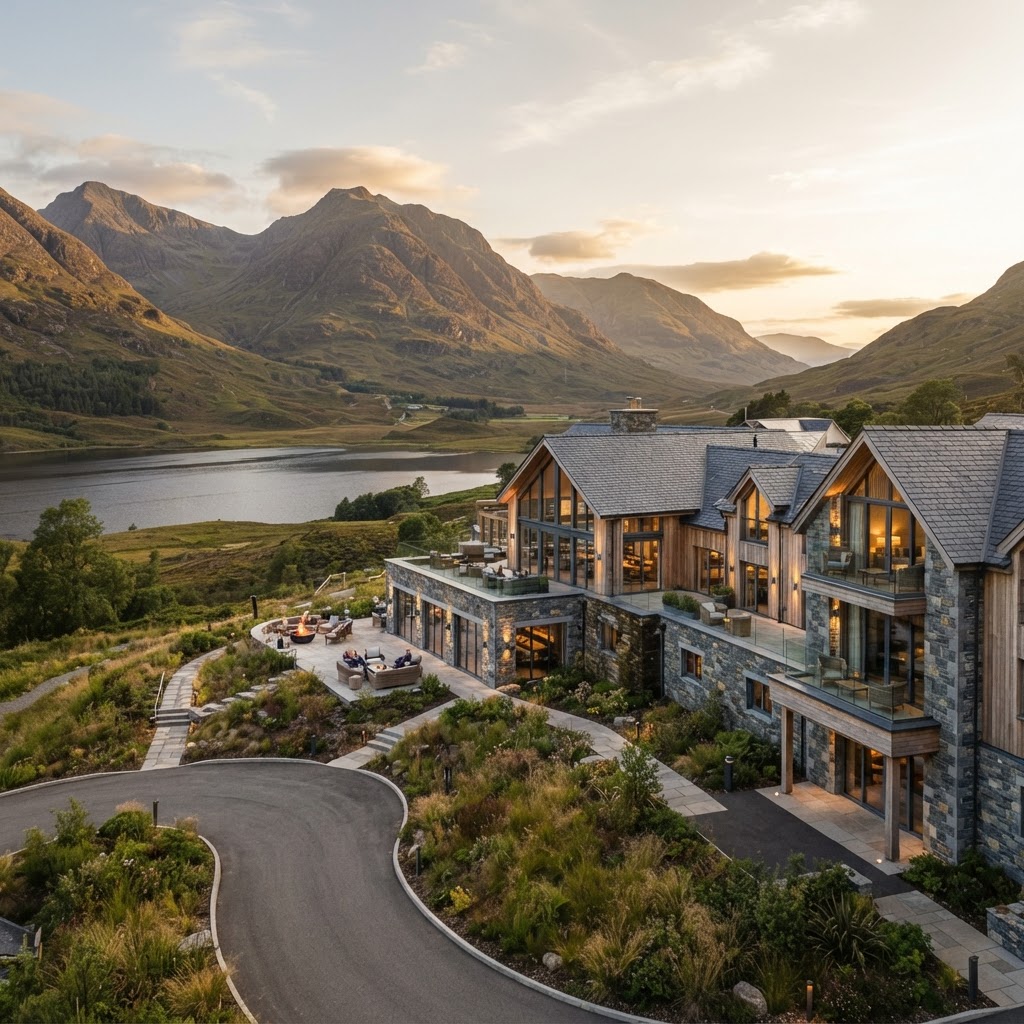
Investing in Scottish Highlands resorts offers a unique opportunity to enter one of the most picturesque and culturally rich regions of the UK. This comprehensive guide explores every facet of investing in these stunning landscapes, from understanding the market dynamics and tourism trends to navigating legal requirements and maximizing returns. Whether you're a seasoned investor or new to the hospitality sector, our detailed insights and expert advice will equip you with the knowledge needed to make informed decisions and succeed in the Scottish Highlands resort market.
Key Takeaways
- Scottish Highlands resorts are a growing investment opportunity due to increasing tourist interest.
- Understanding local market trends is crucial for successful investments in this region.
- Investors should be aware of unique legal and environmental considerations in the Highlands.
- Expert strategies can help maximize returns on resort investments.
- A detailed step-by-step guide is essential for navigating the purchasing process.
Understanding the Scottish Highlands Resort Market
Understanding the Scottish Highlands Resort Market
The Scottish Highlands, renowned for their breathtaking landscapes and rich cultural heritage, have emerged as a premier destination for both tourists and investors. As of 2026, the resort market in the Scottish Highlands is experiencing robust growth due to several key factors.
Market Dynamics
The region's unique appeal is driven by its natural beauty, historic sites, and outdoor activities like hiking, fishing, and golf. This diversity attracts a wide range of tourists, from adventure seekers to those looking for relaxation and luxury. The increasing number of international flights to airports such as Inverness and expanding road networks have also improved accessibility, further boosting tourism.
High-Performing Resort Locations
- Loch Ness Corridor: Known for its iconic loch and mythical monster, this area remains a top tourist draw. Recent transactions show boutique lodges selling for approximately £1.5 million, with occupancy rates averaging 80% year-round.
- Cairngorms National Park Gateway Towns (Aviemore and Grantown-on-Spey): These towns are pivotal access points to the national park, with properties like a 40-room resort in Aviemore typically listed around £4 million. Such resorts report annual revenues exceeding £2 million, driven by both winter sports and summer hiking.
- Isle of Skye Access Points (Kyle of Lochalsh): As a gateway to the Isle of Skye, this area sees high demand, with smaller inns priced around £800,000. Occupancy rates here often surpass 85% during peak seasons.
- Glencoe Area: Known for its dramatic landscapes, Glencoe attracts outdoor enthusiasts. Properties in the area, such as a 15-room guesthouse, can command prices of £1.2 million, with occupancy rates stable at 75%.
- Fort William: As a base for Ben Nevis climbers, Fort William features diverse accommodation options. A typical 10-room boutique lodge might be priced at £1 million, with strong seasonal occupancy.
Infrastructure Developments
- A9 Dualling Project: This major infrastructure project aims to improve the A9 road, enhancing accessibility to the Highlands. Completion is expected by 2027, significantly reducing travel times and boosting property values.
- Inverness Airport Expansion: Plans to expand the airport are underway, promising increased connectivity with direct flights to major European cities. This development is set to further elevate the region's appeal to international investors.
Demand Drivers
- Year-Round Appeal: The Scottish Highlands offer activities and attractions that cater to all seasons, from skiing in winter to festivals and wildlife tours in summer.
- Eco-Tourism Trends: With a global shift towards sustainable travel, the Highlands' focus on preserving natural landscapes aligns perfectly with eco-conscious travelers.
- Cultural and Heritage Tourism: Sites like the Eilean Donan Castle and the Jacobite Steam Train (featured in the Harry Potter films) draw history enthusiasts and fans alike.
- Domestic Tourism Increase: Post-pandemic trends show a rise in UK residents choosing local destinations over international travel, bolstering domestic tourism.
Tourism Trends
The Highlands have seen a 15% increase in tourist numbers annually since 2024, with an expected continuation of this trend. This rise is supported by government initiatives promoting Scotland as a top tourist destination. The local hospitality industry, including resorts, plays a crucial role in accommodating this influx, creating a lucrative market for investors.
For more insights and detailed guidance on investing in Scottish Highlands resorts, visit our Complete Guide to Investing in Scottish Highlands Resorts.
Step-by-Step Guide to Investing in Highlands Resorts
Step-by-Step Guide to Investing in Highlands Resorts
Embarking on an investment in the Scottish Highlands requires a strategic approach. Here's a detailed step-by-step guide tailored to make your investment journey successful.
1. Identify Opportunities
Begin by researching potential locations. Look for areas with high tourist traffic and untapped potential. Consider resorts near popular attractions like Loch Ness or the Cairngorms National Park. Utilize specific data sources for a comprehensive analysis:
- VisitScotland Tourism Statistics Portal: Offers insights into visitor numbers and trends.
- Highland Council Planning Applications Database: Helps identify upcoming developments that could impact your investment.
- Scottish Assessors Association Property Records: Provides property valuation data.
- Commercial Property Portals: Explore listings and market trends for available properties.
Allocate 4-6 weeks for thorough market research to ensure you identify the best opportunities.
2. Conduct Due Diligence
- Market Analysis: Evaluate current occupancy rates and average daily rates (ADRs) to gauge profitability.
- Competitor Analysis: Study existing resorts' offerings and identify gaps that your investment could fill.
Request and review these essential documents:
- Minimum 3 years P&L Statements: Understand financial health and trends.
- Monthly Occupancy Reports: Break down by room type to assess performance.
- Current Staff Contracts and Pension Obligations: Identify ongoing commitments.
- Comprehensive Maintenance Logs: Review building and grounds upkeep.
- Environmental Surveys and Planning Permissions History: Ensure compliance and understand any restrictions.
Plan for 8-12 weeks to complete the due diligence process.
3. Financial Planning
Prepare a detailed financial model, including projected revenues, operational costs, and initial investment requirements. Use this model to assess potential ROI and ensure alignment with your investment goals.
4. Secure Funding
Explore available funding options, such as bank loans, private equity, or government grants. Ensure that your financial plan aligns with the funding option chosen. Consider consulting with financial advisors to optimize your funding strategy.
5. Negotiate and Close the Deal
Engage with sellers or agents to negotiate terms. Ensure that all legal documents are reviewed by a professional to avoid future disputes. Legal completion typically takes 6-8 weeks.
6. Engage Local Expertise
Collaborate with local experts, including real estate agents, legal advisors, and tourism consultants, to navigate the unique challenges of the Highlands market. Their insights can be invaluable in understanding local regulations and cultural nuances.
Cultural Management Considerations
Understanding the cultural landscape is crucial for successful resort management in the Highlands. From local traditions to community engagement, these factors can significantly impact your resort's appeal and operations. Explore our in-depth guide on Cultural Management Considerations for more insights.
7. Resort Development and Operations
Once acquired, focus on developing the property to meet market demands. This could involve renovations, adding amenities, or enhancing marketing efforts. Incorporate sustainable practices to appeal to eco-conscious travelers.
8. Launch and Market the Resort
Develop a comprehensive marketing strategy targeting both domestic and international tourists. Leverage online platforms and local tourism boards to maximize reach. Consider partnerships with travel agencies and influencers to enhance visibility.
By following this structured approach, you'll be well-positioned to make a successful investment in the Scottish Highlands resort market. For further resources, visit our Parent pillar page and explore related guides and tools.
Financial Considerations and Funding Options
Financial Considerations and Funding Options
Investing in a resort in the Scottish Highlands necessitates meticulous financial planning and a comprehensive understanding of the funding options available. Here, we delve deeper into the financial landscape with concrete examples and detailed analysis.
Detailed Cost Breakdown
- Acquisition Costs: Prices vary significantly based on location and size. For example, a 10-room lodge in Fort William might cost between £800,000 and £1.2 million, whereas a 40-room resort in Aviemore could range from £3 million to £5 million.
- Fort William Lodge: £800,000 - £1.2 million
- Aviemore Resort: £3 million - £5 million
- Development Costs: Renovation and upgrade expenses can range from £200,000 to £1 million. For a comprehensive renovation of a 10-room lodge, budget around £300,000, while a 40-room resort might require upwards of £1 million.
- Operational Costs: These include staffing, utilities, maintenance, and marketing, typically amounting to 30-50% of revenue. For instance, a 10-room lodge might have annual operational costs of £120,000, while a 40-room resort could see costs of £600,000.
Seasonal Revenue Model
Understanding the seasonal dynamics of the Highlands market is crucial:
- Peak Season (June-August): Occupancy rates range from 75-90%, with Average Daily Rates (ADR) peaking.
- Shoulder Seasons (April-May, September-October): Expect occupancy rates of 50-65%.
- Winter Season (November-March): Typically 30-45% occupancy, except during Christmas/New Year and ski season weeks, where rates can surge.
Funding Options
- Traditional Bank Loans: A common choice for many investors, these loans offer competitive interest rates and structured repayment plans.
- Private Equity: Suitable for investors open to sharing ownership in return for capital infusion.
- Government Grants: The Scottish Government provides grants aimed at boosting local tourism and employment, an excellent resource for reducing initial capital outlay.
- Crowdfunding: Particularly viable for unique or culturally significant projects, enabling community involvement and additional funding streams.
For more detailed information on financing, visit our FAQ on financing options for purchasing hospitality properties.
Return on Investment (ROI)
Investors can anticipate an average ROI of 8-12% annually, contingent on factors such as location, market conditions, and management efficiency. Resorts that focus on unique experiences or eco-friendly practices often surpass these benchmarks. For a detailed understanding of calculating ROI, refer to our FAQ on hotel ROI calculations.
Example Scenarios
- 10-Room Lodge in Fort William: Acquisition at £1 million, with a £300,000 renovation. Projected annual revenue of £200,000, operational costs at 40%, yielding an ROI of around 9%.
- 40-Room Resort in Aviemore: Acquisition at £4 million, with a £1 million upgrade. Estimated annual revenue of £1 million, operational costs at 40%, providing an ROI of approximately 10%.
Leveraging Tourism Trends
To maximize your investment, understanding and leveraging current tourism trends is essential. For strategies on how to capitalize on tourism growth in the Scottish Highlands, explore our child page on tourism trend leverage strategies.
Legal and Compliance Requirements
Legal and Compliance Requirements
Investing in a resort in the Scottish Highlands involves navigating a complex legal landscape. Here's what you need to know:
Legal Regulations
- Property Laws: Understanding Scotland's property laws is crucial, as they differ significantly from the rest of the UK. It's advisable to seek expert legal advice to navigate these differences effectively. For more detailed guidance, visit our FAQ on navigating hospitality property legalities for first-time buyers.
- Land Use and Zoning: Ensure the property is appropriately zoned for commercial use. Changes in land use may require additional permits and adherence to local planning regulations. Timelines for obtaining these permits can vary, so early consultation with local authorities is recommended.
Environmental Considerations
The Highlands are renowned for their pristine environments, necessitating strict adherence to environmental regulations:
- Environmental Impact Assessments (EIAs): These are mandatory for any significant development or expansion to assess potential environmental impacts.
- Sustainability Practices: Incorporating eco-friendly practices is not only beneficial for compliance but also appeals to the growing segment of eco-conscious travelers. Consider exploring eco-friendly upgrade opportunities to enhance your resort's environmental credentials and attract more guests.
Compliance Issues
- Health and Safety: Adherence to health and safety regulations is non-negotiable to ensure the well-being of both staff and guests. Regular audits and updates are necessary to maintain compliance.
- Fire Safety Regulations: These are particularly stringent in the Highlands, requiring regular inspections and certifications. It's important to establish a routine for compliance checks.
Licensing Requirements
- Alcohol Licenses: If your resort plans to offer alcohol, securing the appropriate licenses is mandatory. The process involves local council approval and may take several weeks.
- Hospitality Licenses: Ensure all operational licenses are up to date and cover all planned activities. This may include licenses for entertainment, food service, and accommodations.
Navigating these legalities can be complex, so partnering with local legal experts can help ensure compliance and smooth operation of your resort investment. For further insights into eco-friendly improvements and their benefits, check out our dedicated page on eco-friendly upgrade opportunities.
Avoiding Common Investment Pitfalls
Avoiding Common Investment Pitfalls
Investing in Scottish Highlands resorts offers an alluring opportunity for hospitality investors, but it's crucial to navigate potential pitfalls to ensure a profitable venture. Here are some common mistakes and strategies to avoid them:
Understanding Local Regulations
The Scottish Highlands have unique zoning laws and environmental regulations. Many investors overlook these, leading to unexpected delays and costs. Before purchasing, consult with local planning authorities to ensure that your intended use aligns with regional policies. Engaging a local legal advisor familiar with the Highlands' regulatory landscape can save time and resources.
Conducting Thorough Due Diligence
Inadequate due diligence is a frequent error. Investors must comprehensively analyze the resort's financial health, including:
- Revenue streams: Assess current occupancy rates, average daily rates (ADR), and revenue per available room (RevPAR).
- Operational Costs: Review historical expenses and maintenance records.
- Legal obligations: Verify existing contracts and any pending legal disputes.
Case Study: Successful Investment
A 15-room lodge near Loch Ness was purchased for £1.4M in 2019. The new owners invested £300K in renovations, focusing on eco-friendly upgrades and enhancing guest amenities. By 2023, the lodge achieved a 68% average occupancy rate and generated a 14% annual ROI. This success was attributed to thorough due diligence and strategic marketing that capitalized on the area's natural allure.
Assessing Seasonal Variability
The Highlands' resorts often experience significant seasonal fluctuations in tourism. Failing to account for these can skew profit expectations. Create a robust financial model that factors in:
- Off-peak strategies: Develop marketing plans to attract visitors during low seasons.
- Seasonal staffing: Adjust workforce needs to align with demand variations.
Case Study: Seasonal Planning Success
A resort in Aviemore implemented an off-peak strategy by hosting winter sports events and partnering with local ski schools. This approach increased winter occupancy rates by 30% and maintained steady cash flow throughout the year.
Building Local Relationships
Neglecting to establish strong local partnerships can hinder your success. Collaborate with local businesses and tourism boards to boost marketing efforts and enhance guest experiences. These relationships can also provide insights into community-driven events and promotional opportunities.
Cautionary Case Study: Overlooking Local Ties
An investor acquired a boutique hotel in Fort William without engaging with the local community. The lack of local partnerships led to missed promotional opportunities and a 15% drop in expected revenue during the first year. This highlights the importance of integrating into the local network.
By proactively addressing these pitfalls, investors can pave a smoother path toward successful resort ownership in the Scottish Highlands. For a comprehensive guide on navigating the investment landscape, visit our Complete Guide To Selling A Hotel and explore related resources on investing in Scottish lodges.
Expert Strategies for Maximizing Resort Returns
To enhance profitability and ensure the long-term success of your Scottish Highlands resort investment, consider implementing these expert strategies tailored specifically to the unique characteristics of the Highlands hospitality market:
Diversifying Revenue Streams
Beyond traditional room revenue, consider expanding into ancillary services that command premium pricing in the Highlands market. Properties that successfully diversify revenue streams typically see 25-40% higher EBITDA margins compared to accommodation-only operations.
High-impact revenue additions include:
- Spa and wellness facilities – Adding a spa can increase average daily rate (ADR) by £45-80 per room and generate £150,000-300,000 in standalone spa revenue annually for mid-sized resorts. Thermal experiences and treatments using local ingredients (seaweed, heather, Scottish botanicals) perform particularly well
- Adventure tourism experiences – Guided hiking, wildlife safaris, fishing expeditions, and mountain biking packages tap into the Highlands' natural assets. Outdoor activity packages typically add £30-60 per guest per day
- Wedding and events venue – Scottish Highlands weddings command premium pricing (£8,000-25,000+ per event). Properties with wedding licenses report this represents 15-30% of annual revenue, with peak season bookings often secured 18-24 months in advance
- Local cuisine experiences – Cooking classes, whisky tastings, and farm-to-table dining options. Properties with destination restaurants see 20-35% higher food and beverage revenue per available room
- Corporate retreats and team-building – Off-season corporate bookings (October-March) help smooth seasonal revenue fluctuations
Successful Highlands resorts typically generate 45-60% of total revenue from non-accommodation sources, compared to the UK hospitality average of 30-35%.
Leveraging Digital Marketing
In today's digital landscape, a sophisticated online presence directly impacts booking conversion rates and reduces dependency on high-commission OTA channels. Highlands resorts with strong direct booking channels achieve 40-55% direct bookings versus the industry average of 25-30%.
Effective digital strategies include:
- Implementing a content marketing strategy showcasing local attractions, seasonal highlights, and authentic Highland experiences. Properties publishing 2-4 blog posts monthly see 35% higher organic traffic
- Using influencer partnerships targeting adventure travel, luxury lifestyle, and eco-tourism niches. Micro-influencers (10,000-100,000 followers) typically deliver better ROI than celebrity partnerships
- Investing in professional photography and video – Properties with high-quality visual content see 47% higher engagement rates and 28% higher average booking values
- Optimizing for "near me" and mobile searches – 68% of leisure travelers search for accommodation on mobile devices
- Building email marketing campaigns for past guests – repeat guests spend 33% more per visit and cost 5-7 times less to acquire
Enhancing Guest Experience
Guest satisfaction directly correlates with pricing power and occupancy rates. Highlands properties with review scores above 4.5/5 achieve 15-20% higher ADR and 8-12% higher occupancy than comparable properties scoring below 4.0.
Investment priorities that deliver measurable returns:
- Staff training programs focusing on Highland hospitality traditions and local knowledge. Well-trained staff improve guest satisfaction scores by 0.3-0.5 points
- Facility upgrades – Modern bathrooms, quality bedding, and effective heating systems are non-negotiable in the Highlands climate. Room refurbishments typically deliver ROI within 2-3 years through higher rates and reduced maintenance costs
- Smart technology integration – Mobile check-ins, digital concierge services, and in-room tablets reduce operational costs by 12-18% while improving guest convenience
- Curated local experiences – Partnerships with local guides, estates, and artisans create authentic experiences that guests pay premium prices for and remember long after checkout
High guest satisfaction leads to repeat visits (repeat guests represent 30-45% of bookings for top-performing Highlands resorts) and positive online reviews, which influence 93% of travelers' booking decisions.
Sustainable Practices
The eco-conscious traveler represents a rapidly growing demographic, with 76% of UK travelers stating sustainability influences their accommodation choices. Highlands properties with verified sustainability credentials achieve 8-15% higher occupancy and can command 10-20% rate premiums.
Practical sustainability initiatives include:
- Renewable energy sources – Solar panels, biomass heating, and heat pumps. Initial investment of £50,000-150,000 typically delivers payback within 5-8 years through reduced energy costs (30-50% reduction)
- Waste reduction programs – Comprehensive recycling, composting, and single-use plastic elimination. Average cost savings of £8,000-15,000 annually for 30-50 room properties
- Eco-friendly amenities – Refillable toiletries, locally sourced products, and chemical-free cleaning supplies appeal to conscious travelers while reducing costs
- Water conservation – Low-flow fixtures and rainwater harvesting systems reduce water costs by 25-40%
- Local sourcing commitments – Partnering with Highland farmers, fishermen, and producers reduces food miles, supports the local economy, and creates authentic dining experiences
Properties with Green Tourism certification or similar credentials report this influences booking decisions for 35-40% of their guests.
Planning Your Exit Strategy
While building long-term value, successful investors also consider eventual exit opportunities. The Highlands resort market has seen strong transaction activity, with well-positioned properties achieving 8-12x EBITDA multiples. Understanding what buyers value—consistent cash flow, diversified revenue, strong online reputation, and transferable systems—should inform your operational decisions from day one. Whether you're planning to hold for 5, 10, or 15+ years, structuring your business for eventual sale maximizes your options and property value. For detailed guidance on preparing your Highlands resort for sale, timing the market, and maximizing sale price, see our comprehensive Exit Strategies for Scottish Resort Sellers guide, which covers valuation optimization, buyer profiles, transaction structures, and tax-efficient exit planning specific to the Scottish hospitality market.
By incorporating these Highlands-specific strategies, investors can significantly improve their resort's financial performance, guest appeal, and long-term asset value. Properties that execute across multiple dimensions—revenue diversification, digital presence, guest experience, and sustainability—consistently outperform the market by 20-35% in both occupancy and rate metrics.
Benchmarks and Performance Data
Benchmarks and Performance Data
Understanding key performance metrics and historical data is essential for evaluating the potential of your Scottish Highlands resort investment. Here’s what to focus on:
Key Performance Indicators (KPIs)
- Occupancy Rate: A healthy occupancy rate in the Highlands typically ranges between 65-85%, influenced by seasonal tourism patterns. For instance, coastal resorts often reach the higher end of this range during summer months, while inland properties may see a dip to around 60% in winter.
- Average Daily Rate (ADR): Highlands resorts often achieve an ADR of £120-£180 for mid-market hotels. Budget lodges generally range from £80-£120, while luxury resorts can command £200-£400+.
- Revenue per Available Room (RevPAR): A critical metric, with successful resorts targeting £90-£150. In popular areas like Loch Ness, RevPAR can exceed £150 during peak season.
Market Benchmarks
- Growth Trends: The Highlands have seen a 5% annual increase in tourism, driven by international visitors and domestic holidaymakers. This growth is particularly notable in eco-friendly resorts, which reported a 10% increase in bookings in 2025.
- Competitive Analysis: Analyze comparable properties to understand market positioning and pricing strategies. For example, resorts near tourist hotspots like the Isle of Skye tend to maintain higher occupancy and ADR.
Seasonal Performance Variations
Seasonal fluctuations are pronounced in the Highlands. During peak summer months (June-August), occupancy rates can soar to 85%, while winter months may see a reduction to 60-70%. ADR also fluctuates, with summer rates often 20-30% higher than winter.
Historical Data
Utilize historical data to gauge performance expectations. For instance, in 2025, the Highlands experienced a surge in eco-tourism, leading to a 10% increase in bookings for resorts with sustainable practices.
Comparative Analysis Table
By understanding and analyzing these benchmarks and data, investors can make informed decisions and set realistic performance goals for their resort investments. For more on calculating ROI, see our FAQ on hotel investment calculations.
Next Steps and Additional Resources
After familiarizing yourself with the essentials of investing in Scottish Highlands resorts, it's time to take actionable steps toward your investment journey:
Actionable Next Steps
- Identify Potential Properties: Use platforms like Stay4Hospitality to explore available resort listings in the Highlands.
- Engage with Local Experts: Connect with real estate agents specializing in the Highlands to gain insights into the best investment opportunities.
- Financial Planning: Work with financial advisors to establish a budget and funding strategy, considering both purchase and operational costs.
Downloadable Resources
- Investment Checklist: Download our comprehensive checklist to ensure you cover all bases during your investment process.
- Market Analysis Report: Access the latest data and trends in the Scottish Highlands tourism sector.
Links to Tools and Related Articles
- Property Valuation Calculator: Access Here
- Guide to Sustainable Hospitality Investments: Read More
- FAQ on Buying Resorts in Scotland: Explore FAQs
By following these steps and utilizing available resources, you can confidently navigate the complex process of investing in the Scottish Highlands. For more detailed guidance, explore our related articles and tools to deepen your understanding and enhance your investment strategy.
Scottish Highlands Resort Investment Toolkit
Scottish Highlands Resort Investment Toolkit
Investing in the Scottish Highlands resorts requires careful planning and thorough analysis. To support your investment journey, we've developed a comprehensive Scottish Highlands Resort Investment Toolkit. This toolkit includes essential resources designed to streamline your decision-making process and enhance your investment strategy.
Downloadable Resources
1. Scottish Highlands Resort Investment Checklist (PDF)
This detailed checklist guides you through critical due diligence steps necessary when considering resort investments in the Highlands. It covers:
- Property Inspection Items: Evaluate structural integrity, amenities, and compliance with safety standards.
- Financial Document Requests: Secure recent financial statements, tax records, and occupancy rates.
- Legal Verification Checklist: Confirm property titles, zoning laws, and environmental regulations.
How to Use: Use this checklist to ensure no critical aspect is overlooked during your investment assessment. It serves as a roadmap from initial interest to final acquisition.
Download the Investment Checklist
2. Property Evaluation Scorecard (Printable)
This scorecard allows investors to compare multiple resort opportunities based on key performance metrics:
- Location Score: Assess accessibility, nearby attractions, and local competition.
- Property Condition: Review the building’s age, recent renovations, and deferred maintenance.
- Revenue History: Analyze a 3-year trend, seasonality patterns, and market positioning.
- Development Potential: Identify planning permissions, expansion opportunities, and repositioning options.
How to Use: Print and fill out this scorecard for each potential property to objectively compare and contrast their strengths and weaknesses, aiding in a data-driven investment decision.
Download the Property Evaluation Scorecard
How These Resources Benefit Investors
These resources are meticulously crafted to provide investors with a structured approach to evaluating resort opportunities in the Scottish Highlands. By leveraging these tools, you can:
- Enhance Decision-Making: Gain clarity on investment viability and risk factors.
- Optimize Financial Planning: Align your budget with real-world requirements, from deposits to working capital.
- Ensure Compliance: Navigate legal and environmental obligations with confidence.
For further insights, visit our Parent Pillar Page and explore related guides on Scottish Hospitality Investment and Financial Planning Milestones. Access additional tools and calculators through our Tools & Calculators page.
These resources are part of our commitment to providing authoritative and actionable content for hospitality investors. By equipping yourself with the right tools, you can confidently navigate the dynamic landscape of Scottish resort investments.
What are the top factors influencing the success of a resort investment in the Scottish Highlands?
The success of investing in Scottish Highlands resorts hinges on several factors: location accessibility, unique local experiences, and the quality of amenities
How do seasonal fluctuations affect resort profitability in the Scottish Highlands?
Seasonal fluctuations can significantly impact resort profitability in the Scottish Highlands. Peak tourist seasons, such as summer and winter, often see higher
What environmental considerations should I be aware of when investing in a Scottish Highlands resort?
Investing in a Scottish Highlands resort requires attention to environmental regulations and sustainability practices. Ensuring compliance with local conservati
Are there any tax incentives for investing in resorts in the Scottish Highlands?
Investors in the Scottish Highlands may benefit from various tax incentives, such as reliefs for capital expenditures on property improvements or energy-efficie
What role does local culture play in the success of a Highlands resort?
Embracing local culture is crucial for the success of a Highlands resort. Offering authentic Scottish experiences, such as traditional cuisine, Highland games,
How can I assess the competitive landscape of resorts in the Scottish Highlands?
Assessing the competitive landscape involves analyzing existing resorts' offerings, pricing, and customer reviews. Identifying gaps in the market, such as uniqu
What are the key trends in Scottish Highlands tourism that could impact resort investments?
Key trends in Scottish Highlands tourism include a growing interest in sustainable travel, wellness tourism, and experiential travel. Resorts that integrate eco
Related Resources
- Hotels for Sale in Scotland: Buying Guide
- Legal Considerations for Hotel Buyers in Scotland
- Scottish Hotel Renovation Cost Analysis
- List Your Property
- Property Valuation
- cultural management strategies for Highlands properties
- leverage current tourism trends in the Scottish Highlands
- eco-friendly renovation opportunities
- exit strategies when you're ready to sell your Highlands resort
- explore financing options for hospitality property purchases
- understand legal considerations for first-time hospitality buyers
- learn how investors calculate ROI on hotel properties
- typical ROI expectations for hotel investments in 2026
- Calculate your potential ROI
- Download our free selling guide
- Browse available resorts for sale
- Explore hotels for sale in Scotland
Browse hospitality properties for sale | List your property | Free valuation