Cost of Buying a Hotel in Morocco
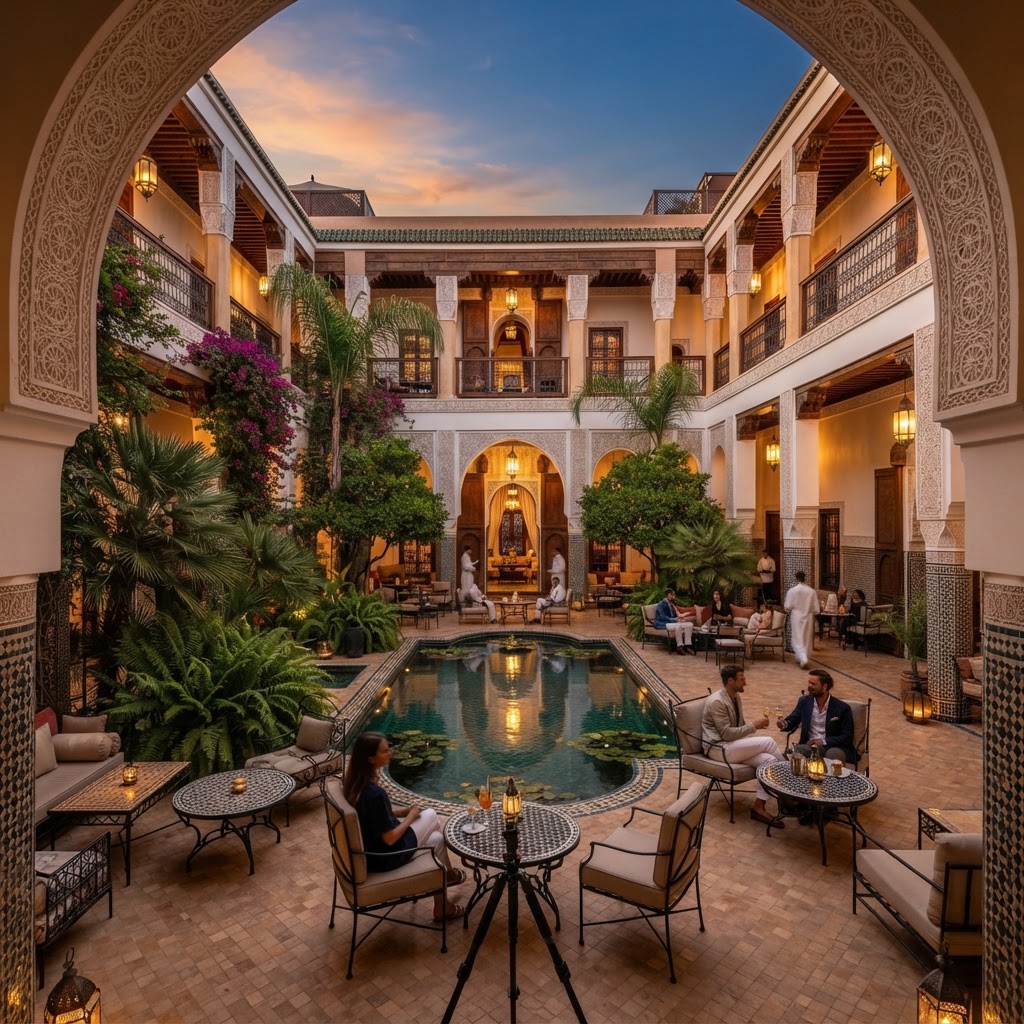
Understanding the cost of buying a hotel in Morocco is critical for investors eyeing this vibrant hospitality market. Morocco's diverse landscapes—from bustling Marrakech to serene coastal towns—offer lucrative investment opportunities, but prices vary significantly based on location, property type, and amenities. This definitive guide breaks down every cost factor, from acquisition prices and renovation expenses to legal fees and financing options in 2026. Whether you're looking for a luxury riad, a beachfront resort, or a budget-friendly guesthouse, we provide data-driven insights and expert advice to help you make informed decisions. Backed by Stay4Hospitality's decade of expertise in global hospitality transactions, this pillar page is your go-to resource for navigating Morocco's hotel market.
Key Takeaways
- Hotel prices in Morocco range from €200,000 for small guesthouses to €10M+ for luxury resorts, with coastal and urban areas commanding premiums.
- Legal and due diligence fees typically add 5–8% to the purchase price, including notary charges and registration taxes.
- Renovation costs average €800–€1,500/m² for mid-range properties, with historic medina buildings requiring specialized (and pricier) restoration.
- Financing options are limited for foreign buyers—expect to cover 30–50% in cash, with local bank loans offering 50–60% LTV at 5–7% interest.
- Ongoing operational costs (staff, utilities, licenses) average 35–45% of revenue, with Marrakech and Agadir seeing the highest tourism ROI.
- VAT exemptions exist for certain tourism investments, but tax rates vary by region (10–20% corporate tax, plus 5–15% municipal taxes).
- Engaging a local hospitality-specialized lawyer is non-negotiable to navigate Morocco's complex property ownership laws for foreigners.
What is the average price range for hotels in Morocco?
Price Variations by Property Type and Location (2026 Benchmarks)
Hotel prices in Morocco vary significantly depending on the property type, size, and location. Here’s an up-to-date breakdown for 2026 investments:
Riads (Traditional Guest Houses)
- Marrakech Medina (Premium Zone): €800,000–€3.5M (6–12 rooms, restored heritage)
- Fes & Essaouira: €400,000–€1.2M (smaller footprints, partial restoration needed)
- Emerging Markets (e.g., Chefchaouen): €250,000–€700,000 (lower tourism density)
Boutique Hotels & Resorts
- Coastal Resorts (Agadir, Taghazout): €1.2M–€8M (30–80 rooms, beachfront premiums)
- Atlas Mountain Lodges: €600,000–€2.5M (eco-tourism focus, 10–25 rooms)
Budget & Mid-Range Hotels
- Urban (Casablanca, Rabat): €300,000–€1M (30–60 rooms, business traveler focus)
- Tourist Corridors (Ouarzazate, Desert Gates): €200,000–€600,000 (seasonal demand)
Key Trend for 2026: Coastal and mountain properties are appreciating faster (+12% YoY) due to eco-tourism demand, while urban hotels face higher operational costs.
*Example:* A 15-room riad in Marrakech’s Kasbah district sold for €1.9M in Q1 2026, reflecting a 9% premium over 2025 prices.
Regional Price Comparison (Per Room Basis)
Tip: Always verify zoning laws—some medina properties cannot be modified, impacting renovation budgets.
What additional costs are involved beyond the purchase price?
Hidden Fees & Mandatory Expenses (2026 Update)
Buying a hotel in Morocco involves several non-negotiable costs beyond the listed price. Budget an extra 8–15% for these critical items:
1. Legal & Administrative Fees
- Notary Fees: 1–2% of purchase price (legally required for contract authentication)
- Registration Tax: 2.5% (urban properties) to 6% (rural/luxury assets)
- Land Agency Fees: €2,000–€5,000 (title transfer and cadastral updates)
2. Due Diligence & Compliance
- Technical Audit: €3,000–€10,000 (checks plumbing, electrical, and structural safety)
- Tourism License Transfer: €1,500–€4,000 (varies by region and hotel category)
- Environmental Certificates: €800–€3,000 (mandatory for coastal/mountain properties)
3. Operational Readiness Costs
- Staff Retention Deposits: Often 2 months’ salaries (legally required if keeping employees)
- Inventory Valuation: €5,000–€20,000 (furniture, linens, and equipment appraisal)
- Utility Reconnection: €1,000–€3,000 (water/electricity transfers to new owner)
Case Study: A buyer in Essaouira paid €48,000 in additional fees (11.2% of the €430,000 purchase price) for a 10-room guesthouse, including €6,200 for heritage compliance certificates.
Pro Tip: Negotiate with the seller to split certain fees (e.g., notary costs are often shared 50/50).
How does location impact hotel prices in Morocco?
Geographic Price Drivers & Investment Hotspots (2026 Analysis)
Location is the primary determinant of hotel valuations in Morocco. Consider these key patterns:
1. Urban vs. Rural Pricing
- Marrakech & Casablanca: Premiums of 20–40% over rural areas due to year-round demand. A 25-room hotel in Guéliz (Marrakech) averages €2.1M vs. €1.3M for a similar property in Meknes.
- Rural Areas: Lower prices (€50,000–€200,000 per room) but higher seasonality. Atlas Mountain lodges trade at 30% discounts to coastal resorts.
2. Tourism Hotspots
- Marrakech Medina: World Heritage status limits supply, pushing riad prices to €12,000+/m².
- Atlantic Coast (Taghazout–Essaouira): Surf tourism has doubled values since 2023 (€3,500–€6,000/m² for beachfront plots).
- Desert Gates (Merzouga, Zagora): Budget-friendly (€150,000–€400,000 for 10–20 rooms) but 70% of revenue comes in Q4–Q1.
3. Emerging Zones
- Dakhla Peninsula: New luxury resorts fetch €8M+ (2026 infrastructure projects underway).
- Ifrane (Alpine Market): Winter tourism boosts prices by 15% annually (€1M–€4M for chalet-style hotels).
Strategic Insight: Coastal and mountain properties offer better capital appreciation, while urban hotels provide stable cash flow. For example, a 2025 purchase in Taghazout (€1.1M) resold for €1.4M in 2026 (+27%).
What financing options are available for foreign buyers?
Funding Your Moroccan Hotel Purchase (2026 Guidelines)
Foreign investors have several financing avenues, though terms differ from EU/US markets:
1. Local Bank Loans
- Loan-to-Value (LTV): 50–70% for non-residents (higher for Moroccans or dual nationals)
- Interest Rates: 5.5–8% fixed (2026 benchmark)
- Requirements: 3 years of financials, 30% cash deposit, and a Moroccan guarantor for some lenders
2. Alternative Financing
- Developer Partnerships: Equity-sharing models (e.g., 60% investor / 40% developer splits) common in new resorts like Saidia.
- Leaseback Arrangements: Sell the property to a local operator but retain ownership (6–9% annual returns in Marrakech).
3. Currency & Transfer Rules
- Hard Currency: Euros/USD accepted, but final transactions must use MAD (Moroccan dirham).
- Repatriation: Profits can be transferred abroad after taxes (with Central Bank approval for sums > €50,000).
Example: A German investor secured a 65% LTV loan from Attijariwafa Bank at 6.2% for a €1.6M Agadir hotel, with a €480,000 cash down payment.
Caution: Avoid unregulated "off-plan" schemes—12 projects were suspended in 2026 for permit violations.
Next Steps: Compare lender terms using our Moroccan Hotel Financing Tool or explore pre-vetted hotel listings with seller financing.
What are the legal and tax implications for foreign investors?
Ownership Restrictions and Permits
Foreign investors can own 100% of Moroccan hotel businesses, but land acquisition in certain zones (e.g., agricultural or coastal) may require a local partner. For urban properties, full foreign ownership is permitted. Key permits include:
- Tourism Classification Certificate: Mandatory for all hotels, issued by the Moroccan National Tourism Office (ONMT). Costs range from €2,000–€10,000 depending on star rating.
- Business License (Patente): Annual fee of 0.5% of turnover.
Corporate Structures
- SARL (LLC): Most common for foreign buyers. Minimum capital of MAD 10,000 (~€900). Taxed at 20% corporate rate.
- Branch Office: Suitable for international chains. Profits taxed at 30% but allows direct parent company control.
Tax Obligations
- VAT: Standard 20% rate applies to room rates and F&B. Reduced 10% rate for certain renovations in heritage zones.
- Tourism Tax (Taxe de Séjour): €0.50–€4 per guest/night, varying by city and hotel category.
- Profit Repatriation: No restrictions, but dividends face a 15% withholding tax after corporate tax.
Expert Tip
Engage a local tax advisor to navigate double taxation treaties (Morocco has agreements with 60+ countries). Example: French investors benefit from reduced dividend withholding (10%).
How much should I budget for renovations and rebranding?
Restoration Costs in Key Markets
Licensing Upgrades
- 3-Star to 4-Star: €50,000–€120,000 for pool additions, elevator retrofits, and room tech.
- Boutique to Luxury: €150,000+ for spa facilities and designer contracts (e.g., Philippe Starck collaborations average €2,000/m²).
ROI-Focused Modernization
- Solar Installations: 30% ROI within 3 years due to Morocco’s 300+ sunny days/year. Budget €80,000 for a 50-room hotel.
- Digital Systems: Property management software (€5,000–€15,000) cuts operational costs by 12%.
Case Study
A 20-room riad in Fes spent €320,000 on renovations (€1,100/m²), achieving a 22% nightly rate increase post-rebrand.
What are common financial pitfalls when buying a Moroccan hotel?
4 Critical Investor Mistakes
- Underestimating Operational Costs: Labor is cheap (€400–€800/month per staff), but energy costs are 25% higher than EU averages due to import dependencies.
- Overpaying for ‘Charm’: Authentic riads often lack structural integrity. A full architectural survey (€3,000–€8,000) prevents post-purchase shocks like foundation repairs (€30,000+).
- Unlicensed Additions: 40% of Marrakech medina properties have illegal rooftop terraces. Legalizing costs €15,000–€40,000 in fines and retrofits.
- Seasonal Cash Gaps: Coastal hotels earn 80% of revenue in June–September. Smart buyers keep 6 months’ operating capital (€50,000–€200,000) for off-seasons.
Due Diligence Checklist
- Verify water rights (critical for pools/gardens) – missing docs void insurance.
- Audit OTA commission histories: Some hotels pay 25% to Booking.com, eroding profits.
- Confirm employee contracts: Moroccan labor law makes layoffs expensive (6+ months’ salary severance).
Where can I find vetted hotel listings and valuation tools?
Stay4Hospitality’s Morocco Marketplace
- Premium Listings: 120+ active hotels with verified financials, including:
- Cash Flow Reports: 3-year occupancy and ADR trends
- Title Deed Checks: Partner lawyers confirm no liens
- ROI Calculator: Custom tool factors in:
- Seasonality adjustments
- Renovation cost estimators
- Tourism tax impacts
Partner Network Access
- Legal: Cabinet Aïn Sebaâ (Casablanca) specializes in foreign acquisitions (€150/hour).
- Inspections: Atlas Property Audits offers pre-purchase condition reports (€1,500–€5,000).
- Tax: Deloitte Morocco’s hospitality team optimizes VAT recovery.
Next Steps
- Browse listings by region and star rating
- Use our valuation tool to model offers
- Book a consultation with our Morocco investment specialists
How do operational costs for Moroccan hotels compare to purchase prices?
In Morocco, annual operational costs typically range from 35% to 60% of the hotel's purchase price, depending on star rating and location. Budget hotels in Marr
What's the ROI timeline for hotel investments in Morocco's key markets?
As of 2026, ROI periods in Morocco average 5-8 years for well-positioned properties. Marrakech's luxury boutique hotels achieve the fastest returns (4-6 years)
Are there undisclosed costs specific to Morocco's hotel transactions?
Foreign buyers often overlook three Morocco-specific costs: 1) Notary fees (1.5% of sale price, higher than EU averages), 2) Tourism Regulatory Agency (DRA) com
How do Moroccan hotel valuations differ from European benchmarks?
Morocco uses a hybrid valuation model combining European RevPAR metrics with local 'price-per-key' traditions. While European hotels are valued at 8-12x EBITDA,
What due diligence is unique to Moroccan hotel purchases?
Three Morocco-specific verifications are essential: 1) Title searches through the Conservation Foncière (land registry) for unresolved inheritance claims common
How does Morocco's 2026 tourism strategy affect hotel valuations?
The 2026-2030 Vision strategy prioritizes eco-certified properties, creating a 15-25% value gap between conventional and sustainable hotels. Government incentiv
Related Resources
- Hotel Valuation Methods: Beyond EBITDA
- Understanding International Property Laws for Hotel Sales
- Hotel Sale Tax Optimization Strategies
- Free Property Valuation Tool
- List Your Property on Stay4Hospitality
Browse hospitality properties for sale | List your property | Free valuation