B&Bs for Sale in Moray Scotland
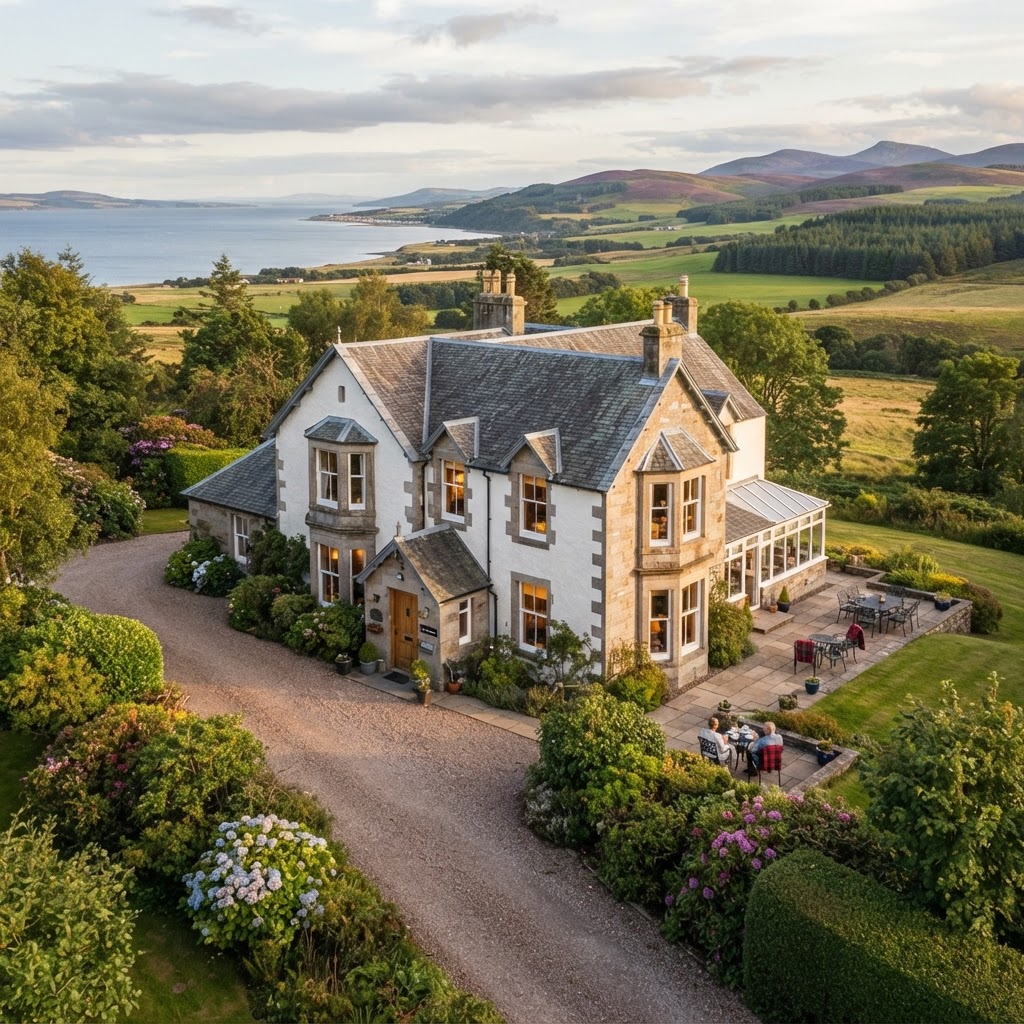
B&Bs for sale in Moray Scotland represent a compelling investment opportunity in one of Scotland's most scenic and culturally rich regions. Stretching from the Cairngorms National Park to the dramatic Moray Firth coastline, this area attracts year-round visitors drawn to whisky tourism, outdoor pursuits, wildlife watching and historic landmarks. Whether you're seeking a traditional stone guesthouse in a coastal village, a Victorian B&B in Elgin, or a rural retreat near the Speyside Malt Whisky Trail, Moray offers diverse property options with strong occupancy potential. This page showcases active B&B listings across Moray, provides essential market intelligence for prospective buyers, and outlines the steps to secure your hospitality investment in this thriving corner of northeast Scotland.
Key Takeaways
- Moray's whisky tourism, coastal attractions and proximity to Cairngorms National Park drive consistent year-round visitor demand for B&B accommodation.
- B&B properties in Moray range from coastal village guesthouses to rural Speyside retreats, with entry points typically between £250,000 and £650,000 in 2026.
- The Speyside Malt Whisky Trail alone attracts over 60,000 visitors annually, creating strong repeat business opportunities for well-positioned B&Bs.
- Moray Council planning policies favour tourism accommodation in designated settlements, but rural conversions require careful navigation of local development plans.
- Seasonal occupancy peaks from May to October, though whisky distillery tours and winter wildlife tourism help extend trading periods beyond traditional summer months.
- Buyers should assess septic tank systems, oil heating costs and broadband connectivity in rural Moray properties before committing to purchase.
- Established B&Bs with strong online reviews and repeat guest databases command premium valuations compared to properties requiring repositioning.
Current B&B Opportunities Across Moray: From Speyside to the Coast
Discovering Moray's Diverse B&B Landscape
Moray presents one of Scotland's most geographically varied hospitality markets, stretching from the Moray Firth coastline through fertile lowlands to the Speyside whisky heartland. The region's B&B portfolio reflects this diversity, offering investors everything from traditional stone townhouses in market centres to converted farmsteads overlooking distillery country.
Coastal properties in Lossiemouth, Findhorn and Burghead typically attract sailing enthusiasts, birdwatchers and families drawn to expansive beaches. These locations command premium summer rates but experience sharper seasonal fluctuations than inland alternatives. Findhorn's eco-village community adds a distinct wellness tourism dimension, with several B&Bs catering specifically to spiritual retreat visitors and sustainable travel advocates.
Market town opportunities centre on Elgin and Forres, where Victorian and Edwardian architecture dominates the B&B stock. Elgin's cathedral quarter properties often feature period details—cornicing, sash windows, original fireplaces—that appeal to heritage-focused guests. Forres benefits from its position on the Castle Trail and proximity to both coast and Cairngorms, supporting year-round occupancy from touring visitors.
Speyside: The Whisky Tourism Advantage
Rural Speyside locations—including Aberlour, Craigellachie, Dufftown and Rothes—represent the region's most distinctive investment proposition. Properties within walking distance of distillery visitor centres (Glenfiddich, Macallan, Balvenie) capture overnight stays from whisky tourists who deliberately avoid driving. Several B&Bs have developed specialist packages combining accommodation with distillery tours, cooperage visits and tasting sessions, achieving average daily rates 20–30% above standard Moray benchmarks.
Filtering Your Property Search Effectively
Stay4Hospitality's advanced search filters allow precise targeting of Moray opportunities:
- Location radius tools to search within specific distances of key attractions (e.g., 5 miles from Speyside Way trailheads)
- Property size filters from intimate 2-bedroom conversions to substantial 8-bedroom operations
- Price brackets adjustable to match your investment ceiling
- Business model toggles distinguishing owner-operated lifestyle businesses from manager-run commercial operations
- Tenure filters separating freehold purchases from leasehold arrangements (rare but present in some estate properties)
The dynamic listings section updates in real-time as new Moray B&Bs enter the market, while breadcrumb navigation enables quick pivoting to related categories—guest houses, small hotels, or self-catering properties—if your requirements evolve during research. Saved search alerts ensure you receive immediate notification when properties matching your exact criteria become available, critical in a market where prime Speyside locations typically sell within 60–90 days of listing.
Why Invest in a Moray B&B: Market Drivers and Visitor Demographics
The Whisky Tourism Infrastructure
Moray's position as Scotland's premier whisky region creates sustained accommodation demand that distinguishes it from purely seasonal Scottish destinations. The Speyside Malt Whisky Trail links nine major distillery visitor centres, with total annual visitors exceeding 420,000 across participating sites in 2025. This infrastructure supports B&B occupancy throughout shoulder seasons (April–May, September–October) when coastal tourism softens.
Recent distillery capital investment—including Macallan's £140 million visitor experience and Glenlivet's expanded facilities—has elevated whisky tourism from enthusiast niche to mainstream attraction. International visitors now comprise 38% of distillery tour participants, with particularly strong representation from North America, Germany, France and Japan. These demographics typically book 2–3 night stays, substantially higher than Scotland's day-tripper average.
Outdoor Recreation and Natural Assets
The Moray Coast Trail, a 50-mile walking route from Forres to Cullen, generates consistent midweek demand from active retirees and walking holiday specialists. Coastal B&Bs report that trail walkers book directly (minimising OTA commissions) and exhibit high repeat-visit rates, with many returning to explore different sections annually.
Dolphin watching from Chanonry Point and boat tours from Lossiemouth attract wildlife enthusiasts year-round, though peak season runs May through September. The Moray Firth bottlenose dolphin population—Britain's largest—supports specialist eco-tourism operators who maintain accommodation partnerships with local B&Bs, providing referral business and off-season bookings.
Proximity to Cairngorms National Park (30 minutes south from Grantown-on-Spey) positions Moray as an alternative base for visitors seeking mountain access without Aviemore's premium pricing. Winter sports enthusiasts, hillwalkers and mountain bikers increasingly use Speyside B&Bs as staging points for Cairngorms activities.
Cultural Heritage and Transport Connectivity
Elgin Cathedral, Spynie Palace, and the network of Pictish archaeological sites provide cultural depth beyond whisky and outdoors. Heritage tourism skews towards domestic visitors aged 55+, typically travelling outside school holidays and booking longer stays (3–5 nights average).
The A96 trunk road delivers efficient connections to Inverness (40 minutes west) and Aberdeen (90 minutes east), while Inverness Airport provides international gateways including seasonal direct flights from Amsterdam, Dublin and Zurich. This accessibility supports foreign independent travellers who hire cars for Scottish touring holidays.
2026 Occupancy Benchmarks and Seasonal Patterns
Moray B&Bs achieving optimal revenue management report the following occupancy profiles:
Speyside's whisky tourism base delivers markedly stronger winter performance, with distillery events, cooperage demonstrations and specialist tasting weekends sustaining midweek bookings when coastal properties operate at minimal capacity.
Pricing and Valuation: What B&Bs Cost in Moray in 2026
Current Market Price Ranges
Moray's B&B market demonstrates clear price stratification based on location, capacity and business maturity. These ranges reflect Q1 2026 valuations, with coastal properties seeing modest appreciation of 4–7% over the past 12 months while inland rural properties have remained relatively stable. Understanding these bands helps investors calibrate expectations and identify value opportunities:
Entry-level village properties (2–3 bedrooms, rural locations away from main tourism routes): £180,000–£295,000. These typically represent lifestyle downsizer businesses with modest trading histories, often requiring marketing investment and online presence development to achieve market-rate occupancy.
Mid-market town centre B&Bs (4–5 bedrooms, Elgin/Forres/Lossiemouth): £320,000–£485,000. Established operations with 3+ years trading history, recognisable online review profiles (typically 4.5+ stars across platforms), and proven repeat guest percentages above 25%.
Premium Speyside properties (4–6 bedrooms, distillery proximity, specialist positioning): £425,000–£650,000. Command valuation premiums of 15–25% over equivalent-sized properties elsewhere in Moray due to whisky tourism demand. Properties within 400 metres of Speyside Way access points achieve upper-bracket pricing.
Substantial Victorian/Edwardian operations (6–8 bedrooms, period features, separate owner accommodation): £550,000–£850,000. Rare market segment combining commercial viability with architectural heritage. Cathedral Quarter Elgin properties with original features intact command premium multiples.
Key Valuation Factors Driving Price
Professional valuers and experienced buyers weight these elements when assessing Moray B&Bs:
Trading performance documentation: Three years of audited accounts demonstrating consistent revenue growth and net profit margins above 25% significantly strengthen negotiating position. Properties showing occupancy progression—evidence of year-on-year improvement—justify asking prices at upper range brackets.
Digital reputation metrics: Aggregate review scores across Booking.com, TripAdvisor and Google exceeding 4.6/5.0 with 75+ reviews validate premium pricing. Properties with TripAdvisor Certificate of Excellence or Booking.com Guest Review Awards demonstrate market-proven quality standards that reduce buyer risk.
Location-specific proximity advantages:
- Distillery walking distance (under 800m): adds £45,000–£75,000 to comparable rural properties
- Coastal views/direct beach access: premium of £35,000–£60,000 versus town-centre equivalents (see our detailed Moray B&B coastal versus inland location premium analysis for comprehensive pricing comparisons)
- On-site parking (3+ spaces): worth £20,000–£35,000 in town locations where street parking predominates
Owner accommodation quality: Self-contained 2-bedroom private quarters with separate entrance maintain property values 12–18% above arrangements requiring owner/guest space sharing. Investors planning manager-operated models particularly value this separation.
Calculating Realistic ROI
Moray's average daily rates (ADR) for quality B&Bs currently range £95–£140 depending on season and location. A well-positioned 5-bedroom property achieving 65% annual occupancy at £115 ADR generates approximately £136,500 gross room revenue. After operating expenses (typically 45–52% of revenue including staffing, utilities, consumables, marketing, maintenance), net operating income reaches £65,000–£75,000.
On a £450,000 acquisition funded with £135,000 deposit (30%) and £315,000 mortgage at 5.8% interest, annual debt service approximates £24,000. This scenario delivers owner-operator income of £41,000–£51,000 plus accommodation value, representing effective returns of 9.1–11.3% on invested capital before principal repayment benefits.
Investors should stress-test projections against 10–15% occupancy variance to account for market fluctuations, renovation periods, and ramp-up phases following ownership transfer.
Navigating Planning and Licensing Requirements in Moray
Change of Use and Planning Considerations
Moray Council's planning framework distinguishes between residential properties operating as B&Bs (typically permitted development when the owner resides on-site and offers breakfast) and more intensive commercial guest house operations. Converting a dwelling to accommodate more than six guests simultaneously usually triggers Class 7 (hotels and hostels) change of use requirements, necessitating formal planning permission.
Rural property conversions—particularly agricultural buildings or steadings—require detailed planning applications addressing:
- Design compatibility with surrounding agricultural/rural character
- Access adequacy for increased vehicle movements
- Parking provision (Moray typically requires one space per guest bedroom plus two for owners)
- Drainage capacity, especially critical in areas without mains sewerage
Moray Council's Local Development Plan 2026 includes specific tourism accommodation policies (Policy E5) encouraging sustainable tourism development while protecting residential amenity. Applications within or adjacent to conservation areas—including Elgin Cathedral Quarter, Forres High Street, and Fochabers village centre—face additional scrutiny regarding external alterations, signage and boundary treatments.
Wastewater and Environmental Health Standards
Properties beyond mains drainage networks (common in rural Speyside and coastal villages) must comply with SEPA's General Binding Rules for small sewage discharges or obtain specific authorisation for larger systems. B&Bs accommodating 14+ guests require CAR (Controlled Activities Regulations) registration for septic tank discharges.
Upgrading older septic systems to modern treatment plants meeting 2026 standards costs £8,000–£18,000 depending on capacity requirements and ground conditions. Buyers should commission drainage surveys during due diligence, as system failures can halt trading and trigger enforcement action.
Food hygiene registration with Moray Council Environmental Health is mandatory before serving breakfast. The registration process (no fee, but inspection required) assesses kitchen facilities, food storage, preparation areas and handwashing provisions. Properties achieving 5-star Food Hygiene ratings gain marketing advantages and satisfy increasing guest expectations regarding safety standards. Maintaining comprehensive documentation of compliance requirements proves essential when preparing a property for sale.
Short-Term Let Licensing Framework
Scotland's short-term let licensing regime, fully implemented across Moray since October 2024, creates important distinctions that significantly affect operational requirements and compliance costs.
B&B operations where the host resides on the premises and provides breakfast are typically exempt from STL licensing but may require a Home Let licence if offering accommodation without the host present (e.g., self-contained annexes). The exemption specifically applies when the host lives in the property, shares living space or facilities with guests, and provides at least breakfast.
Self-catering conversions or properties operating without resident hosts require Secondary Letting licences, involving more stringent standards for fire safety (interlinked alarms, emergency lighting in larger properties), gas/electrical certification, and energy performance (minimum EPC rating E, rising to D from 2025).
Moray Council's licence application process takes 8–12 weeks, costs £385 for three-year Home Let licences or £680 for Secondary Letting licences, and includes neighbour notification periods. Understanding Moray's B&B and short-term let licensing requirements helps buyers accurately assess compliance costs and operational constraints before committing to purchase. Buyers should verify current licensing status during acquisition and budget for compliance upgrades if purchasing unlicensed operations.
Local Policy Nuances
Moray Council applies flexible interpretation to rural tourism accommodation, recognising its economic importance to Speyside communities. However, Findhorn and Kinloss areas have faced increased scrutiny regarding short-term let concentrations affecting residential housing availability, potentially influencing future licensing decisions for new applications in these specific localities.
Prospective buyers should engage early pre-application discussions with Moray Council planning officers (£150 fee) to clarify requirements for significant alterations, extensions adding bedrooms, or changes to operational models. This investment typically saves substantial costs versus proceeding with assumptions later proven incorrect.
Financing Your Moray B&B Purchase: Mortgages, Deposits and Running Costs
Understanding Commercial Mortgages for Scottish B&Bs
Securing finance for a Moray B&B requires navigating the commercial mortgage market, which differs significantly from residential lending. In 2026, specialist lenders typically offer loan-to-value ratios of 60–75% for established trading businesses, meaning you'll need a deposit of 25–40% of the purchase price. A £400,000 property would therefore require £100,000–£160,000 upfront capital. For detailed guidance on deposit requirements across different property types, see our comprehensive guide on how much deposit is needed to buy a hotel.
Lenders assess applications based on trading history rather than personal income alone. Expect to provide three years of audited accounts, occupancy data, and forward bookings. Properties with consistent year-round occupancy above 45% and healthy profit margins (typically 25–35% for well-run Moray B&Bs) receive more favourable terms. Lifestyle purchases with limited trading history face stricter criteria and higher rates, often 2–3% above base rate compared to 1.5–2% for proven performers.
Moray-Specific Running Costs to Factor In
Rural Moray properties carry operational expenses that urban buyers often underestimate:
Broadband connectivity deserves special attention—properties relying on online booking platforms need reliable speeds. Budget £40–£80 monthly for business-grade connections, or investigate Moray's rural broadband improvement schemes if upgrading from basic ADSL.
Demonstrating Viability to Lenders
Strengthen your mortgage application by presenting Moray-specific market evidence. Reference VisitScotland occupancy data showing the region's performance (coastal Moray B&Bs averaged 58% annual occupancy in 2025, with peaks of 85% during June–September). Highlight proximity to Malt Whisky Trail attractions (2.1 million visitors annually) and the Moray Firth dolphin population, which drives substantial shoulder-season tourism.
Prepare a realistic business plan acknowledging winter challenges but demonstrating off-season strategies—wildlife watching breaks, distillery tour packages, and partnerships with Speyside outdoor activity providers. Lenders respond positively to buyers who've researched local tourism patterns and identified year-round revenue opportunities rather than relying solely on summer trade.
Common Pitfalls When Buying a B&B in Moray (and How to Avoid Them)
Underestimating Rural Property Realities
The romantic appeal of running a Moray B&B can obscure practical challenges that catch unprepared buyers off-guard. Maintenance costs in older stone properties frequently exceed projections—budget 3–5% of property value annually for upkeep, not the 1–2% typical of modern builds. Coastal properties face accelerated weathering from salt air, requiring more frequent exterior painting and window maintenance. Energy efficiency challenges in traditional buildings can drive heating costs significantly higher, though Moray B&B EPC improvement grants and renewable heating schemes offer financial support for upgrades that reduce long-term operating expenses.
Many buyers overestimate winter occupancy without concrete plans to attract guests during November–March. Moray's stunning landscapes don't disappear in winter, yet occupancy can plummet to 15–25% without targeted marketing. Avoid this trap by examining three years of monthly trading data, not just annual averages. Question sellers closely about their off-season strategy—or lack thereof.
Technology and Infrastructure Red Flags
In 2026, guests expect seamless connectivity and online booking capabilities. Yet rural Moray properties may offer frustratingly slow broadband—a critical issue for both operations and guest satisfaction. Always verify actual download/upload speeds during viewings using mobile speed tests, and check Openreach's database for planned fibre rollout. Properties stuck on sub-10Mbps connections face costly upgrade challenges or ongoing guest complaints.
Due diligence on utilities prevents expensive post-purchase surprises:
- Septic systems: Demand recent emptying records and percolation test results. Failing systems cost £8,000–£20,000 to replace
- Private water supplies: Review water quality test certificates (required annually). Treatment system failures can force temporary closure
- Oil tanks: Inspect for corrosion; replacement costs £1,200–£2,500 plus environmental cleanup if leaking
- Electrical systems: Properties with outdated wiring may need £8,000–£15,000 rewiring to meet commercial standards
Financial Review Checklist
Protect your investment by scrutinising these critical areas:
- Guest database quality: Established repeat booking patterns indicate genuine goodwill value. Be sceptical of businesses heavily dependent on OTA traffic with minimal direct bookings
- Seasonal cash flow: Request monthly management accounts, not just year-end figures. Identify whether the business generates sufficient summer surplus to cover winter shortfalls
- Deferred maintenance: Walk the property with a critical eye for postponed repairs—roof condition, boiler age, window seals, damp issues
- Planning compliance: Verify the business operates under proper commercial use permissions. Some residential properties run B&Bs in planning grey areas
- Contract scrutiny: Examine supplier agreements, staff contracts, and booking platform terms for unfavourable commitments
The Importance of Professional Advisors
Engage a Scottish hospitality-specialist surveyor who understands commercial property valuation and Moray's specific challenges. Their £800–£1,500 fee frequently saves tens of thousands by identifying structural issues or overvaluations. Similarly, solicitors experienced in Scottish hospitality transactions navigate complexities around goodwill valuation, stock transfer, and licensing that general practitioners may miss.
Maximising Returns: Operational Strategies for Moray B&Bs
Strategic Partnerships That Drive Bookings
Moray's whisky tourism economy presents exceptional partnership opportunities for savvy B&B operators. The Malt Whisky Trail attracts serious enthusiasts willing to pay premium rates for specialist accommodation. Develop relationships with distillery tour operators offering VIP experiences—guests booking £150+ private tastings at Glenfiddich or Macallan readily pay £120–£160 for quality B&B accommodation versus £80–£100 standard rates.
Target outdoor activity providers running guided mountain biking, sea kayaking, and wildlife photography tours. These businesses need reliable accommodation partners for multi-day packages. A B&B securing preferred partner status with three activity operators can fill 40–60 room nights annually at negotiated rates that still exceed OTA bookings after commission. For comprehensive guidance on building profitable collaborations with distilleries and tour operators, see our detailed analysis of Moray B&B whisky tourism partnership revenue strategies.
Niche Market Positioning
Moray's diverse attractions support focused marketing to high-value segments:
- Whisky collectors: Create "Connoisseur Packages" with rare dram selections, distillery archive access, and expert-led tastings. These guests book mid-week, extending shoulder seasons
- Birdwatchers: Promote proximity to RSPB Loch Garten (ospreys) and coastal sites for seabirds. Offer early breakfasts for dawn outings and packed lunches
- Cycling groups: Provide secure bike storage, drying facilities, and route planning assistance. The Speyside Way and Moray Coast Trail attract dedicated cyclists April–October
- Genealogy tourists: Many visitors research Scottish ancestry. Partner with local historians and archive services
Leveraging UNESCO Biosphere Status
The Moray Firth UNESCO Biosphere Reserve designation offers powerful marketing differentiation. Incorporate this into your brand narrative—guests increasingly seek sustainable, nature-connected experiences. Develop packages around dolphin watching (Chanonry Point experiences), forest bathing in Scots pine woodlands, and dark sky stargazing.
This positioning justifies premium pricing while attracting environmentally conscious travellers who typically leave positive reviews and return for repeat visits.
Dynamic Pricing and Revenue Management
Implement seasonal pricing strategies that reflect Moray's event calendar:
Monitor competitor pricing weekly and adjust rates dynamically. Properties using revenue management software report 12–18% revenue increases compared to static pricing.
Optimising Your Distribution Mix
While OTAs provide visibility, their 15–20% commissions erode margins. Successful Moray B&Bs achieve 40–55% direct bookings through:
- SEO-optimised websites with integrated booking engines (avoid monthly subscription models exceeding 2% of revenue)
- Email marketing to past guests with exclusive direct-booking discounts
- Social media engagement showcasing Moray's seasonal beauty and guest experiences
- Google Business Profile optimisation capturing "B&B near me" searches from touring visitors
Balance this with strategic OTA presence—maintain profiles on Booking.com and Airbnb for discovery, but incentivise direct rebooking with 10–15% loyalty discounts.
Next Steps: How to Secure Your Moray B&B Investment
Starting Your Property Search
Begin by registering for property alerts on Stay4Hospitality's platform, where you'll receive notifications about new Moray B&B listings matching your criteria. Set filters for your preferred location (coastal Speyside, rural Strathspey, or market towns like Elgin and Forres), property size, and price range. The marketplace features detailed listings with trading history, occupancy data, and financial performance—information critical for informed decision-making.
Complement your online search by exploring related category pages for Scottish guest houses and small hotels, which may offer conversion opportunities or better value in your target area. Understanding seller motivations and market dynamics can strengthen your negotiating position and help identify properties with genuine potential.
Arranging Viewings and Asking Critical Questions
Schedule viewings during operational periods to observe the business in action. Prepare a structured question list:
- Trading patterns: Request monthly occupancy and revenue data for the past three years, not just annual summaries
- Repeat business: What percentage of bookings come from returning guests versus new customers?
- Marketing costs: How much is spent annually on advertising, OTA commissions, and website maintenance?
- Operational hours: What's the realistic daily time commitment during peak versus quiet seasons?
- Supplier relationships: Which local businesses provide reliable services (cleaners, maintenance, food suppliers)?
- Regulatory compliance: Confirm all licenses, planning permissions, and food hygiene certifications are current and transferable
Document property condition thoroughly—photograph maintenance concerns and request recent utility bills to verify running costs.
Assembling Your Professional Team
Engage Scottish hospitality-specialist solicitors experienced in commercial property transactions and goodwill valuation. They'll navigate Scotland's distinct legal system, reviewing missives (contracts), examining title deeds, and ensuring proper transfer of business assets, licenses, and intellectual property.
Appoint a commercial surveyor familiar with Moray's property types to conduct thorough structural assessments. Their report informs negotiation and identifies required capital expenditure—essential for accurate financial forecasting.
Consult hospitality accountants who can review trading accounts, verify profit claims, and structure your purchase tax-efficiently (asset purchase versus share purchase carries different implications). Professional due diligence typically spans 4–8 weeks for B&B acquisitions; learn more about typical due diligence timelines to plan your purchase schedule.
Structuring Offers and Negotiating Effectively
Base offers on verified trading performance rather than asking price alone. Calculate sustainable valuation using:
- EBITDA multiples (typically 3–5× for Scottish B&Bs, varying with location and condition)
- Room rate analysis compared to local competitors
- Deferred maintenance costs identified during surveys
- Goodwill assessment based on repeat booking percentages and online reputation
Negotiate a transition period where current owners remain involved for 2–6 weeks post-completion. This handover phase proves invaluable for introductions to suppliers, staff training, and understanding operational nuances.
Planning Your Entry Strategy
Consider phased acquisition approaches that reduce risk:
- Trial periods: Some sellers offer working visits where you operate alongside them before committing
- Vendor finance: Negotiate seller financing for 10–20% of purchase price, demonstrating their confidence in the business
- Seasonal timing: Complete purchases in autumn/winter, allowing familiarisation before peak season demands
Connect with Moray business networks including the local Chamber of Commerce and tourism associations. These relationships provide ongoing support, marketing collaboration opportunities, and insider knowledge about regional developments affecting tourism.
Explore Stay4Hospitality's buyer resources for detailed guides on hospitality property acquisition, financing options, and operational best practices. Review individual property listings for comparable sales data and market insights that inform your investment strategy.
What is the average occupancy rate for B&Bs in Moray?
B&Bs in Moray typically achieve occupancy rates between 55% and 75% annually, with peak performance during May to September when whisky tourism and coastal visi
Do I need prior hospitality experience to buy a B&B in Moray?
Prior hospitality experience isn't legally required to purchase a B&B in Moray, but it significantly improves your chances of operational success and secures be
How does seasonality affect B&B profitability in Moray?
Seasonality profoundly impacts Moray B&B profitability, with 60-70% of annual revenue typically generated between April and October. Whisky tourism provides a l
What are the ongoing regulatory costs for running a B&B in Moray?
Ongoing regulatory costs for Moray B&Bs include annual business rates (£800-£3,500 depending on rateable value, with small business relief potentially available
Can I live on-site while operating a B&B in Moray?
Most B&Bs for sale in Moray include owner's accommodation, making on-site living both possible and common. Typically, properties offer a separate owner's flat o
What is the typical return period for a B&B investment in Moray?
Moray B&B investments typically achieve payback periods of 8-12 years when factoring in mortgage repayments, operational costs, and owner's drawings. Well-locat
Are there grants or support schemes available for B&B buyers in Moray?
Several support schemes assist B&B buyers in Moray, though outright grants are limited. VisitScotland's Growth Fund offers match-funding (typically 40-50%) for
How important is online presence for B&B success in Moray?
Online presence is critical for B&B success in Moray, with 75-85% of bookings now originating from digital channels. A professional website with direct booking
Related Resources
- B&Bs for Sale in Aberdeenshire: Buying Guide
- Should I Buy A Hotel In Scotland?
- Scottish B&B Buyer Mortgage Structures: Commercial vs Residential Lending
- List Your Property for Sale on Stay4Hospitality
- Free Hotel and B&B Valuation Calculator
- B&Bs for sale in Scotland
- Moray B&B EPC improvement grants and renewable heating compliance
- Moray B&B coastal vs inland location premium analysis
- Moray B&B whisky tourism partnership revenue strategies
- Moray B&B short-term let licensing and registration compliance
- Sell your B&B in Moray Scotland
- What documents do I need to sell my holiday let business?
- How much deposit do I need to buy a hotel?
- How long does hotel due diligence typically take?
Browse hospitality properties for sale | List your property | Free valuation