Auctioning Your Hotel for Sale Could Cost More Than You Think Guide
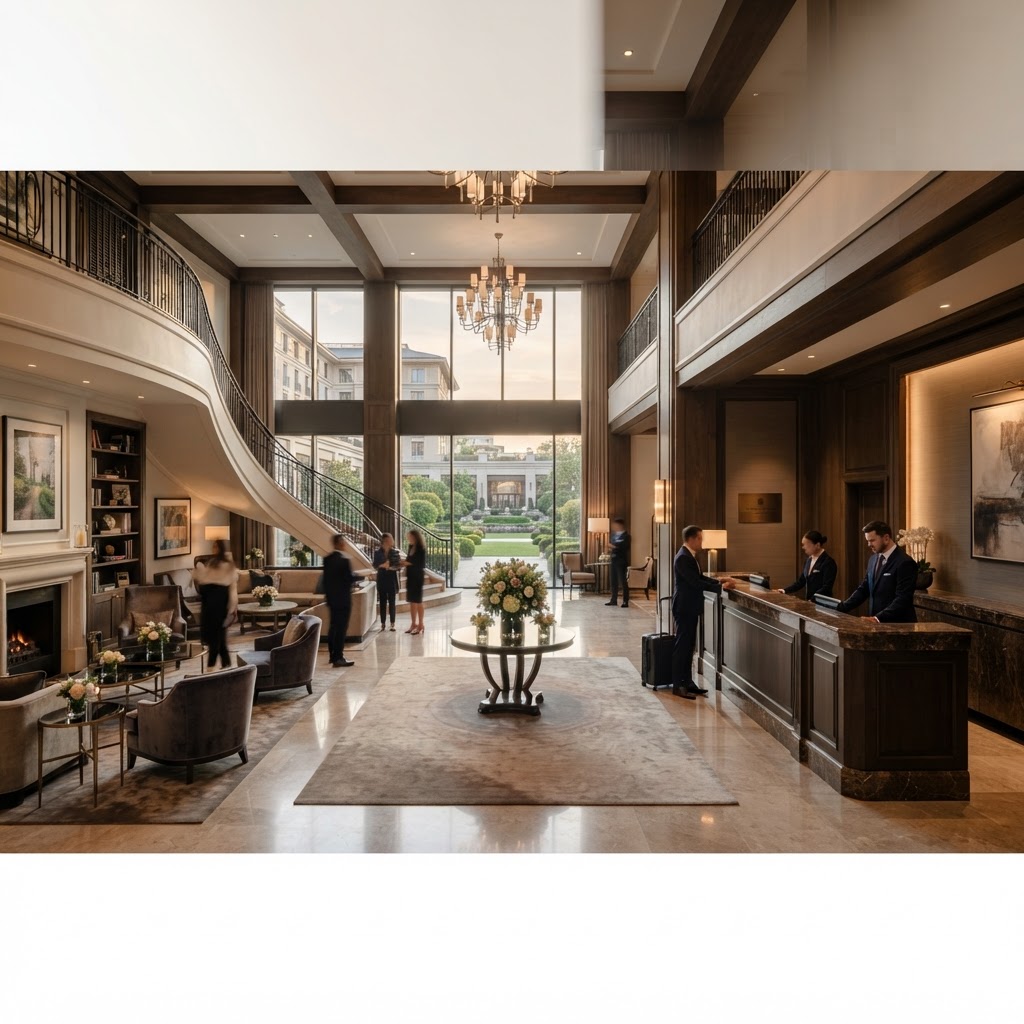
Auctioning your hotel for sale might appear to be a straightforward solution for a quick transaction, but hotel auction costs can significantly impact your bottom line. For instance, a hotel selling for £2 million at auction may net the seller only £1.75-1.85 million after all fees, commissions, and hidden costs — a potential shortfall of £150,000-£250,000 that catches many sellers unprepared. This guide is part of our comprehensive hospitality property selling resource, offering a definitive overview of total seller costs and strategic considerations. Dive into expert advice, detailed checklists, and specialized resources to navigate the complexities of hotel auctions effectively. Explore links to related guides and tools to ensure you're equipped to make informed decisions in the global hotel market.
Key Takeaways
- Auctioning a hotel can incur hidden costs and fees beyond the hammer price.
- Understanding the auction process is crucial to avoid financial pitfalls.
- Alternative selling methods may offer better financial returns.
- Legal compliance and due diligence are essential when auctioning property.
- Expert strategy can help maximize hotel sale value.
- Downloadable checklists and resources support a smooth auction process.
- Explore related articles for deeper insights into hospitality property sales.
Understanding the Hotel Auction Process
Auctioning a hotel is a complex undertaking, often chosen as a method for its potential to reach competitive buyers quickly. Understanding the process is crucial to navigating it successfully.
Key Stages of a Hotel Auction
- Preparation: Before auctioning, thorough preparation is essential. This involves assessing your hotel's market value, gathering necessary documentation, and choosing a reputable auctioneer. The preparation phase sets the foundation for a successful auction.
- Marketing: Effective marketing ensures your property reaches potential buyers. Auction houses typically handle this, employing digital marketing strategies, brochures, and targeted emails to attract interest.
- Auction Day: On the day of the auction, registered bidders gather, either physically or online, to place their bids. The auctioneer facilitates the process, ensuring a fair and transparent bidding environment.
- Post-Auction: If the hotel sells, the buyer must complete the transaction within a specified period, usually 28 days. This involves finalizing legal documentation and transferring ownership.
What to Expect
- Speed and Certainty: Auctions can provide a faster sale compared to traditional methods. Once a bid is accepted, the sale is often legally binding.
- Potential for High Returns: Competitive bidding can drive up the sale price, but this is not guaranteed.
Real-World Example
A UK hotel in 2025 attracted over a dozen bidders, resulting in a sale price 15% above market expectations. This demonstrates the potential upside of auctions, provided the property is marketed effectively.
Financial Implications of Hotel Auctions
Financial Implications of Hotel Auctions
Auctioning your hotel can be more costly than anticipated. Key expenses include auctioneer commissions, typically ranging from 1.5% to 5%, and buyer premiums that can substantially reduce seller proceeds. For a comprehensive fee analysis, visit our hotel auction fee structure guide.
Total Cost of Ownership Analysis
Understanding the total costs involved in auctioning your hotel is crucial for calculating net proceeds. Consider a hotel with a gross sale price of £3 million:
- Auctioneer Fees: £45,000 - £150,000 (1.5% to 5% commission)
- Marketing Costs: £5,000 (for a robust campaign)
- Legal and Administrative Costs: £3,000 (for contract preparation and compliance)
- Repair and Maintenance: £10,000 (to meet buyer expectations)
Total Costs: £63,000 - £168,000
After deducting these expenses, your net proceeds could range from £2,832,000 to £2,937,000, highlighting the importance of a detailed cost analysis.
Seller Net Proceeds Calculator Framework
Building a comprehensive cost worksheet helps in estimating your net proceeds. Include:
- Reserve Price: Set strategically to avoid underselling
- Buyer Premium Pass-Through Effects: Understand how these influence buyer bids
- Contingency Buffers: Allocate funds for unexpected expenses, typically 5-10% of the expected costs
By meticulously planning each line item, sellers can better anticipate their financial outcomes and make informed decisions.
For more insights on hotel sale strategies, explore our related guides and tools & calculators to aid your planning process.
Legal Considerations and Compliance
When auctioning a hotel, compliance with legal regulations is critical to avoiding costly disputes and ensuring a smooth transaction.
Key Legal Requirements
- Property Disclosures: Sellers must provide accurate information about the property's condition, including any structural issues or zoning restrictions.
- Auction Terms and Conditions: Clearly defined terms help prevent misunderstandings. This includes the reserve price, deposit requirements, and settlement date.
- Contracts: Engage a solicitor to draft and review contracts, ensuring they meet local legal standards and protect your interests.
Compliance Issues
- Licensing: Ensure all necessary licenses (e.g., hotel, liquor) are transferable and up-to-date.
- Environmental Regulations: Compliance with local environmental laws is essential, particularly if the property is near protected areas.
Real-World Example
In 2024, a UK hotel sale was delayed due to non-compliance with fire safety regulations, underscoring the importance of addressing legal requirements early.
Checklist
- [ ] Complete property disclosures
- [ ] Define auction terms
- [ ] Draft compliant contracts
- [ ] Verify license transferability
Understanding these aspects helps mitigate risks and facilitates a successful auction.
Common Mistakes in Auctioning Hotels
# Common Mistakes in Auctioning Hotels
Avoiding common pitfalls in hotel auctions is crucial for safeguarding your investment and increasing the likelihood of a successful sale. Here, we delve into frequent errors and their potential financial impacts, providing actionable insights to help you navigate the auction process effectively.
Frequent Errors
- Inadequate Preparation: Approximately 35-40% of hotel auctions fail to meet reserve prices due to poor preparation, resulting in wasted fees ranging from £15,000 to £30,000. To avoid this, conduct a comprehensive property assessment and ensure all necessary documentation is in order well ahead of the auction.
- Incorrect Pricing Strategy: Setting an unrealistic reserve price can deter potential bidders, leading to unsold properties. Research market trends thoroughly and consult with industry experts to establish a competitive yet profitable price point.
- Poor Marketing: Insufficient marketing efforts can lead to a limited pool of bidders, causing your hotel to sell for 10-15% below its market value. Invest in a robust marketing strategy that highlights your hotel's unique features across multiple channels.
- Neglecting Legal Compliance: Failing to meet legal requirements can delay or even halt the sale process, with remediation costs averaging between £25,000 and £50,000. Ensure all legal and regulatory obligations are fulfilled before auction day to avoid costly interruptions.
How to Avoid These Mistakes
- Plan Thoroughly: Allocate sufficient time for preparation and seek professional guidance throughout the process.
- Set a Realistic Reserve: Utilize market data and expert advice to set a reserve price that attracts bidders while maximizing returns.
- Invest in Marketing: Develop a comprehensive marketing plan that showcases key features and reaches a wide audience.
- Ensure Legal Readiness: Address all legalities well in advance to prevent last-minute issues.
Case Studies: Costly Auction Errors
- Case Study 1: A regional hotel failed to disclose planning restrictions, leading to a buyer withdrawal post-auction. The seller incurred £40,000 in legal costs and remarketing expenses. Lesson learned: Always provide full disclosure of any restrictions to prevent costly fallout.
- Case Study 2: A boutique hotel in London set an overly ambitious reserve price, resulting in no bids at auction. The property had to be re-auctioned, incurring additional fees of £20,000 and a six-month delay. Lesson learned: Align reserve prices with current market conditions to ensure competitive bidding.
- Case Study 3: A seaside resort neglected to optimize its marketing efforts, attracting only local bidders. Consequently, the property sold for 12% below market value, costing the owner an estimated £150,000 in potential revenue. Lesson learned: Broaden your marketing reach to include national and international audiences.
For further insights on auction-related expenses, visit our Hotel Auction Buyer Premium and Transaction Fee Structures page. Additionally, explore alternatives to auctions with our Pub Sale Private Treaty vs Auction guide.
Expert Strategies for Successful Hotel Auctions
Expert Strategies for Successful Hotel Auctions
Auctioning your hotel can be a strategic decision, but to maximize its value, you need to approach it with a well-thought-out plan. Here are some expert strategies drawn from industry veterans:
Optimal Reserve Price Setting Methodology
Setting the right reserve price is critical to a successful auction. Follow these steps:
- Comparable Sales Analysis: Research recent auction results for similar hotel properties. Consider factors like location, size, and amenities.
- Valuation Discount Factors: Apply discounts for any potential drawbacks of your property, such as outdated facilities or less desirable locations.
- Market Sentiment Adjustment: Adjust the reserve price based on current market conditions and buyer sentiment. Use market analysis reports to gauge trends.
Pre-Auction Marketing Campaign Timeline
A well-structured marketing campaign can significantly increase interest and competition.
- Week 1-2: Conduct professional photography and compile a comprehensive legal pack.
- Week 3-4: Initiate targeted buyer outreach through industry contacts and databases.
- Week 5-6: Schedule viewings and provide access to a digital data room for potential bidders.
Bidder Qualification Protocols
Ensuring that bidders are qualified can prevent issues on auction day.
- Proof-of-Funds Requirements: Request documentation verifying the financial capability of potential bidders.
- Deposit Structures: Implement a non-refundable deposit policy to ensure serious bids.
Auction Day Management Checklist
Effective management on auction day can influence the outcome.
- Venue Preparation: Ensure the auction venue is set up and all technical equipment is tested.
- Bidder Registration: Verify all bidder registrations and qualifications.
- Auctioneer Briefing: Confirm the auctioneer understands your goals and reserve price.
Post-Auction Negotiation Strategies
If the property doesn't meet the reserve price, consider these options:
- Re-Engagement Tactics: Follow up with interested parties who attended the auction.
- Private Treaty Pivot Options: Transition to a private sale, leveraging the interest generated during the auction.
By implementing these strategies, you can position your hotel to not only attract more bidders but also achieve a sale price that reflects its true market value. For more insights into auction-related costs, see our Hotel Auction Buyer Premium and Transaction Fee Structures guide. For a comparative analysis of sale methods, explore our Pub Sale Private Treaty vs Auction article.
Alternatives to Auctioning Your Hotel
Alternatives to Auctioning Your Hotel
Auctioning isn't the only option for selling your hotel. Depending on your circumstances and goals, other methods might offer a better financial outcome. For a detailed comparison of private treaty versus auction, especially in the pub sector, please refer to our comprehensive guide.
Private Sale
A private sale can be less stressful and more profitable if you have a solid network of potential buyers. This method allows for negotiated pricing and can often result in a higher sale price compared to auctions, where prices are dictated by bidder competition.
Listing on Online Marketplaces
In 2026, online marketplaces such as Stay4Hospitality have revolutionized property sales. These platforms offer global exposure and attract a vast audience of serious buyers. They often feature advanced tools for listing optimization, ensuring your property reaches the right buyers.
Engaging a Real Estate Agent
A knowledgeable real estate agent with experience in the hospitality sector can provide valuable insights. They can guide you through the sale process, handle negotiations, and help you achieve a competitive sale price. Agents typically charge a commission, but their expertise can often result in a quicker and more lucrative sale.
Leaseback Agreement
If you wish to retain some control over your property, consider a leaseback agreement. This involves selling your hotel while continuing to operate it, offering an immediate cash influx without a complete relinquishment of ownership.
Owner Financing
Offering owner financing can attract buyers who might not qualify for traditional loans. This method provides flexibility and can lead to a quicker sale, often at a higher price, due to the added financing option.
Hotel-Specific Sale Method Factors
Selling a hotel involves unique challenges compared to other hospitality properties. Considerations include:
- Operational Complexity: Franchise agreements and management contracts can complicate the sale, requiring careful negotiation and potential transfer of responsibilities.
- Asset Class Considerations: The dynamics differ significantly between branded and independent hotels, as well as between resort and urban locations. Each type attracts different buyer profiles and valuation metrics.
- International Buyer Pools: Hotels often appeal to global investors, necessitating longer due diligence periods to accommodate international legal and financial requirements.
Financial Modelling: Auction vs Private Treaty for Hotels
When deciding between auction and private treaty, financial modelling can illuminate potential outcomes. Below is a comparison table of key metrics:
Each of these alternatives has its pros and cons, and the best choice depends on your specific goals and market conditions. Consider consulting with a financial advisor to evaluate which method aligns best with your objectives. For more insights, explore our related articles.
Checklists and Resources for Hotel Sellers
Preparing your hotel for auction is a critical process that demands attention to detail and strategic planning. This section provides you with a thorough checklist and valuable resources to ensure you are well-prepared for the auction process. For additional insights, explore our property valuation tool and selling guide to assist in your preparations.
Pre-Auction Preparation Checklist
- Market Analysis: Conduct thorough research on current market conditions and recent sales of comparable properties.
- Property Valuation: Obtain a professional valuation to establish a realistic reserve price.
- Legal Pack Assembly: Compile all necessary legal documents, including title deeds and any existing leases.
- Financial Statements Preparation: Ensure all financial records are up-to-date and clearly presented for potential buyers.
- Property Condition Report: Prepare a detailed report on the property's current condition, highlighting any recent upgrades or repairs.
- Franchise Consent: Secure necessary approvals from any franchise or brand affiliations.
- Staff Consultation: Communicate with staff about the auction process and potential outcomes.
- Marketing Strategy: Develop a robust marketing plan that includes online listings and offline promotional efforts.
- Auction Terms and Conditions: Draft clear terms and conditions for the auction, ensuring transparency.
- Auction Timeline Planning: Utilize our 'Auction Timeline Planning Tool' to manage milestones from 12 weeks pre-auction to completion.
- Property Upgrades: Complete essential renovations or upgrades to enhance property value.
- Insurance Review: Ensure all insurance policies are current and adequate.
- Tax Implications: Consult with a tax advisor to understand the tax implications of the sale.
- Auctioneer Selection: Choose an experienced auctioneer familiar with hotel sales.
- Reserve Price Setting: Set a strategic reserve price based on market analysis and valuation.
Auction Day Checklist
- Venue Arrangements: Confirm the auction location and logistics, ensuring accessibility and appropriate facilities.
- Auctioneer Coordination: Finalize auction proceedings with your auctioneer to ensure a smooth process.
- Property Presentation: Ensure the property is immaculate and ready for potential buyer viewings.
- Bidder Registration: Implement a streamlined registration process for bidders.
- Security Measures: Arrange for security personnel to manage the event and ensure safety.
- Technology Setup: Ensure all technological aspects, such as microphones and projection screens, are functioning properly.
- Refreshments and Hospitality: Provide light refreshments to create a welcoming environment.
Downloadable Resources
Enhance your auction preparation with our exclusive downloadable resources:
- Auction Cost Calculator Spreadsheet: An Excel template with formulas to calculate net proceeds, helping you understand potential financial outcomes.
- Sample Auction Terms and Conditions Document: An annotated template to guide you in setting clear auction terms.
- Auction Timeline Planning Tool: A milestone checklist to help you plan from 12 weeks pre-auction to completion.
Access these resources and more by visiting Stay4Hospitality's resource page. For further reading, consider our related articles on hotel auction buyer premium and transaction fee structures and pub sale private treaty vs auction.
Further Reading and Related Resources
For those looking to deepen their understanding of hospitality property sales, we’ve compiled a list of valuable resources and related articles.
Related Articles
- Complete Guide to Selling a Hotel – A step-by-step guide to navigating the hotel selling process.
- How to Increase Your Hotel's Market Value – Tips on maximizing your property's appeal and value.
- Understanding Hotel Valuation Methods – Insight into different valuation techniques used in the market.
Tools & Calculators
- Hotel Valuation Calculator: An online tool to estimate your property's market value.
- Auction Cost Estimator: Calculate the potential costs associated with auctioning your hotel.
Frequently Asked Questions
- FAQ: Hotel Auctions – Answers to common questions about the auction process.
- FAQ: Selling Hospitality Properties – General inquiries about selling in the hospitality market.
Explore these resources to gain a comprehensive understanding and make informed decisions in your property-selling journey. For more personalized advice, consider reaching out to our experts at Stay4Hospitality who can guide you through the intricate process of selling your hospitality property.
Jurisdiction-Specific Auction Regulations: UK vs International Markets
## Jurisdiction-Specific Auction Regulations: UK vs International Markets
Navigating the regulatory landscape of hotel auctions can be complex, especially when considering different jurisdictions. Understanding the nuances of each region's legal framework is crucial for minimizing risks and maximizing returns.
UK Hotel Auction Legal Framework
In the UK, the Consumer Protection from Unfair Trading Regulations 2008 plays a significant role in ensuring fair practices during hotel auctions. Sellers must adhere to auction conduct rules, which stipulate transparent communication and fair dealings. Notably, UK auctions lack a cooling-off period, meaning that once a bid is accepted, it becomes legally binding immediately. Furthermore, buyers typically forfeit their deposit if they withdraw after winning the auction, which is generally around 10% of the purchase price. This highlights the importance of being fully prepared before entering the auction room.
European Union Auction Requirements
In the European Union, cross-border hotel sales require careful attention to notification requirements and VAT implications. For instance, France mandates disclosure of all property defects, while Spain requires sellers to notify potential buyers of any encumbrances. Portugal emphasizes jurisdiction-specific disclosure obligations, ensuring buyers are aware of all legal aspects before bidding. Adhering to these regulations not only ensures compliance but also builds trust with potential buyers, facilitating smoother transactions.
International Considerations
Outside of Europe, auction regulations vary significantly. In the United States, escrow accounts are often required to hold deposits securely, protecting both buyers and sellers. The Middle East imposes certain foreign ownership restrictions, demanding thorough due diligence for international investors. In the Asia-Pacific region, timelines for completing hotel auctions can differ, with some markets requiring extended periods for regulatory approvals.
Understanding these jurisdiction-specific regulations is essential for any hotel owner considering auctioning their property. By aligning auction strategies with local laws, sellers can mitigate risks and enhance the likelihood of a successful sale. For further insights, explore our Complete Guide To Selling A Hotel and related resources on our site.
Auction House Comparison: Fee Structures and Regional Coverage
Auction House Comparison: Fee Structures and Regional Coverage
When considering auctioning your hotel, understanding the fee structures and regional coverage of major auction houses is crucial. Below is a structured comparison of some leading UK and international hotel auction houses, providing insights into their geographic reach, commission rates, marketing packages, and more.
Selecting the Right Auction House for Your Hotel
Choosing the right auction house involves evaluating several key factors:
- Property Type Specialization: Ensure the auction house has a strong track record in selling hotels, which can significantly impact the sale outcome.
- Regional Market Strength: Consider the auction house's expertise in your hotel's location to tap into local buyer networks.
- Marketing Reach: A comprehensive marketing package can enhance visibility and attract competitive bids.
- Post-Auction Support: Post-sale services, such as legal and financial advice, can streamline the transaction process.
- Fee Negotiation Leverage: Larger properties may have room for negotiating lower fees based on their value.
Worked Example: Cost Comparison for a £2.5M Hotel Sale
Consider a £2.5M hotel sale through two auction houses:
- Savills:
- Seller Commission: £2.5M * 2% = £50,000
- Buyer Premium: £2.5M * 2.5% = £62,500
- Total Cost: £112,500
- Christie & Co:
- Seller Commission: £2.5M * 2.5% = £62,500
- Buyer Premium: £2.5M * 2% = £50,000
- Total Cost: £112,500
Both auction houses result in a similar total cost, but differences in marketing reach and regional expertise could influence the final sale price and speed of transaction.
For more insights on selling your hotel, explore our Complete Guide To Selling A Hotel and related resources on hotel sale strategies.
Child Guide Teasers: Deep-Dive Auction Topics
Child Guide Teasers: Deep-Dive Auction Topics
In this section, we introduce specialized topics that delve deeper into the nuances of hotel auctions. These child guides are designed to equip sellers with the knowledge needed to navigate the complexities of auctioning a hotel. Each teaser highlights key insights from its respective guide, providing a glimpse into the comprehensive information available.
Understanding Buyer Premium and Fee Structures
Navigating the financial landscape of hotel auctions involves understanding buyer premiums and auctioneer charges. This guide explores the total transaction costs, emphasizing the importance of transparency in fee structures. Sellers will learn how these fees can impact the overall profitability of their sale. For an in-depth analysis, visit our full guide on Buyer Premium and Fee Structures.
Financing Contingencies and Buyer Readiness
Ensuring buyer readiness is critical in auction scenarios, where financing contingencies can make or break a deal. This guide covers how sellers can assess buyer preparedness and mitigate risks associated with financing failures. Understanding these elements can safeguard your sale from potential pitfalls. Explore more in our Financing Contingencies Guide.
Tender vs Auction Comparison
Choosing between tender and auction methods requires a nuanced understanding of each approach. This guide compares the two, focusing on aspects like negotiation flexibility and speed of sale. Sellers will gain insights into which method aligns best with their strategic goals. Discover the full comparison in our Tender vs Auction Guide.
Recovering from Aborted Sales
An aborted sale can be a significant setback, but recovery is possible with the right strategies. This guide provides actionable steps to rebound from a failed auction, including legal recourse and re-marketing techniques. Sellers will learn how to turn a failed attempt into a future success. For detailed strategies, visit our Aborted Sales Recovery Guide.
Legal Pack Preparation Essentials
A comprehensive legal pack is crucial for a smooth auction process. This guide outlines the essentials of preparing a legal pack, highlighting common oversights and how to address them. Sellers will understand the importance of clear, accurate documentation to avoid legal complications. Learn more in our Legal Pack Preparation Guide.
Auction Marketing Timeline Strategy
Effective marketing is key to attracting the right bidders. This guide provides a timeline strategy for auction marketing, detailing when and how to execute promotional activities. Sellers will discover how to maximize exposure and interest in their property. Dive deeper into our Auction Marketing Timeline Guide.
Conditional Clauses in Auction Contracts
Understanding conditional clauses in auction contracts can prevent post-sale disputes. This guide explains the significance of these clauses and how they affect the seller's obligations and rights. Sellers will gain clarity on contract terms that could influence the sale outcome. For more insights, read our Conditional Clauses Guide.
Reserve Price Strategy and Setting
Setting the right reserve price is a strategic decision that can influence auction success. This guide discusses how to determine an optimal reserve price, balancing market value and seller expectations. Sellers will learn techniques to set a price that attracts serious bidders while safeguarding their interests. For detailed guidance, visit our Reserve Price Strategy Guide.
These child guides are essential resources for sellers aiming to optimize their auction strategy and achieve successful outcomes in the competitive hotel market.
What are hidden costs associated with auctioning a hotel?
Auctioning a hotel often involves hidden costs that sellers might overlook. These can include auction house fees, marketing expenses, legal costs, and sometimes
How does the auction timeline impact hotel sale strategies?
The auction timeline can significantly impact your sale strategy. Auctions typically have fixed dates, which may limit your ability to negotiate with potential
Can auctioning a hotel affect its market value?
Yes, auctioning a hotel can affect its market value. While auctions can attract competitive bids, they might also signal financial distress, potentially lowerin
What are the tax implications of auctioning a hotel?
Auctioning a hotel can have various tax implications depending on your location and financial situation. Capital gains tax, VAT, or other local taxes might appl
How can I ensure my hotel is auction-ready?
To ensure your hotel is auction-ready, conduct a thorough property evaluation, addressing maintenance issues and compliance with local regulations. Present fina
What are the risks of auctioning a hotel with outstanding debts?
Auctioning a hotel with outstanding debts poses significant risks. Creditors might claim sale proceeds, and buyers may be wary of properties with financial encu
How can market conditions affect the outcome of a hotel auction?
Market conditions, such as economic trends and buyer demand, can heavily influence a hotel auction's outcome. During a downturn, fewer bidders may result in low
Is it possible to auction a part of a hotel rather than the entire property?
Yes, it's possible to auction part of a hotel, such as specific facilities or land parcels. This approach can attract different buyer segments and potentially m
What happens if my hotel doesn't meet the reserve price at auction?
If bidding fails to reach your reserve price, the property remains unsold and you retain ownership with no obligation to accept the highest bid. You have severa
How do I calculate my actual net proceeds from a hotel auction sale?
Calculate net proceeds by starting with the hammer price (winning bid) and deducting all seller costs: auctioneer commission (1.5-5% of hammer price, typically
What are the risks of auctioning a hotel with outstanding debts or charges?
Auctioning a hotel with outstanding debts creates significant legal and financial risks that must be disclosed and managed. All charges, mortgages, and liens mu
Related Resources
- Pub Sale Private Treaty vs Auction: Negotiation Control, Speed-to-Completion and Buyer Certainty for Commission-Free Sellers
- Hospitality Property Sale Timing Strategy: Seasonal Market Cycles, Economic Indicators and Optimal Listing Windows for Maximum Buyer Activity
- Hospitality Property Sale Buyer Default Remedies: Deposit Retention Rights, Specific Performance Claims and Re-Marketing Strategies
- The Complete Hospitality Property Selling Guide
- List Your Property on Stay4Hospitality
- Maximise the Value of Your Hospitality Property Sale
- Hotel Auction Financing Contingencies: Buyer Mortgage Pre-Approval and Completion Deadline Risks
- Hotel Auction vs Tender Sale Comparison: Sealed Bids and Seller Control Differences
- Hotel Auction Aborted Sale Recovery: Post-Auction Relisting Strategies
- Hotel Auction Legal Pack Preparation: Title Deeds and Due Diligence Document Assembly
- Hotel Auction Marketing Timelines: Pre-Auction Exposure and Bidder Registration
- Hotel Auction Conditional Sale Clauses: Subject-to-Contract Terms and Cooling-Off Periods
- Hotel Auction Buyer Premium and Transaction Fee Structures
- Hotel Auction Reserve Price Strategy: Setting Minimum Bids and Confidential Reserves
- What Do Hotel Buyers Look For Before Making an Offer?
- How long does hotel due diligence typically take
- What are the most common deal-breakers for hotel buyers
- Do I need a property valuation before listing my hotel or B&B for sale
- Property Valuation Tool
- Free Selling Guide PDF
- Hospitality ROI Calculator
- Browse Hotels for Sale
Browse hospitality properties for sale | List your property | Free valuation