Faut-il acheter un hôtel en Écosse ?
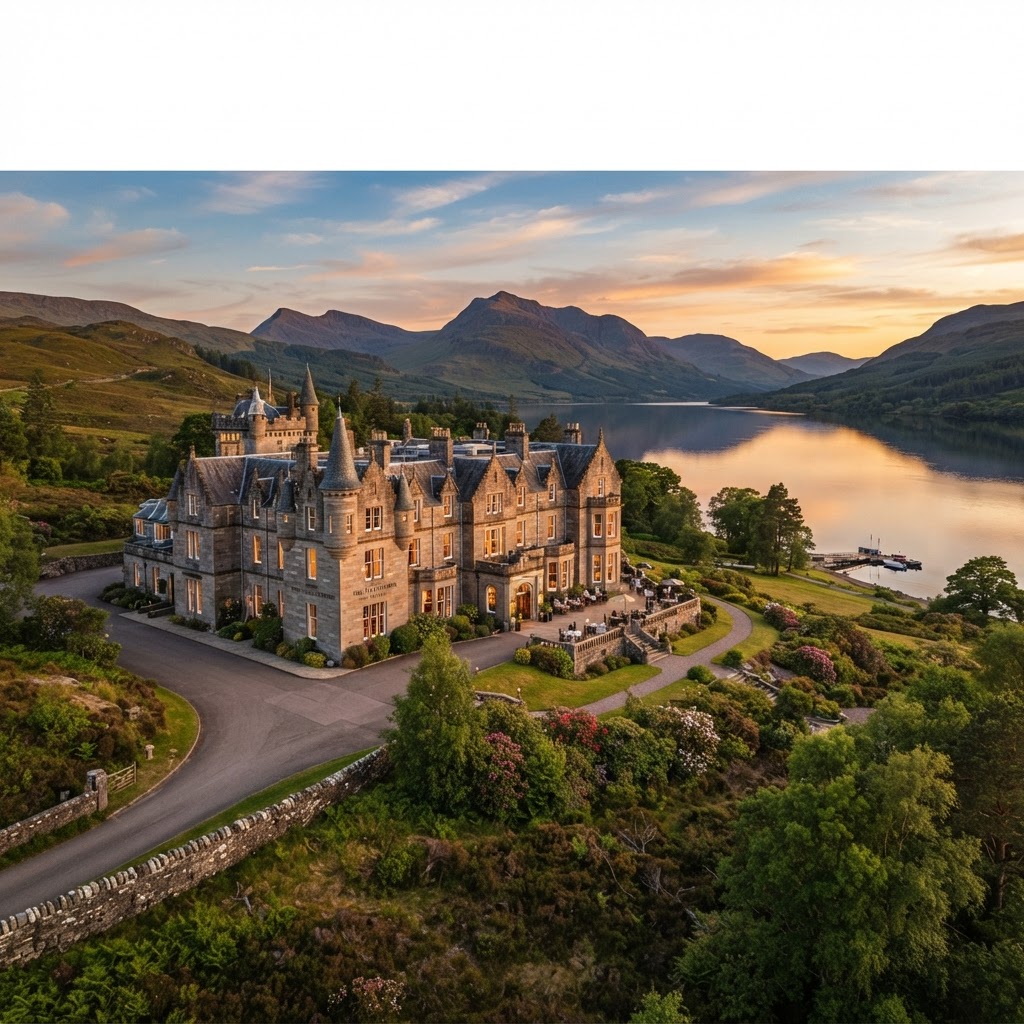
Investing in a hotel in Scotland can be a lucrative venture, offering a unique blend of charm, culture, and growing tourism appeal. As of 2026, the Scottish hospitality market presents a compelling opportunity for investors seeking to capitalize on its scenic landscapes and thriving tourism industry. With diverse opportunities spanning vibrant urban centers like Edinburgh and Glasgow, as well as picturesque rural regions, the breadth of the Scottish hotel market is vast and promising. This comprehensive guide will explore the essential considerations for buying a hotel in Scotland, answer common investor questions, and provide actionable insights to help you make an informed decision. Whether you're a seasoned investor or new to the hospitality sector, Stay4Hospitality is here to offer expert guidance and valuable resources.
Key Takeaways
- Scotland's tourism industry is thriving, making it a prime location for hotel investment.
- Understanding local market trends and tourist demographics is crucial for success.
- Navigating legal and financial requirements in Scotland is essential for investors.
- Expert advice and thorough market analysis can significantly enhance investment outcomes.
- Stay4Hospitality offers tools and resources to aid in hotel acquisition and valuation.
What Makes Scotland an Attractive Location for Hotel Investment?
Scotland, known for its enchanting landscapes and rich cultural heritage, stands out as a premier destination for hotel investment in 2026. Tourism in Scotland is experiencing robust growth, with visitor numbers reaching approximately 17 million annually, contributing significantly to the hospitality sector's vibrancy.
Booming Tourism Sector
The Scottish tourism industry is projected to continue its upward trajectory, fueled by global interest in its historic sites, picturesque Highlands, and vibrant cities like Edinburgh and Glasgow. Events such as the Edinburgh Festival Fringe and the Highland Games draw international crowds, boosting hotel occupancy rates and driving demand for accommodation.
Cultural Attractions and Scenic Beauty
Scotland's rich tapestry of cultural attractions, including iconic landmarks like Edinburgh Castle and the Loch Ness, offers investors a unique opportunity to tap into a market with diverse visitor interests. The country's commitment to preserving its natural beauty, from the rugged Isle of Skye to the serene Loch Lomond, enhances its allure to eco-conscious travelers.
Strategic Location
Scotland's strategic location within the UK and its well-connected transport network, including major airports and rail links, facilitate easy access for international tourists. This connectivity supports steady year-round visitor flow, making it an ideal location for hotel investment.
Investment Incentives
The Scottish government actively supports tourism and hospitality through various incentives, including tax reliefs and grants aimed at sustainable tourism development. These initiatives make Scotland an attractive prospect for investors seeking to capitalize on the growing tourism sector.
In summary, Scotland's thriving tourism industry, rich cultural heritage, and supportive investment climate combine to make it an enticing location for hotel investment.
How Do I Evaluate a Hotel Investment in Scotland?
How Do I Evaluate a Hotel Investment in Scotland?
Evaluating a hotel investment in Scotland requires a comprehensive analysis of multiple factors to ensure potential success and profitability. Here’s a detailed guide to assist investors in making informed decisions.
Location Analysis
Proximity to Attractions: The location of a hotel significantly impacts its success. Properties near popular tourist destinations, such as Edinburgh Castle or the Scottish Highlands, or business hubs like Glasgow often enjoy higher occupancy rates.
Accessibility: Evaluate the availability of transport links, such as airports, train stations, and highways. For instance, a hotel near Edinburgh Airport would likely benefit from increased guest convenience and satisfaction.
Market Demand
Understanding the local market demand is crucial. Analyze:
- Tourism Trends: Use tourism statistics, such as those from VisitScotland, to gauge the influx of visitors and their preferences. For example, Scotland saw a year-on-year increase in international visitors by 10% in 2023, indicating a growing market.
- Competition: Assess the existing competition in the area to identify market saturation or gaps. A hotel in a less saturated market like the Isle of Skye might offer unique opportunities compared to more crowded urban markets.
Property Potential
- Condition and Facilities: Inspect the physical condition of the hotel and its amenities. Properties requiring minimal renovations often offer quicker returns. For example, a newly renovated boutique hotel in Inverness could attract premium rates.
- Expansion Opportunities: Consider the potential for expanding the property or diversifying services, such as adding a spa or conference facilities, to increase revenue streams.
Financial Performance
Review the historical financial performance of the hotel:
- Revenue and Expenses: Analyze past revenue streams, operational costs, and profit margins. A hotel with a consistent annual revenue growth of 5% or more is typically a strong candidate for investment.
- Occupancy Rates: Average occupancy rates should ideally be above 60% to ensure profitability. In Scotland, the average occupancy rate for hotels was approximately 75% in 2022, indicating a healthy market.
Expert Guidance and Context
Investors should seek professional advice for a comprehensive understanding of these factors. Consulting with a local real estate expert or a hospitality consultant can provide valuable insights into market dynamics and potential risks. Additionally, understanding what buyers look for in hotels can further refine your evaluation criteria.
Related Questions
- What are the legal requirements for buying a hotel in Scotland?
- How can I finance a hotel purchase in Scotland?
- What are the common pitfalls when investing in Scottish hotels?
Further Reading and Tools
For more detailed guidance on evaluating hotel investments, visit our FAQ page on hotel ROI. Additionally, explore our valuation tools to assess the financial viability of potential investments.
By conducting a well-researched evaluation, investors can tap into Scotland’s dynamic hospitality market and make informed investment decisions.
What Are the Financial Considerations When Buying a Hotel in Scotland?
What Are the Financial Considerations When Buying a Hotel in Scotland?
Investing in a hotel in Scotland involves significant financial planning to ensure a profitable and sustainable venture. Understanding the capital requirements, funding mechanisms, and realistic return expectations is essential before committing to a purchase.
Initial Capital Requirements
The purchase price for Scottish hotels varies dramatically by location and property type. Edinburgh city centre properties typically command £3,000,000–£8,000,000, while rural Highland hotels may range from £500,000–£2,500,000. Beyond the acquisition cost, budget for:
- Stamp Duty Land Tax: 5% on properties over £250,000, rising to 12% on portions exceeding £1,500,000
- Legal and Survey Fees: £15,000–£40,000 depending on transaction complexity
- Renovation and Refurbishment: £200,000–£800,000 for properties requiring modernisation
- Working Capital Reserve: Minimum 6–12 months of operating expenses (typically £150,000–£400,000)
Funding Options
Securing appropriate financing is critical to the acquisition process. For comprehensive guidance on structuring your purchase, see our detailed FAQ on how to finance a hotel purchase, which covers lending criteria and application strategies. Common funding sources include:
- Commercial Mortgages: UK lenders typically require 25–40% deposits for hotel purchases, with interest rates ranging from 4.5–7.5% depending on property performance and borrower experience
- Asset-Based Lending: Secured against property value, offering faster approval but higher rates (6–10%)
- Private Equity Partners: Investors seeking 15–25% annual returns in exchange for 30–60% equity stakes
- Scottish Government Support: VisitScotland Growth Fund and Scottish Enterprise grants provide up to £100,000 for sustainable tourism projects and rural hospitality development
Return on Investment Expectations
Realistic ROI projections for Scottish hotels typically range from 8–15% annually, though this varies significantly by location and property type. Edinburgh and Glasgow city hotels average 10–12% returns, while rural properties in high-demand areas like the Highlands can achieve 12–18% during peak seasons. Key performance indicators include:
- Average Daily Rate (ADR): £85–£180 depending on location and star rating
- Occupancy Rates: 60–75% annually (higher in cities, seasonal in rural areas)
- Revenue Per Available Room (RevPAR): £55–£120 across Scotland
Financial Pitfalls to Avoid
- Underestimating Seasonal Volatility: Scottish tourism peaks June–September; ensure sufficient reserves for quieter winter months
- Overlooking Hidden Costs: Factor in business rates (£8,000–£50,000 annually), insurance (£12,000–£35,000), and utilities (£25,000–£80,000)
- Ignoring Regulatory Compliance Costs: Fire safety upgrades, accessibility improvements, and licensing can add £50,000–£150,000 to budgets
- Inadequate Due Diligence: Verify historical financial performance over 3–5 years, not just recent trading periods
Example Financial Scenario
For region-specific financial considerations, our guide on buying a hotel in Sutherland provides detailed funding insights for rural Scottish properties. By carefully modelling these financial elements and engaging qualified hospitality accountants, investors can make informed decisions in Scotland's diverse hotel market.
What Legal and Compliance Issues Should Investors Be Aware Of?
What Legal and Compliance Issues Should Investors Be Aware Of?
Investing in a hotel in Scotland involves navigating a complex legal landscape. Understanding and adhering to national legal and compliance requirements is essential for a smooth transaction and successful operation.
Property Laws and Regulations
- Ownership and Titles: Ensure that the property's legal title is verified and free from encumbrances. This step is crucial to confirm rightful ownership and avoid potential disputes.
- Zoning Laws: Compliance with local zoning laws is mandatory. These regulations determine the permissible use of land for hotel operations, influencing the scope and nature of your business.
Licensing Requirements
Operating a hotel in Scotland requires specific licenses:
- Operating License: This is a fundamental requirement for legally running a hotel. It confirms that your establishment meets all necessary operational standards.
- Alcohol License: If your hotel intends to serve alcohol, obtaining the appropriate license is crucial. The process involves meeting specific criteria related to the sale and consumption of alcohol on the premises.
Health and Safety Compliance
- Fire Safety: Compliance with fire safety regulations is non-negotiable. This includes the installation of smoke detectors, fire extinguishers, and adherence to evacuation procedures.
- Food Safety Standards: If your hotel offers dining services, compliance with food hygiene regulations is essential. This ensures the safety and well-being of your guests and staff.
Employment Laws
Understanding and adhering to Scottish employment laws is critical when hiring staff. This includes:
- Minimum Wage Regulations: Ensure all employees are compensated according to the national minimum wage standards.
- Work Hour Limitations: Adhere to legal restrictions on work hours to safeguard employee rights.
- Employee Rights: Familiarize yourself with employee rights to foster a fair and compliant workplace.
Example Compliance Checklist
- Verify Property Titles and Zoning Compliance: Confirm legal ownership and adherence to zoning regulations.
- Obtain Necessary Operating and Alcohol Licenses: Secure all required licenses to operate legally.
- Ensure Adherence to Health and Safety Regulations: Implement fire safety measures and comply with food hygiene standards.
- Comply with Employment Laws and Standards: Follow employment laws to ensure fair treatment of staff.
For more detailed information on regional variations, such as those specific to Sutherland, refer to our Buy a Hotel in Sutherland: Step-by-Step Guide.
By thoroughly understanding these legal and compliance issues, investors can mitigate risks and ensure successful hotel operations in Scotland. For further guidance on purchasing hotels in Scotland, explore our Valuation Tools and Commercial Landing Pages for tailored investment insights.
What Are Common Mistakes to Avoid When Investing in Scottish Hotels?
Investing in Scottish hotels can be a lucrative opportunity, but it also comes with its own set of challenges. Avoiding common mistakes can be the difference between success and failure. Here are some pitfalls to watch out for and strategies to mitigate risks:
Lack of Market Research
Many investors dive into the Scottish hotel market without adequate research. It's crucial to understand the local tourism trends, regional demand, and competitor landscape. Use tools like VisitScotland’s tourism reports and local business statistics to gauge market potential.
Overlooking Location Nuances
Not all locations are equal. While Edinburgh and Glasgow are hotspots, they come with high competition and costs. Consider emerging destinations like the Scottish Highlands or the Isle of Skye, where demand is growing but competition is still manageable.
Ignoring Seasonality
Scotland’s tourism is highly seasonal, peaking in summer and dipping in winter. This can affect cash flow and occupancy rates. Develop a strategy to attract off-season guests, such as hosting events or offering special packages.
Underestimating Operational Costs
Investors often underestimate ongoing costs like staff wages, maintenance, and utilities. Draft a detailed budget that accounts for these expenses, and consider hiring a local consultant to provide accurate cost estimates.
Poor Financial Planning
Ensure you have a robust financial plan. This includes setting aside a contingency fund for unexpected repairs or economic downturns. Engage a local hospitality accountant to keep your finances in check.
Addressing these common mistakes with thorough research and planning can significantly enhance your investment’s success rate. For more insights, explore our investment strategy guides and valuation tools.
What Expert Strategies Can Enhance My Hotel Investment in Scotland?
Maximizing the profitability of a hotel investment in Scotland requires strategic planning and expert insights. Here are some proven strategies to consider:
Leverage Local Partnerships
Build relationships with local businesses and tourism boards. Collaborations with tour operators and event organizers can boost occupancy rates by creating packaged deals attractive to tourists. Additionally, partnering with VisitScotland can enhance your hotel's visibility through joint marketing campaigns and quality assurance schemes, ensuring your property meets high standards and attracts more visitors. For more on effective marketing partnerships, visit our Marketing Strategies for Scottish Hotels guide.
Embrace Sustainability
Sustainability is not just a trend—it's a necessity. Implement eco-friendly practices such as energy-efficient lighting and waste reduction programs. This not only reduces operational costs but also appeals to environmentally conscious travelers.
Focus on Unique Experiences
Differentiate your hotel by offering unique experiences. Consider themed stays, cultural events, or culinary workshops that highlight Scottish traditions. This can increase your hotel's appeal and encourage repeat visits.
Invest in Technology
Adopt technology solutions to streamline operations and enhance guest experience. Implementing a property management system (PMS) can improve booking efficiency, while mobile check-ins and virtual concierge services can elevate guest satisfaction.
Regular Renovations and Upgrades
Keep your property updated with regular renovations. This isn't just about aesthetics—modern amenities attract more guests and justify higher room rates. Plan for renovations during low occupancy periods to minimize disruption.
Explore Regional Support Programs
For rural hotel investments, consider engaging with Highlands & Islands Enterprise. They offer support programs specifically designed for hospitality ventures in remote areas, providing financial assistance and strategic guidance to enhance your investment's success.
By implementing these strategies, you can enhance your hotel's market position and profitability. For more expert advice, visit our commercial property advisory section and strategy guides.
What Recent Data and Benchmarks Should Inform My Decision?
Making an informed investment decision requires access to the latest data and benchmarks. Here's what you need to know about the Scottish hotel industry as of 2026:
Occupancy Rates and Revenue
According to the Scottish Tourism Economic Activity Monitor (STEAM), the average occupancy rate in Scotland's hotels is approximately 75%, with higher rates in urban areas like Edinburgh reaching up to 85% during peak months.
Average Daily Rate (ADR)
The ADR for Scottish hotels varies significantly by location. In 2026, Edinburgh's ADR stands at approximately £150, whereas hotels in the Highlands average around £100.
Visitor Demographics
Scotland attracts a diverse range of tourists. Recent data indicates a substantial increase in visitors from North America and Asia, with a growth rate of 8% and 12% respectively, compared to previous years.
Investment Returns
Investors can expect an average ROI of 5-7%, depending on the hotel's location and management efficiency. Resorts and luxury accommodations tend to offer higher returns.
Understanding these benchmarks can guide your decision-making process. For more detailed data analysis, explore our market research tools and investment analysis resources.
What Are the Next Steps to Take When Considering a Hotel Purchase?
If you're considering purchasing a hotel in Scotland, following a structured approach is crucial for a successful acquisition. Here’s a step-by-step guide:
Step 1: Define Your Investment Goals
Identify what you want to achieve. Are you looking for a steady income, capital appreciation, or a quick resale? Your goals will influence the type of hotel you should invest in.
Step 2: Conduct Thorough Research
Utilize resources like Stay4Hospitality's marketplace listings to explore available properties. Analyze market trends, property histories, and competitor landscapes.
Step 3: Evaluate Financial Viability
Assess the financial health of potential investments. Look at historical revenue, expenses, and profit margins. Use our valuation calculator to help determine fair market value.
Step 4: Secure Financing
Explore different financing options, including bank loans and investor partnerships. Ensure your financial plan includes a buffer for unexpected costs.
Step 5: Conduct Due Diligence
Before finalizing any purchase, perform a comprehensive due diligence check. This includes legal, financial, and operational audits to ensure there are no hidden liabilities.
Step 6: Develop an Operational Plan
Create a detailed plan for running the hotel post-acquisition. This should cover staffing, marketing strategies, and operational improvements.
Step 7: Complete the Purchase
Work with legal and financial advisors to finalize the transaction. Ensure you understand all contractual obligations and future commitments.
Following these steps can help streamline the purchasing process and set the foundation for a successful investment. For more resources, visit our hotel acquisition guide and expert advisory services.
Is it profitable to own a hotel in Scotland in 2026?
Owning a hotel in Scotland can be highly profitable due to the country's strong tourism sector, diverse attractions, and stable economy. In 2026, the ongoing po
What unique opportunities exist in the Scottish hotel market?
The Scottish hotel market presents unique opportunities such as eco-friendly lodgings, boutique hotels in historic buildings, and luxury accommodations in sceni
How does the Scottish climate influence hotel operations?
Scotland's climate, known for its variability, impacts hotel operations by necessitating robust infrastructure to handle diverse weather conditions. Hotels must
Are there government incentives for hotel investors in Scotland?
Yes, the Scottish government offers various incentives to attract hotel investors, including grants for sustainable tourism projects and tax relief programs. Th
What is the competition like in the Scottish hotel industry?
The Scottish hotel industry is competitive, with a mix of well-established chains and independent operators. However, opportunities exist for differentiation th
How can I finance a hotel purchase in Scotland?
Financing a hotel purchase in Scotland typically involves securing a commercial mortgage or investment loan from banks or financial institutions. Investors shou
What are the employment and staffing considerations for hotels in Scotland?
Staffing a hotel in Scotland involves balancing local hiring with seasonal workforce demands. Scotland's hospitality sector benefits from a skilled labor pool,
Related Resources
- Sell Your Hotel in Scotland
- Understanding Scottish Hotel Tax Implications
- Legal Considerations for Hotel Buyers in Scotland
- Hotels for Sale in Scotland: Buying Guide
- ROI Calculator
- marketing strategies for Scottish hotels
- How do investors calculate ROI when evaluating hotel properties
- What Do Hotel Buyers Look For Before Making an Offer?
- What financing options are available for purchasing hospitality properties
Browse hospitality properties for sale | List your property | Free valuation