Guide Complet pour Vendre des Auberges en Écosse
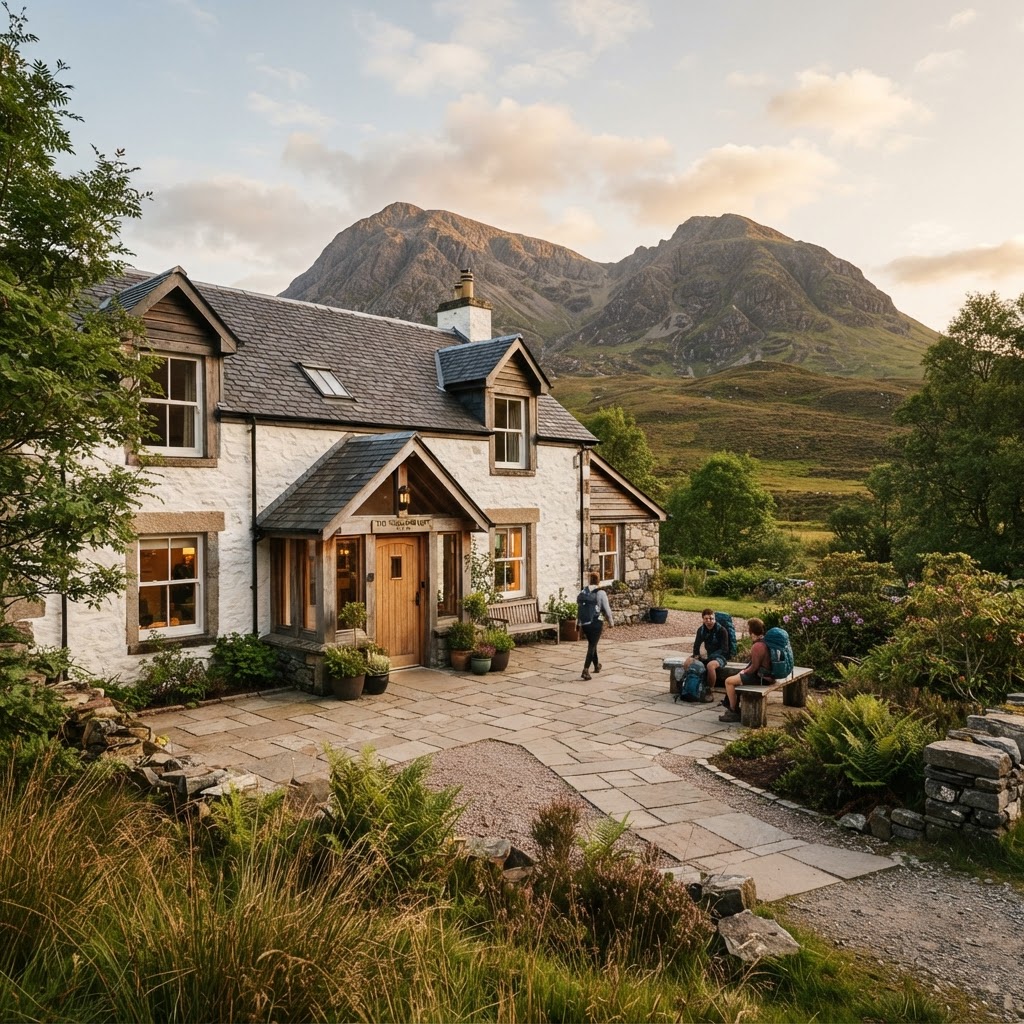
Scotland's hostel market presents a vibrant opportunity for sellers, buoyed by a steady growth in tourism that reached over 15 million visitors in recent years. If you're looking to sell a hostel in Scotland, this guide is your ultimate resource, providing expert insights and practical advice to ensure a successful sale. We cover every aspect of the process, from understanding the unique dynamics of the Scottish hostel market to mastering accurate hostel valuation in Scotland using real-world multiples. Our step-by-step preparation guide includes vital aspects like HMO licensing, tailored marketing strategies for different types of hostel buyers in Scotland, and navigating the specific legal requirements of the region. You'll also find realistic timelines and advanced strategies designed to maximize your sale price. Additionally, this guide offers downloadable checklists, valuation tools, and expert insights drawn from years of experience in Scottish hostel sales. Whether you're selling a bustling backpackers hostel in Glasgow or a charming retreat in the Highlands, this comprehensive guide equips you with the knowledge to achieve the best possible outcome.
Key Takeaways
- Hostel valuations in Scotland typically range between 4-7x annual net profit, depending on location, occupancy rates and growth potential.
- Buyers prioritise hostels with strong online reviews, efficient operations, and clear financial records during due diligence.
- Marketing a hostel effectively requires professional photography, targeted buyer outreach, and highlighting unique selling points like location or sustainability features.
- Scottish hostels in tourist hubs command premium prices, while rural properties often appeal to lifestyle buyers seeking a change of pace.
- Understanding licensing requirements and property classifications is essential to avoid delays or reduced offers during the sale process.
- Preparing 3 years of audited accounts and operational manuals significantly increases buyer confidence and speeds up transactions.
- Partnering with a specialist hospitality broker can secure 15-30% higher offers compared to private sales, despite commission costs.
Understanding Scotland's Hostel Market Dynamics
Understanding Scotland's Hostel Market Dynamics
Scotland's hostel market is characterized by its vibrant seasonal fluctuations and regional variations, making it essential for sellers to understand these dynamics. The hostel market in Scotland, particularly in popular areas like Edinburgh and the Highlands, sees significant demand tied to tourism peaks, which occur from May to September. During these months, Scotland attracts millions of visitors, with Edinburgh alone welcoming over 4 million tourists annually. This influx drives demand for hostel accommodations, presenting lucrative opportunities for sellers.
Regional Price Variations
Hostel pricing in Scotland varies considerably between regions. In Edinburgh, a prime location for tourism, hostels can command higher prices. For instance, the average price per bed in an Edinburgh hostel is approximately £35,000. In contrast, hostels in the Highlands, while still popular, tend to have a lower price point, averaging around £25,000 per bed. These variations reflect the differing levels of tourist activity and local market conditions. A recent example includes a 25-bed hostel in Edinburgh that sold for £875,000 in 2023, highlighting the premium attached to properties in the capital.
Buyer Demographics in the Scottish Market
The Scottish hostel market attracts a diverse range of buyers, with distinct patterns emerging between domestic and international investors. Domestic buyers often seek properties in less saturated markets, such as the Highlands, where they can capitalize on the growing trend of eco-tourism and adventure travel. International investors, on the other hand, frequently target urban centers like Edinburgh, drawn by the city's global reputation and consistent tourist traffic.
Understanding these buyer demographics is crucial for sellers aiming to position their hostels effectively in the market. By aligning their sales strategies with the preferences of these distinct buyer groups, sellers can enhance their property's appeal and optimize sale outcomes.
For more insights on seasonal timing strategies for hostel sales in Scotland, explore our detailed guide here.
How to Value a Hostel in Scotland Accurately
How to Value a Hostel in Scotland Accurately
Accurately valuing a hostel in Scotland is essential for achieving a successful sale. This process involves understanding various financial metrics and regional factors that influence the property's worth. Here, we provide a detailed approach to hostel valuation, ensuring you consider all critical aspects.
Valuation Multiples for Scottish Hostels
When valuing a hostel, one common approach is using EBITDA (Earnings Before Interest, Taxes, Depreciation, and Amortization) multiples. For urban hostels in cities like Edinburgh, typical EBITDA multiples range from 3 to 5 times. In contrast, rural hostels, such as those in the Highlands, may see multiples between 2 to 4 times due to different demand dynamics.
Bed-Rate Calculations
Another method involves calculating the average bed rate, which varies significantly by location. For instance, in Edinburgh, you might expect a rate of £25-45 per bed, whereas in the Highlands, rates could be £15-30 per bed. These figures help in estimating potential revenue and, subsequently, the overall value of the hostel.
Step-by-Step Valuation Process
- Financial Analysis: Start by compiling the hostel's financial records, focusing on revenue, expenses, and profits over the past three years.
- EBITDA Calculation: Determine the EBITDA by adjusting the net income for any non-recurring expenses and owner-specific costs.
- Apply Valuation Multiples: Use the appropriate EBITDA multiple based on the hostel's location to estimate its value.
- Market Comparison: Analyze recent sales of similar hostels in Scotland to benchmark your valuation.
- Adjust for Seasonality: Consider seasonal revenue fluctuations, which can impact cash flow and valuation.
- Factor in Unique Features: Account for unique selling points such as proximity to tourist attractions or local events.
Comparison Table of Valuation Methods
For a precise estimate of your hostel's value, use our free property valuation calculator to estimate your hostel's worth.
Understanding these valuation methods and applying them accurately can significantly impact the sale outcome. For more insights, visit our seasonal timing guide to learn how tourism seasons affect hostel valuation.
Preparing Your Hostel for Sale: Essential Steps
Preparing Your Hostel for Sale: Essential Steps
Selling a hostel in Scotland requires meticulous preparation to ensure you attract the right buyers and achieve the best possible price. Follow these essential steps to prepare your hostel for sale effectively:
- Conduct a Comprehensive Valuation
- Engage a professional appraiser familiar with the Scottish hostel market to determine your property's market value. This valuation will guide your pricing strategy.
- Ensure Compliance with Scottish HMO Licensing
- Verify that your hostel meets the specific HMO (House in Multiple Occupation) licensing requirements for your council area. For instance, Edinburgh may have different stipulations compared to Glasgow or the Highlands. Ensure all licenses are current and compliant.
- Compile Financial Records
- Gather at least three years of Profit and Loss statements, occupancy data, and tax returns. Clear, organized financial records build buyer confidence and streamline the due diligence process.
- Review and Update Staff Contracts
- Ensure all employment contracts are up-to-date and compliant with Scottish labor laws. Consider consulting a legal expert to address any potential issues.
- Optimize Booking System Documentation
- Provide detailed documentation of your booking systems and processes. This transparency helps buyers understand operational workflows and software integration.
- Enhance Property Condition
- Address any maintenance issues and consider aesthetic upgrades. Simple improvements like fresh paint or updated communal areas can enhance appeal and offer high ROI.
- Develop a Marketing Strategy
- Craft a compelling narrative about your hostel's unique features and location benefits. Collaborate with a real estate agent specializing in hospitality properties to reach targeted buyers.
- Plan for Seasonal Timing
- Align property improvements and sale timing with Scotland's tourism calendar. For example, completing renovations in spring can capture the summer demand surge.
Documentation Checklist
- [ ] Ensure all licenses are current and compliant
- [ ] Compile three years of Profit and Loss statements
- [ ] Gather occupancy data and tax returns
- [ ] Update staff contracts
- [ ] Prepare booking system documentation
- [ ] Verify property condition reports
- [ ] Develop a marketing strategy
- [ ] Plan seasonal timing for sale
- [ ] Engage a professional appraiser
- [ ] Consult legal experts if necessary
Download our complete hostel selling guide for more detailed insights and strategies.
Property Improvements That Add Value
- Fresh Paint and Decor: A new coat of paint can significantly enhance the hostel's appearance, often providing a return on investment of up to 5-10%.
- Updated Communal Areas: Modernizing common spaces can improve guest satisfaction and increase perceived value.
- Energy Efficiency Upgrades: Installing energy-efficient lighting and heating systems can reduce operational costs, making the property more attractive to eco-conscious buyers.
For a comprehensive list of pre-sale tasks, download our Pre-Sale Preparation Checklist.
To explore more about the selling process, visit our Complete Guide to Selling Hostels in Scotland.
Effective Marketing Strategies for Hostel Sales
Effective Marketing Strategies for Hostel Sales
Successfully marketing a hostel for sale in Scotland requires a comprehensive approach that targets the right buyer profiles and leverages the most effective channels. Tailored outreach is essential, particularly when engaging with Scotland's diverse hostel investor community.
Targeting the Right Buyer Profile
- Independent Operators: These buyers often seek hostels with unique characteristics and manageable operations. Highlighting features like bespoke interiors or a strong local community presence can attract these buyers.
- Investment Groups: For larger investment entities, focus on financial performance metrics and growth potential. Emphasize scalability and profitability in your marketing materials.
- International Buyers: Appeal to this group by showcasing Scotland's appeal as a travel destination. Include information on tourism trends and the hostel's role within the broader market.
Marketing Channels
- Digital Platforms: Utilize property listing websites and social media to reach a broad audience. Ensure listings are optimized with high-quality photography and detailed descriptions.
- Virtual Tours: Offer prospective buyers a virtual tour to provide an immersive experience of the property. This is particularly valuable for international buyers who may not be able to visit in person.
- Information Memorandum: Create a comprehensive document that includes financial data, market analysis, and operational insights. This should be readily available to serious buyers.
Seasonal Timing Considerations
The typical timeline for selling a hostel in Scotland ranges from 6 to 12 months, with seasonal variations impacting demand. Spring and summer are peak times for tourism, making them ideal for showcasing the potential of your property. Conversely, autumn and winter may see slower activity, but can be used strategically to prepare marketing materials and engage with serious buyers.
Case Study: Successful Marketing Approach
A hostel in Edinburgh successfully sold by targeting international buyers through a combination of digital marketing and strategic partnerships with travel influencers. By highlighting the hostel's proximity to major attractions and its unique cultural offerings, the sellers were able to command a premium price.
For sellers looking to optimize their marketing strategy, showing potential buyers the return on investment with our ROI calculator can be a powerful tool.
For more on developing your hostel's unique selling propositions, read the full Unique Selling Propositions for Scottish Hostels guide.
Navigating Legal Requirements for Hostel Sales
Navigating Legal Requirements for Hostel Sales
Selling a hostel in Scotland involves navigating a complex legal landscape that differs significantly from standard property transactions. Understanding these requirements early prevents costly delays and ensures a smooth transfer of ownership.
The Scottish Hostel Sale Legal Process
The typical legal completion timeline runs 8–12 weeks from accepted offer to settlement, though complex cases involving multiple licenses or lease assignments can extend to 16 weeks. Budget £2,500–£5,000 for solicitor fees on straightforward freehold sales, rising to £4,000–£8,000 for leasehold properties with intricate license transfers.
The process follows these numbered stages:
- Instruction of solicitors – Both parties appoint qualified property solicitors (week 1)
- Missives exchange – Legally binding offer and acceptance documents (weeks 1–3)
- Title examination – Verification of ownership and encumbrances (weeks 2–4)
- License transfer applications – HMO and other regulatory submissions (weeks 3–6)
- Searches and surveys – Environmental, planning, and structural checks (weeks 4–7)
- Conclusion of missives – Final contract agreement (weeks 6–8)
- Settlement and registration – Payment transfer and Land Register update (weeks 8–12)
HMO Licensing Transfer in Scotland
Houses in Multiple Occupation (HMO) licenses are property-specific in Scotland and cannot simply transfer to new owners. Buyers must apply for a new license, which typically takes 8–12 weeks for council processing. The existing license remains valid during the application period, preventing operational disruption.
Edinburgh Council requires enhanced fire safety documentation and proof of management competency for hostels exceeding 10 beds. Glasgow City Council mandates gas safety certificates no older than 12 months and electrical installation condition reports (EICR) valid for five years. Aberdeen City Council enforces strict occupancy density rules—typically 6.5m² minimum per sleeping room occupant.
Sellers should initiate pre-application discussions with the relevant council 3–4 months before marketing to identify any compliance gaps that could deter buyers.
Leasehold vs Freehold Considerations
Freehold hostel sales offer straightforward ownership transfer, but leasehold properties require landlord consent for assignment. Review your lease for assignment clauses, change of use restrictions, and alienation provisions that may limit transferability.
Leasehold transactions involve additional steps: securing landlord approval (typically 4–6 weeks), negotiating assignment fees (often £500–£2,000), and potentially renegotiating ground rent terms. Some commercial leases include upward-only rent review clauses that activate on assignment—a significant concern for buyers.
Read the full Navigating Scottish Hostel Leasehold Transfers guide for detailed protocols on tenant rights during ownership transitions and ground rent negotiations that could impact your sale timeline.
The Hostel Sale Process: Timeline and Key Stages
The Hostel Sale Process: Timeline and Key Stages
Selling a hostel in Scotland typically takes 6-12 months from initial preparation to legal completion, though this varies significantly based on property type, location, and market conditions. Understanding each phase helps you plan effectively and avoid unnecessary delays.
From Listing to Completion: Month-by-Month
Preparation Phase (4-8 weeks): Begin by gathering three years of audited accounts, occupancy records, and all property documentation including planning permissions, fire safety certificates, and licensing records. Commission a professional valuation and address any maintenance issues that could deter buyers. For leasehold properties, confirm your landlord's consent requirements early—this alone can take 2-3 weeks.
Marketing Period (3-6 months): Once listed, expect serious enquiries within the first month if priced correctly. Edinburgh and Glasgow hostels typically attract viewings faster than rural properties. Your agent will qualify buyers, arrange accompanied viewings, and manage initial negotiations. Winter listings (November-February) often extend this phase by 4-8 weeks as buyer activity drops.
Offer Negotiation (2-4 weeks): After accepting an offer, solicitors exchange missives outlining terms, completion dates, and conditions. Scottish law requires concluded missives before the sale becomes legally binding—a crucial difference from England's exchange-and-completion system.
Due Diligence (4-6 weeks): Buyers conduct property surveys, review financial records, verify licenses, and assess booking systems. Leasehold transfers add 4-6 weeks to typical hostel sale timelines in Scotland, requiring extra due diligence on contractual obligations and lease extension terms. Critical path items include securing landlord consents and validating tenant occupancy agreements. Explore lease-specific considerations in our Navigating Scottish Hostel Leasehold Transfers guide.
Legal Completion (8-12 weeks): Solicitors finalise settlement statements, transfer licenses, and arrange funds transfer. The date of entry (Scotland's completion date) is agreed in missives and typically allows 6-8 weeks for all legal work.
Managing Seasonal Variations in Sale Timeline
Scottish tourism seasonality directly impacts buyer interest and sale duration. Peak season (May-September) brings maximum buyer activity—hostels demonstrating strong summer occupancy attract premium offers and faster sales. Conversely, winter months see 30-40% fewer enquiries, though serious investors often negotiate harder during this period.
List your hostel in February-April to capture buyers planning for the summer season, or in September-October when operators review annual performance and consider expansion. Avoid launching during Edinburgh Festival (August) when potential buyers are managing their busiest trading period.
Common Mistakes When Selling a Hostel in Scotland
Common Mistakes When Selling a Hostel in Scotland
Selling a hostel in Scotland can be a rewarding venture, but it is fraught with potential pitfalls that can significantly impact the sale. Here are some common mistakes to avoid:
- Overpricing Your Hostel: Setting an unrealistic price can lead to your property languishing on the market for months longer than necessary. On average, overpriced properties remain unsold for an additional 6-12 months. To avoid this, conduct a professional valuation and consider current market trends.
- Poor Financial Records: Incomplete or inaccurate financial documentation can reduce offers by up to 15%. Potential buyers need clear, detailed financial statements to assess the profitability of your hostel. Ensure your accounts are up-to-date and transparent.
- Neglecting Licenses and Permits: Failing to transfer necessary licenses, such as HMO licenses, can derail a sale. Missteps here can kill deals outright. Prepare all documentation in advance and consult with legal experts to facilitate smooth transfers.
- Wrong Timing: Listing your hostel at the wrong time of year can impact visibility and buyer interest. For example, listing in November may result in fewer inquiries compared to the vibrant market in May. Plan your sale around peak buying seasons to maximize exposure.
- Inadequate Marketing: A lack of targeted marketing can mean your property goes unnoticed. Employ a comprehensive marketing strategy that includes online listings, social media, and professional photography to attract the right buyers.
- Ignoring Seasonal Performance Data: Buyers are interested in how your hostel performs throughout the year. Ignoring this data can lead to undervaluation. Provide detailed performance reports to highlight profitability during peak seasons.
How to Avoid These Costly Errors
- Get a Professional Valuation: Engage with local experts who understand the Scottish hostel market.
- Maintain Accurate Financial Records: Regularly update your financial statements and consider hiring an accountant.
- Prepare Licensing Documentation: Consult with legal professionals to ensure all licenses are in order before listing.
- Strategize Your Timing: Research market trends and choose a listing time that aligns with peak interest.
- Invest in Marketing: Utilize a mix of digital and traditional marketing techniques to reach potential buyers.
- Highlight Seasonal Data: Provide comprehensive reports on seasonal performance to give buyers confidence in their investment.
For more detailed strategies on avoiding these pitfalls, explore our Scottish hostel leasehold transfer guide and other related resources.
Maximising Your Hostel Sale Price: Advanced Strategies
Revenue Optimization Before Sale
The twelve months preceding your hostel sale represent your most valuable window for value enhancement. Occupancy rate improvement delivers the most dramatic valuation impact: increasing occupancy from 65% to 78% across a 40-bed hostel can add £80,000–£120,000 to your asking price, as buyers typically apply 3–4× EBITDA multiples. Begin tracking and optimising occupancy metrics immediately, focusing on shoulder-season performance (April–May, September–October) where Scottish hostels traditionally underperform.
Diversifying revenue streams beyond bed nights transforms your hostel from accommodation provider to hospitality business. Successful Scottish hostel owners report 15–25% revenue uplifts by introducing:
- Organised tours and activities: Edinburgh walking tours, Highland day trips, whisky experiences (typical margin: 30–40%)
- Event hosting: Quiz nights, live music, cultural evenings generating £200–£600 per event
- Enhanced bar and café sales: Craft beer selections and locally-sourced food can increase per-guest spend by £8–£15
- Co-working day passes: £12–£18 daily rates attract digital nomads and remote workers
- Retail partnerships: Commission-based local craft sales, outdoor equipment, tour bookings
Document these revenue streams meticulously with 12–24 months of data, demonstrating consistency and growth potential that buyers can confidently project forward.
Strategic Improvements That Pay Off
High-ROI facility upgrades require careful selection. Converting 6–8 traditional dorm beds into ensuite pod configurations costs £15,000–£25,000 but commands 40–60% price premiums and attracts older, higher-spending guests. Installing a dedicated co-working space with reliable WiFi, charging stations and ergonomic seating (investment: £8,000–£12,000) positions your hostel for the growing digital nomad market.
Online reputation management directly impacts valuation. Hostels maintaining 8.5+ ratings on Booking.com and 9.0+ on Hostelworld sell 20–30% faster and command 8–12% price premiums. Implement systematic review request processes, respond professionally to all feedback, and address recurring concerns immediately.
Create a comprehensive operations manual documenting supplier relationships, booking procedures, maintenance schedules, staff training protocols and marketing strategies. This 40–60 page resource demonstrates business maturity and reduces perceived buyer risk, particularly valuable when marketing your hostel to international investors.
Strategic hostel upgrades must highlight Scotland-specific differentiators, from preserved historical elements to specialty tourism certifications that justify price premiums. Documenting revenue streams tied to unique location advantages or niche market appeal significantly strengthens investor valuation arguments.
Buyer Financing Options and Deal Structures
Buyer Financing Options and Deal Structures
When looking to sell a hostel in Scotland, understanding the financing options available to buyers is crucial. It not only helps in setting realistic expectations but also in structuring deals that attract potential buyers.
Commercial Mortgages are a common choice for hostel buyers in Scotland. Typically, lenders offer a loan-to-value (LTV) ratio of 60-70% for hostel properties. This means that buyers need to provide a deposit covering 30-40% of the property's value. Interest rates for hospitality properties can vary, but they generally fall within the 3-6% range, depending on the buyer’s creditworthiness and the hostel's financial health.
Seller Financing Options can be a strategic tool to facilitate a sale, especially when traditional financing is challenging to secure. This involves the seller acting as the lender, allowing the buyer to make payments over time. Seller financing can be attractive in a competitive market, offering flexibility and potentially faster sales. However, it’s important to assess the buyer’s financial stability before agreeing to such terms.
Asset Finance for FF&E (Furniture, Fixtures, and Equipment) allows buyers to finance the purchase of essential operational assets separately. This can lower the initial capital required, making the overall transaction more feasible. Asset finance agreements typically cover 3-5 years, with competitive rates that reflect the asset’s depreciation.
How Buyer Financing Affects Your Sale
Understanding buyer financing is essential for sellers to position their hostel attractively. Properties with strong financials, such as consistent revenue streams and healthy profit margins, are more appealing to lenders, making them more mortgageable. As a seller, ensuring your financial records are transparent and up-to-date can significantly enhance your hostel’s attractiveness to potential buyers.
Additionally, being aware of financing options allows sellers to tailor their marketing strategies to highlight aspects of the property that align with common buyer needs, such as potential for revenue growth or existing operational efficiencies.
For further insights on financing strategies, refer to our related financing content to explore options and tools that can aid in structuring a successful sale.
By understanding the intricacies of buyer financing, sellers can better navigate the Scottish hostel market, ensuring a smoother transaction process and potentially achieving a more favorable sale outcome. This knowledge not only aids in attracting serious buyers but also in negotiating terms that meet both parties' needs effectively.
Tax Implications for Scottish Hostel Sales
Tax Implications for Scottish Hostel Sales
Navigating the tax landscape when planning to sell a hostel in Scotland is crucial to optimize your financial outcomes. Understanding the key tax considerations can significantly impact your net proceeds. Below, we delve into the primary tax elements you should be aware of.
Capital Gains Tax Planning
When selling a hostel, you may be liable for Capital Gains Tax (CGT) on the profit made from the sale. The rate of CGT can vary, but typically, if you qualify for Business Asset Disposal Relief (formerly known as Entrepreneurs' Relief), you could benefit from a reduced rate of 10%. This relief is available if you meet certain criteria, such as owning the hostel for at least two years and being involved in its management. Without this relief, higher rate taxpayers might face a CGT rate of up to 20%.
To strategically minimize your tax liability, consider timing your sale to coincide with the end of the tax year or after significant business expenses. Engaging an accountant who specializes in property sales can provide tailored advice and ensure compliance with tax regulations.
VAT and Going Concern Sales
In some cases, selling your hostel as a going concern can exempt the transaction from Value Added Tax (VAT). This occurs when the business is sold as a whole, with the buyer intending to continue operating it in the same manner. Ensuring the sale qualifies as a going concern requires meeting specific conditions, such as transferring all assets and the business being operational at the time of sale.
Additionally, it's important to consider the Land and Buildings Transaction Tax (LBTT), which is a tax payable by the buyer in Scotland. While this doesn't directly affect the seller, understanding its implications can aid in negotiations and setting a competitive price.
Professional Advice is Essential
While this overview provides general guidance, each hostel sale is unique, and tax implications can vary widely. Consulting with a professional accountant or tax advisor is essential to navigate these complexities effectively and ensure compliance with Scottish tax laws. By doing so, you can maximize your financial outcomes and avoid unexpected liabilities.
For further insights and detailed steps on selling your hostel, refer to our related guides and tools, including our comprehensive Hostel Valuation in Scotland Guide and Legal Requirements for Hostel Sales.
Related Resources and Tools
Related Resources and Tools
To successfully sell your hostel in Scotland, leveraging the right resources and tools is crucial. Below is a curated list of valuable links and downloadable resources designed to guide you through each step of the sale process, ensuring you maximize your property's value and attract the right buyers.
- Free Hostel Valuation Calculator
- Use this tool to gain an accurate understanding of your hostel's current market value. This calculator considers various factors specific to the Scottish hostel market, providing you with a reliable estimate to inform your pricing strategy.
- Calculate Potential Returns for Buyers
- This resource helps potential buyers evaluate the investment returns they can expect from your property, making your hostel more attractive by showcasing its financial viability.
- Download Complete Selling Guide
- Access this comprehensive PDF guide for a detailed walk-through of the entire selling process, from preparation to closing the deal, tailored specifically for the Scottish hostel market.
- Pre-Sale Preparation Checklist
- Ensure your hostel is ready for sale with this downloadable checklist. It covers essential tasks such as property maintenance, financial documentation, and marketing preparations to streamline your sale process.
- Scottish Hostel Sale Document Checklist
- Download this checklist to keep track of all necessary documents required for a smooth transaction, including legal papers, financial records, and property details.
- Related Articles and Guides
- Explore our Parent Pillar Page for comprehensive insights and strategies.
- Dive deeper into specific topics with related guides such as Understanding Scotland's Hostel Market Dynamics and Effective Marketing Strategies for Hostel Sales.
These resources are designed to empower hostel owners and sellers with the knowledge and tools needed to navigate the complexities of the Scottish hostel market effectively.
What are the most attractive locations in Scotland for hostel buyers?
Hostel buyers in Scotland typically prioritise locations with strong tourism footfall and year-round demand. Edinburgh and Glasgow remain top choices due to the
How does seasonal demand affect the sale of hostels in Scotland?
Scotland's tourism seasonality directly impacts hostel valuations and buyer interest. Properties with proven year-round revenue streams (e.g., city hostels or t
What licence requirements must be disclosed when selling a hostel in Scotland?
All Scottish hostel sales must include full disclosure of operational licences. Critical permits include the HMO (Houses in Multiple Occupation) licence for pro
Should I consider leasehold vs freehold when selling my Scottish hostel?
Freehold hostels generally attract more buyers and command 15-25% higher valuations due to complete asset ownership. Leasehold properties require careful evalua
What financial records are essential when preparing a hostel for sale?
Buyers expect 3 years of audited financial statements including profit/loss reports, balance sheets, and VAT returns. Granular breakdowns of revenue streams (do
How long does it typically take to sell a hostel in Scotland?
The sales timeline varies significantly by location, price point, and market conditions. Well-priced city hostels with clear financials often sell within 3-6 mo
What unique selling points attract premium buyers for Scottish hostels?
Premium buyers seek hostels with defensible competitive advantages. Architectural character (converted churches, historic buildings) commands value premiums of
How do I handle staff considerations when selling my hostel?
Staff transfer regulations under TUPE (Transfer of Undertakings Protection of Employment) automatically apply in hostel sales, requiring the buyer to retain exi
What are typical valuation multiples for hostels in Scotland?
Scottish hostels typically sell for 2.5-5x EBITDA, depending on location and performance. Edinburgh city centre properties command 4-5x multiples due to strong
How does seasonal demand affect when I should sell my hostel?
Listing your Scottish hostel in late winter or early spring (February-April) typically yields the best results, as buyers want to complete before the peak summe
What are the legal costs involved in selling a hostel in Scotland?
Expect to pay £2,500-5,000 in solicitor fees for a straightforward Scottish hostel sale, with more complex transactions (multiple titles, lease assignments, lim
Related Resources
- Understanding Scottish Highlands Tourism Impact
- Legal Compliance for Highland Hotel Investments
- Hotel Valuation Methods: Beyond EBITDA
- List Your Property
- Property Valuation Service
- Learn about navigating Scottish hostel leasehold transfers
- Discover unique selling propositions for Scottish hostels
- Explore seasonal timing strategies for hostel sales
- Understand Scottish hostel buyer personas
- Review essential repairs before selling
- List your hostel for sale in Scotland
- What do hotel buyers look for before making an offer?
- Common mistakes that slow down hospitality sales
- Do I need a property valuation before listing?
- How to attract more international buyers
- Calculate your hospitality ROI
- Download our free selling guide
- Create professional property brochures
- Browse hotels for sale
- View guest houses for sale
Browse hospitality properties for sale | List your property | Free valuation