Sell My Gîte in France | Free Owner's Sales Guide
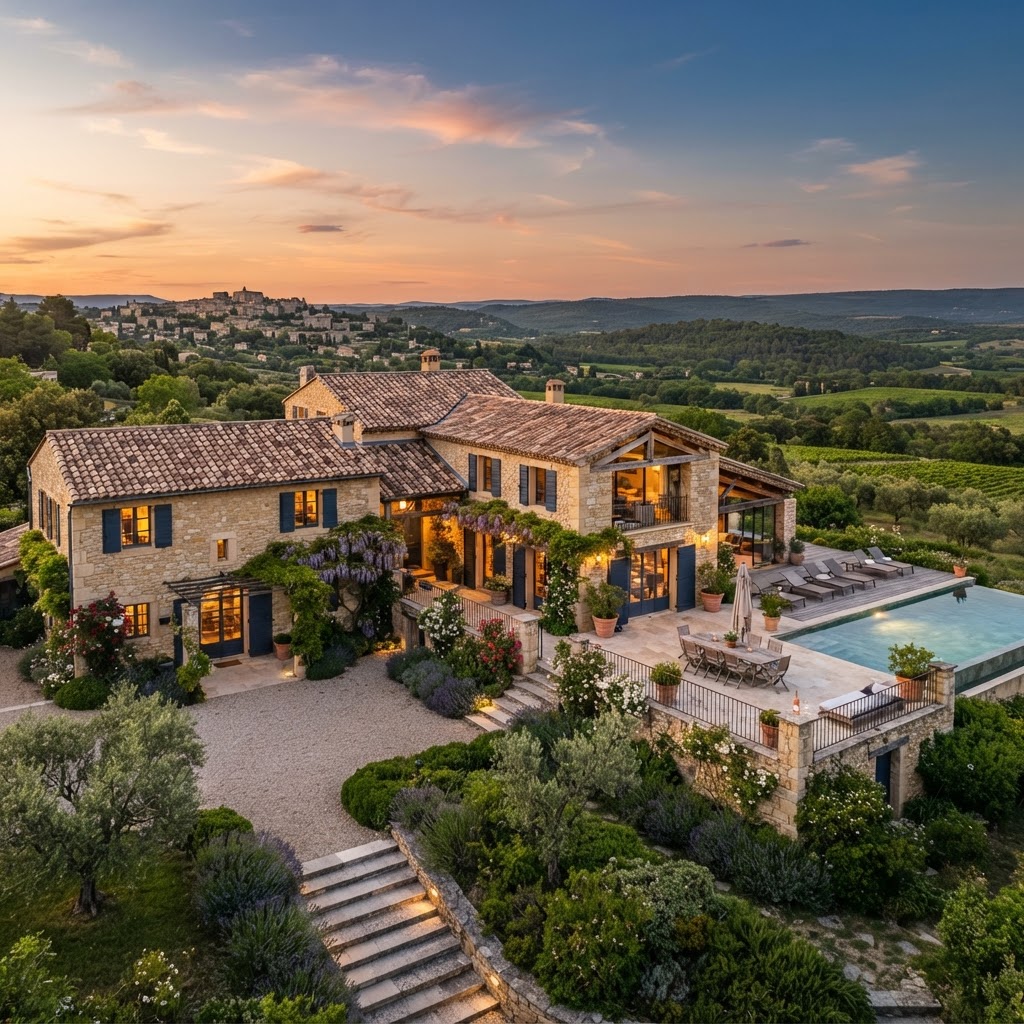
Selling a rural gîte in France presents unique challenges distinct from urban hotel sales, requiring a focus on factors like rural location considerations, septic system compliance, and seasonal trading models. This guide is specifically tailored for owners navigating the complexities of 'sell rural gîte France' and 'French holiday let sales'. We address the intricacies of LMNP tax implications and cater to the specific buyer demographics, including British lifestyle investors, Dutch retirees, and domestic French buyers. While some principles of French property sales overlap with hotel transactions, this guide uniquely addresses the legal, compliance, and marketing requirements essential for rural self-catering holiday rentals. Drawing insights from eight specialized gîte pages, it offers a holistic view to ensure a successful sale. Whether you are an experienced seller or new to the market, our guide equips you with the expertise needed to effectively sell your gîte in France.
Key Takeaways
- Understand the current market trends and buyer preferences in France to price your gîte competitively.
- Prepare your property for sale with professional staging and high-quality photography.
- Navigate the legal complexities of selling a French property, including tax implications and paperwork.
- Avoid common pitfalls by learning from seasoned hospitality property sellers.
- Utilize our step-by-step checklist to ensure a smooth sales process from start to finish.
- Access downloadable resources and tools to assist with pricing and marketing your gîte.
- Explore related articles to deepen your understanding of the French hospitality property market.
Understanding the French Rural Gîte Market: Regional Demand and Buyer Demographics
# Understanding the French Rural Gîte Market: Regional Demand and Buyer Demographics
The French gîte market stands out in the hospitality landscape, attracting a diverse range of buyers. By focusing on specific regional data and buyer profiles, you can effectively position your property for sale.
Detailed Regional Market Insights
Dordogne
Dordogne is a prime location for British buyers, with a noticeable concentration of lifestyle investors aged 45-60 seeking rural retreats that can also generate income. Properties in this region typically fall within the €250,000 to €450,000 price band. The area's idyllic landscapes and historic charm make it a top choice for those looking to escape the hustle and bustle of city life.
Provence
In Provence, the gîte market caters to the luxury segment, with properties often priced at €500,000 and above. This region attracts Dutch and Belgian buyers who are drawn to its sun-drenched landscapes and cultural richness. The demand here is for high-end properties that offer unique features and a premium experience.
Brittany
Brittany appeals to budget-conscious domestic French buyers, with gîtes generally priced between €180,000 and €320,000. The region's rugged coastline and rich cultural heritage are key attractions for those seeking affordable holiday homes within France.
Gîte-Specific Buyer Profiles
- British Lifestyle Investors: Typically aged 45-60, seeking a combination of personal enjoyment and rental income. They often prefer properties with traditional charm and modern amenities.
- Dutch Retirees: Looking for tranquil retirement homes in scenic locations, often with a preference for sustainable features.
- Domestic French Purchasers: Generally budget-conscious, interested in properties that offer value for money and are close to family-friendly amenities.
- Investment Buyers: Focused on potential rental yields, often interested in properties with established rental histories.
For more detailed insights, explore our French Gîte Buyer Profiles 2026.
Seasonal Demand Patterns
Unlike year-round hotels, gîtes experience distinct seasonal demand patterns. Peak seasons typically align with school holidays and summer months, when families and retirees seek extended stays. Off-peak seasons may require strategic pricing and marketing to maintain occupancy, such as offering weekend getaways or themed packages.
Impact of Gîtes de France Classification and Atout France Ratings
The Gîtes de France classification and Atout France star ratings significantly influence a property's marketability. Properties with higher classifications often enjoy increased visibility and trust among buyers, leading to potentially higher sale prices. Ensuring your gîte meets the necessary criteria for these ratings can enhance its appeal.
Conclusion
Understanding these regional dynamics and buyer profiles is essential for effectively selling your gîte in France. By aligning your sales strategy with market trends and buyer expectations, you can maximize your property's appeal and achieve a successful sale. For further guidance on the sales process, consider exploring our comprehensive resources tailored to the French gîte market.
Preparing Your Rural Gîte for Sale: Compliance, Documentation and Presentation
Preparing Your Rural Gîte for Sale: Compliance, Documentation and Presentation
Selling a rural gîte requires preparation that differs fundamentally from commercial hotel sales. Buyers expect comprehensive documentation on septic systems, swimming pool compliance, registration status and seasonal revenue patterns—elements rarely scrutinised in urban hotel transactions.
Fosse Septique (Septic System) Compliance
Most rural gîtes operate on fosse septique rather than mains drainage. Before listing, obtain a current SPANC inspection certificate (Service Public d'Assainissement Non Collectif) from your local commune. This diagnostic, valid for three years, confirms your septic system meets environmental standards. Non-compliant systems trigger mandatory upgrade clauses in the *compromis de vente*, often costing €3,000–€15,000 depending on system type and soil conditions.
Decide whether to upgrade pre-sale (commanding a premium from buyers) or price accordingly and disclose deficiencies upfront. Buyers increasingly request SPANC reports during initial viewings. For detailed compliance requirements, see our guide on French gîte septic system compliance and inspection.
Swimming Pool Safety Barriers
If your gîte includes a swimming pool, ensure full compliance with Loi n°2003-9 safety requirements. Mandatory barriers, alarms, covers or shelters must meet NF standards—buyers will verify this during technical surveys. Non-compliant pools delay sales or trigger price reductions averaging 8–12% of pool value.
Commission a certified pool safety inspection (€150–€300) and retain documentation. Highlight compliant features in marketing materials—safety-certified pools reassure family-focused buyers. Our French gîte swimming pool safety compliance guide covers barrier specifications and inspection processes.
Registration and Affiliation Documentation
Meublé de Tourisme registration (required for properties marketed as furnished holiday lets) must be current and transferable. Compile your registration certificate, annual declaration receipts and correspondence with your local tourism office. If affiliated with Gîtes de France, prepare your classification certificate (épis rating), inspection reports and membership terms—affiliation often adds 10–15% to sale value through brand recognition.
Document any LMNP status (Loueur en Meublé Non Professionnel) declarations, as buyers may continue this beneficial tax regime.
Rural Property Presentation
Showcase elements unique to rural gîtes: land boundaries (provide cadastral plans), outbuildings (barns, storage, potential conversion spaces), outdoor amenities (stone BBQ areas, covered terraces, boules courts) and rural views (photograph sunrise/sunset vistas, distant villages, surrounding countryside). Stage outdoor dining areas with rustic furniture—buyers envision guest experiences, not just accommodation.
Maintain gardens meticulously; overgrown hedges or neglected vegetable plots suggest deferred maintenance. Highlight water sources (wells, springs, irrigation rights) and land use (grazing rights, woodland, orchard productivity).
Seasonal Revenue Documentation
Unlike year-round hotel trading records, gîte sales require seasonal occupancy analysis. Prepare three years of booking calendars showing peak (July–August), shoulder (May–June, September) and low-season performance. Break down revenue by booking channel (direct, OTAs, repeat guests) and average stay duration.
Document variable costs (seasonal pool maintenance, winter heating, garden upkeep) that differ from hotel fixed overheads. Buyers assess profitability against 16–20 week high-season windows, not 52-week hotel metrics.
Step-by-Step Guide to Selling Your Gîte
Selling a gîte involves a detailed process that demands careful planning and execution. Follow these steps to ensure a successful sale:
1. Initial Property Assessment
- Conduct a professional valuation to determine your gîte's market value.
- Identify any repairs or upgrades needed to maximize appeal.
2. Choose a Selling Strategy
- Decide between selling privately or enlisting a real estate agent specializing in French properties.
3. Marketing Your Gîte
- Create a compelling listing with high-quality photos and a detailed description.
- Utilize platforms like Stay4Hospitality and local French property websites.
4. Hosting Viewings
- Prepare the gîte for viewings, ensuring it is clean and welcoming.
- Be ready to answer potential buyers' questions about the property and its surroundings.
5. Negotiating Offers
- Evaluate offers considering both price and buyer conditions.
- Engage in negotiations to reach a mutually beneficial agreement.
6. Closing the Sale
- Once an offer is accepted, work with legal experts to prepare necessary documentation and contracts.
- Ensure all legal and financial obligations are fulfilled before transferring ownership.
By following these steps, you can navigate the selling process smoothly and efficiently.
Gîte-Specific Legal and Compliance Requirements for Rural Holiday Let Sales
Gîte-Specific Legal and Compliance Requirements for Rural Holiday Let Sales
Selling a gîte in France involves navigating unique legal and compliance requirements specific to rural holiday lets. Understanding these nuances can streamline your sale and ensure compliance with French regulations.
SAFER Pre-emption Rights
In rural France, SAFER (Société d'Aménagement Foncier et d'Établissement Rural) has pre-emption rights on agricultural land, which can affect gîte sales. However, properties used for tourism, like gîtes, often qualify for exemptions. It's crucial to notify SAFER of your intent to sell, typically within two months of listing the property. Consult with a notary to confirm if your gîte qualifies for exemption and to ensure timely notification. Learn more about the notaire process.
Assainissement Non-Collectif (Septic) Inspections
Gîtes often rely on septic systems, requiring compliance with local sanitation standards. A SPANC (Service Public d’Assainissement Non Collectif) inspection is mandatory to assess the system's condition. As a seller, you must provide a valid inspection report, typically no older than three years, to potential buyers. This report should be included as a condition in the Compromis de Vente. For detailed guidance, visit our septic system compliance page.
Swimming Pool Safety Compliance
If your gîte features a swimming pool, compliance with Loi n°2003-9 is essential. This law mandates safety measures such as barriers, alarms, or covers. Sellers must provide proof of compliance, typically through inspection certificates. Ensure these documents are up-to-date to avoid sale delays. For more information, see our swimming pool safety compliance guide.
Meublé de Tourisme Registration vs Gîtes de France Affiliation
Understanding the distinction between Meublé de Tourisme registration and Gîtes de France affiliation is crucial. While Meublé de Tourisme is a star-rating system managed by Atout France, Gîtes de France is a private label. When selling, decide whether to transfer your Gîtes de France membership to the buyer or maintain your Meublé de Tourisme classification. Explore classification details here.
Rural Planning Constraints
Rural gîtes may face specific planning constraints under PLU (Plan Local d’Urbanisme) or Carte Communale regulations. These can restrict property use or require change-of-use permissions. Verify with local authorities if your gîte's current use aligns with zoning laws or if additional permissions are needed.
LMNP/LMP Tax Regime Implications
The LMNP (Loueur en Meublé Non Professionnel) and LMP (Loueur en Meublé Professionnel) tax regimes offer different implications for gîte sales. Unlike hotel commercial leases, these regimes impact depreciation recapture and VAT obligations. Consult a tax advisor to understand how these regimes affect your sale and potential tax liabilities.
By addressing these gîte-specific legal and compliance requirements, you can facilitate a smooth transaction while maximizing your property's appeal to prospective buyers. Proactive management of these aspects not only ensures legal compliance but also enhances buyer confidence.
Avoiding Common Mistakes
Selling a gîte in France can be a rewarding venture, but common pitfalls often hinder sellers from achieving their desired outcomes. By understanding these frequent errors, you can navigate the selling process more effectively and maximize your property’s appeal.
Overpricing Your Gîte
One of the most prevalent mistakes is setting an unrealistic price. It's crucial to conduct a thorough market analysis to understand comparable properties. Consider factors such as location, amenities, and the current demand for gîtes in your region. Overpricing can deter potential buyers, prolonging the sale process and potentially leading to price reductions later on.
Neglecting Property Presentation
First impressions matter. Ensure your gîte is in top condition by addressing any necessary repairs and enhancements. Professional photography can significantly impact buyer interest, so invest in high-quality images that showcase your property’s unique features.
Inadequate Marketing
Relying solely on traditional methods like local newspapers or word of mouth can limit your reach. Utilize online platforms like Stay4Hospitality to broaden your audience. Craft a compelling listing with engaging descriptions and visuals to attract buyers globally.
Overlooking Legal and Financial Preparedness
Ensure all legal documents are in order before listing your gîte. This includes ownership papers, planning permissions, and any rental agreements if applicable. Additionally, be prepared for the financial implications of selling, such as capital gains tax and transaction fees.
Avoid these mistakes by staying informed and prepared, thereby setting a solid foundation for a successful sale.
Gîte-Specific Strategies for Maximizing Rural Holiday Let Sale Value
Gîte-Specific Strategies for Maximizing Rural Holiday Let Sale Value
Enhancing your gîte’s value before listing it on the market can significantly influence the offers you receive. Implement these expert strategies to position your property competitively:
Presenting Seasonal vs Year-Round Trading Models
When preparing to sell your gîte, consider showcasing both seasonal and year-round trading models to appeal to different buyer segments. Some buyers might be interested in a property that thrives during peak tourist seasons, while others might prefer a gîte that offers stable income throughout the year. For detailed insights, refer to our guide on French gîte seasonal rental income and year-round trading revenue models.
Showcasing Gîtes de France Classification
Highlight your gîte’s Gîtes de France classification or Atout France star ratings as transferable value. These ratings not only serve as a mark of quality but also assure potential buyers of the property’s established reputation. A well-rated gîte can command higher prices and attract discerning buyers. Learn more about these classifications in our dedicated article.
Transferring LMNP Tax Status
The LMNP (Loueur en Meublé Non Professionnel) tax status can be a significant selling point. This status offers depreciation benefits and simplified accounting, which can be transferred to the new owner, providing ongoing financial advantages. Highlighting these benefits can make your gîte more attractive to savvy investors.
Marketing to International Audiences
Tailor your marketing strategies to appeal to various international buyers. For example, British lifestyle investors may be drawn to the charm and potential income of a rural French gîte, while Dutch retirees might appreciate a peaceful retreat. Domestic French buyers often seek properties with cultural significance or renovation potential. For more on buyer profiles, visit our comprehensive guide.
Highlighting Rural Amenities
Emphasize the unique rural amenities your gîte offers, such as expansive land size, privacy, and potential for outbuildings or renovations. These features can be particularly appealing to buyers looking for a countryside escape or those interested in developing the property further.
Presenting Occupancy Data
Provide potential buyers with occupancy data for both peak and shoulder seasons. This information can demonstrate the property's earning potential and help buyers make informed decisions. Use our property brochure creator to craft professional marketing materials that effectively present this data.
By focusing on these gîte-specific strategies, you enhance your property’s attractiveness and stand a better chance of receiving competitive offers.
Checklists and Resources for Sellers
Checklists and Resources for Sellers
Successfully selling your gîte requires meticulous preparation across legal, technical and administrative domains unique to French rural holiday properties. These downloadable resources address the specific compliance requirements and timelines that gîte owners must navigate.
Gîte Seller's Checklist PDF
Our comprehensive Gîte Seller's Checklist covers the technical compliance areas that distinguish rural holiday lets from standard residential sales. This downloadable PDF guides you through fosse septique (septic system) compliance, including SPANC inspection certificates required before sale completion—typically costing €150–€300 and taking 2–4 weeks to arrange. The checklist details pool barrier requirements under French safety law (NF P90-306 standard), ensuring your swimming pool meets mandatory fencing, alarm or cover regulations before viewings commence.
The resource includes a dedicated section on Meublé de Tourisme documentation, covering your current classification certificate (1–5 stars), inspection reports, and renewal dates that buyers will scrutinise. For properties operating under LMNP (Loueur en Meublé Non Professionnel) status, the checklist outlines transfer paperwork including your SIRET registration, amortissement (depreciation) schedules, and fiscal regime documentation (micro-BIC or réel simplifié) that buyers need for seamless tax status continuation.
Gîte Sale Timeline Template
Timing is critical when selling rural French property. Our Gîte Sale Timeline Template maps the extended periods specific to countryside sales, starting with SAFER notification requirements—the agricultural land agency's 2-month pre-emption right that applies to many gîtes with attached land. The template schedules SPANC septic inspections at week 2–3 of your sale preparation, allowing time for any remedial work before compromis signature.
The timeline incorporates compromis de vente conditions specific to rural properties: diagnostic reports (asbestos, lead, termites, energy performance), agricultural lease checks if you rent adjoining fields, and right-of-way confirmations for shared access tracks common in countryside locations. Standard timelines show 90 days from compromis to acte de vente, but rural properties often extend to 120 days when SAFER involvement or septic upgrades are required.
Pre-Sale Compliance Audit Worksheet
Before listing, complete our Pre-Sale Compliance Audit Worksheet covering four critical domains. The septic system audit verifies your installation date, capacity rating, last emptying date, and SPANC conformity status. The pool safety audit checks barrier height (minimum 1.1m), gate self-closing mechanisms, and alarm functionality. The planning compliance section confirms any extensions, conversions or gîte-specific modifications have proper *déclaration préalable* or *permis de construire* approval. Finally, the tax status audit reviews your TVA registration (if applicable), taxe d'habitation exemptions, and cotisation foncière des entreprises (CFE) payments.
Professional Support and Further Reading
For comprehensive guidance, consult our main Selling Guide covering the complete sales process, and arrange a Professional Property Valuation to establish accurate market positioning. Explore our eight published gîte-specific resources for detailed technical guidance on every aspect of French holiday property ownership and sales, from tax optimization to regulatory compliance in rural départements.
Next Steps and Related Resources
Next Steps and Related Resources
After covering the essential steps in selling your gîte, it's time to explore additional resources and tools tailored to assist you further in the process. This section is designed to provide a comprehensive guide to the next steps, ensuring you have all the necessary information and support.
Legal & Compliance
- Understanding the Role of the Notaire: For a detailed overview of the notaire's role in property transactions, visit our French Hotel Sale Notaire Process page. This is crucial for ensuring all legal aspects of your gîte sale are covered.
- Septic Compliance and Rural Property Surveys: Discover specific considerations for rural properties like gîtes in our Gîte Compliance Guide.
Market Intelligence
- French Property Market Insights: For broader market context, explore our Sell My Hotel in France page, which offers insights applicable to the hospitality sector in France.
- Gîte Market Trends: Stay informed with our Gîte Market Trends page, providing forecasts and analysis specific to gîtes.
Buyer Profiles
- Understanding Your Buyer: Learn about potential buyer demographics and preferences in our Gîte Buyer Profiles guide.
- Current Listings: Browse current Guest Houses for Sale to understand market competition and pricing.
Technical Requirements
- Gîte-Specific Tax Considerations: For insights into capital gains tax with a focus on gîtes, refer to our France Hotel Capital Gains Tax page and consider gîte-specific angles like LMNP status.
- Technical Selling Guides: Dive into our Gîte Technical Selling Guide for in-depth advice on preparing your property for sale.
FAQs and Support
- Common Questions about Selling Gîtes: Visit our Gîte FAQs for answers to common questions.
- Personalized Assistance: Contact our support team for personalized assistance throughout your selling journey.
Call-to-Action
Ready to take the next step in selling your gîte? Utilize Stay4Hospitality's specialized gîte sales services to maximize your property's market potential. Our team of experts is here to guide you through every stage of the process, ensuring a smooth and successful sale.
By leveraging these resources and tools, you’ll be well-equipped to navigate the complexities of the hospitality property market, ensuring a successful and profitable sale of your gîte in France.
Understanding Gîte Buyer Profiles: Tailoring Your Sales Approach
Understanding Gîte Buyer Profiles: Tailoring Your Sales Approach
When selling your gîte in France, understanding the distinct buyer profiles can significantly enhance your sales strategy. By tailoring your approach to each segment, you can effectively engage potential buyers and increase the likelihood of a successful sale. Here, we explore four key buyer segments and provide targeted marketing advice for each.
British Lifestyle Investors
Profile Characteristics:
- Age: 45-60
- Budget: €250k-450k
- Motivation: Brexit relocation, lifestyle change
- Preferences: Rural retreats with income potential
Marketing Advice:
- Language: Ensure all marketing materials are available in English to cater to this demographic.
- Platforms: Utilize UK-based property portals and social media platforms like Facebook and Instagram.
- Presentation Emphasis: Highlight lifestyle benefits such as proximity to nature, local culture, and potential for rental income.
- Documentation Priorities: Provide detailed income projections and testimonials from past renters.
Example: A gîte in Dordogne was successfully sold to a British couple seeking a post-Brexit lifestyle change. The listing emphasized the property's rental history and scenic views, attracting interest through English-language property websites.
Dutch Retirees
Profile Characteristics:
- Budget: €400k-600k
- Preferences: Provence, year-round climate
- Motivation: Less income-focused, more lifestyle-oriented
Marketing Advice:
- Language: Offer marketing materials in Dutch to appeal directly to this audience.
- Platforms: Advertise on international property sites popular in the Netherlands, such as Funda and Tweedehuis.
- Presentation Emphasis: Focus on the lifestyle aspects, such as climate benefits and cultural experiences in Provence.
- Documentation Priorities: Highlight the quality of life, healthcare access, and community activities.
Example: A Provencal gîte was marketed successfully to Dutch retirees by showcasing its Mediterranean climate and vibrant local community, resulting in a swift sale.
Domestic French Purchasers
Profile Characteristics:
- Budget: €180k-350k
- Preferences: Brittany, Auvergne
- Motivation: Family holiday homes, supplementary income
Marketing Advice:
- Language: All communication should be in French to resonate with local buyers.
- Platforms: Use French property websites like Leboncoin and SeLoger.
- Presentation Emphasis: Emphasize affordability, family-friendly features, and potential for holiday rentals.
- Documentation Priorities: Provide clear information on local amenities, schools, and transport links.
Example: A family-oriented gîte in Brittany was sold by highlighting its proximity to beaches and local attractions, appealing to budget-conscious French families.
Investment Buyers
Profile Characteristics:
- Focus: Yield data, LMNP tax benefits, turnkey operations
Marketing Advice:
- Language: Use professional English and French to appeal to international and domestic investors.
- Platforms: List on global investment property platforms and financial forums.
- Presentation Emphasis: Highlight ROI, occupancy rates, and tax benefits such as LMNP (Loueur en Meublé Non Professionnel).
- Documentation Priorities: Provide comprehensive financial reports, historical occupancy data, and tax optimization strategies.
Example: An investment group purchased a gîte portfolio after detailed presentations on its high yield potential and favorable tax conditions.
For more detailed insights, visit our French Gîte Buyer Profiles page for comprehensive profiles and strategies tailored to each buyer segment.
Gîte Classification Systems and Their Impact on Sale Value
Gîte Classification Systems and Their Impact on Sale Value
When preparing to sell your gîte in France, understanding the classification systems can significantly enhance its marketability and value. The classification not only influences the nightly rates but also affects a property’s overall appeal to potential buyers.
Meublé de Tourisme Star Classification
The Meublé de Tourisme system, managed by Atout France, categorizes gîtes from 1 to 5 stars. This classification is based on criteria such as amenities, location, and overall comfort. A higher star rating can justify higher rental prices and attract discerning buyers looking for a lucrative investment. For instance, a 5-star gîte may command a premium rate of up to 30% more than a 3-star property. The classification is valid for five years, after which a re-inspection is required.
Gîtes de France Affiliation
Another influential system is the Gîtes de France épis system, which ranges from 1 to 5 épis. This affiliation offers brand recognition and access to a comprehensive reservation network. While there are annual fees associated with this membership, the benefits often outweigh the costs due to increased visibility and credibility. For sellers, showcasing this affiliation can be a strong selling point, as it may be transferable to new owners pending a successful re-inspection.
Presenting Classification to Buyers
When marketing your gîte, emphasize the transferability of its classification. Highlight any upcoming re-inspection requirements and potential costs, offering a transparent view of the cost-benefit for new owners. This can reassure buyers about the sustainability of their investment and the potential for maintaining or upgrading the classification.
Unclassified Gîtes
For unclassified gîtes, positioning is key. Highlight unique features and local attractions to appeal to buyer segments who prioritize authentic experiences over classification. While the absence of a classification might imply a lower price point, it can attract buyers interested in customizing or rebranding the property.
Regional Variations
In some regions, Gîtes de France is the dominant player, and having an affiliation can be crucial for market competitiveness. Conversely, in areas where independent marketing is prevalent, a strong online presence and unique selling propositions can suffice. Understanding these regional dynamics can guide your decision on whether to seek or upgrade a classification before selling.
Decision Framework
To decide if obtaining or upgrading a classification is beneficial before selling, consider:
- Current market trends in your region
- Cost of classification vs. expected increase in sale value
- Buyer demographics and preferences
For more detailed insights on the classification process, refer to our guide on French Gîte Meublé de Tourisme Classification Star Ratings.
By strategically leveraging classification systems, you can enhance your gîte's appeal and maximize its sale potential.
What is the typical timeline for selling a gîte in France?
The timeline for selling a gîte in France can vary based on factors such as market demand, location, and property condition. On average, it may take anywhere fr
How do I determine the right asking price for my gîte?
Determining the right asking price for your gîte involves evaluating factors such as location, size, amenities, and the local market conditions. Consulting with
Are there any tax implications when selling my gîte in France?
Yes, selling a gîte in France may have tax implications, such as capital gains tax. The rate can vary depending on how long you've owned the property and your r
How can I attract international buyers to my gîte?
To attract international buyers, it's essential to market your gîte effectively on global platforms like Stay4Hospitality. Highlight unique features, proximity
What role does a notaire play in the sale of a gîte?
In France, a notaire is a crucial legal figure in property transactions, ensuring that all legalities are correctly handled. They prepare the sales contract, ve
Do I need a French bank account to sell my gîte?
While not mandatory, having a French bank account can simplify the transaction process, particularly when handling payment transfers and settling any local taxe
Can I sell my gîte if I still have a mortgage on it?
Yes, you can sell your gîte with an outstanding mortgage. The sale proceeds are typically used to pay off the remaining mortgage balance. Coordination with your
Do I need to upgrade my fosse septique (septic system) before selling my gîte?
Not necessarily, but you must provide a SPANC diagnostic report dated within 3 years at the compromis de vente stage. If the report identifies non-compliance, y
How does LMNP tax status transfer affect my gîte's sale price?
Transferable LMNP (Loueur en Meublé Non Professionnel) status can add 5-8% to your gîte's value for the right buyer. LMNP allows purchasers to depreciate the pr
What are SAFER pre-emption rights and how do they affect my gîte sale?
SAFER (Société d'Aménagement Foncier et d'Établissement Rural) has first-refusal rights on rural property sales in France, designed to prioritize agricultural u
Related Resources
- Sell My Hotel In France – Complete owner's guide for French hotel sales
- French Hotel Notaire Process – Understanding the compromis de vente and acte de vente timeline
- France Hotel Capital Gains Tax for Non-Residents – Plus-values calculation and treaty implications
- France Hotel Diagnostics Immobiliers Requirements – Mandatory pre-sale surveys and DPE ratings
- List Your Property – Free and premium listing options for French gîtes and hospitality properties
- French Gîte Buyer Profiles 2026: British Lifestyle Investors, Dutch Retirees and Domestic French Purchasers
- French Gîte Rural Planning Restrictions (PLU and Carte Communale): Permitted Use and Pre-Sale Compliance
- French Gîte LMNP vs LMP Tax Regime: Seller Implications and Buyer Transfer Considerations
- French Gîte Taxe de Séjour Collection and Remittance: Municipal Tourist Tax Obligations Pre-Sale
- French Gîte Swimming Pool Safety and Compliance: Mandatory Barriers and Pre-Sale Inspection Obligations
- French Gîte Septic System and Fosse Septique Compliance: Pre-Sale Inspection Requirements
- French Gîte Meublé de Tourisme Classification: Star Ratings and Atout France Standards
- French Gîte Seasonal Rental Income vs Year-Round Trading: Revenue Models and Buyer Presentation
- Free Property Valuation Tool – Estimate Your Gîte's Market Value
- AI Property Brochure Creator – Professional Marketing Materials
- Download Free Selling Guide PDF
- Browse Guest Houses for Sale
Browse hospitality properties for sale | List your property | Free valuation