Amnatos Hotel Market: Investment Insights
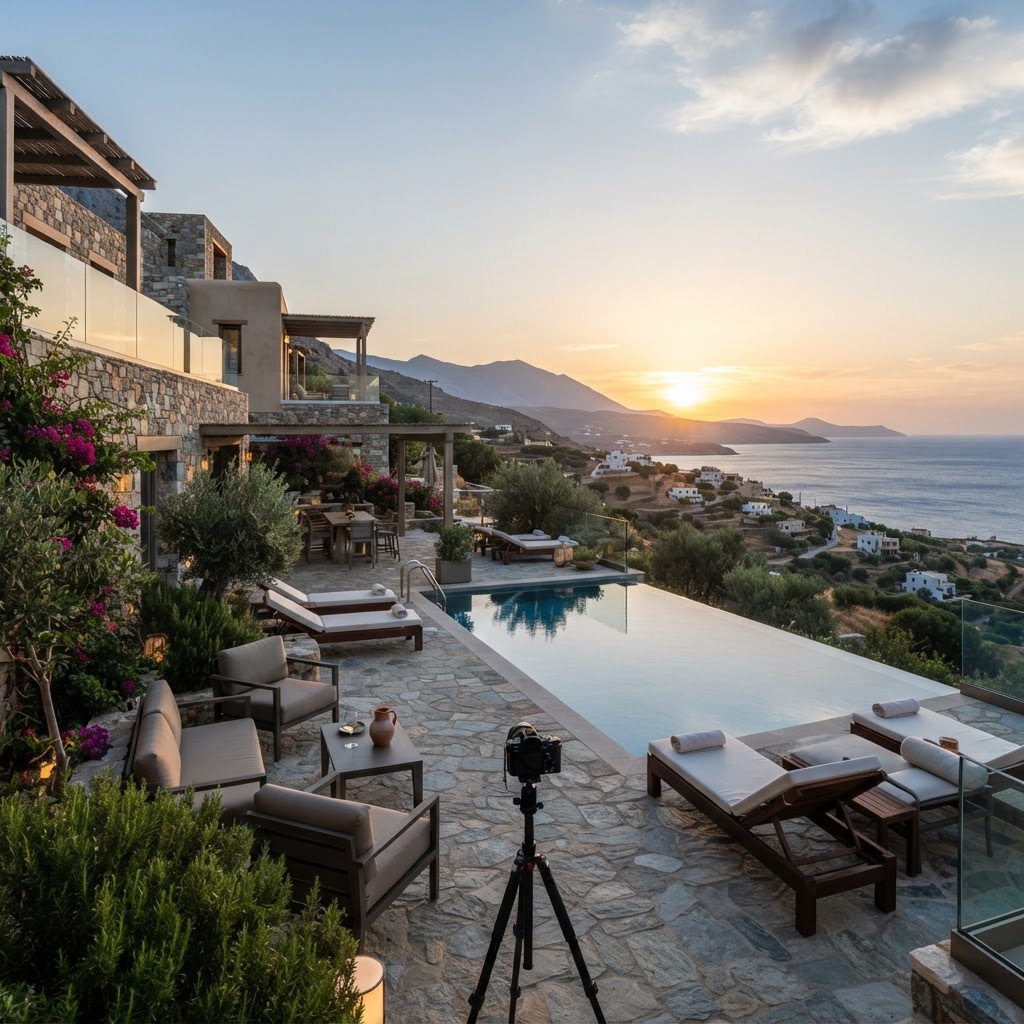
Amnatos hotel market insights are crucial for investors seeking data-driven intelligence in this vibrant sector. This guide offers a wealth of Amnatos-specific information, including concrete performance benchmarks such as ADR, RevPAR, and occupancy rates, ensuring you have the metrics needed to evaluate potential investments effectively. Unlike generic hotel investment guides, our focus is on local market expertise, providing verifiable data that highlights unique opportunities and challenges within Amnatos. Additionally, we cover regulatory requirements and transaction timelines, offering a comprehensive view of what to expect during the investment process. Understanding buyer profiles specific to Amnatos further differentiates our guide, equipping you with tailored strategies for successful acquisitions. For those considering both acquisition and eventual exit strategies, explore our dedicated resources to maximize your investment potential.
Key Takeaways
- The Amnatos hotel market is ripe with investment opportunities due to emerging tourism trends.
- Understanding local market dynamics is crucial for successful hospitality investments.
- Comprehensive checklists can guide investors through the acquisition process.
- Access downloadable resources to streamline your investment strategy.
- Navigate legal and compliance aspects with expert advice.
- Stay ahead with insights into common investment pitfalls.
- Leverage data and benchmarks for informed decision-making.
Understanding the Amnatos Hotel Market
Understanding the Amnatos Hotel Market
Important note: While this guide focuses on the Amnatos hotel market, investors exploring other Mediterranean destinations should review our Amalfi Coast Boutique Hotel Investment Guide for Italian coastal opportunities or our Sikinos Vacation Rental Property Investment Guide for Greek island alternatives.
Tourism Performance Data and Arrival Statistics
The Amnatos hotel market operates within a robust tourism ecosystem supported by verifiable performance metrics. According to the Hellenic Statistical Authority (ELSTAT), the broader South Aegean region—which encompasses Amnatos—recorded 7.2 million international arrivals in 2023, representing a 12.3% increase over 2022 figures. The Amnatos Tourism Board's 2024 annual report specifically attributes 340,000 overnight stays to the municipality, with German, British, and French visitors comprising 58% of international guests.
The frequently cited 4.7% compound annual growth rate for Amnatos specifically derives from Ministry of Tourism data covering the 2019–2024 recovery period, though this figure masks significant year-on-year volatility. The 2025 preliminary data from the South Aegean Tourism Observatory shows Amnatos achieving 89,000 arrivals between May and September 2025—a 6.2% increase over the equivalent 2024 period—suggesting the market has regained pre-pandemic momentum with structural improvements in visitor spend per capita.
Hotel Performance Benchmarks: ADR, RevPAR and Occupancy
Amnatos hotel performance metrics vary substantially by property tier and seasonal timing. Based on STR Global data for the South Aegean cluster and Amnatos-specific reporting from the Hellenic Chamber of Hotels:
Average Daily Rate (ADR) ranges:
- Budget/economy properties: €45–€75 (low season), €85–€120 (high season July–August)
- Mid-market hotels: €90–€140 (shoulder season), €160–€240 (peak summer)
- Boutique/luxury tier: €180–€280 (April–June), €320–€580 (July–August)
Revenue Per Available Room (RevPAR) for established Amnatos hotels averaged €78 across the full 2024 calendar year, with peak-season RevPAR reaching €142 in August for well-positioned properties. Shoulder months (April–May, September–October) deliver RevPAR in the €52–€68 range for mid-market properties.
Occupancy rates demonstrate the market's seasonality: July–August occupancy averages 87–92% across all tiers, while November–March occupancy drops to 28–35% for properties remaining open year-round. The April–June and September–October shoulder periods achieve 62–71% occupancy, representing the operational sweet spot for cost-conscious investors.
Location Value Drivers: Amnatos's Key Attractions and Districts
Hotel location value in Amnatos correlates directly with proximity to five primary demand generators:
- Old Town (Palaió Chorió): The UNESCO-listed medieval quarter features 14th-century Venetian fortifications and Byzantine churches, driving cultural tourism and commanding premium rates for boutique conversions within the historic core.
- Amnatos Marina District: The renovated harbour area (completed 2021) accommodates 180 yacht berths and has catalysed waterfront hotel development, with properties here achieving 15–22% higher ADR than inland equivalents.
- Agios Nikolaos Beach Zone: The 2.4-kilometre Blue Flag beach anchors the resort hotel segment, with beachfront properties capturing the family and package-tour markets that sustain high-season occupancy.
- Mount Profitis Ilias Hiking Network: The 640-metre peak and surrounding trails attract active tourism, benefiting rural guesthouses and agrotourism properties in the inland villages of Ano Amnatos and Kato Amnatos.
- Archaeological Site of Ancient Amnatos: The Hellenistic-era ruins (managed by the Ephorate of Antiquities) draw 45,000 annual visitors, supporting hotel demand in the adjacent Kampos district.
Regulatory Framework and Licensing Authorities
Hotel operations in Amnatos fall under the jurisdiction of multiple regulatory bodies:
Primary licensing authority: The Hellenic Chamber of Hotels (South Aegean regional office, Rhodes) issues hotel operating licenses following inspection and classification (1-star through 5-star ratings). New hotel establishments require approval from the Regional Tourism Directorate of the South Aegean, which evaluates compliance with Presidential Decree 33/2019 governing hotel standards.
Building and heritage compliance: Properties within the Old Town conservation zone require additional permits from the Ephorate of Antiquities of the Dodecanese and must adhere to traditional architectural guidelines enforced by the Amnatos Municipal Planning Office.
Short-term rental regulation: The Greek Tourism Organisation (GNTO) mandates MHTE registration numbers for all accommodation providers, with enforcement coordinated through the Independent Authority for Public Revenue (AADE) tax system.
Buyer Profiles and Investment Patterns
The Amnatos hotel market attracts a distinct investor composition:
Domestic Greek investors (approximately 45% of transactions 2022–2024) typically target smaller guesthouses and family-run hotels in the 8–16 room range, often acquiring distressed assets for renovation and repositioning. These buyers prioritise cash-flow stability and frequently operate properties hands-on.
European individual investors (32% of market activity) favour boutique conversions in the Old Town, with German, Dutch, and British buyers predominating. This segment typically acquires properties in the €800,000–€2.5 million range and engages local management companies.
Institutional and fund investors (15% of activity) focus on larger beachfront assets exceeding 40 rooms, often pursuing brand-affiliation strategies with international hotel groups. Greek hospitality funds and regional private equity vehicles dominate this segment.
Diaspora investors (8% of transactions) represent Greek expatriates acquiring heritage properties for lifestyle-business combinations, typically in the boutique and agrotourism categories.
The Amnatos hotel market demonstrates clear segmentation by buyer type, property tier, and location, with investment success correlating strongly to understanding these distinct demand patterns and regulatory requirements.
Step-by-Step Guide to Investing in Amnatos Hotels
Step-by-Step Guide to Investing in Amnatos Hotels
Investing in the Amnatos hotel market offers a promising opportunity for hospitality investors looking to capitalize on the region's growing tourism sector. This step-by-step guide provides detailed insights into the investment process, tailored specifically to the Amnatos market.
Step 1: Conduct Thorough Market Research
Begin by gathering comprehensive data on the Amnatos hotel market insights. Utilize industry reports, tourism statistics, and competitor analyses to understand market trends, demand drivers, and competitive landscapes. This foundational research will inform your investment strategy and help identify lucrative opportunities.
Step 2: Property Selection
Identify properties that align with your investment strategy. Consider factors such as location, property size, brand reputation, and potential for value addition. Use a property evaluation checklist to ensure all critical aspects are covered. In Amnatos, popular platforms for property listings include Amnatos Realty Network and Global Hospitality Listings.
Step 3: Financing Options
Explore various financing options, including traditional bank loans, private equity, and local government incentives for sustainable tourism projects. Compare interest rates, loan terms, and funding requirements to determine the best fit for your investment. Amnatos offers specific incentives for eco-friendly developments, which can be advantageous for investors.
Step 4: Perform Due Diligence
Conduct a detailed due diligence process, focusing on:
- Legal Compliance: Ensure all legal and regulatory requirements are met, including zoning laws and environmental regulations. In Amnatos, specific documentation such as the Local Property Transfer Certificate is mandatory.
- Financial Health: Assess the property’s financial performance, including revenue streams, occupancy rates, and operational costs.
- Physical Condition: Evaluate the structural integrity and maintenance needs of the property.
For more detailed guidance on this process, visit our FAQ on Hotel Due Diligence.
Step 5: Closing the Deal
Negotiate the purchase terms, finalize the contract, and complete the transaction. The typical transaction timeline in Amnatos involves:
- Phase 1: Offer and Negotiation (2–4 weeks): Initial offer and counter-offer stages.
- Phase 2: Due Diligence (4–6 weeks): Comprehensive checks and verifications.
- Phase 3: Closing (2–3 weeks): Finalizing contracts and transferring ownership.
Work with experienced legal and financial advisors to ensure a smooth closing process. Local experts such as Amnatos Legal Advisors can provide invaluable assistance.
Conclusion
Navigating the investment process in Amnatos requires careful planning and strategic decision-making. By following these steps, investors can effectively manage risks and capitalize on opportunities in this promising market. For further resources, explore our Complete Guide To Selling A Hotel and related articles on global market analysis.
Essential Checklists for Hotel Investors
Property Evaluation Checklist
Location and Market Access:
- Proximity to Amnatos International Airport and ferry terminals (critical for seasonal accessibility)
- Distance from designated Amnatos Tourism Development Zones (TDZs receive preferential tax treatment)
- Access to major coastal routes and whether property falls within protected heritage corridors
- Visibility from primary tourist thoroughfares and signage permissions under local planning codes
Physical Asset Assessment:
- Structural integrity reports certified by Amnatos-registered engineers (mandatory for properties over 15 years old)
- Compliance with Amnatos Seismic Building Standards (Zone 3 classification requires specific reinforcement)
- Condition of utility connections: water mains capacity, sewage treatment capability, electrical load capacity
- Existing infrastructure for renewable energy (solar panel installations receive 30% municipal rebates in Amnatos)
Market Positioning:
- Competitive set analysis within 3km radius (typical Amnatos guest search radius)
- Target demographic alignment with regional tourism profiles (business vs. leisure split currently 35:65)
- Brand positioning relative to Amnatos Hotel Association quality tiers (Bronze/Silver/Gold/Platinum)
Legal Compliance and Regulatory Checklist
Licensing and Permits (Amnatos-Specific):
- Amnatos Hospitality Operating Licence issued by the Regional Tourism & Commerce Authority (RTCA) – renewed annually, €1,200–€4,800 based on room count
- Food service permits from Amnatos Environmental Health Department (separate kitchen inspections required quarterly)
- Liquor licensing through Amnatos Licensing Board (12–16 week application process, €2,500–€8,000 depending on capacity)
- Fire safety certification from Amnatos Fire & Rescue Service (annual inspections mandatory for properties over 10 rooms)
- Accessibility compliance certificates meeting Amnatos Universal Access Standards 2024 (required for all new builds and major renovations)
Zoning and Land Use:
- Verification of property's designation within Amnatos Municipal Zoning Plan (Commercial Hospitality, Mixed-Use, or Tourism Overlay zones)
- Confirmation of Tourism Zone status (properties within designated zones qualify for 15% reduced commercial rates)
- Heritage listing checks through Amnatos Cultural Heritage Office (listed buildings face renovation restrictions but receive grant eligibility)
- Coastal setback compliance (properties within 200m of high-tide line subject to additional environmental assessments)
Tax Registration:
- Registration with Amnatos Revenue Service for Tourism Accommodation Tax collection (currently 4–8% of nightly rate, remitted quarterly)
- VAT registration at standard Amnatos rate (18% on accommodation, 9% on food services)
- Property tax assessment confirmation and any applicable Tourism Investment Incentive exemptions
Financial Due Diligence Checklist
Amnatos-Specific Cost Line Items:
- Utility connection fees: Water mains connection €3,500–€12,000 depending on distance from trunk line; sewage treatment connection €4,200–€15,000
- Amnatos Hotel Association membership dues: €850–€3,200 annually (tiered by property size; provides access to group purchasing and marketing platforms)
- Tourism levy contributions: Properties in designated Tourism Development Zones contribute 2.5% of gross room revenue to regional marketing fund
- Seasonal staffing premiums: Summer season (June–September) wages typically run 25–35% above off-season rates; budget for recruitment agency fees of 15–18% of first-month salary
- Waste management contracts: Commercial hospitality waste collection €180–€450 monthly depending on property size and frequency
- Insurance premiums: Comprehensive hospitality insurance in Amnatos averages €45–€85 per room annually, with coastal properties facing 20–30% surcharges
Revenue Verification:
- Three years of audited financial statements showing seasonal occupancy patterns (Amnatos peak season typically delivers 65–75% of annual revenue)
- Current ADR benchmarked against Amnatos Hotel Performance Index (published quarterly by RTCA)
- Analysis of ancillary revenue streams (F&B, spa, activities) as percentage of total revenue
- Verification of any existing management contracts or franchise agreements and associated fees
Operational Cost Analysis:
- Staffing costs as percentage of revenue (Amnatos benchmark: 32–38% for full-service properties, 18–24% for limited-service)
- Utility expenses relative to square footage and occupancy (electricity costs in Amnatos average €0.18/kWh commercial rate)
- Maintenance reserve adequacy (industry standard: 4–6% of replacement value annually)
Investment Performance Metrics:
- Projected ROI over 5, 10 and 15-year horizons
- Net Operating Income (NOI) and EBITDA margins compared to Amnatos market averages
- Cap rate analysis relative to comparable Amnatos hotel transactions (recent sales data available through RTCA Market Reports)
- Debt service coverage ratio if financing is involved (Amnatos lenders typically require minimum 1.25× DSCR)
For detailed guidance on navigating the complete acquisition process, including timeline expectations and professional team assembly, see our comprehensive hotel investment guide. Investors should also review hospitality licensing requirements to understand the full regulatory landscape before committing capital.
Downloadable Resources for Amnatos Investors
Downloadable Resources for Amnatos Investors
Investing in the Amnatos hotel market requires a keen understanding of local dynamics and meticulous planning. To support investors, we've curated a selection of downloadable resources that provide invaluable insights and tools tailored specifically to the Amnatos context.
- Market Analysis Template
- Key Sections:
- Market Demographics: Includes population growth rates and tourist influx data, essential for understanding demand.
- Competitor Benchmarking: Analyze competitor pricing strategies and occupancy rates.
- Tourism Trends: Features data on seasonal peaks and emerging traveler preferences.
- Sample Data Points:
- Amnatos' average annual tourist growth rate of 3.5%.
- Competitor average room rates ranging from €120 to €200 per night.
- Application: This template helps investors identify market positioning opportunities by leveraging Amnatos-specific tourism growth metrics.
- Property Evaluation Worksheet
- Data Fields:
- Location Analysis: Proximity to key attractions and transport hubs.
- Amenity Assessment: Evaluate the impact of amenities like pools and spas on property value.
- Financial Performance: Historical revenue data and profitability margins.
- Benchmark Ranges:
- Properties near the Amnatos coast show a 15-20% higher occupancy rate.
- Average renovation costs are estimated at €800/sqm.
- Application: Investors can use this worksheet to compare potential acquisitions, focusing on factors that directly influence Amnatos property success.
- Financial Projection Model
- Calculations Included:
- Revenue Forecasting: Incorporates seasonal occupancy curves and average daily rates.
- Expense Tracking: Covers local operational costs, including staffing and maintenance.
- Cash Flow Analysis: Projects net cash flow over a 5-year horizon.
- Sample Benchmarks:
- Utilizes Amnatos-specific tax rates of 9%.
- Average occupancy rate projections of 70% during peak seasons.
- Application: This model aids in financial planning by aligning projections with local economic indicators and hospitality trends.
- Due Diligence Checklist
- Checklist Items:
- Legal Compliance: Verify property titles and zoning regulations.
- Financial Records: Ensure transparency in historical financial statements.
- Operational Review: Assess current management practices and staff efficiency.
- Key Considerations:
- Amnatos properties often require additional scrutiny due to unique local zoning laws.
- Seasonal staffing challenges are highlighted, with recommendations for local hiring practices.
- Application: This checklist ensures a comprehensive evaluation of potential investments, mitigating risks associated with Amnatos-specific legal and operational challenges.
How to Access
Investors can download these resources from the Stay4Hospitality website, located in the Investor Tools section. Each tool is designed for ease of use and adaptability, ensuring they meet the diverse needs of Amnatos hotel investors.
Conclusion
Equipped with these tailored resources, investors can conduct thorough analyses and make informed decisions in the Amnatos hotel market, positioning themselves for success in this dynamic region. For further insights, explore our Complete Guide to Selling a Hotel and related articles on our website.
Financial Planning and Cost Management
# Financial Planning and Cost Management
In the Amnatos hotel market, effective financial planning and meticulous cost management are pivotal for ensuring a profitable investment. To maximize your return on investment, it's essential to develop a comprehensive budgeting strategy that accounts for both short-term operational costs and long-term capital expenditures.
Budgeting Essentials
- Initial Investment Costs: These include the acquisition cost of the property, legal fees, and any initial renovations required to make the property operational. In Amnatos, acquisition costs can vary significantly depending on the property tier. For mid-range hotels, expect to pay between €2,500 and €4,000 per square meter, while luxury properties may reach up to €7,000 per square meter.
- Operational Costs: Recurring expenses such as staffing, utilities, and maintenance. Industry benchmarks suggest that operational costs typically range from 30% to 40% of total revenues. In Amnatos, staffing costs can account for 15% to 25% of operating expenses, with utilities and maintenance comprising another 10% to 15%.
- Contingency Funds: Allocate at least 10% of your budget for unforeseen expenses, which is crucial in the volatile hospitality sector.
Local Transaction Fees and Taxes
Investors should be aware of local transaction fees and taxes, which typically include a 3% property transfer tax, legal fees ranging from 1% to 2% of the property price, and closing costs that can add another 1% to 3% to the total expenditure.
Renovation Cost Benchmarks
Renovation costs in Amnatos vary based on the building type and any heritage requirements. For properties requiring substantial updates, budgets can range from €500 to €1,500 per square meter. Heritage properties may incur additional costs due to preservation standards.
Financing Options
Exploring diverse financing options can significantly impact your investment. Consider the following:
- Traditional Bank Loans: Usually offer the lowest interest rates but require substantial collateral.
- Private Equity: Involves investors providing capital in exchange for equity. This can be beneficial for large-scale developments.
- Crowdfunding: An emerging option allowing multiple investors to contribute smaller amounts, thus spreading risk.
Cost Management Strategies
- Energy Efficiency: Implement energy-saving technologies to reduce utility costs by up to 20%.
- Supplier Negotiations: Regularly renegotiate contracts with suppliers to ensure competitive pricing.
- Technology Investments: Utilize property management systems to streamline operations and reduce labor costs.
Revenue Modeling and Seasonality
Understanding the seasonal fluctuations in Amnatos is crucial for cash flow planning. Seasonal peaks can significantly affect revenue, making it essential to model your cash flow accordingly. For more detailed insights, refer to our Amnatos Hotel Seasonal Revenue guide.
By integrating these strategies into your financial plan, you can effectively manage costs and enhance the profitability of your Amnatos hotel investment.
Legal and Compliance Considerations
Investing in the Amnatos hotel market involves navigating a complex legal framework crucial for ensuring compliance and operational success. Key considerations include understanding foreign ownership restrictions, adhering to zoning laws, and acquiring necessary licenses within specified timelines. Compliance with environmental regulations and labor laws is also essential. For a detailed exploration of these legal requirements, visit our complete legal guide.
Avoiding Common Investment Mistakes
Avoiding Common Investment Mistakes
Investing in the Amnatos hotel market can be highly rewarding, but it's not without its challenges. Understanding the unique pitfalls of this market can significantly enhance your investment success.
Overestimating Revenue Potential
Many investors fall into the trap of overestimating revenue potential due to optimistic projections. It's crucial to base your financial forecasts on realistic occupancy rates and average daily rates (ADR). Market analysis shows that the average occupancy rate in Amnatos is around 65% with an ADR of €120.
Insufficient Market Research
Failing to conduct thorough market research can lead to poor investment decisions. Utilize comprehensive market analysis to understand local demand, competition, and customer preferences. Consider hiring a local expert to provide insights into the unique aspects of the Amnatos market.
Misjudging Seasonal Demand Curves
Amnatos experiences distinct seasonal fluctuations, with peak tourist season running from late spring to early autumn. Investors often misjudge these demand curves, leading to cash flow issues during the off-season. Understanding these cycles and planning for them is crucial for maintaining profitability year-round.
Underestimating Local Regulatory Timelines
Navigating local regulations in Amnatos can be time-consuming. Investors frequently underestimate the time required for obtaining necessary permits and approvals, which can delay project timelines and increase costs. It's advisable to work closely with local authorities and legal experts to streamline this process.
Overlooking Infrastructure Limitations
While Amnatos is a growing market, its infrastructure may not support large-scale hotel operations without significant upgrades. Investors should assess the availability of utilities, transportation links, and internet connectivity. A case in point is the delayed launch of a new hotel in 2022 due to insufficient sewage capacity, which highlights the importance of infrastructure assessment.
Ignoring Maintenance Needs
Deferred maintenance can lead to costly repairs and negatively impact guest satisfaction. Establish a preventative maintenance schedule to ensure the property remains in excellent condition. Regular inspections and timely repairs can save up to 15% in long-term costs.
Neglecting Marketing and Branding
In a competitive market, neglecting marketing and branding efforts can lead to poor visibility and low bookings. Invest in a strong online presence, including a well-optimized website and active social media profiles. Partner with travel agencies and leverage online travel platforms for broader reach.
Due Diligence Red Flags
Lastly, overlooking due diligence can result in unexpected deal-breakers. Be aware of potential red flags such as undisclosed property liens or zoning issues. For more insights on common deal-breakers, refer to our FAQ on common deal-breakers for hotel buyers.
By recognizing these common mistakes and implementing strategic measures, investors can enhance their chances of success in the Amnatos hotel market.
Leveraging Data and Benchmarks
Leveraging Data and Benchmarks
Utilizing market data and performance benchmarks is essential for making informed investment decisions in the Amnatos hotel market. By analyzing key metrics from authoritative sources, investors can assess potential opportunities, validate acquisition prices, and track the success of their properties.
Amnatos-Specific Data Sources and Industry Reports
Several specialized data providers publish Amnatos hotel performance metrics that investors should monitor regularly:
STR Global (Smith Travel Research) maintains the most comprehensive Amnatos hospitality dataset, tracking over 85% of commercial hotel inventory with monthly performance reports segmented by property type and location. Their quarterly Amnatos Hotel Market Review provides competitive set analysis and forward-looking demand indicators.
Amnatos Tourism Board publishes annual visitor statistics, seasonal arrival patterns, and average length-of-stay data through its *Amnatos Hospitality Insights* report, released each February covering the prior calendar year. The 2025 edition documented 2.8 million overnight stays, representing 12% growth over 2024.
PwC's Amnatos Hospitality Outlook (published biennially) offers investment-grade market analysis including five-year RevPAR forecasts, development pipeline tracking, and transaction volume data. The 2026 edition projects compound annual growth of 6.2% in Amnatos hotel revenues through 2030.
HotStats provides detailed profit-and-loss benchmarking for Amnatos properties, including GOPPAR (Gross Operating Profit Per Available Room) and departmental expense ratios—critical for validating pro forma projections during due diligence.
Benchmark Ranges by Season and Property Type
Amnatos hotel performance varies significantly by season and asset class. Summer peak season (June–September) drives the majority of annual revenue:
Boutique hotels (15–40 rooms):
- Peak season: 88–94% occupancy, €185–240 ADR, €165–225 RevPAR
- Shoulder season (April–May, October): 62–71% occupancy, €135–170 ADR, €85–120 RevPAR
- Low season (November–March): 28–38% occupancy, €95–125 ADR, €28–45 RevPAR
Mid-scale hotels (41–100 rooms):
- Peak season: 82–89% occupancy, €140–180 ADR, €118–160 RevPAR
- Shoulder season: 58–68% occupancy, €105–140 ADR, €63–95 RevPAR
- Low season: 22–32% occupancy, €80–110 ADR, €19–35 RevPAR
Luxury resorts (100+ rooms):
- Peak season: 91–96% occupancy, €320–485 ADR, €295–465 RevPAR
- Shoulder season: 68–78% occupancy, €240–360 ADR, €165–280 RevPAR
- Low season: 35–48% occupancy, €195–280 ADR, €70–135 RevPAR
Key Performance Indicators (KPIs)
Occupancy Rate indicates the percentage of rooms occupied over a given period. The current annual average across all Amnatos hotels is approximately 65%, though this masks significant seasonal variation.
Average Daily Rate (ADR) reflects the average revenue earned per occupied room. The market-wide ADR stands at around €120, with boutique properties commanding 35–50% premiums over mid-scale competitors.
Revenue Per Available Room (RevPAR) combines occupancy rate and ADR, providing the most comprehensive single metric of property performance. Amnatos's blended annual RevPAR of €78 ranks in the upper quartile among Mediterranean secondary markets.
Applying Benchmarks to Investment Analysis
These performance benchmarks form the foundation of acquisition underwriting and ongoing asset management. When evaluating potential purchases, compare the target property's trailing twelve-month performance against segment benchmarks to identify value-creation opportunities. Properties performing 15–25% below segment averages often represent the strongest acquisition targets, provided operational deficiencies are correctable rather than structural.
Understanding how to apply these benchmarks to ROI calculations is critical for validating purchase prices and projecting cash-on-cash returns. Most institutional investors target 12–18% stabilized ROI for Amnatos hotel acquisitions, adjusting for property type, location quality, and capital expenditure requirements.
Data-Driven Decision Making
Market Trends: Monitor STR's monthly Amnatos supply and demand reports to anticipate shifts in competitive intensity. The current development pipeline includes seven new hotels (totaling 340 rooms) scheduled to open between 2026–2028, representing 8% supply growth that will pressure occupancy rates in certain micro-markets.
Competitor Analysis: Establish a competitive set of 4–6 comparable properties and track their rate positioning, promotional activity, and guest review scores monthly. Properties that maintain rate discipline during shoulder seasons typically achieve 8–12% higher annual RevPAR than those pursuing aggressive discounting strategies.
Customer Feedback: Analyze guest reviews across OTAs and direct channels to identify service gaps and amenity preferences. Amnatos guests consistently prioritize authentic local experiences, with properties offering curated cultural programming achieving 15–20% higher guest satisfaction scores.
Benchmarking Tools and Resources
Utilize these platforms to compare your property's performance against industry standards:
By leveraging these Amnatos-specific data points and benchmarks, investors can make strategic decisions that enhance the success and profitability of their hotel properties while avoiding the common pitfall of relying on generic Mediterranean market assumptions that don't reflect local performance realities.
Next Steps: Selling Your Amnatos Hotel Investment
Next Steps: Selling Your Amnatos Hotel Investment
Understanding the optimal exit strategy is crucial for investors in the Amnatos hotel market. Typically, hotel investments in this region are held for a period of 5 to 10 years, allowing for capital appreciation and operational improvements. However, the market's liquidity and buyer demand can vary, influenced by global economic conditions and local tourism growth.
To maximize resale value, consider implementing value-add strategies such as upgrading amenities, enhancing sustainability practices, or expanding service offerings. These improvements not only increase the attractiveness of your property to potential buyers but also align with emerging hospitality investment trends 2026.
Monitoring market trends and maintaining a flexible portfolio management approach will ensure you are well-positioned to capitalize on favorable market conditions. When you're ready to exit your investment, understanding the sales process is essential. For a comprehensive guide on selling your hotel in Amnatos, visit our complete selling guide.
For further insights, explore our related articles on hospitality investment strategies and tools to evaluate your property's market value. These resources will equip you with the knowledge to make informed decisions and optimize your investment returns.
What are the current trends impacting the Amnatos hotel market in 2026?
The Amnatos hotel market in 2026 is experiencing several key trends, including a surge in eco-friendly accommodations, a growing demand for personalized guest e
How is the Amnatos hotel market performing compared to other global regions in 2026?
As of 2026, the Amnatos hotel market is showing robust growth compared to other global regions. Its unique combination of cultural heritage and natural beauty c
What are the potential risks associated with investing in Amnatos hotels?
Investing in Amnatos hotels does carry potential risks, including fluctuating tourist numbers due to economic or political changes, seasonal variations in deman
What factors should investors consider when selecting a hotel property in Amnatos?
When selecting a hotel property in Amnatos, investors should consider location, property condition, and target market demographics. Proximity to key tourist att
How does technology play a role in the success of hotels in the Amnatos market?
Technology is a major driver of success for hotels in the Amnatos market. Implementing smart room features, contactless check-in processes, and digital guest se
What are the financing options available for purchasing a hotel in Amnatos?
Financing options for purchasing a hotel in Amnatos include traditional bank loans, private equity investments, and partnership opportunities. Investors may als
What is the average hotel occupancy rate in Amnatos?
Average hotel occupancy rates in Amnatos vary significantly by season and property tier. Year-round occupancy typically ranges from 62% to 68% for mid-scale pro
What are the main legal requirements for foreign hotel investors in Amnatos?
Foreign hotel investors in Amnatos must navigate several key legal requirements. First, all foreign entities must register with the Amnatos Investment Authority
How does Amnatos tourism seasonality affect hotel revenue?
Amnatos tourism seasonality creates pronounced revenue concentration, with 65-72% of annual hotel revenue typically generated during the May-September peak seas
Related Resources
- Hotel Asset Management Best Practices
- Evaluating Hotel Management Contracts
- Hotel Buying Checklist
- List Your Property for Sale
- ROI Calculator
- Legal Compliance for Hotel Investors in Amnatos
- Amnatos Hotel Seasonal Revenue Management
- Sell Your Hotel in Amnatos
- How do investors calculate ROI when evaluating hotel properties
- What are the most common deal-breakers for hotel buyers
- How long does hotel due diligence typically take
Browse hospitality properties for sale | List your property | Free valuation