How to Buy a Hotel in Japan
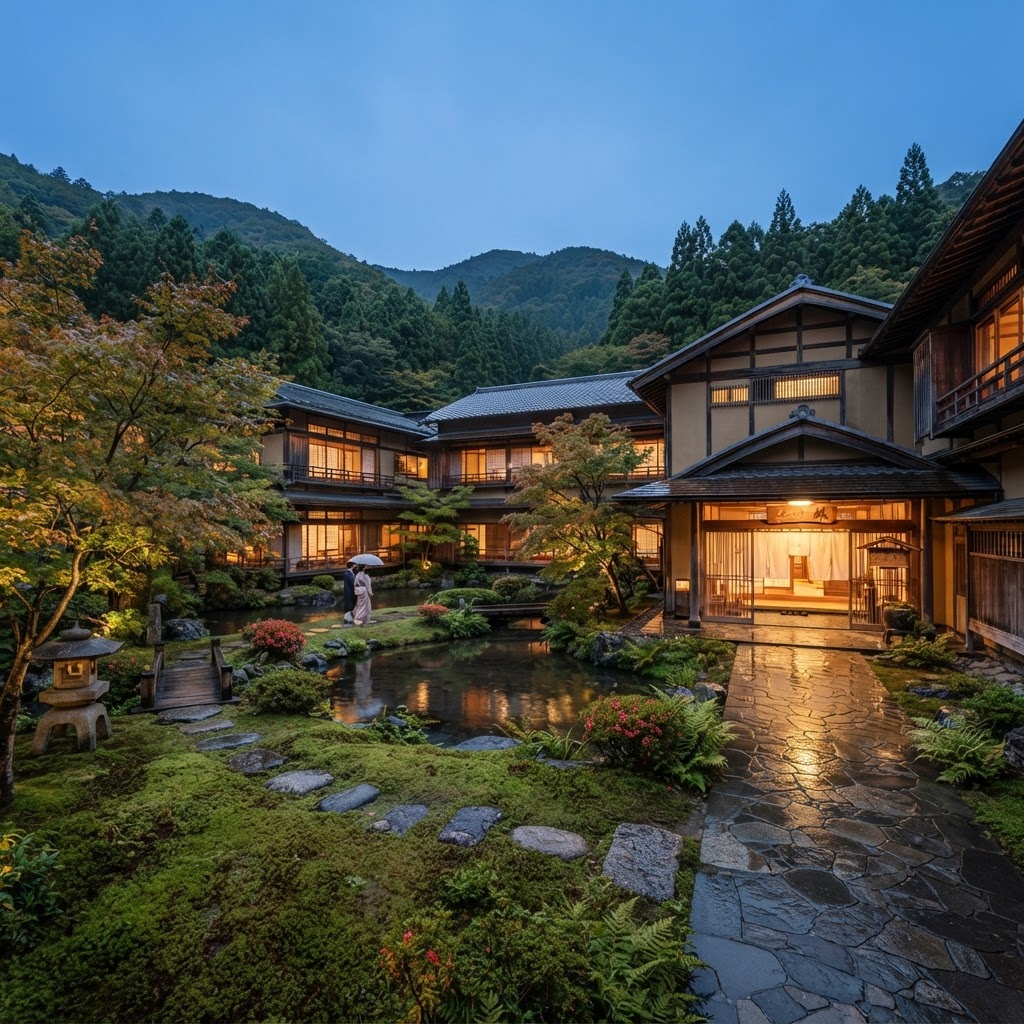
Navigating the complex terrain of international hospitality investment, particularly how to buy a hotel in Japan, requires a blend of strategic insight and local knowledge. As one of the leading global economies with a thriving tourism sector, Japan offers lucrative opportunities for hotel investors. This comprehensive guide by Stay4Hospitality walks you through the essential steps, costs, legal requirements, and expert strategies for purchasing a hotel in Japan, ensuring you're well-prepared to make informed decisions.
Key Takeaways
- Understand Japan’s growing tourism market to identify lucrative hotel investment opportunities.
- Learn the step-by-step process to buy a hotel in Japan, including due diligence and financing.
- Navigate Japan's legal requirements and property regulations effectively.
- Avoid common pitfalls with expert advice on hotel investment in Japan.
- Explore financial benchmarks and valuation tools to assess potential investments.
- Discover strategic tips from industry experts to maximize your hotel investment in Japan.
- Access related resources and commercial pages for further guidance on hotel purchases.
Why Invest in Hotels in Japan?
Japan's tourism industry is thriving, making it a prime location for hotel investments. In 2026, Japan continues to benefit from its rich cultural heritage, modern attractions, and a reputation for safety, drawing millions of international visitors annually. The increase in tourism can be attributed to several factors, including global events like the 2026 World Expo in Osaka and a growing interest in sustainable travel experiences.
Economic stability further enhances Japan's appeal to investors. As the world's third-largest economy, Japan offers a robust infrastructure and a stable political environment. The country's economic resilience is evidenced by its swift recovery from global downturns and its consistent GDP growth, which stood at an estimated 1.5% in early 2026.
Moreover, Japan's government actively promotes tourism and foreign investments. Initiatives such as the "Inbound Tourism Promotion Program" aim to increase visitor numbers to 60 million by 2030, providing a fertile ground for hospitality ventures. The high demand for diverse accommodation options, from luxury hotels to budget-friendly hostels, presents lucrative opportunities for investors looking to capitalize on this growing market.
Step-by-Step Guide to Buying a Hotel in Japan
Step-by-Step Guide to Buying a Hotel in Japan
Purchasing a hotel in Japan involves several stages, each requiring careful planning and execution. Here's a comprehensive guide to help you navigate the process effectively.
- Initial Research
- Begin by identifying your investment goals. Determine the type of hotel you wish to purchase—whether luxury, boutique, or budget—and its location. Popular areas include Tokyo, Osaka, and Kyoto, each offering unique advantages. For a more detailed look at Tokyo-specific opportunities, visit our Guide to Buying Hotels in Tokyo.
- Market Analysis
- Conduct a thorough analysis of the local hotel market. Utilize resources from Stay4Hospitality to assess property values, occupancy rates, and competition. This step is crucial to understanding the nuances of the Japanese hotel market and identifying lucrative opportunities.
- Engage a Local Realtor
- Partner with a realtor experienced in Japanese hospitality properties. They can provide insights into local market conditions and help identify potential listings that meet your criteria. A local expert will also be invaluable in navigating cultural nuances and business practices.
- Financial Evaluation
- Secure financing by consulting with banks familiar with foreign investments in Japan. Consider your budget carefully, examining costs such as the down payment and interest rates. For more information on financing options, explore our Japanese Hotel Financing Options.
- Due Diligence
- Perform thorough due diligence, including property inspections and financial audits. Verify the hotel's compliance with local regulations and its operational history. This step is essential to mitigate risks and ensure the investment is sound.
- Legal Agreements
- Work with a legal expert to draft and review purchase agreements. Ensure all terms are clear and protect your interests. Understanding Japanese legal frameworks is crucial, and having a local attorney can facilitate this process.
- Cultural Considerations
- Familiarize yourself with Japanese business practices and cultural considerations. This understanding will not only aid in negotiations but also in future operations. Learn more about these aspects in our guide on Cultural Considerations in Japanese Hotel Management.
- Closing the Deal
- Once all conditions are met, finalize the purchase by signing the agreement and transferring ownership. Be prepared for additional closing costs, which can include legal and administrative fees.
Following these steps meticulously ensures a smooth transaction and sets the foundation for a successful investment. For more resources and expert advice, visit our Valuation Tools and other related FAQs on our platform.
Understanding the Costs of Buying a Hotel in Japan
When purchasing a hotel in Japan, it's crucial to understand the financial commitments involved. Here's a breakdown of the key costs:
- Purchase Price: The cost of hotels varies widely based on location, size, and amenities. A small boutique hotel in Kyoto might start at ¥200 million, while a luxury property in Tokyo could exceed ¥2 billion.
- Taxes and Fees: Buyers are subject to a real estate acquisition tax, typically 3-4% of the property's assessed value. Additionally, registration and license taxes apply, often amounting to 0.5-2%.
- Renovation and Maintenance: Depending on the hotel's condition, renovation costs can range from ¥10 million to over ¥100 million. Regular maintenance and upgrades are essential to remain competitive.
- Operational Costs: Factor in staff salaries, utility bills, and marketing expenses. Operating costs can vary, but a general estimate for a mid-sized hotel might be around ¥50 million annually.
Here's a simple table summarizing these costs:
A clear understanding of these expenses will help you plan your investment effectively and anticipate future financial needs.
Navigating Legal Requirements for Foreign Investors
What Are the Legal Requirements for Foreign Investors Buying Hotels in Japan?
Foreign investors interested in acquiring hotels in Japan must navigate several legal requirements. Understanding these regulations is crucial for a smooth acquisition process.
Can Foreigners Own Hotels in Japan?
- Property Ownership: Japan permits 100% foreign ownership of real estate, allowing you to purchase hotel properties without needing a local partner. This policy makes Japan particularly attractive to international investors seeking to tap into its thriving hospitality market.
Do I Need a Visa to Buy a Hotel in Japan?
- Visa Requirements: While a visa is not required to purchase property, obtaining a Business Manager Visa could be beneficial if you plan to manage the hotel personally. This visa facilitates long-term stays and business operations, providing greater flexibility in managing your investment.
How Can I Ensure Legal Compliance?
- Legal Compliance: Engaging a local attorney is essential to ensure compliance with Japan’s real estate and hospitality laws. This includes understanding zoning laws, building codes, and health and safety regulations, which vary across regions.
What Taxes Should I Be Aware Of?
- Taxation: Familiarize yourself with Japan’s taxation system, which includes the Real Estate Acquisition Tax, Fixed Asset Tax, and Local Consumption Tax. Consulting a tax advisor experienced in Japanese laws can help optimize your tax position, potentially saving you significant costs.
How Can I Secure Financing for My Hotel Purchase?
- Financing: While some Japanese banks offer loans to foreigners, terms can vary significantly. It's advisable to secure financing through banks with experience in foreign investments. For detailed information on financing options, visit our Japanese Hotel Financing Options page.
Expert Guidance for Foreign Investors
By understanding and complying with these legal requirements, investors can minimize risks and ensure a successful entry into Japan's hotel market. For further insights, consider engaging with local experts and utilizing Stay4Hospitality's resources on international property investment.
Related Questions
- What are the steps to buying a hotel in Tokyo? For a city-specific guide, check our Guide to Buying Hotels in Tokyo.
- How does the Japanese hotel market compare to other Asian markets?
Further Resources
For more comprehensive guidance, visit our Valuation Tools to assess potential hotel investments in Japan and explore other Commercial Landing Pages for additional investment opportunities.
Common Mistakes to Avoid When Buying a Hotel in Japan
Common Mistakes to Avoid When Buying a Hotel in Japan
Investing in a hotel in Japan can be a lucrative opportunity, but it requires careful planning and due diligence. Here are some common mistakes to avoid:
- Ignoring Cultural Nuances: Japan has a unique culture that significantly impacts hospitality. Failing to adapt to local customs and guest expectations can lead to poor reviews and lower occupancy rates. For example, a 2024 buyer in Osaka lost 30% occupancy within six months by removing traditional onsen facilities that guests expected.
- Underestimating Regulatory Requirements: The Japanese hospitality industry is heavily regulated. Investors often overlook essential permits and licenses, leading to costly delays. Ensure compliance with zoning laws, fire safety standards, and health regulations. One investor in Kyoto faced 18-month delays by not securing pre-approval from Japanese lenders.
- Overlooking Market Research: A thorough market analysis is crucial. Evaluate tourism trends, local demand, and competition. A hotel in a popular region like Tokyo or Kyoto may seem appealing, but understanding the local market dynamics is essential. A 2023 purchase near Yokohama struggled due to poor transit connections that weren't apparent in initial research.
- Neglecting Financial Planning: Miscalculating costs or overestimating revenue can derail your investment. Develop a detailed financial plan, considering seasonal fluctuations and maintenance costs. One investor underestimated winter heating costs, impacting their first-year profits significantly.
- Inadequate Due Diligence: Investigate the property’s history, existing contracts, and condition. Hidden liabilities or renovation needs can turn a promising deal into a financial burden. An investor who skipped a detailed inspection ended up facing unexpected structural repairs costing over ¥10 million.
By avoiding these pitfalls, you can ensure a smoother investment process and set your hotel up for success. For more detailed guidance on navigating the complexities of hotel investment in Japan, visit our Guide to Buying Hotels in Tokyo for city-specific insights.
For further assistance, explore our valuation tools and other resources to make informed decisions in the Japanese hotel market.
Expert Strategies for Successful Hotel Investment in Japan
Expert Strategies for Successful Hotel Investment in Japan
Achieving success in the Japanese hotel market involves strategic planning and execution. Here are some expert strategies to guide you:
- Prioritize Strategic Locations: Selecting the right location is crucial. While urban centers like Tokyo and Osaka offer high occupancy rates due to their bustling business and tourism activities, rural areas provide opportunities for unique, boutique experiences that cater to niche markets. Consider regional attractions and accessibility when choosing your site.
- Adapt to Seasonal Trends: Japan's tourism is highly seasonal, with peaks during cherry blossom season, Golden Week, and major festivals. Tailor your marketing and pricing strategies to these fluctuations to optimize occupancy and revenue. For more insights, explore our Cultural Considerations in Japanese Hotel Management page.
- Embrace Technological Advancements: Utilize modern technology to streamline operations and enhance guest experiences. Implement contactless check-ins, smart room features, and robust online booking systems to improve efficiency and customer satisfaction. Technology can also aid in personalizing guest experiences, a valued aspect in Japanese hospitality.
- Foster Local Partnerships: Building alliances with local travel agencies, businesses, and tourism boards can significantly boost your hotel's visibility and attract more guests. Collaborations can also provide insights into local market trends and consumer behaviors.
- Implement Sustainability Initiatives: Japanese consumers increasingly value sustainability. Incorporate eco-friendly practices such as waste reduction, energy-efficient systems, and sustainable sourcing to attract environmentally conscious travelers. Consider certifications like LEED to enhance your property's appeal.
- Understand Legal and Compliance Requirements: Navigating Japan's legal framework is essential for a smooth acquisition process. Ensure compliance with local real estate laws and regulations, which may vary significantly from other countries. For detailed guidance, refer to our Guide to Buying Hotels in Tokyo.
- Leverage Cultural Insights: Understanding and respecting Japanese culture can enhance guest experience and operational success. This includes attention to detail, exceptional service standards, and incorporating elements of Japanese aesthetics and hospitality.
By employing these strategies, investors can optimize their operations and maximize profitability in Japan’s competitive hospitality market. For further assistance, explore our Valuation Tools and commercial landing pages for tailored investment opportunities.
Financial Benchmarks and Valuation Tools
Financial Benchmarks and Valuation Tools
Evaluating the financial viability of hotel investments in Japan involves understanding key benchmarks and utilizing valuation tools effectively.
Key Financial Benchmarks
- Average Daily Rate (ADR): The average rate paid per occupied room. In Japan, ADR can range from JPY 10,000 to JPY 30,000 depending on the location and class of the hotel.
- Occupancy Rate: Percentage of occupied rooms. A healthy occupancy rate in Japan’s major cities is around 75-85%.
- Revenue Per Available Room (RevPAR): Combines ADR and occupancy rates to assess overall revenue performance. High RevPAR indicates strong profitability.
When comparing Tokyo and Kyoto to regional competitors, Tokyo's ADR is generally 15-20% higher than Seoul's, while Singapore typically exceeds Tokyo by 20-30%. Properties achieving RevPAR above ¥18,000 in urban centers like Tokyo and Kyoto typically indicate strong market positioning and premium service delivery, making them attractive investment opportunities.
Valuation Tools
- Discounted Cash Flow (DCF) Analysis: Projects future cash flows and discounts them to present value, providing a clear picture of potential returns.
- Comparative Market Analysis (CMA): Compare similar properties to assess market value. Useful for understanding local pricing trends.
Example Table
Utilizing these benchmarks and tools helps investors make informed decisions and assess the true value of potential investments. Use our property valuation tool to assess specific opportunities and calculate potential returns with our ROI calculator.
Next Steps: Resources and Contacts for Buying a Hotel in Japan
Once you've decided to invest in a hotel in Japan, several steps and resources can assist you in the process:
- Engage a Local Real Estate Agent: Working with a local expert can provide valuable insights into regional markets and help navigate the complexities of Japanese real estate.
- Consult with Legal Advisors: Ensure compliance with local laws and regulations by consulting legal professionals who specialize in Japanese hospitality law.
- Financial Institutions and Lenders: Secure financing through banks familiar with the hospitality sector in Japan. Bank of Tokyo-Mitsubishi UFJ and Sumitomo Mitsui Banking Corporation are leading options.
- Visit Stay4Hospitality’s Commercial Pages: Explore available listings on Stay4Hospitality to find potential hotel properties. Our platform connects you with a wide range of opportunities and resources.
- Industry Associations: Join associations such as the Japan Hotel Association to network and access industry-specific resources.
By leveraging these resources and contacts, you can streamline the process of buying a hotel in Japan and position your investment for success.
What are the financing options for buying a hotel in Japan?
When buying a hotel in Japan, financing options include traditional bank loans from Japanese banks, international financing through global banks, and private eq
Can foreigners own hotels in Japan outright?
Yes, foreigners can own hotels in Japan outright. The country does not impose restrictions on foreign property ownership, making it an attractive destination fo
How long does it typically take to buy a hotel in Japan?
The timeline to buy a hotel in Japan can vary, typically ranging from 3 to 12 months. Factors influencing this include the complexity of the deal, due diligence
What are the key factors to consider when selecting a hotel location in Japan?
Key factors to consider include proximity to tourist attractions, accessibility to transportation hubs, and economic activity in the area. Additionally, underst
Are there any cultural considerations when buying a hotel in Japan?
Understanding Japanese business culture is vital when buying a hotel. This includes respecting hierarchical structures, valuing consensus decision-making, and b
What are the tax implications for foreign investors buying a hotel in Japan?
Foreign investors are subject to various taxes when buying a hotel in Japan, including property acquisition tax, fixed asset tax, and income tax on property rev
How can I ensure my hotel investment in Japan is sustainable?
To ensure sustainability, consider implementing eco-friendly practices such as energy-efficient systems, waste reduction measures, and sustainable sourcing. Ali
Related Resources
- Guide to Buying Hotels in Tokyo
- Tokyo Hotel Market Seasonal Trends
- Tokyo Hotel Renovation Costs and ROI
- Sell Your Hotel in Tokyo
- Contact Us
- cultural considerations in Japanese hotel management
- Japanese hotel financing options
- sell your hotel in Japan
- What financing options are available for purchasing hospitality properties
- What are the typical ROI expectations for hotel investments in 2026
- How do investors calculate ROI when evaluating hotel properties
- What Do Hotel Buyers Look For Before Making an Offer?
- property valuation tool
- ROI calculator
- AI business plan generator
- browse hotels for sale
Browse hospitality properties for sale | List your property | Free valuation