How to Buy a Hotel in Berlin
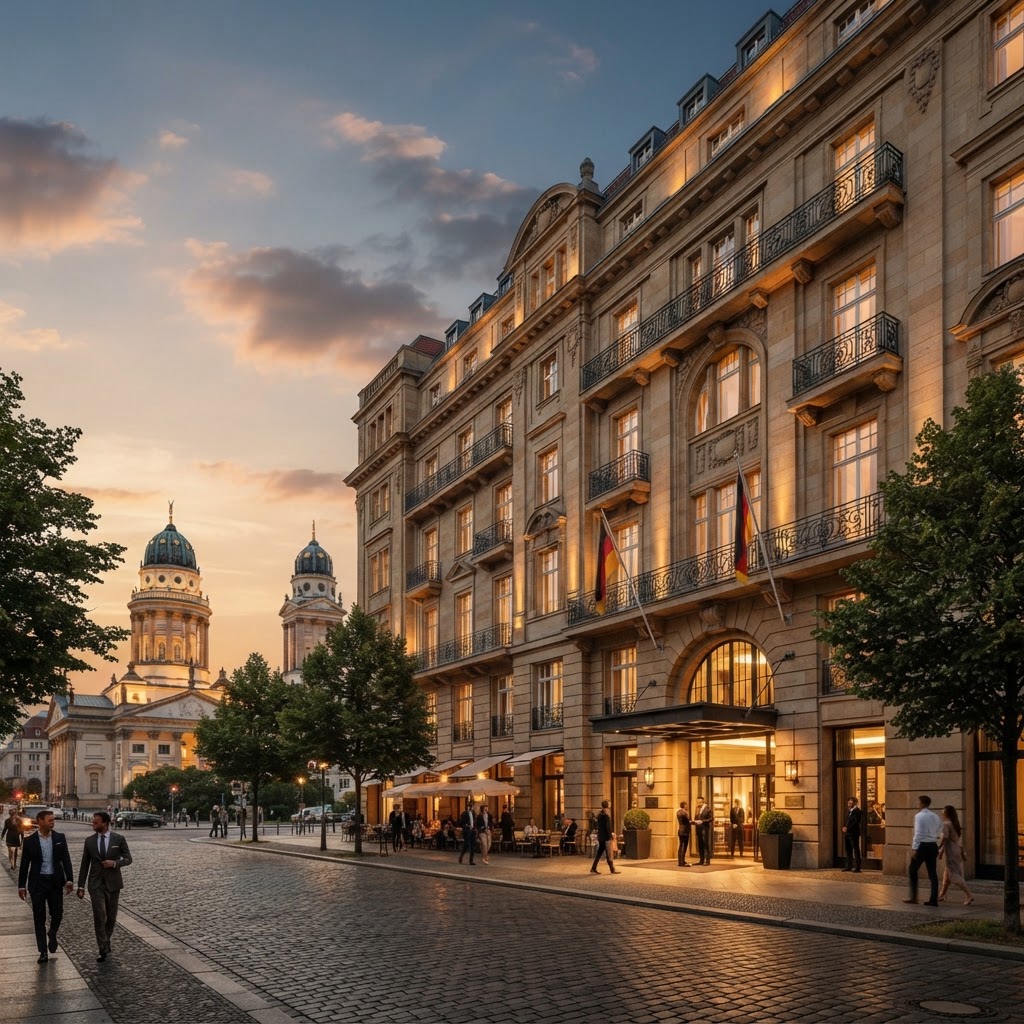
Understanding how to buy a hotel in Berlin is crucial for investors looking to capitalize on one of Europe's most dynamic hospitality markets. This comprehensive guide by Stay4Hospitality covers every aspect of the hotel purchasing process, from initial research to the final transaction. As an authoritative resource, this page equips you with the expert advice and strategic insights needed to navigate Berlin's hotel investment landscape successfully.
Key Takeaways
- Berlin's hotel market is vibrant, offering diverse opportunities for investors.
- Thorough market research is crucial to identify the right investment opportunities.
- Understanding legal and compliance requirements is essential to avoid pitfalls.
- Developing a strategic financing plan can optimize your investment outcomes.
- Expert advice can help navigate complex negotiation and acquisition processes.
Understanding Berlin's Hotel Market
Berlin, a city known for its rich history and vibrant culture, is also a thriving hub for hospitality investments. As of 2026, the Berlin hotel market has demonstrated robust growth, driven by a steady increase in both leisure and business travelers. The city's unique blend of historical landmarks and modern attractions continues to draw visitors from around the globe, making it an attractive destination for investors in the hospitality sector.
Key Districts and Investment Zones
Understanding Berlin's distinct neighborhoods is essential for making informed hotel investment decisions. Each district offers unique opportunities and commands different valuations based on location, infrastructure, and visitor demographics.
Mitte stands as Berlin's premier luxury and business travel hub. Properties within this central district benefit from proximity to iconic landmarks including the Brandenburg Gate, Museum Island, and the Reichstag. Hotels located within 1km of Alexanderplatz or Potsdamer Platz command premium valuations, often 30-40% higher than comparable properties in outer districts. International investors particularly favor branded properties in Mitte, where average daily rates consistently outperform the city average. The district's excellent transport connections and concentration of corporate headquarters make it ideal for business-focused hotels.
Charlottenburg represents Berlin's established hotel zone, centered around the prestigious Kurfürstendamm shopping boulevard. This western district attracts a strong leisure market, with visitors drawn to the Kaiser Wilhelm Memorial Church, Charlottenburg Palace, and high-end retail. Properties here typically offer more competitive entry prices than Mitte while maintaining solid occupancy rates. Domestic buyers often prefer mid-scale assets in Charlottenburg due to the area's proven track record and stable demand patterns.
Friedrichshain has emerged as a creative district offering exciting opportunities for boutique hotel development. This former East Berlin neighborhood attracts younger demographics and creative travelers seeking authentic experiences. The area's vibrant nightlife, street art scene, and proximity to the East Side Gallery create strong appeal for lifestyle-focused properties. Investors are increasingly exploring adaptive reuse projects in Friedrichshain, converting former industrial buildings and GDR-era structures into characterful boutique hotels at more accessible price points than central districts.
Current Trends
The hotel industry in Berlin is characterized by a diverse range of properties, from luxury hotels to boutique guesthouses. Recent trends indicate a growing demand for sustainable and eco-friendly accommodations. Investors are increasingly focusing on properties that integrate green technologies and sustainable practices, catering to the environmentally conscious traveler.
Another significant trend is the rise of tech-driven hotels that offer seamless digital experiences. These include mobile check-ins, smart room controls, and personalized guest services powered by AI. Such innovations not only enhance guest satisfaction but also improve operational efficiencies, making them an appealing choice for modern travelers.
Buyer Interest Patterns
The Berlin hotel market attracts diverse investor profiles with distinct preferences. International investors, particularly from the Middle East and Asia, predominantly target branded properties in Mitte and other central locations, seeking trophy assets with established management contracts. These buyers typically focus on properties exceeding 150 rooms with strong corporate demand.
Domestic German buyers show preference for mid-scale assets in outer districts such as Charlottenburg, Schöneberg, and Tempelhof. These investors often seek properties in the 50-100 room range with stable cash flows and opportunities for incremental improvements. Family offices and regional hotel groups dominate this segment.
Growing interest in adaptive reuse projects across former East Berlin neighborhoods reflects a shift toward experiential hospitality. Developers are converting everything from brewery buildings to apartment blocks into boutique hotels, capitalizing on Berlin's creative reputation while accessing properties at lower per-square-meter costs than new-build developments.
Future Growth Potential
Looking ahead, Berlin's hotel market is poised for continued growth. According to Visit Berlin, the city's official tourism board, visitor numbers have consistently increased year-on-year, with overnight stays reaching record levels. The city's commitment to expanding its infrastructure, including enhancements to Berlin Brandenburg Airport, will likely increase accessibility and attract more international visitors. Additionally, Berlin's burgeoning status as a tech and startup hub promises to boost demand for business accommodations.
Investors should also consider the potential impact of major upcoming events, such as international trade fairs and cultural festivals, which are expected to drive short-term spikes in hotel occupancy. Overall, Berlin's dynamic hospitality market offers a wealth of opportunities for savvy investors aiming to capitalize on the city's ongoing development and cultural appeal.
Step-by-Step Guide to Buying a Hotel in Berlin
# Step-by-Step Guide to Buying a Hotel in Berlin
Purchasing a hotel in Berlin involves a series of strategic steps that require careful planning and expert guidance. Here's a comprehensive guide to help you navigate the acquisition process effectively.
1. Define Your Investment Goals
Start by clearly outlining your investment objectives. Are you seeking a high-end luxury hotel or a budget-friendly boutique property? Consider factors like location, size, and target market to align your purchase with your long-term goals.
2. Conduct Market Research
Thoroughly research the Berlin hotel market to identify potential opportunities. Analyze market trends, competitor performance, and occupancy rates to gain insights into the area's profitability. With the Berlin hotel market projected to grow significantly by 2026, understanding these dynamics is crucial.
3. Assemble a Professional Team
Engage a team of experts, including a commercial real estate agent, financial advisor, and legal consultant, who specialize in the Berlin hospitality market. Their expertise will be invaluable in navigating the complexities of the acquisition.
4. Evaluate Potential Properties
Once you've identified potential properties, conduct detailed evaluations. Assess key metrics such as average daily rate (ADR), occupancy rate, and revenue per available room (RevPAR) to determine the property's financial health. Consider the property's location within Berlin, as districts like Mitte and Kreuzberg have distinct market characteristics.
5. Secure Financing
Work with financial institutions to explore financing options. Consider traditional loans, private equity, or joint ventures, ensuring you have a robust financing plan that covers both the purchase and operational costs. Berlin hospitality investment opportunities often attract diverse funding options due to the city's dynamic market.
6. Conduct Due Diligence
Perform a comprehensive due diligence process, including property inspections, financial audits, and regulatory compliance checks. This step is crucial to identify any potential risks or liabilities.
Berlin Hotel Buyer's Due Diligence Checklist
- Verify Denkmalschutz historic preservation status
- Confirm compliance with Berlin building code BauO Bln
- Review existing Gewerbeanmeldung business registration
- Check district-specific short-term rental restrictions
- Validate fire safety certificates per Berlin regulations
- Investigate local tax obligations, including Grunderwerbsteuer (real estate transfer tax)
- Assess the property's energy efficiency rating
- Ensure compliance with Berlin's environmental regulations
- Verify zoning laws and land use plans
- Download our comprehensive Berlin hotel due diligence checklist to ensure you cover all local regulatory and market-specific considerations.
7. Negotiate and Close the Deal
Engage in negotiations with the seller to agree on a fair price. Once terms are finalized, proceed with the closing process, ensuring all legal and financial documents are in order.
This structured approach will help you make informed decisions and secure a successful investment in Berlin's thriving hotel market. For more insights, visit our complete guide to selling a hotel and explore our hospitality investment resources.
Financial Planning and Investment Strategies
Investing in a hotel in Berlin requires meticulous financial planning and strategic foresight. A well-crafted financial strategy can significantly enhance your investment's success and profitability.
Budgeting for Purchase and Operations
Start by creating a comprehensive budget that covers both the initial purchase and ongoing operational costs. Account for expenses such as property taxes, utility costs, staff salaries, and maintenance. A typical budget breakdown might look like this:
Securing Financing
Explore various financing options to fund your hotel acquisition. Traditional bank loans are a common choice; however, consider alternative routes like crowdfunding or syndicated loans. Ensure your financing package aligns with your cash flow requirements and investment goals.
Evaluating Investment Returns
Assess potential returns on your investment by analyzing key performance indicators (KPIs) such as RevPAR, gross operating profit per available room (GOPPAR), and net operating income (NOI). These metrics provide insights into the property's profitability and help gauge long-term financial viability.
Before committing capital, use our ROI calculator to model Berlin-specific scenarios including occupancy rates, ADR trends, and operating cost ratios typical of the city. Our property valuation tool can help benchmark asking prices against comparable transactions in districts like Mitte or Charlottenburg.
Risk Management Strategies
Mitigate investment risks by diversifying your portfolio and employing hedging techniques. Stay informed about market trends and economic shifts that could impact your investment. Additionally, consider purchasing insurance policies to protect against unforeseen events.
By implementing these financial strategies, you can enhance your investment's resilience and maximize returns in Berlin's competitive hotel market.
Legal and Compliance Requirements in Berlin
Navigating the legal landscape when buying a hotel in Berlin is crucial to ensure compliance and protect your investment. Familiarize yourself with the following key legal and regulatory considerations.
Property Ownership Regulations
Berlin's real estate market is governed by specific regulations that impact foreign investors. Ensure you understand the property ownership laws, including any restrictions on foreign ownership, to avoid legal complications.
Zoning and Land Use
Verify that the property is zoned for hotel use and complies with local land use regulations. This involves checking permits and licenses required for operating a hotel in the designated area.
Licensing and Permits
Operating a hotel in Berlin requires obtaining several licenses and permits, such as business registration, fire safety certification, and health inspections. Ensure all necessary documentation is in place prior to commencing operations.
Employment Law Compliance
Adhere to German employment laws, which cover aspects such as employee contracts, wages, and working conditions. Familiarize yourself with the collective bargaining agreements that may apply to hotel staff.
Tax Obligations
Understand the local tax obligations associated with hotel ownership, including property taxes, value-added tax (VAT), and corporate tax. Consult with a tax advisor to ensure compliance and optimize tax efficiency.
Environmental Regulations
As sustainability becomes a key focus, ensure your hotel complies with environmental regulations. This may include waste management standards, energy efficiency requirements, and water conservation measures.
By addressing these legal and compliance requirements, you can safeguard your investment and establish a solid foundation for successful hotel ownership in Berlin.
Common Mistakes to Avoid When Buying a Hotel
Purchasing a hotel in Berlin presents a unique opportunity to tap into one of Europe's most vibrant tourism markets. However, potential investors often fall into common pitfalls that can hinder their success. Understanding these mistakes and how to avoid them is crucial for a smooth acquisition process.
1. Neglecting Comprehensive Market Research
One of the biggest mistakes is not conducting thorough market research. Berlin is a dynamic city with diverse neighborhoods that cater to different types of travelers. Failing to understand the local market dynamics, such as the tourist demographics and peak seasons, can lead to poor location choices. For more insights, explore our FAQ on market research essentials.
2. Overlooking Legal and Regulatory Requirements
Berlin has specific regulations governing hotel operations, including zoning laws, building codes, and licensing requirements. Ignoring these can result in legal challenges and potential fines. Always consult with a local attorney familiar with Berlin’s hospitality laws. For additional guidance, see our FAQ on legal compliance.
3. Underestimating Renovation Costs
Many investors underestimate the costs associated with renovating older properties to meet modern standards. Berlin's historical buildings often require significant updates to comply with current safety and accessibility standards.
4. Failing to Assess Financial Viability
It's essential to perform a detailed financial analysis. This includes evaluating the hotel's current performance metrics, such as occupancy rates and average daily rates (ADR). Ignoring these metrics can lead to overvaluation and financial strain. Failing to properly calculate ROI is a critical error—see our guide on assessing hotel investment returns for methodology.
5. Inadequate Due Diligence
Skipping due diligence is a critical error. Ensure you thoroughly examine the hotel's existing operations, staffing, and guest reviews to identify potential red flags. This can help you make an informed decision and negotiate better terms. First-time buyers often overlook common pitfalls—consult our FAQ on typical buyer mistakes to avoid costly errors.
By avoiding these common mistakes, you can enhance your chances of a successful hotel purchase and long-term profitability in Berlin's competitive market.
Expert Tips for Successful Hotel Investment
Investing in a Berlin hotel can yield significant returns, but success requires strategic planning and expert insights. Here are some valuable tips from industry experts to guide your investment journey.
1. Understand the Local Market Dynamics
Berlin's tourism industry is influenced by its cultural events, business conferences, and political landscape. Stay informed about upcoming events and trends that could impact hotel demand. Leveraging local insights can help you position your property effectively.
2. Diversify Your Revenue Streams
Beyond room sales, consider additional revenue sources like hosting events, offering bespoke tours, or partnering with local businesses for guest experiences. This diversification can cushion against seasonal fluctuations.
3. Invest in Technology
Modern travelers expect seamless digital experiences. Implementing robust property management systems (PMS) and smart room technologies can enhance guest satisfaction and operational efficiency.
4. Focus on Sustainable Practices
Berlin is a leader in sustainability. Incorporating eco-friendly practices, such as energy-efficient systems and waste reduction programs, can attract eco-conscious travelers and reduce operational costs.
5. Network with Local Industry Players
Building relationships with local tourism boards, hospitality associations, and other hoteliers can provide valuable insights and opportunities. Networking is key to staying informed about market shifts and potential collaborations.
By applying these expert tips, you can improve your investment strategy and ensure your hotel stands out in Berlin's competitive landscape.
Benchmarking and Market Data for Berlin Hotels
Understanding the market landscape is crucial when investing in a Berlin hotel. Benchmarking against key performance metrics can help you assess potential properties and make informed decisions. The Berlin hotel market in 2026 shows distinct variations across districts, with pricing and performance metrics heavily influenced by location, property type, and target market positioning.
Key Performance Indicators (KPIs) for Berlin Hotels
Occupancy Rate: The average occupancy rate in Berlin ranges from 75% to 85%, with peaks during major events and holiday seasons. Premium properties in Mitte and Charlottenburg typically achieve 78-82% annual occupancy, while boutique hotels in Friedrichshain and Kreuzberg see 72-78%. Business hotels near Potsdamer Platz and the government quarter often reach 85%+ during weekdays, dropping to 60-65% on weekends.
Average Daily Rate (ADR): Rates typically vary between €110 and €150, depending on the hotel's location and amenities. Luxury properties in Mitte command €180-250, whilst mid-scale hotels in outer districts average €90-120. Boutique conversions in trendy neighborhoods like Prenzlauer Berg achieve €130-170 during peak periods.
Revenue per Available Room (RevPAR): A critical metric, RevPAR in Berlin averages around €95 across all property types. Top-performing hotels in central districts achieve €140-180, while emerging neighborhoods deliver €75-95. According to STR Global's Q1 2026 Berlin market report, RevPAR growth has stabilized at 4-6% year-on-year following post-pandemic recovery.
Gross Operating Profit (GOP) Margins: Berlin hotels typically achieve GOP margins of 35-45%, with well-managed properties in prime locations reaching 42-48%. Budget and limited-service hotels often deliver higher margins (38-45%) due to lower operational complexity, whilst full-service properties average 32-40%.
Price Per Room Benchmarks by District (2026)
Understanding acquisition costs per key helps evaluate whether a property represents fair market value:
- Mitte: €150,000-200,000 per key for upscale properties; €200,000-280,000 for luxury hotels near Museum Island and Unter den Linden
- Charlottenburg: €100,000-150,000 per key for established business hotels; €130,000-180,000 for recently renovated properties near Kurfürstendamm
- Friedrichshain-Kreuzberg: €80,000-120,000 per key for boutique conversions and lifestyle hotels targeting younger demographics
- Prenzlauer Berg: €110,000-160,000 per key for mid-scale and boutique properties in this gentrified residential area
- Tiergarten/Potsdamer Platz: €140,000-190,000 per key for business-oriented hotels serving the corporate and government sectors
Recent Transaction Examples (2026)
Real transaction data provides context for current market valuations:
120-room business hotel, Tiergarten district: Sold for €18 million in Q1 2026, representing €150,000 per key. The property featured meeting facilities and served primarily corporate clients, with 78% occupancy and €135 ADR.
85-room boutique hotel, Friedrichshain: Acquired for €8.5 million in late 2025, equating to €100,000 per key. This converted industrial building appealed to leisure travelers and achieved 74% occupancy with €145 ADR.
200-room upscale hotel, Mitte: Transacted at €38 million in Q4 2025 (€190,000 per key). Located within walking distance of Brandenburg Gate, the property delivered 82% occupancy and €168 ADR with strong international leisure demand.
Market Trends Shaping 2026 Performance
Tourism Growth: Berlin welcomed over 15 million visitors in 2025, with expectations for continued growth due to its cultural attractions and business opportunities. The German National Tourist Board projects 16.2 million visitors for 2026, driven by increased international airlift and major cultural events.
Sustainable Tourism: There is a rising demand for eco-friendly accommodations, influenced by global sustainability trends. Properties with recognized green certifications (LEED, Green Key) achieve 8-12% ADR premiums and attract corporate clients with ESG mandates.
Strategic Location Considerations
Central Districts: Areas like Mitte and Charlottenburg are highly sought after due to their proximity to major attractions and business centers. Competition is intense, but established properties benefit from consistent demand across both leisure and business segments.
Emerging Neighborhoods: Districts such as Neukölln and Kreuzberg offer opportunities for boutique and lifestyle hotels, appealing to younger, trendier travelers. These areas present lower acquisition costs (€70,000-110,000 per key) with potential for value-add repositioning.
By leveraging this benchmarking data and understanding current market trends, you can better evaluate your investment's potential and tailor your strategy to Berlin's unique hospitality landscape. Cross-reference these figures with individual property performance during due diligence to identify opportunities trading below or above market averages.
Next Steps After Purchasing a Hotel
Once you've successfully acquired a hotel in Berlin, the journey towards profitability and sustainable growth begins. Here are the critical steps you should take post-purchase to ensure long-term success.
1. Develop a Comprehensive Management Plan
Create a detailed operational plan that includes staffing, marketing strategies, and financial management. This plan should align with both short-term objectives and long-term goals.
2. Invest in Staff Training and Development
Your team is the backbone of your hotel's success. Invest in regular training programs to enhance their skills, improve service quality, and boost employee morale.
3. Implement a Marketing Strategy
Focus on digital marketing to reach a broader audience. Utilize social media, SEO, and partnerships with online travel agencies (OTAs) to increase visibility and attract guests.
4. Monitor Financial Performance
Regularly review financial reports to track key metrics like occupancy, ADR, and RevPAR. Use this data to adjust pricing strategies and operational practices as needed.
5. Enhance Guest Experience
Prioritize guest satisfaction by offering personalized services and gathering feedback through surveys and reviews. A positive guest experience can lead to repeat business and positive word-of-mouth.
6. Conduct Regular Property Maintenance
Ensure the property remains in top condition by scheduling regular maintenance checks. This not only preserves the hotel's value but also enhances guest comfort.
By taking these steps after your hotel purchase, you can ensure a smooth transition and position your hotel for success in Berlin's competitive market.
What are the key factors to consider when evaluating hotel locations in Berlin?
When evaluating hotel locations in Berlin, consider proximity to major attractions like Brandenburg Gate and Museum Island, accessibility to public transportati
How do I assess the potential return on investment for a hotel in Berlin?
To assess the potential return on investment for a Berlin hotel, analyze financial statements, occupancy rates, average daily rates, and revenue per available r
What financing options are available for buying a hotel in Berlin?
Financing options for purchasing a hotel in Berlin include traditional bank loans, private equity, and investment funds. Explore special loan programs for hospi
How important is brand affiliation when buying a hotel in Berlin?
Brand affiliation can significantly impact a hotel's success in Berlin by enhancing market visibility and trust. Branded hotels often benefit from established c
What are the typical operating costs for a hotel in Berlin?
Typical operating costs for a Berlin hotel include staffing, utilities, maintenance, marketing, and insurance. Expenses also cover property taxes and any franch
How does the purchase process for hotels in Berlin differ from other cities?
The purchase process for hotels in Berlin involves specific legal and regulatory requirements, including compliance with German property laws and local zoning r
Related Resources
- Hotel Buying Checklist
- Hotel Asset Management Best Practices
- Evaluating Hotel Management Contracts
- List Your Property
- Contact Us
- Berlin Hotel Market Competitor Analysis
- Leveraging Berlin's Tourism Trends for Hotel Success
- Berlin Hotel Investment Risk Management
- Sell Your Hotel in Berlin
- What financing options are available for purchasing hospitality properties
- How do investors calculate ROI when evaluating hotel properties
- What are the most common deal-breakers for hotel buyers
- Property Valuation Tool
- Hospitality ROI Calculator
- Browse hotels for sale
Browse hospitality properties for sale | List your property | Free valuation