Villa in Italien verkaufen | Vermarkten Sie Ihre italienische Villa international
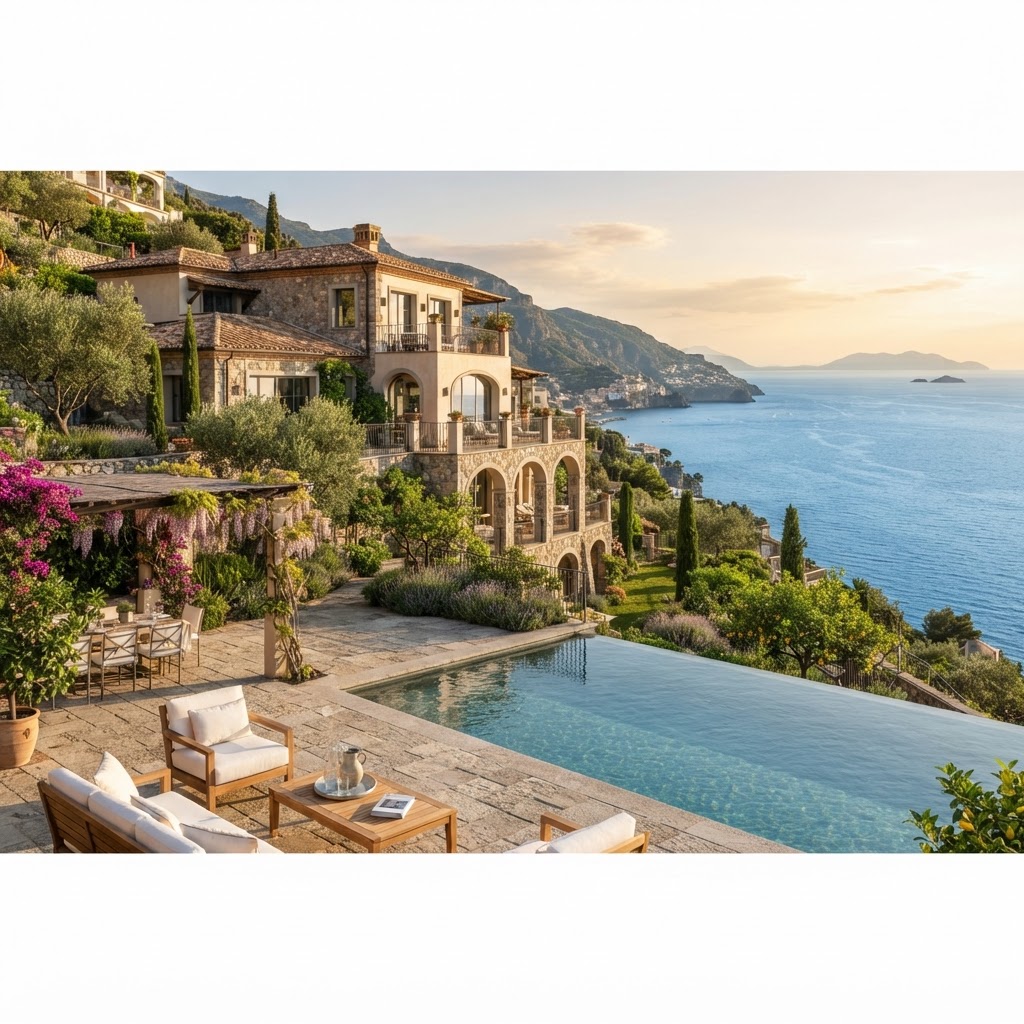
Selling your Italian villa requires navigating one of Europe's most distinctive property markets—where centuries-old notaio traditions meet modern international buyer demand. The complexity of selling a villa in Italy, with its intricate processes like catasto verification, compromesso contracts, and IMU tax clearance, makes expert guidance indispensable. At Stay4Hospitality, we connect Italian villa owners with qualified global buyers who understand these unique challenges. Our platform offers seven specialized guides covering essential procedures: from notary requirements and compromesso agreements to catasto checks, pool permits, CIN/CIR registrations, capital gains, and IMU tax obligations. Trust Stay4Hospitality to market your Italian villa effectively, ensuring it reaches discerning buyers who appreciate the nuances of Italy's real estate landscape.
Key Takeaways
- Italy's hospitality market offers unique opportunities for villa sellers, driven by consistent tourist demand.
- Key regions like Tuscany and the Amalfi Coast are particularly attractive to international buyers.
- Understanding regional buyer demand is crucial for effectively marketing your villa.
- The Italian property selling process involves specific legal and financial steps.
- Effective marketing strategies are essential to gain exposure and attract global buyers.
- Stay informed with our FAQ section addressing common concerns and questions.
- Use our internal links to explore detailed local guides and listing pages.
The Italian Villa Market: Buyer Demographics and Investment Trends
The Italian Villa Market: Buyer Demographics and Investment Trends
Italy's villa market operates distinctly from both its commercial hotel sector and neighbouring Mediterranean markets, with buyer demographics, transaction values, and investment motivations varying dramatically by region. Understanding these nuances is essential for villa owners positioning their properties for international sale.
Regional Transaction Values and Buyer Profiles
Italian villa sales demonstrate significant regional variation in both pricing and buyer origin. Tuscany commands the highest average transaction values at €800,000 to €2.5 million, with American buyers representing approximately 40% of international purchasers, drawn by the region's wine culture and established expatriate communities. The Lakes region (Como, Garda, Maggiore) attracts predominantly northern European buyers—particularly from Germany, Switzerland, and the UK—with transaction values ranging €1 million to €3 million for lakefront properties. Umbria offers more accessible entry points at €500,000 to €1.5 million, appealing to buyers seeking Tuscan aesthetics without premium pricing, whilst the Amalfi Coast and Puglia command €1 million+ for properties with sea views and restoration potential.
This contrasts sharply with Italy's commercial hotel market, where institutional investors and hospitality groups dominate transactions averaging €3-15 million for established operations. Villa buyers are predominantly individual purchasers or family offices seeking lifestyle assets rather than pure yield plays.
Post-2023 Market Shifts: The Remote-Work Buyer Segment
Since 2023, Italy's villa market has experienced a 15-20% increase in enquiries from remote-working professionals aged 35-50, particularly from North America and northern Europe. These buyers prioritise high-speed internet infrastructure, dedicated office spaces, and year-round liveability over traditional holiday-rental metrics. Properties in Umbria, Le Marche, and inland Tuscany have seen transaction volumes increase by 12-18% as this segment seeks authentic Italian living with lower running costs than coastal alternatives.
Agriturismo Conversion Potential and Valuation Impact
Villas with agricultural land (typically 2+ hectares) and existing farm structures command 15-25% premiums due to agriturismo conversion potential. Italy's agriturismo regulations allow property owners to operate hospitality businesses whilst maintaining agricultural activities, creating dual-income opportunities. Buyers from hospitality backgrounds increasingly seek these hybrid properties, particularly in Tuscany, Umbria, and Piedmont, where wine and olive oil production add operational revenue streams beyond accommodation.
2025-2026 Villa Transaction Outlook
Italian villa transaction volumes are projected to grow 6-8% annually through 2026, outpacing the 3-4% growth forecast for commercial hospitality assets. This growth is driven by currency advantages for US and UK buyers, Italy's digital nomad visa programme launched in 2024, and sustained demand for properties offering both lifestyle and rental income potential. Villas positioned as turnkey operations with established rental histories or agriturismo licences are experiencing the shortest time-to-sale periods, averaging 4-7 months versus 9-14 months for properties requiring significant renovation.
Why International Buyers Choose Italian Villas Over Spanish Alternatives
Why International Buyers Choose Italian Villas Over Spanish Alternatives
When comparing Italy and Spain as villa investment destinations, buyers face two distinct Mediterranean propositions. While Spain delivers year-round sunshine and golf-resort convenience, Italy offers something fundamentally different: cultural heritage density, culinary tourism premiums, and a slower-paced lifestyle brand that commands different buyer motivations and financial returns.
Cultural Heritage Density: Italy's Unmatched Concentration
Italy holds 58 UNESCO World Heritage Sites—the world's highest concentration per square kilometre. This translates to approximately one UNESCO site per 5,200 km², compared to Spain's one per 10,800 km². For villa buyers, this density means proximity to Florence's Renaissance treasures, Rome's ancient monuments, or Venice's architectural marvels within short drives, creating year-round cultural appeal that Spanish coastal developments cannot replicate. UK and German buyers particularly value this immersive historical context, seeking villas near Siena, Lucca, or Verona rather than purpose-built resort complexes.
Culinary Tourism Premium and Lifestyle Brand
Italy's culinary reputation drives a 15-20% premium on villa rental rates in gastronomic regions like Piedmont, Emilia-Romagna, and Sicily. Guests pay more for cooking classes, truffle hunting, and vineyard experiences embedded in authentic Italian village life. Spain's costas offer excellent beach clubs and golf, but Italy's agriturismo culture and slow-food movement attract higher-spending cultural tourists who extend stays and book outside peak months. US buyers especially favour this lifestyle authenticity over Spain's more commercialised resort model.
Rental Yields and Seasonal Considerations
Villa rental yields vary significantly by Italian region: Tuscany delivers 4-6% annually, Puglia 5-7%, and the Lakes 3-5%. Italy's extended season runs May through October (six months), compared to Spain's year-round potential. However, Italian villas command 20-30% higher nightly rates during peak cultural months (May-June, September-October), often offsetting Spain's longer season. Buyers seeking lifestyle balance over maximum occupancy prefer Italy's defined off-season for personal use.
Buyer Profile Differences: Why Specific Nationalities Choose Italy
UK buyers gravitate toward Tuscany and Umbria for weekend accessibility and cultural weekends, valuing Italy's art cities over Spanish beach repetition. German buyers favour Lake Como and South Tyrol for Alpine-Mediterranean fusion and architectural heritage. US buyers seek Tuscan farmhouses and Puglian masserias as retirement or extended-stay bases, prioritising authentic village integration over gated resort security. These buyers accept Italy's slower bureaucracy and higher restoration costs because the lifestyle brand—la dolce vita over sangria—aligns with their long-term vision.
Italy's villa market attracts buyers seeking cultural immersion and gastronomic authenticity rather than Spain's beach-golf convenience, creating distinct positioning that supports premium pricing despite a shorter rental season.
Key Locations for Selling Villas in Italy
Key Locations for Selling Villas in Italy
Italy offers a diverse range of regions ideal for selling villas, each with distinctive characteristics that attract a variety of buyers. Understanding these key locations can help sellers effectively target the right market.
Tuscany
Tuscany is renowned for its idyllic landscapes, rolling hills, and rich cultural heritage. Within Tuscany, Chianti Classico and Val d'Orcia stand out for their unique buyer profiles. Villas in Chianti Classico, often part of DOC wine estates, command price premiums due to their prestigious location and wine production potential, with prices ranging from €3,000 to €5,000 per square meter. In contrast, Val d'Orcia offers a more tranquil setting, appealing to buyers seeking a pastoral lifestyle. The average days-on-market for villas in Tuscany is between 8 to 14 months.
Umbria
Umbria is gaining traction among international buyers, particularly in emerging hotspots like Spoleto and Todi. These areas offer entry points that are 15-20% lower than those in Tuscany, providing excellent value for money. Buyers are drawn to Umbria for its authentic Italian experience and lower cost of living, making it an attractive alternative to more saturated markets.
Lakes Region
The Lakes Region of Italy, particularly Lake Como and Lake Garda, presents distinct opportunities for villa sellers. Lake Como is synonymous with celebrity allure and ultra-high-net-worth buyers, with villas often serving as luxurious retreats. Prices here average around €5,500 per square meter. In contrast, Lake Garda attracts family buyers seeking a mix of recreational activities and scenic beauty, offering a more accessible price point. Villas in the Lakes region typically remain on the market for 10 to 18 months.
Puglia
Puglia is characterized by its unique architectural style, particularly the traditional trulli houses. Buyers interested in trulli often focus on restoration projects, while the coastal areas attract those seeking modern villas with stunning sea views. The market in Puglia is dynamic, with villas selling within 6 to 10 months, reflecting strong demand in both inland and coastal segments.
Amalfi Coast
The Amalfi Coast is renowned for its breathtaking scenery and luxury lifestyle. However, sellers must consider access and parking constraints, which can impact the salability of properties. Villas here are highly sought after, with prices frequently exceeding €6,000 per square meter due to the area's exclusivity and natural beauty.
Understanding these regional nuances is crucial for effectively marketing your Italian villa to global buyers. For more detailed insights on selling your villa in Italy, visit our full guide.
Regional Buyer Demand for Italian Villas
Regional Buyer Demand for Italian Villas
The Italian villa market has undergone significant shifts in buyer composition between 2024 and 2026, with currency fluctuations and post-Brexit adjustments reshaping international demand patterns. Understanding these evolving demographics enables sellers to target marketing efforts precisely and price properties competitively.
Current Buyer Nationality Breakdown (2025-2026 Data)
Recent transaction data reveals a dramatic rebalancing of international interest:
- American buyers: Now represent 31% of Italian villa purchases (up from 24% pre-pandemic), driven by USD strength hovering at 1.10+ against the euro and increased remote work flexibility
- British buyers: Declined to 22% (down from 28% pre-Brexit) as the EUR/GBP rate stabilised around 0.85, making Italian property comparatively more expensive for UK purchasers
- German buyers: Hold steady at 18%, with particular concentration in South Tyrol and Lake Garda regions
- Dutch buyers: Account for 9%, showing strong preference for Umbria and Le Marche
- Emerging markets: Australian buyers surged +40% in Puglia during 2024-2025, whilst Scandinavian interest in the Lakes region increased 25%
Price Bracket Analysis and Buyer Origin
The relationship between property value and buyer nationality follows clear patterns:
Sub-€500,000 segment: Attracts 60% domestic Italian buyers, typically purchasing second homes in regional markets or coastal apartments. International buyers in this bracket are predominantly first-time villa purchasers from Germany and the Netherlands.
€500,000–€1.5 million range: Represents the sweet spot for international transactions, with 55% foreign buyers. Americans dominate this segment in Tuscany and Umbria, whilst British buyers remain active in Puglia and Sicily despite currency headwinds.
€1.5 million+ luxury tier: Commands 72% international buyers, with Americans and Middle Eastern purchasers leading acquisitions in prime Tuscan estates, Lake Como waterfront properties, and restored Venetian villas. This segment proves most resilient to currency fluctuations.
Currency Impact on Buyer Behaviour
Exchange rate movements have directly influenced purchasing patterns. The strong US dollar (maintaining 1.10+ against the euro throughout 2025) has effectively discounted Italian villas by 15-20% for American buyers compared to 2021 rates, fuelling increased transaction volumes from the United States.
Conversely, the EUR/GBP rate around 0.85 has dampened British buyer appetite, particularly in the €800,000–€1.2 million range where many UK purchasers previously concentrated. British interest now skews toward sub-€600,000 properties in emerging regions like Abruzzo and Molise.
Demographic Motivations by Buyer Type
American remote professionals (ages 35-50) seek properties with high-speed connectivity in Tuscany, Umbria, and Puglia, often planning 3-6 month annual stays whilst maintaining US employment.
Northern European retirees (60+) prioritise healthcare access, year-round climate, and established expat communities, concentrating searches in Liguria, Puglia, and Sicily.
Australian lifestyle buyers have discovered Puglia's value proposition—Mediterranean climate, baroque architecture, and prices 30-40% below comparable Tuscan properties—driving the recent surge in Salento and Valle d'Itria.
Scandinavian buyers favour the Lakes region (Como, Garda, Maggiore) for proximity to Nordic countries, alpine scenery, and established ferry/flight connections to Scandinavia.
By aligning marketing strategies with these concrete buyer profiles and currency-driven opportunities, villa sellers can position properties to capture the most active segments of today's international market.
Navigating the Italian Villa Selling Process
Navigating the Italian Villa Selling Process
Selling a villa in Italy requires navigating a distinctive legal framework that differs significantly from other European markets. Understanding the notaio system, mandatory compliance documentation, and contractual timelines ensures a smooth transaction and protects both parties throughout the sale.
The Notaio and Preliminary Contract Structure
Italy's notaio (public notary) plays a central role in property transactions, acting as an impartial state official who verifies legal compliance and registers the deed. The seller typically selects the notaio, though the buyer pays the fee—usually 1–2% of the purchase price. This professional conducts comprehensive due diligence, including land registry searches and tax verification.
The sale unfolds in two formal stages:
- Compromesso di Vendita (preliminary contract): Buyer and seller sign this binding agreement outlining terms, price, and completion date. The buyer pays a caparra confirmatoria deposit of 10–20% of the purchase price. If the buyer withdraws without valid cause, they forfeit this deposit; if the seller withdraws, they must return double the deposit amount. The compromesso typically allows 60–90 days before the final deed.
- Rogito Notarile (final deed): The notaio reads the deed aloud, verifies all documentation, collects taxes, and registers the transfer. Ownership passes immediately upon signing. Learn more about the notary process and understanding compromesso contracts.
Mandatory Pre-Sale Compliance Documentation
Before listing your villa, gather and verify these essential documents:
Catasto Verification: The land registry planimetria (floor plan) must match your villa's current physical layout. Discrepancies—such as undocumented extensions or internal modifications—require correction through a geometra (surveyor), typically taking 4–8 weeks. Buyers cannot obtain mortgages without catasto conformity. Catasto verification guide.
APE Energy Certificate: This mandatory energy performance certificate costs €150–300 and remains valid for 10 years. A certified technician assesses insulation, heating systems, and energy consumption, assigning a rating from A4 (most efficient) to G.
Pool and Construction Permits: If your villa includes a swimming pool, provide the concessione edilizia (building permit) and any subsequent modifications. Missing pool documentation can derail sales or reduce buyer confidence. Pool permit requirements.
Tourist Rental Registration: Villas previously rented to holidaymakers require CIN (national identification code) and regional CIR codes. Provide rental income records and registration certificates to demonstrate compliance. Tourist rental registration.
Financial Considerations
Capital Gains Tax: If you've owned the villa for less than five years and it wasn't your primary residence, capital gains tax applies at 26% on the profit. Properties held longer than five years are typically exempt.
Agent Fees: Real estate commissions range from 3–6% of the sale price, often split between buyer and seller. Clarify fee structures before signing agency agreements.
Currency Repatriation: Non-residents transferring proceeds abroad should engage currency specialists to optimize exchange rates and ensure compliance with Italian reporting requirements for transactions exceeding €15,000.
By addressing these legal and financial requirements early, villa owners position their properties for confident, compliant sales that attract serious international buyers.
Maximizing Marketing and Buyer Exposure
To reach global villa buyers effectively when selling your Italian property, you need marketing strategies that highlight Italy's unique heritage appeal and capture the attention of international lifestyle buyers. Here's how to maximize exposure:
Italy-Specific Digital Marketing
- Heritage and Restoration Storytelling: Period villas with original frescoes, a limonaia (lemon house), private chapel, or 18th-century wine cellars command premium interest. Document and showcase restoration work, architectural provenance, and historical features in your listing narrative—buyers purchasing Italian villas seek authentic character, not generic luxury.
- Drone Footage for Panoramic Views: Essential for hilltop Tuscan and Umbrian properties. Aerial video capturing cypress-lined drives, valley vistas, and estate boundaries converts significantly better than ground-level photography alone. Drone footage demonstrates land scale and context that static images cannot.
- 360° Virtual Tours: Interactive tours featuring terrace views, infinity pools overlooking vineyards, and loggia dining areas convert 35% more international inquiries than photo galleries alone. Buyers from Germany, the UK, and the Netherlands rely heavily on virtual viewings before committing to site visits.
- Multilingual Marketing Materials: Translate listings and brochures into German, English, and Dutch—the three dominant buyer nationalities for Italian villas. German buyers alone represent approximately 22% of foreign villa purchases in Tuscany and Umbria. Create a professional villa brochure with AI in multiple languages to streamline this process.
Targeted Buyer Channels
- Italian Lifestyle Publications: Advertise in La Cucina Italiana, Bell'Italia, and Ville & Casali—publications with readership actively interested in Italian property, culture, and lifestyle. These targeted placements outperform generic luxury portals for villa sales.
- Stay4Hospitality Global Platform: List your Italian villa to access buyers specifically searching for Italian properties, holiday rental investments, and boutique hospitality opportunities. The platform's international reach connects you with serious buyers, not casual browsers.
- SEO-Optimized Listings: Use region-specific keywords like "restored farmhouse for sale in Chianti" or "luxury villa with vineyard in Montalcino" to capture high-intent search traffic.
Valuation and Pricing Strategy
Before marketing, obtain an accurate property valuation that accounts for Italy-specific factors: land registry classification (catasto), restoration costs for historic properties, and comparable sales in your comune. Overpricing by more than 15% above market value typically extends sale time by 8–12 months.
Case Study Example
A 17th-century villa in Umbria with original frescoes and a chapel attracted multiple offers within four months after implementing drone footage, a German-language brochure, and targeted placement in Bell'Italia. The heritage story and virtual tour converted three international viewings into competitive bids.
Employing these Italy-specific marketing strategies increases your chances of connecting with qualified global buyers and achieving your desired sale price.
Frequently Asked Questions About Selling Villas in Italy
Selling a villa in Italy raises numerous questions among owners. Here, we address some of the most common queries:
Common Questions
- What are the costs involved in selling a villa?
- Costs typically include notary fees, agent commissions (3-6%), capital gains tax, and any legal compliance costs like the APE certificate.
- How long does the selling process take?
- The timeline can vary from 3 to 12 months, depending heavily on location, market conditions, and pricing strategy.
- Do I need to be present in Italy for the sale?
- While not mandatory, being present can expedite the process. Alternatively, you can appoint a legal representative with a power of attorney.
- Can foreigners buy my villa?
- Yes, Italy allows foreign buyers without restrictions, making it essential to market your villa internationally.
Legal and Tax Concerns
- Is there a required residency period before selling?
- No residency period is required, but owning the property for over five years can exempt you from capital gains tax.
- What happens if there are outstanding debts on the villa?
- Any debts or liens must be cleared before the sale can proceed. A notary will ensure the property is free of encumbrances.
These FAQs provide clarity on the selling process, helping villa owners make informed decisions and prepare adequately for the market.
Explore Our Local Guides and Listings
Stay4Hospitality offers a wealth of resources to help you navigate the Italian real estate market. Dive into our local guides and explore listings to ensure you're well-informed and prepared.
Local Guides
- Tuscany Villa Market Guide: Discover insights into the Tuscany region, including market trends, popular locations, and buyer demographics.
- Amalfi Coast Property Insights: Learn about the unique selling points and pricing strategies for villas along the Amalfi Coast.
- Lake Como Luxury Listings: Explore high-demand areas and luxury property offerings in Lake Como.
Featured Listings
Call to Action
Visit our regional listing pages and take advantage of our comprehensive resources to enhance your property listing. Whether you're a first-time seller or a seasoned investor, Stay4Hospitality provides the tools and expertise to reach your goals. Connect with our experts today for personalized support and maximize your villa's potential in the global market.
What are the legal requirements for selling a villa in Italy?
Selling a villa in Italy involves several legal steps, including obtaining a 'certificato di destinazione urbanistica' (urban planning certificate) and ensuring
How can I determine the best asking price for my Italian villa?
To set an optimal asking price for your villa, consider factors such as location, size, amenities, and current market trends. An appraisal by a qualified local
What are the common marketing strategies to attract international buyers for Italian villas?
To appeal to global buyers, leverage online property marketplaces like Stay4Hospitality, engage in targeted social media campaigns, and list on international re
How long does it typically take to sell a villa in Italy?
The time it takes to sell a villa in Italy can vary based on factors like location, price, and market demand. On average, it might take anywhere from three to n
Are there any taxes involved when selling a villa in Italy?
Yes, selling a villa in Italy involves certain taxes. The capital gains tax may apply if the property is sold within five years of purchase, unless it's your pr
How can I enhance the appeal of my villa to potential buyers?
Enhancing your villa's appeal involves staging and maintenance. Ensure the property is clean, well-maintained, and free of clutter. Consider minor renovations o
What is the notaio's role when selling my Italian villa?
The notaio (notary) is a public official who ensures your villa sale is legally valid and properly registered. Unlike in other countries, the Italian notaio is
Do I need to clear IMU tax debts before selling my Italian villa?
Yes, you must settle all outstanding IMU (Imposta Municipale Unica) property tax before completing the sale. The notaio will verify IMU payment status during th
How does the compromesso di vendita protect me as a seller?
The compromesso di vendita (preliminary sales agreement) legally binds both parties and protects you through the caparra confirmatoria deposit structure. When s
Related Resources
- Sell my villa in Spain
- French Alps Ski Chalet Capital Gains Tax (Plus-Values Immobilières) Calculation for UK and EU Sellers
- Cross-Border Ski Chalet Sales Tax and Currency Implications: France, Switzerland, Austria and Italy Compared
- List Your Property on Stay4Hospitality
- Free Property Valuation for Hospitality Sellers
- Complete guide to selling hospitality properties internationally
- Italian villa pool permits and abusivismo edilizio risks
- Italian villa notary (notaio) process and rogito timeline
- Italian villa capital gains tax for non-residents
- Italian villa tourist rental registration (CIN/CIR)
- Italian villa compromesso di vendita and deposit structures
- Italian villa cadastral registry (catasto) verification
- Italian villa IMU and TASI property tax clearance
- How do I market my hospitality property to qualified buyers?
- What are the best practices for showcasing my property online?
- Which markets should I target when selling internationally?
- How can I attract more international buyers?
- Create a professional property brochure with AI
- Download our free selling guide
- Browse hotels for sale
Browse hospitality properties for sale | List your property | Free valuation