Mein Hotel in England verkaufen
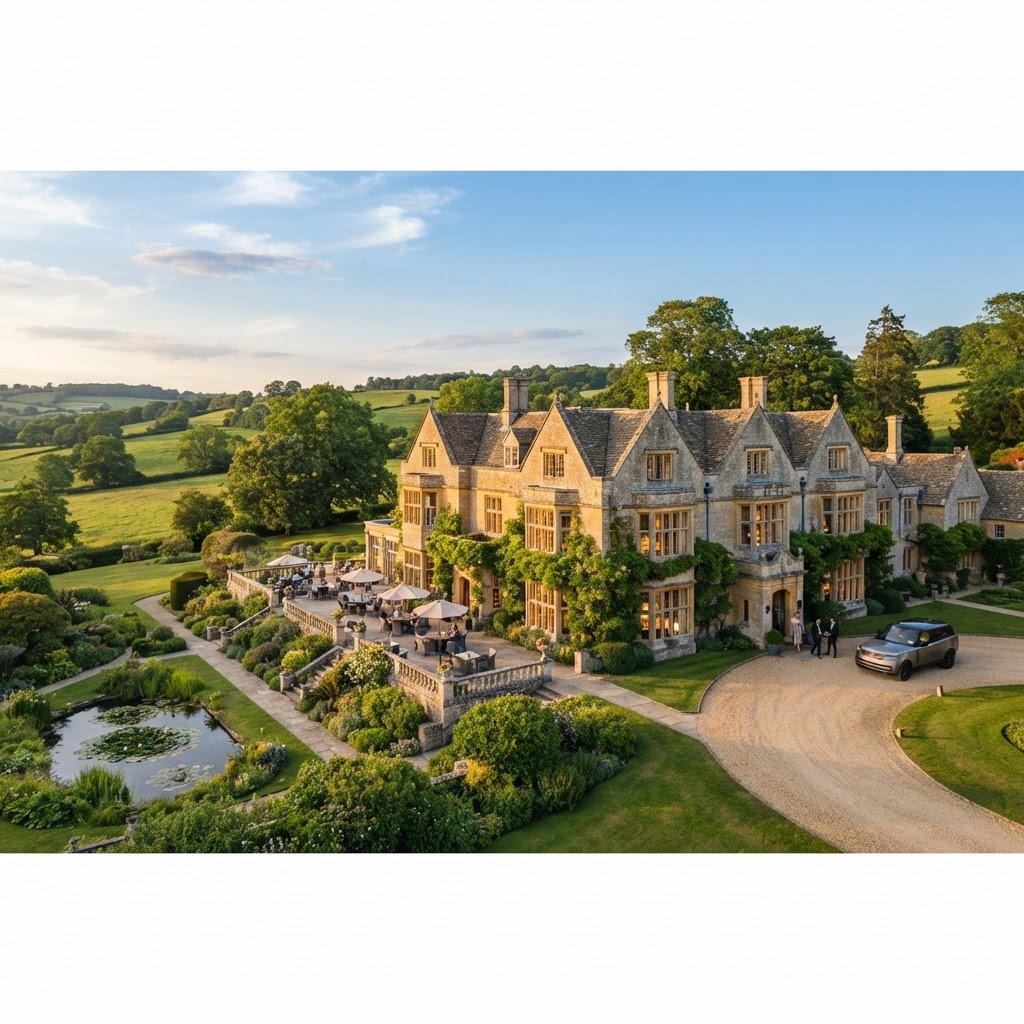
Selling your hotel in England can be a lucrative opportunity, especially given the country's thriving tourism industry and robust hospitality market. As the leading hospitality property marketplace, Stay4Hospitality is here to guide you through every step of the process. This comprehensive resource will cover everything from understanding the current market dynamics in England to effectively marketing your property to potential buyers. Whether you’re a seasoned property owner or a first-time seller, this guide is tailored to provide you with the insights and strategies needed to successfully sell your hotel in England.
Key Takeaways
- England's hospitality market remains strong, driven by both domestic and international tourism.
- Key tourist destinations like London, Manchester, and the Lake District offer lucrative opportunities for hotel sales.
- Understanding regional buyer demand is crucial for setting a competitive price.
- The selling process involves legal, financial, and marketing steps unique to England.
- Effective marketing and exposure are essential to reach prospective buyers both locally and internationally.
- Staying informed about frequently asked questions can streamline your selling experience.
- Access to local resources and expert advice is vital for a successful sale.
Current Landscape of England's Hospitality Market
Current Landscape of England's Hospitality Market
England's hospitality market represents a £130 billion annual sector with robust transaction activity and evolving buyer dynamics. Understanding current market conditions, buyer profiles, and regional performance is essential when positioning your hotel for sale.
Transaction Volumes and Market Activity
The England hotel market has demonstrated resilience with approximately 350-400 hotel transactions completed annually across 2023-2024. Transaction activity has concentrated in:
- London and Southeast: 35-40% of all deals, with values ranging from £2.5 million to £50 million+
- Southwest coastal regions: 20-25% of transactions, particularly Devon, Cornwall, and Dorset
- Northern cities: Manchester, Leeds, and Liverpool accounting for 15-18% of sales
- Historic market towns: Steady demand for characterful properties under £3 million
Average Sale Prices by Region
Regional pricing varies significantly based on location, property type, and trading performance:
- Central London hotels: £150,000-£300,000+ per room for established properties
- Regional cities: £45,000-£85,000 per room depending on covenant strength
- Coastal resorts: £60,000-£120,000 per room for well-positioned assets
- Rural and market town hotels: £35,000-£65,000 per room
- Budget and economy sector: Typically valued at 6-8× EBITDA across all regions
Buyer Demographics and Investment Patterns
The buyer landscape for England hotels shows a balanced mix of domestic and international interest:
Domestic buyers (approximately 60-65% of transactions) include:
- Experienced hospitality operators seeking portfolio expansion
- First-time buyers entering via smaller guest houses and B&Bs
- Private equity groups targeting branded budget hotel conversions
- Family offices investing in lifestyle hospitality assets
International buyers (35-40% of transactions) predominantly from:
- Middle Eastern investors: Focused on London luxury and landmark properties
- European buyers: Particularly French, German, and Dutch purchasers seeking lifestyle businesses
- North American investors: Targeting branded opportunities and conversion projects
- Asian capital: Selective acquisitions in gateway cities and university towns
Current Market Trends Shaping Sales
Several England-specific trends are influencing hotel sales strategy in 2024:
Strong demand drivers:
- Staycation legacy: Domestic leisure travel remains 15-20% above pre-pandemic levels
- Corporate recovery: Business travel returning to 85-90% of 2019 volumes in major cities
- Events and conferences: Regional hotels near exhibition centers commanding premium valuations
- Experiential hospitality: Boutique properties with unique positioning achieving faster sales
Operational considerations:
- Staffing challenges: Properties demonstrating stable teams and retention strategies more attractive to buyers
- Energy efficiency: Hotels with recent sustainability upgrades (solar, heat pumps, insulation) selling at 8-12% premiums
- Technology infrastructure: Modern PMS, channel management, and contactless systems now baseline buyer expectations
Pricing dynamics:
- Well-maintained hotels with proven trading history typically achieving 95-105% of asking price
- Properties requiring capital investment seeing 10-15% negotiation from initial valuations
- Average time to sale: 6-9 months for correctly priced hotels with clean financials
Understanding these market fundamentals enables sellers to position their hospitality property sale strategically, target appropriate buyer segments, and structure deals that reflect current England hotel market conditions.
Tourism Insights: Understanding England's Appeal
England's Tourism Magnetism
England remains a top destination for global travelers, drawing millions annually with its rich cultural tapestry and iconic landmarks. In 2022, the country welcomed over 36 million international visitors, underscoring its enduring appeal.
Major Attractions
London stands as a premier city, home to landmarks like the Tower of London, Buckingham Palace, and the British Museum. Meanwhile, Bath offers Roman baths and Georgian architecture, attracting history enthusiasts. The Cotswolds provides picturesque landscapes and charming villages, ideal for those seeking a serene escape.
Seasonal Trends
Tourism in England experiences distinct seasonal shifts:
- Summer (June to August): Tourist numbers peak, driven by school holidays and favorable weather, resulting in high hotel occupancy.
- Spring and Autumn: These shoulder seasons offer mild weather and fewer crowds, appealing to travelers seeking a quieter experience.
- Winter (December to February): While colder, the festive season draws visitors to Christmas markets and winter festivals.
Impact on Hotel Demand
The diverse attractions ensure a steady flow of tourists throughout the year, with hotels in key areas like London and Bath experiencing high occupancy rates. Properties that cater to niche markets, such as eco-tourism and wellness, also see increased interest, aligning with current consumer preferences.
Key Hospitality Hotspots in England
Key Hospitality Hotspots in England
England offers a plethora of prime locations for hospitality investment, each with unique characteristics and strong performance metrics. Understanding these hotspots can significantly enhance your strategy to sell your hotel in England effectively.
London
- Market Overview: As a global city, London boasts the highest hotel occupancy rates in the country, often exceeding 80% even during off-peak seasons. This vibrant market is driven by a continuous influx of international tourists, business travelers, and cultural enthusiasts.
- Investment Appeal: London's diverse market includes luxury, mid-range, and budget segments, providing various entry points for investors. The city's robust infrastructure and global connectivity further enhance its appeal. For more detailed insights, explore our London hotel selling guide.
Manchester
- Cultural Hub: Known for its dynamic arts scene and sporting events, Manchester attracts a wide range of visitors. The city's growing reputation as a tech and innovation hub also draws business travelers.
- Market Dynamics: With occupancy rates averaging around 77%, Manchester offers lucrative opportunities for hotel owners. The city's blend of historic charm and modern attractions makes it a compelling location for hospitality investments. Discover more in our Manchester hotel selling guide.
Bath
- Heritage Appeal: Known for its Roman baths and Georgian architecture, Bath attracts cultural tourists year-round. The city's historical significance and picturesque setting make it a perennial favorite among travelers.
- Performance Metrics: Hotels here enjoy robust occupancy rates, bolstered by the city's UNESCO World Heritage status. With an average daily rate (ADR) of £120, Bath remains a profitable market for sellers.
The Cotswolds
- Rural Charm: This area is synonymous with quintessential English countryside, attracting both domestic and international visitors. Its rolling hills and charming villages offer a serene escape from urban life.
- Growth Opportunities: The rise of staycations has increased demand for accommodations in this area, particularly for boutique and luxury properties. The Cotswolds' average occupancy rate stands at 70%, with an ADR of £110, reflecting its growing popularity.
Lake District
- Natural Beauty: Famed for its stunning landscapes and outdoor activities, the Lake District is a magnet for nature lovers and adventure seekers.
- Visitor Demographics: The region sees a steady flow of tourists year-round, with a significant spike during the summer months. Hotels in the Lake District benefit from an average occupancy rate of 72%, making it an attractive spot for potential sellers. For more insights, visit our Lake District hotel selling guide.
Data on Hotel Performance
These regions demonstrate strong performance, making them attractive for those looking to sell their hospitality properties. By leveraging the unique attributes and market dynamics of each location, sellers can maximize their property's appeal and achieve successful transactions.
Analyzing Buyer Demand in England's Hotel Market
Understanding Buyer Profiles
The buyer market for hotels in England is diverse, comprising:
- Domestic Investors: These buyers are often seeking opportunities in regional cities and countryside locations. They typically focus on properties that offer potential for local tourism growth and community engagement.
- International Buyers: Attracted to major cities like London, international buyers are drawn by the strong return on investment potential. According to recent data, international investors account for approximately 40% of hotel purchases in London.
- Institutional Investors: Including REITs and investment funds, these buyers focus on high-yield properties. They are particularly interested in large-scale hotels in urban centers, looking for stable income streams and long-term capital appreciation.
Buyer Preferences
Current trends indicate that buyers are particularly interested in:
- Location: Proximity to major transport links and attractions is crucial. Hotels near airports, train stations, and tourist hotspots are in high demand.
- Property Condition: Turnkey properties are preferred over those requiring significant renovation. Buyers are willing to pay a premium for hotels that are ready to operate without additional investment.
- Revenue Potential: Buyers analyze metrics such as occupancy rates, Average Daily Rate (ADR), and Revenue Per Available Room (RevPAR) to assess profitability. Properties with high RevPAR are especially attractive.
Regional Demand Variations
The demand for hotel properties varies significantly across England:
- London: Continues to be a hotspot for both domestic and international buyers, with a focus on luxury and boutique hotels.
- The South East: Known for its picturesque countryside and proximity to London, this region attracts buyers interested in boutique and mid-sized hotels.
- The North of England: Cities like Manchester and Leeds are seeing increased interest from investors looking for value outside the capital, with a focus on properties that can cater to business travelers and tourists alike.
Current Buyer Appetite Metrics
Recent market analysis reveals that:
- Individual Investors: Show a strong preference for properties priced between £1 million and £5 million, often seeking smaller, independent hotels.
- Hotel Groups: Are actively pursuing acquisitions in the £5 million to £20 million range, focusing on expanding their brand presence.
- Price Bands: Properties above £20 million are typically targeted by institutional investors and international buyers, looking for flagship properties in prime locations.
Tailoring Your Offering
To appeal to these diverse buyers, consider the following strategies:
- Highlight Unique Selling Propositions (USPs): Whether it’s sustainability initiatives or bespoke guest experiences, clearly communicate your property's strengths.
- Transparent Financial Reporting: Providing detailed financials can help build trust and demonstrate the property's value.
- Flexible Terms: Offering flexibility in terms of sale conditions can make your property more attractive.
Market Dynamics
Understanding the nuanced demands of these buyers can help effectively position your hotel for sale, ensuring it meets the expectations of potential investors. This strategic alignment can enhance appeal and expedite the sales process. For sellers looking to connect directly with active buyers, visit our Businesses Wanted page to explore current buyer requirements and opportunities in the marketplace.
Navigating the Hotel Selling Process in England
# Navigating the Hotel Selling Process in England
Selling a hotel in England requires a strategic approach tailored to the local market dynamics. Understanding the process is crucial for maximizing your sale price and ensuring a smooth transaction. This guide will help you navigate the complexities of selling your hotel, from valuation to closing the sale.
Step 1: Valuation
Begin with a thorough valuation of your hotel. Engage a professional appraiser familiar with the hospitality sector in England. They will consider factors such as location, property condition, and financial performance. Typically, hotels are valued based on a multiple of EBITDA (Earnings Before Interest, Taxes, Depreciation, and Amortization), with multiples ranging from 8x to 12x, depending on market conditions. For more insights on how EBITDA is used for valuation, visit our FAQ page.
Step 2: Legal Requirements
The legal landscape in England necessitates a clear understanding of property laws and business regulations. Engage a solicitor specializing in commercial property to handle contracts, due diligence, and compliance checks. Key legal documents include the sale and purchase agreement, title deeds, and any lease agreements if applicable.
Step 3: Marketing Strategy
Develop a comprehensive marketing plan leveraging both digital platforms and traditional methods. Highlight unique selling points such as proximity to tourist attractions or historical significance. Utilize online marketplaces, social media, and industry publications to reach potential buyers globally. Consider linking to our broader hospitality property sales process for a complete strategy.
Step 4: Understanding Buyer Expectations
Engage with potential buyers using effective negotiation tactics. Be prepared to discuss price adjustments, deal terms, and contingencies. Consider offering seller financing or earn-outs to attract more buyers. Understanding what buyers look for is crucial; visit our FAQ page to learn more about buyer expectations before making an offer.
Step 5: Closing the Sale
Work closely with your solicitor to ensure a smooth closing. This includes transferring ownership, settling debts, and ensuring all legal obligations are met. The average timeline from listing to sale closure can range from 6 to 12 months, contingent on market activity and buyer interest.
Selling a hotel in England is a multifaceted process that demands careful planning and execution. By understanding each step and utilizing available resources, you can effectively navigate the market and achieve a successful sale.
Maximizing Marketing and Buyer Exposure
Maximizing Marketing and Buyer Exposure
To achieve a successful sale, it's vital to maximize your hotel's visibility among potential buyers, both locally and internationally. This involves strategic marketing efforts and leveraging the right tools to ensure your property stands out in the competitive market.
Digital Platforms
Utilize digital platforms to reach a broad audience. List your property on Stay4Hospitality to gain exposure to a targeted audience of hospitality investors. Enhance your listing with high-quality photos, virtual tours, and detailed property descriptions. This not only attracts potential buyers but also provides them with a comprehensive view of what your hotel offers, increasing their interest and likelihood of purchase.
Professional Marketing Materials
Creating professional marketing materials is essential. Use Stay4Hospitality's Property Brochure Creator to design visually appealing brochures that effectively communicate your hotel's unique selling points. This tool simplifies the process, ensuring your marketing materials are both polished and persuasive.
Networking and Leveraging Contacts
Tap into your professional network within the hospitality industry. Reach out to previous business contacts, industry associations, and regional tourism boards to spread the word. Word-of-mouth recommendations can be a powerful tool in the hospitality sector, often leading to quicker and more favorable sales outcomes.
International Outreach
Consider targeting international buyers. England's rich history and thriving tourism industry attract global interest. Tailor your marketing materials to appeal to international investors, highlighting aspects like proximity to major airports, transport links, and cultural landmarks. By showcasing these features, you can capture the attention of buyers looking for strategic investments in the hospitality sector.
Use of Social Media
Harness the power of social media marketing. Platforms like LinkedIn, Instagram, and Facebook can be effective for reaching potential buyers. Share success stories, customer testimonials, and updates about the hotel to engage with your audience. Regularly updating content keeps your property top-of-mind and demonstrates its active presence in the market.
Local Market Understanding
Understanding local market trends is critical. Stay informed about regional economic indicators and tourism statistics to position your hotel competitively. Engage local real estate agents who specialize in commercial properties to further increase exposure. These agents have invaluable insights into market dynamics and can provide advice on pricing strategies and buyer expectations.
By implementing these strategies, you not only enhance your hotel's visibility but also increase its appeal to a diverse range of potential buyers, thereby maximizing the chances of a successful sale.
Frequently Asked Questions About Selling Hotels in England
Selling a hotel in England can generate numerous questions. Here, we address some of the most common concerns.
What are the main legal requirements?
In England, you must ensure all property deeds are in order, and any lease agreements are clear and transferable. Engaging a solicitor with expertise in commercial sales is advisable to navigate these complexities.
How long does it typically take to sell a hotel?
The average selling timeline ranges from 6 to 12 months. Factors influencing this include market demand, the economic climate, and the specific attributes of your hotel.
How do I determine the value of my hotel?
Hotel valuation often involves a multiple of EBITDA. An appraiser will consider financial performance, location, and property condition. It’s advisable to work with specialists who understand the local market.
What should I emphasize in my marketing strategy?
Highlight unique features such as historical significance, location advantages, or recent renovations. Utilize digital marketing and professional networks to maximize reach.
Are there specific buyers I should target?
Consider targeting both domestic and international buyers. England’s appeal as a tourist destination draws interest from global investors, especially those looking for strategic locations near major cities or tourist attractions.
Resources and Next Steps for Sellers
As you prepare to sell your hotel in England, accessing the right resources and taking strategic steps can significantly impact your success. Below, we outline key resources and actionable next steps to guide you through the process efficiently.
Key Resources
- Stay4Hospitality Listing Services: Leverage our platform to list your property and gain visibility among global investors. Our extensive network ensures your listing reaches a broad audience.
- Local Real Estate Agents: Engage agents specializing in commercial properties to benefit from their local market knowledge. Their insights can help you navigate the intricacies of the England hotel market.
- Legal and Financial Advisors: Consult with professionals to ensure compliance with legal requirements and optimize financial outcomes. Their expertise is crucial in avoiding potential pitfalls during the sale process.
Next Steps
- Get a Professional Valuation: Understanding your hotel's market value is crucial. Use our Property Valuation Tool to get an accurate assessment and set a competitive price.
- Conduct Financial Analysis: Evaluate your property's financial performance using our ROI Calculator. This tool helps you understand potential returns and make informed decisions.
- Prepare Your Property: Ensure your hotel is in optimal condition for viewings. Consider minor renovations or aesthetic improvements to enhance appeal. A well-maintained property attracts more buyers and can increase your selling price.
- Create Marketing Materials: Utilize our AI Property Brochure Creator to develop professional marketing materials. High-quality brochures can effectively showcase your hotel's unique features and attract potential buyers.
- Engage Professionals: Collaborate with appraisers, solicitors, and real estate agents who specialize in the hospitality industry. Their combined expertise is invaluable in navigating the complexities of selling a hotel.
- Develop a Marketing Plan: Create a comprehensive plan that includes digital marketing, international outreach, and leveraging professional networks. A strategic marketing approach can significantly enhance your property's visibility.
- List Your Property: Use Stay4Hospitality to list your hotel, ensuring it reaches a broad audience of potential buyers. Our platform is designed to connect sellers with interested investors globally.
Comprehensive Guidance
For detailed, step-by-step instructions on selling your hotel, refer to our Selling Guide. This resource covers every aspect of the selling process, from initial preparations to closing the deal.
Call to Action
Ready to begin? List your hotel with Stay4Hospitality today and connect with buyers worldwide. For more information, visit our local location pages and FAQ pages to learn more about selling in specific regions. By taking these strategic steps, you can maximize your chances of a successful sale.
What legal considerations should I be aware of when selling my hotel in England?
When selling a hotel in England, it's crucial to understand various legal aspects such as property title verification, compliance with local government regulati
How can I determine the right asking price for my hotel in England?
Determining the right asking price involves evaluating several factors including the hotel's current financial performance, location, market trends, and compara
What are the most effective marketing strategies for selling a hotel in England?
Effective marketing strategies for selling a hotel in England include leveraging online hospitality marketplaces like Stay4Hospitality, utilizing social media p
How long does it typically take to sell a hotel in England?
The timeline for selling a hotel in England can vary based on factors such as market conditions, property location, and pricing. On average, the process can tak
What role does due diligence play in the hotel selling process?
Due diligence is a critical part of the hotel selling process, allowing potential buyers to verify all aspects of the property before purchase. This includes ex
How can I enhance my hotel's appeal to international buyers?
To attract international buyers, highlight aspects that appeal to global markets, such as proximity to major transportation hubs, international tourist attracti
What licensing requirements apply when selling a hotel in England?
When selling a hotel in England, key licensing considerations include transferring or surrendering your premises licence under the Licensing Act 2003, which cov
Are there specific tax implications when selling a hotel in England?
Selling a hotel in England triggers several tax considerations. Capital Gains Tax (CGT) applies to the profit from your sale, though Business Asset Disposal Rel
What types of buyers are currently active in England's hotel market?
England's hotel market attracts diverse buyer types with varying motivations. Private lifestyle buyers seek smaller boutique hotels and country inns, often as o
Related Resources
- Bed and Breakfast Valuation Methods: Revenue Multiples, Property Assets and Goodwill Assessment
- Tax Implications of Selling Your B&B: Capital Gains, Business Asset Disposal and Professional Advice
- Marketing Your B&B Sale: Professional Photography, Virtual Tours and Targeted Buyer Outreach
- List Your Property on Stay4Hospitality
- Free Property Valuation Tool
- Complete guide to selling your bed and breakfast
- What do hotel buyers look for before making an offer?
- How is EBITDA used to value hospitality businesses?
- What are the most common deal-breakers for hotel buyers?
- How do investors calculate ROI when evaluating hotel properties?
- What are the most effective ways to market my hotel?
- How can I attract more buyers for my hospitality business?
- Calculate your hotel's ROI
- Create professional property brochures with AI
- Download our free selling guide
- Browse hotels for sale in England
- View active buyer requirements
Browse hospitality properties for sale | List your property | Free valuation