How to Buy a Hotel in Kyoto
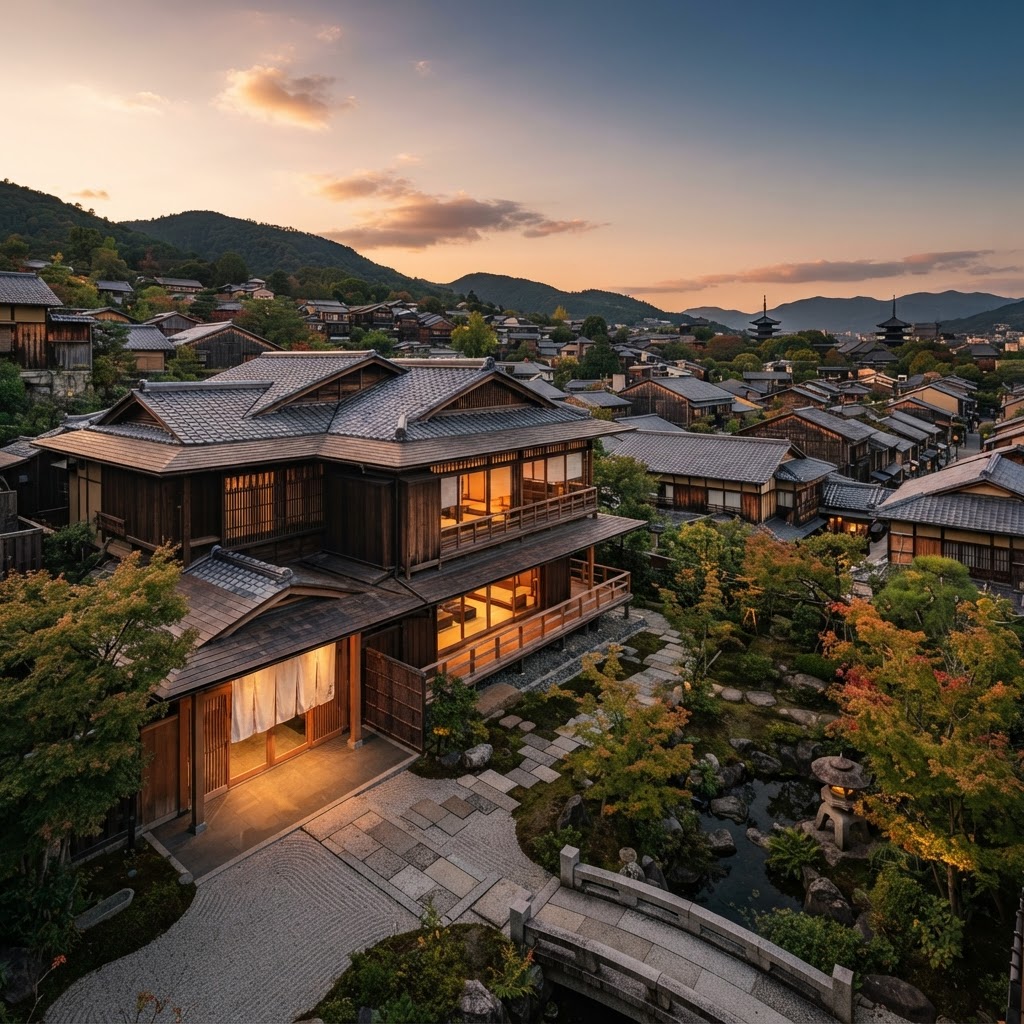
If you're considering a strategic investment in the hospitality sector, understanding how to buy a hotel in Kyoto is essential. As a city renowned for its rich cultural heritage and booming tourism industry, Kyoto offers a unique opportunity for investors aiming to capitalize on the global travel market. This comprehensive guide from Stay4Hospitality will walk you through each step of the process, from initial research to final acquisition. We'll cover financial considerations, legal requirements, and highlight the benefits of investing in this historic city, ensuring you have all the tools needed to make an informed decision.
Key Takeaways
- Kyoto's tourism boom makes it an attractive location for hotel investment.
- Understanding local market conditions is crucial before purchasing a hotel in Kyoto.
- Navigating legal and regulatory requirements in Japan requires expert guidance.
- Securing financing is a critical step in the hotel acquisition process.
- Strategic location and property type significantly impact investment success.
- Due diligence is essential to avoid common pitfalls in hotel purchasing.
- Stay4Hospitality provides resources and tools to support your investment journey.
Understanding the Kyoto Hotel Market
# Understanding the Kyoto Hotel Market
The Kyoto hotel market remains one of Japan's most dynamic hospitality sectors, driven by the city's blend of historical allure and modern tourism infrastructure. In 2026, Kyoto continues to attract millions of visitors annually, including both international tourists and domestic travelers, making it a robust market for potential hotel investments.
Current Trends in Kyoto's Hospitality Industry
Kyoto's hotel industry is characterized by a diverse range of accommodations, from traditional ryokans to high-end luxury hotels. This diversity caters to a wide spectrum of travelers, enhancing the city's investment potential. Recent trends indicate a growing demand for boutique hotels that offer personalized experiences, as well as eco-friendly accommodations that align with global sustainability movements.
Occupancy rates in Kyoto have remained strong, typically ranging from 70% to 85% depending on the season, with peak periods during cherry blossom season (March-April) and autumn foliage (October-November). During these times, occupancy can soar to 90% or higher, reflecting the city's appeal during these picturesque seasons. The average daily rate (ADR) for hotels in Kyoto can vary significantly, from approximately ¥10,000 for budget options to ¥50,000 or more for luxury stays.
Kyoto-Specific 2026 Data
In 2026, Kyoto is projected to welcome over 15 million visitors, a figure reflecting the city's enduring appeal. The presence of 17 UNESCO World Heritage Sites, such as Kinkaku-ji and the Nijo Castle, significantly boosts hotel demand, as travelers seek proximity to these cultural landmarks. These sites not only attract tourists but also elevate guest expectations for culturally immersive and high-quality accommodations.
Seasonal Occupancy Patterns
The seasonal nature of Kyoto's tourism industry is a crucial factor for investors. The cherry blossom season in March and April, along with the autumn foliage in October and November, are peak times, with occupancy rates often exceeding 90%. Understanding these patterns can help investors optimize pricing strategies and marketing efforts to maximize returns.
Competitive Landscape Analysis
The competitive landscape in Kyoto is diverse, with distinct offerings:
- Boutique Hotels: Known for their personalized service and unique design, these hotels cater to travelers seeking bespoke experiences. They often highlight local culture and sustainability, appealing to a growing segment of eco-conscious travelers.
- Traditional Ryokans: These provide an authentic Japanese experience, featuring tatami mat rooms and communal baths. They appeal to cultural enthusiasts looking for traditional hospitality.
- International Chains: These offer consistent quality and brand recognition, appealing to business travelers and international tourists seeking familiarity.
Evaluating Investment Potential
Investors should consider several factors when assessing the Kyoto hotel market:
- Location: Proximity to major attractions like Kiyomizu-dera and the Arashiyama Bamboo Grove can significantly enhance a hotel's appeal.
- Market segmentation: Understanding the target guest segment, whether it's tourists, business travelers, or cultural enthusiasts, is crucial.
- Future developments: Planned infrastructure projects, such as the expansion of the Kyoto Railway Station, could impact hotel demand and property values.
Overall, Kyoto's mix of cultural heritage, strategic location, and evolving tourist demographics presents a compelling case for hotel investment.
For more insights into the broader Japanese hotel market, visit our How to Buy a Hotel in Japan guide.
Step-by-Step Guide to Buying a Hotel in Kyoto
Step-by-Step Guide to Buying a Hotel in Kyoto
Purchasing a hotel in Kyoto requires a strategic approach, ensuring each step is carefully executed to maximize your investment potential. Here's an in-depth guide to navigating the acquisition process:
1. Conduct Thorough Market Research
Begin by analyzing the Kyoto hospitality market to identify lucrative opportunities. Focus on trends in visitor demographics, seasonal tourism fluctuations, and emerging areas of interest. Utilize resources such as the Kyoto Tourism Association and local market reports for comprehensive data insights.
2. Define Your Investment Strategy
Decide on the type of hotel that aligns with your investment goals. Consider factors like size, location, and target market. Determine if you're interested in acquiring a new build, undertaking a renovation project, or purchasing an existing operational hotel. Each option presents unique advantages and challenges.
3. Assemble a Professional Team
Engage a team of professionals with expertise in Japanese real estate and hospitality. Your team should include:
- A local real estate agent familiar with Kyoto's market nuances.
- A financial advisor to guide investment decisions.
- A legal expert versed in Japanese property laws to navigate regulatory requirements.
4. Financial Assessment and Valuation
Conduct a comprehensive financial analysis of potential properties. Evaluate current revenue streams, occupancy rates, and Average Daily Rates (ADRs). Ensure the property's valuation aligns with market conditions and your budget. This assessment is crucial for making informed decisions.
5. Due Diligence
Perform due diligence to uncover any potential issues. This includes structural and financial audits, compliance checks, and reviewing existing contracts with suppliers and staff. For more details on this critical phase, refer to our FAQ on hotel due diligence timelines.
6. Negotiation and Offer
Based on your findings during due diligence, negotiate terms that reflect the property's true market value. Craft an offer that aligns with your investment strategy while ensuring competitive pricing.
7. Finalize Financing
Secure financing through local banks or international lenders. Explore options such as loans or investment partnerships to fund the purchase. Understanding the financial landscape in Kyoto can offer more favorable terms.
8. Closing the Deal
Complete all legal and administrative requirements to finalize the purchase. This includes transferring ownership, registering the property, and obtaining necessary operating licenses. Ensure compliance with local regulations to avoid future complications.
Following this structured approach will enhance your chances of a profitable hotel acquisition in Kyoto. For a broader perspective on hotel investments in Japan, explore our comprehensive guide to buying a hotel in Japan.
Financial Planning and Budgeting for Hotel Acquisition
Financial Planning and Budgeting for Hotel Acquisition
Financial planning is a cornerstone of successful hotel investment in Kyoto. Understanding the financial landscape is vital for both short-term operations and long-term profitability. This section provides a comprehensive guide to budgeting and financial strategies specific to the Kyoto market.
Initial Budgeting
Setting a clear budget is essential for covering all costs associated with purchasing and running a hotel. Key components include:
- Purchase Price: The cost of the property itself, which can range from ¥100 million for smaller properties to over ¥1 billion for larger hotels. Location and market demand heavily influence these prices, so thorough market research is necessary.
- Renovation Costs: Budget for any necessary upgrades or refurbishments, typically ranging from ¥10 million to ¥50 million depending on the extent of work needed. Renovations can significantly enhance your property's appeal and boost occupancy rates.
- Operating Expenses: Include payroll, utilities, maintenance, and marketing. These can consume about 60% to 70% of revenue. Efficient management of these expenses is crucial to maintaining profitability.
Funding Sources
Exploring various funding options can help support your investment:
- Bank Loans: Local banks offer competitive rates for real estate loans. Consider securing a loan with favorable terms. For more detailed financing options, visit our Kyoto Hotel Financing Strategies guide.
- Investment Partners: Collaborate with investors who have an interest in the hospitality sector. Partnerships can provide additional capital and share the risk.
- Government Grants: Investigate any available subsidies or grants for tourism-related projects in Kyoto. Such incentives can reduce initial capital requirements and improve ROI.
For a comprehensive overview of financing methods, check our FAQ on Financing Options for Purchasing Hospitality Properties.
Expected Returns
Investors should aim for a return on investment (ROI) of at least 8% to 12%, which is typical for well-managed properties in prime locations. Keep in mind that ROI can fluctuate based on market conditions and operational efficiency. Understanding local tourism trends and seasonal variations is critical to maximizing returns.
Financial Projection
Prepare a detailed financial projection to guide your decision-making:
- Revenue Forecast: Base your projections on occupancy rates, Average Daily Rate (ADR), and current market trends. A thorough analysis of Kyoto's tourism data can provide valuable insights.
- Expense Forecast: Account for both fixed and variable costs, including any seasonal fluctuations. This ensures that you are prepared for all financial scenarios.
- Profit Margins: Aim for net profit margins of around 20% to 30% after accounting for all expenses. A well-structured financial plan can help achieve these targets.
Effective financial planning and a realistic budget are crucial for a successful hotel acquisition and operation in Kyoto. For further insights into the broader Japanese market, refer to our How to Buy a Hotel in Japan guide.
Legal Considerations and Compliance in Japan
Legal Considerations and Compliance in Japan
Navigating the legal landscape is essential when purchasing a hotel in Kyoto. Japan's regulatory framework ensures that hospitality businesses operate within set standards, and compliance is crucial for both legal and operational success. For a comprehensive overview, refer to our Kyoto Hotel Legal Framework.
Understanding Japanese Real Estate Laws
- Land Ownership: Foreign investors can purchase land and properties in Japan with few restrictions. However, understanding the intricacies of Japanese property law is crucial.
- Zoning Laws: Kyoto has specific zoning regulations that dictate land use. For instance, properties in historic districts face more stringent restrictions to preserve cultural heritage. Additionally, converting traditional machiya houses into hotels requires compliance with specific conversion requirements. For detailed zoning guidelines, visit our Kyoto Hotel Zoning Regulations.
Licensing and Permits
- Hotel Business License: Obtain a hotel business license from Kyoto's city government. This process involves meeting health, safety, and operational standards.
- Building Inspections: Properties must pass inspections to ensure compliance with fire safety and building codes.
- Environmental Regulations: Kyoto emphasizes sustainability. Compliance with environmental regulations, such as waste management and energy efficiency standards, is mandatory.
Employment Laws
- Labor Regulations: Understand Japan's labor laws, which cover minimum wage, working hours, and employee benefits. Hiring local staff requires adherence to these regulations.
- Contracts: Draft employment contracts in accordance with Japanese labor standards.
Taxation
- Property Taxes: Be aware of property taxes, which are typically around 1.4% of the assessed value.
- Corporate Taxes: Corporate income tax rates can be as high as 23.2% for domestic and foreign companies.
Compliance and Legal Assistance
Engage a local legal expert to navigate the complexities of Japanese property and business law. This will ensure that all legal aspects are thoroughly addressed, minimizing risks and enhancing operational stability.
Understanding and adhering to these legal considerations will safeguard your investment and facilitate smooth operations in Kyoto's vibrant hotel sector. For further insights, explore our How to Buy a Hotel in Japan guide, which covers national-level legal requirements and strategies.
Common Mistakes to Avoid When Buying a Hotel
Common Mistakes to Avoid When Buying a Hotel in Kyoto
Purchasing a hotel in Kyoto can be an exciting yet daunting endeavor. However, many investors make common mistakes that can be easily avoided with the right knowledge. Understanding these pitfalls will help you make informed decisions and secure a successful investment.
Overlooking Market Research
One of the most significant mistakes is not conducting thorough market research. Kyoto, known for its rich cultural heritage and tourism, has a unique market dynamic. Failing to analyze the local demand, seasonal trends, and competitor landscape can lead to overestimating potential returns. Always assess:
- Tourist Trends: Kyoto attracts over 50 million tourists annually, but fluctuations due to events like cherry blossom season or festivals can affect occupancy rates.
- Competitor Analysis: Study existing hotels, their occupancy rates, pricing strategies, and reviews to gauge the competitive environment.
Ignoring Property Condition and Compliance
Investors often focus on location and overlook the property’s physical condition and compliance with local regulations. This can result in unexpected renovation costs or legal issues. Ensure:
- Comprehensive Inspections: Hire professionals to evaluate structural integrity, electrical systems, and plumbing.
- Regulatory Compliance: Kyoto has strict building codes and zoning laws. Verify that the property meets these standards to avoid fines or operational delays.
Underestimating Operational Costs
Another common error is underestimating the operational costs associated with running a hotel. These can include staffing, maintenance, marketing, and utilities. Develop a detailed financial plan that includes:
- Staff Salaries: Labor costs in Japan are significant, and staffing levels may need to be adjusted for high seasons.
- Maintenance and Overheads: Regular upkeep is crucial for maintaining guest satisfaction and preventing long-term damage.
Inadequate Due Diligence
Failing to perform comprehensive due diligence is a critical misstep. This involves not just a review of financial statements but also an evaluation of potential legal liabilities and property history. For more insights, explore our FAQ on what hotel buyers look for before making an offer.
Misjudging Cultural Nuances
Kyoto’s unique cultural landscape can impact hotel operations. Misjudging these nuances might affect guest experience and local partnerships. Engage with local experts to understand cultural expectations and community dynamics.
Avoiding these common pitfalls requires diligence and a strategic approach. With proper planning and research, you can navigate the complexities of buying a hotel in Kyoto successfully. For a broader perspective on the Japanese market, consider reading our national guide on buying hotels in Japan.
Expert Strategies for Successful Hotel Investment
Expert Strategies for Successful Hotel Investment
Investing in a hotel in Kyoto offers substantial returns when approached with strategic insight and local expertise. Here are expert recommendations to maximize your investment in this culturally rich city.
Focus on Location and Unique Selling Points
In Kyoto, location is paramount. Proximity to iconic attractions such as Kinkaku-ji or Gion significantly enhances a hotel's appeal. Beyond location, identify the unique selling points (USPs) that set your property apart from competitors.
- Cultural Integration: Incorporate traditional Japanese elements into the hotel design to attract tourists seeking an authentic experience. This could involve using tatami mats, sliding shoji screens, or offering traditional tea ceremonies.
- Sustainable Practices: Implementing eco-friendly initiatives not only resonates with modern travelers but also reduces operational costs. Consider energy-efficient systems and waste reduction programs.
For more insights on property improvements and value-add strategies, explore our Kyoto Hotel Renovation ROI guide.
Leverage Technology and Data Analytics
Utilizing technology is crucial for optimizing operations and enhancing guest experiences. Implement systems such as:
- Revenue Management Software: This tool assists in dynamic pricing strategies, allowing you to adjust room rates based on demand fluctuations, thereby maximizing revenue.
- Guest Experience Platforms: Use apps or digital concierge services to streamline check-in processes and personalize guest services, enhancing overall satisfaction.
Build Strong Relationships with Local and Global Partners
Networking with local businesses and global travel agencies can amplify your hotel's reach and reputation.
- Local Collaborations: Partner with local tour operators or artisans to offer exclusive experiences to guests, such as guided tours of hidden temples or workshops with local craftspeople.
- Global Distribution Systems (GDS): Enhance visibility by listing your property on major booking platforms and travel agencies, ensuring a broader reach.
For operational excellence tailored to Kyoto's cultural context, visit our guide on Kyoto Hotel Cultural and Operational Nuances.
Financial Planning and Risk Management
A robust financial strategy forms the backbone of a successful hotel investment. This involves:
- Diversified Revenue Streams: Explore alternative income sources such as event hosting, wellness retreats, or partnerships with local businesses to buffer against seasonal fluctuations.
- Risk Mitigation: Develop contingency plans for economic downturns or unforeseen events, ensuring the hotel's sustainability and resilience.
By focusing on these strategies, investors can optimize their investments while aligning with Kyoto's unique market demands. For a broader understanding of hotel investments in Japan, refer to our national guide.
Benchmarking and Analyzing Hotel Performance Data
To make informed investment decisions, it is crucial to benchmark and analyze hotel performance data. This process helps investors understand a hotel's market position and potential profitability.
Key Performance Indicators (KPIs) for Hotels
Understanding and tracking KPIs is fundamental. The most relevant KPIs include:
- Occupancy Rate: The percentage of rooms occupied over a given period. In Kyoto, the average ranges from 70-85% depending on the season.
- Average Daily Rate (ADR): The average income per occupied room, which can vary significantly based on location and amenities.
- Revenue per Available Room (RevPAR): Combines occupancy rate and ADR to gauge overall performance.
Data Sources and Tools
Leverage various data sources and analytical tools to gain insights:
- STR Global Reports: Provides comprehensive market data for benchmarking against competitors.
- Hotel Management Software: These platforms offer analytics dashboards that monitor real-time performance metrics.
Analyzing Competitive Position
Benchmarking against competitors helps in assessing where your hotel stands. Consider:
- Market Segmentation Analysis: Identify which segments (e.g., business travelers, tourists) are driving demand in Kyoto.
- SWOT Analysis: Evaluate strengths, weaknesses, opportunities, and threats relative to other hotels.
Using Benchmark Data for Strategic Decisions
With accurate benchmarking data, investors can make strategic decisions to improve performance and profitability.
- Pricing Strategies: Adjust pricing based on market demand and competitor rates to maximize occupancy and revenue.
- Marketing Adjustments: Tailor marketing efforts to target underrepresented segments or capitalize on high-demand periods.
By systematically analyzing performance data, investors can ensure their hotel aligns with market trends and harness opportunities for growth.
Next Steps and Resources for Hotel Buyers
Once you've decided to invest in a hotel in Kyoto, the next steps involve strategic planning and leveraging available resources to facilitate the process.
Actionable Next Steps
- Conduct Final Due Diligence: Before finalizing your purchase, perform an exhaustive due diligence process. This includes legal checks, financial audits, and property inspections.
- Secure Financing: Explore various financing options such as bank loans or partnerships with investment firms. Ensure you have a clear repayment plan in place.
- Hire a Local Legal Advisor: A local attorney familiar with Kyoto's real estate laws will be invaluable in navigating the legal complexities of property acquisition.
- Plan an Operational Strategy: Develop a comprehensive business plan outlining staffing, marketing, and operational procedures.
Resources and Tools
- Stay4Hospitality Marketplace: Explore listings and connect with sellers directly through our platform.
- Kyoto Tourism Office: Access data and resources about tourism trends and visitor demographics.
- Financial Calculators: Utilize tools to estimate mortgage payments, ROI, and other financial metrics.
Downloadable Resources
- Hotel Investment Checklist: A downloadable PDF to ensure all critical aspects are covered during the buying process.
- Market Analysis Report: Access a detailed report on Kyoto's hospitality market to aid in decision-making.
Further Reading and Related Articles
- Guide to Hotel Management in Japan
- Understanding Japanese Real Estate Laws
- Maximizing ROI in the Hospitality Industry
By following these steps and utilizing these resources, you can streamline the hotel acquisition process and set the foundation for a successful investment in Kyoto. Stay4Hospitality is here to support you at every stage of your investment journey.
Kyoto's Unique Regulatory Environment for Hotel Buyers
Kyoto's Unique Regulatory Environment for Hotel Buyers
Kyoto, with its rich cultural heritage and historical significance, presents a unique regulatory landscape for hotel buyers. Unlike other Japanese cities, Kyoto places particular emphasis on preserving its traditional architecture and historic districts, which directly impacts hotel acquisition strategies and renovation budgets.
Machiya Conversion Rules
One of the most distinctive aspects of buying property in Kyoto is the opportunity to convert machiya, traditional wooden townhouses, into boutique hotels. However, this process is tightly regulated to maintain the architectural integrity of these structures. Buyers must adhere to specific guidelines that dictate the preservation of original facades and interior elements, influencing both the cost and scope of renovations.
Historic District Restrictions
Kyoto's historic districts, such as Gion and Higashiyama, are subject to stringent building restrictions. These include height limits and facade preservation requirements designed to protect the city's iconic skyline and aesthetic. Hotel developers must obtain special permits to ensure compliance, which can affect timelines and budgets.
Proximity to Temples and Shrines
Properties located near Kyoto's renowned temples and shrines often require additional permits. These sacred sites have buffer zones with specific regulations to minimize the impact of new developments on their surroundings. Understanding these requirements is crucial for investors aiming to capitalize on Kyoto's tourism draw while respecting its cultural significance.
Impact on Acquisition Strategy
Navigating Kyoto's regulatory environment demands a strategic approach. Investors should factor in extra costs associated with compliance and potential delays in obtaining necessary permits. Collaborating with local experts who understand the nuances of Kyoto's real estate laws can provide invaluable guidance, ensuring a smooth acquisition process and successful hotel operation.
By appreciating these unique regulatory considerations, investors can better position themselves to make informed decisions and capitalize on Kyoto's vibrant hospitality market. For further insights, explore our Complete Guide To Selling A Hotel and related articles on investing in Kyoto hotels.
What are the key factors to consider when choosing a location for a hotel in Kyoto?
When selecting a location for a hotel in Kyoto, consider proximity to popular tourist attractions such as Kinkaku-ji, Gion, and Arashiyama, as these areas tend
How can I determine the fair market value of a hotel property in Kyoto?
To determine the fair market value of a hotel in Kyoto, conduct a comprehensive analysis including a review of recent sales of comparable properties in the area
What are the financing options available for buying a hotel in Kyoto?
Financing options for purchasing a hotel in Kyoto include traditional bank loans, which often require a substantial down payment and a thorough review of financ
How do cultural factors in Kyoto impact hotel management and guest services?
Cultural factors in Kyoto significantly influence hotel management and guest services. Emphasizing omotenashi, the Japanese concept of hospitality, is essential
What are the tax implications of buying a hotel in Kyoto?
When purchasing a hotel in Kyoto, be aware of several tax implications. Buyers must pay a real estate acquisition tax, which is a percentage of the assessed pro
What role does Kyoto's seasonality play in hotel operations and profitability?
Kyoto's seasonality significantly impacts hotel operations and profitability, with peak tourist seasons during cherry blossom (March-April) and autumn foliage (
How can I leverage technology to enhance hotel operations in Kyoto?
Leveraging technology is essential for enhancing hotel operations in Kyoto. Implementing a robust property management system (PMS) can streamline reservations,
What are the sustainability practices to implement in a Kyoto hotel?
Implementing sustainability practices in a Kyoto hotel can differentiate your property and appeal to eco-conscious guests. Start by reducing energy consumption
Related Resources
- Understanding Japanese Hotel Financing Options
- Cultural Considerations in Japanese Hotel Management
- How to Buy a Hotel in Japan
- Sell Your Hotel with Stay4You
- Property Valuation
- Legal Framework for Hotel Acquisitions in Kyoto
- Kyoto Hotel Market Financing Strategies
- Kyoto Hotel Renovation and ROI Optimization
- Cultural and Operational Nuances in Kyoto Hotels
- Navigating Kyoto's Hotel Zoning Regulations
- Sell Your Hotel in Kyoto
- What Do Hotel Buyers Look For Before Making an Offer?
- How long does hotel due diligence typically take
- What financing options are available for purchasing hospitality properties
- How do investors calculate ROI when evaluating hotel properties
- Hospitality ROI Calculator
- hotels for sale in Japan
Browse hospitality properties for sale | List your property | Free valuation