Guide to Buying Hotels in South Korea
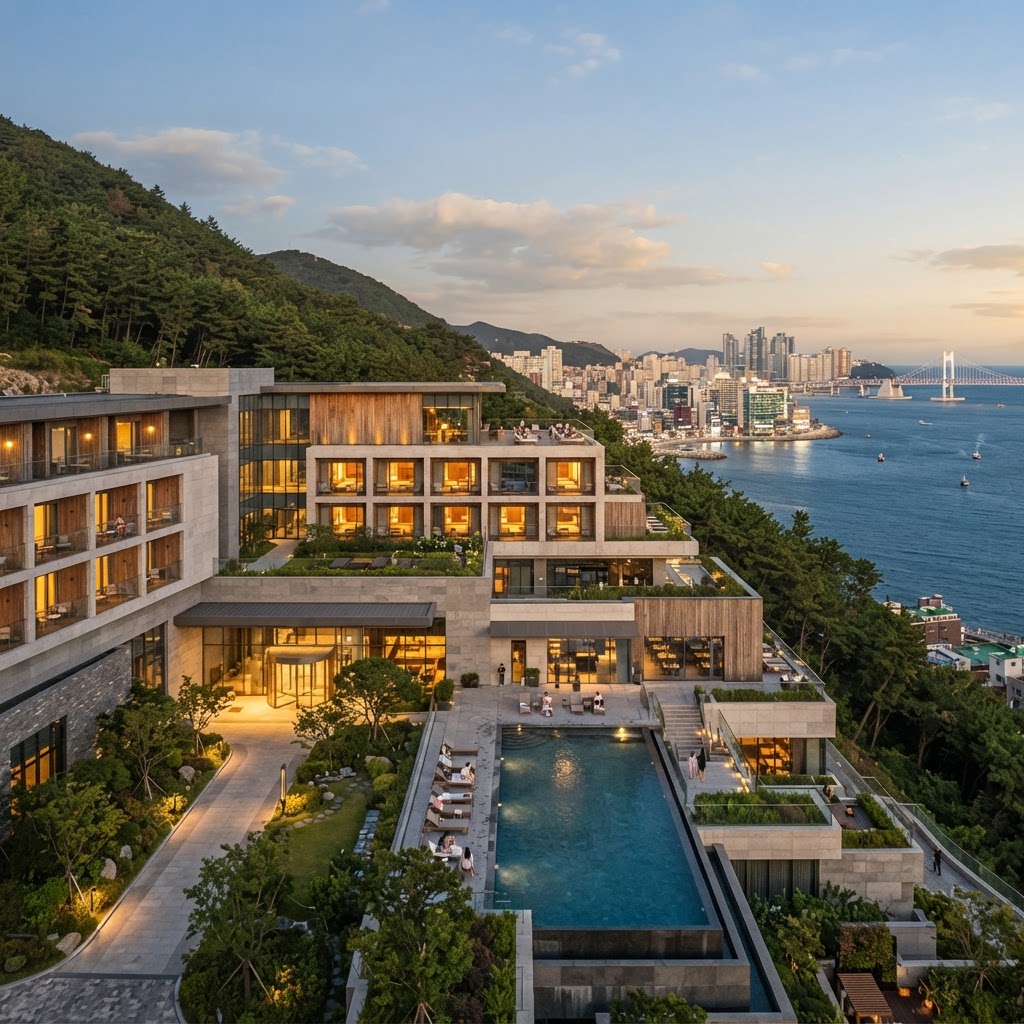
Buying hotels in South Korea presents a unique opportunity for investors looking to capitalize on the country's booming tourism industry and robust economic landscape. This comprehensive guide by Stay4Hospitality covers everything you need to know about entering the South Korean hotel market, from understanding the local property landscape and legal requirements to expert investment strategies. Whether you’re a seasoned investor or new to the hospitality sector, this resource aims to provide you with detailed insights and actionable steps to ensure a successful investment journey.
Key Takeaways
- South Korea offers a thriving market for hotel investments due to its strong tourism sector.
- Understanding local property laws and regulations is crucial for a smooth transaction.
- Expert strategies and step-by-step guidance can enhance your investment success.
- Thorough market research and due diligence are key to identifying lucrative opportunities.
- Stay4Hospitality provides essential tools and resources to assist in your hotel-buying process.
Understanding the South Korean Hotel Market
Understanding the South Korean Hotel Market
South Korea's hotel market in 2026 presents a dynamic and promising investment landscape, driven by its strategic location, cultural appeal, and technological advancements. This vibrant market is fueled by both domestic travel demand and a resurgence in international tourism.
Current Trends
The South Korean hotel industry is evolving to meet the needs of an increasingly diverse traveler demographic. From luxury hotels in Seoul's Gangnam district, known for its high Average Daily Rate (ADR) and appeal to business travelers, to mid-scale tourist hotels in Myeongdong, which cater heavily to the Chinese market, the range of hospitality offerings is vast. Additionally, resort hotels in Haeundae, Busan, experience seasonal peaks, while Jeju Island is popular for its resort and wellness properties.
Demand Drivers
Several factors are driving demand in the South Korean hotel market:
- Tourism Growth: Post-COVID recovery metrics show international visitor arrivals are expected to reach 11-13 million in 2024-2025, with Korea Tourism Organization projections suggesting a return to pre-pandemic levels of 17 million by 2026.
- Domestic Travel: South Korea maintains a robust domestic travel market, with over 80 million annual trips.
- Cultural and Medical Tourism: The wave of K-culture tourism and the growth of medical tourism, attracting over 400,000 medical tourists annually, are significant contributors to the market's vibrancy.
Market Dynamics
South Korea's hotel market is characterized by high occupancy rates, particularly in urban centers such as Seoul, Busan, and Incheon, where occupancy averages around 80%. Room rates for mid-range hotels hover around $150 per night. The influence of "K-Culture" and South Korea's advanced digital infrastructure further enhance its attractiveness for hotel investments.
For investors, understanding these dynamics is crucial for identifying opportunities and making informed decisions. The strategic focus should be on high-demand districts like Gangnam for luxury business hotels, Myeongdong for tourist accommodations, and Haeundae for seasonal resort investments.
To explore more about hotel investments in South Korea, visit our parent pillar page and related guides on hospitality market trends.
Step-by-Step Guide to Buying a Hotel in South Korea
Purchasing a hotel in South Korea involves several critical steps, each essential to ensuring a successful investment. Here is a detailed process to guide you:
1. Conduct Market Research
Begin by evaluating the South Korean hotel market to identify potential investment opportunities. Consider factors such as location, target demographics, and competition. Utilize platforms like Stay4Hospitality to gain insights into available properties and market trends.
2. Define Investment Goals
Clearly outline your investment objectives, whether they are focused on short-term capital gains or long-term operational profits. This will guide your decision-making process and property selection.
3. Assemble a Local Team
Engage local experts, including real estate agents, legal advisors, and financial consultants, who are familiar with South Korean regulations and market conditions. Their expertise will be invaluable in navigating the complexities of the purchase process.
4. Perform Due Diligence
Thoroughly investigate potential properties. This includes reviewing financial statements, assessing physical conditions, and verifying legal compliance. Ensure that there are no hidden liabilities or regulatory issues.
5. Secure Financing
Explore various funding options, from traditional bank loans to partnerships with local investors. Understanding the financial landscape is crucial to structuring your investment effectively.
6. Negotiate Terms
Once you've identified a property, engage in negotiations to agree on the terms of purchase. This includes price, payment schedules, and any contingencies.
7. Finalize the Purchase
Complete the transaction by fulfilling all legal and financial requirements. Ensure all contracts are reviewed by a legal expert to safeguard your interests.
Following this structured approach will help mitigate risks and enhance the likelihood of a successful hotel acquisition in South Korea.
Financial Considerations and Funding Options
Financial Considerations and Funding Options
Investing in South Korea's hotel industry requires a comprehensive understanding of financial planning and available funding avenues. Here, we delve into the financial aspects and funding strategies tailored for potential investors.
Initial Costs and Ongoing Expenses
Acquiring a hotel in South Korea involves several upfront costs:
- Purchase Price: Hotel prices vary significantly based on location and size, ranging from $5 million for smaller properties to over $100 million for luxury establishments in prime areas.
- Renovation and Refurbishment: Consider potential renovation costs, which can be substantial if the property requires modernization.
- Legal and Due Diligence Fees: Allocate funds for legal consultations and due diligence processes, typically ranging from 1% to 3% of the purchase price.
Financing Options
Investors have multiple avenues for financing hotel purchases in South Korea, each with unique requirements and benefits:
- Local Bank Loans: South Korean banks, including the Korea Development Bank (KDB), Industrial Bank of Korea (IBK), and Hana Bank/Shinhan Bank, offer commercial loans to foreign investors. Typical Loan-to-Value (LTV) ratios are 60-70% for foreign investors, compared to 70-80% for domestic buyers. Minimum equity requirements are crucial, and thorough credit assessments are conducted.
- Interest Rates and Loan Tenures: As of 2025-2026, interest rates for hotel acquisition loans range between 4-7%, with typical loan tenures spanning 10-20 years.
- Jeonse Deposit System: This unique Korean leasing system can impact hotel cash flow management. Under jeonse, tenants pay a large deposit instead of monthly rent, which can be used by hotel owners to manage operational costs or reinvest.
- International Financing: Global financial institutions may provide loans, but investors should be aware of currency exchange risks.
- Joint Ventures: Partnering with local investors can reduce financial exposure and enhance access to local market knowledge.
Investment Incentives
The South Korean government offers various incentives to attract foreign investment, such as tax breaks and grants, particularly for projects that promote tourism or create jobs.
Understanding these financial considerations and leveraging available funding options can strategically position investors in South Korea's thriving hotel market. For a detailed property valuation, visit our Property Valuation Tool. To calculate potential returns, use our ROI Calculator.
Related Resources
By exploring these financial strategies, investors can navigate the complexities of the South Korean hotel market with confidence.
Navigating Legal and Compliance Requirements
Navigating Legal and Compliance Requirements
Purchasing hotels in South Korea involves navigating a complex legal landscape, made manageable with informed guidance. Here’s a detailed look at the legal and compliance requirements to facilitate a successful investment.
Legal Framework
South Korea's legal system is robust, providing a reliable foundation for real estate transactions. Key legislation includes:
- Foreign Investment Promotion Act (FIPA): This act is pivotal for foreign investors, offering protections and facilitating acquisitions in the hospitality sector. Investments under $100 million USD typically require only notification, while larger investments may necessitate formal approval.
- Real Estate Registration: All property transactions must be registered with local government offices to secure legal ownership. This process includes paying a real estate registration tax of 4.6% for commercial properties.
Compliance Obligations
Investors must meet several compliance requirements:
- Permits and Licenses: Essential permits include a business registration (2-3 weeks) and a tourism business license from the Ministry of Culture, Sports and Tourism, which can take 4-8 weeks to process.
- Environmental Regulations: Compliance with environmental laws is crucial, especially for properties in conservation areas.
Documentation Requirements
Investors must prepare and submit specific documents, including:
- Copies of passports
- Proof of funds
- A business plan written in Korean
- Corporate registration certificates
- Tax clearance certificates
Investor Visa Categories
Foreign investors can apply for specific visas to facilitate their business activities:
- D-8 Visa: For corporate investment, requiring a minimum investment of $100,000 USD.
- D-9 Visa: For trade management purposes.
Contractual and Notarization Processes
Contracts must be in Korean and notarized to be legally binding. Engaging a local legal firm can ensure compliance with South Korean laws and aid in due diligence.
Taxation Considerations
Understanding taxation is critical:
- Acquisition Tax: This is typically 4% of the property’s value.
- Real Estate Registration Tax: Set at 4.6% for commercial properties.
Timeline Expectations
The entire process of acquiring a hotel in South Korea typically spans 3-6 months, including:
- Initial Notification: 1-2 weeks
- Business Registration: 2-3 weeks
- Tourism License: 4-8 weeks
Legal Assistance
Engaging a local legal firm is recommended to navigate regulatory requirements, perform due diligence, and ensure all contracts comply with South Korean laws.
By thoroughly understanding these legal and compliance considerations, investors can mitigate risks and ensure a smooth transaction. For more detailed guidance, visit our Complete Guide to Buying Hotels in South Korea.
Avoiding Common Pitfalls in Hotel Investments
Avoiding Common Pitfalls in Hotel Investments
Investing in hotels in South Korea presents a promising opportunity, yet it's crucial to navigate the landscape with precision to avoid common pitfalls. Here are some specific challenges investors face and strategies to mitigate them:
- Underestimating Jeonse Deposit System Complexity
- Mistake: Misunderstanding South Korea's unique jeonse deposit system can lead to cash flow issues.
- Strategy: Work with local financial advisors to integrate jeonse deposits into your working capital and cash flow forecasting.
- Overlooking Korean-Language Contract Requirements
- Mistake: Ignoring the necessity for contracts to be in Korean can incur unexpected translation and legal costs.
- Strategy: Budget for certified translation and legal review to ensure contract compliance and avoid disputes.
- Misjudging Seasonal Demand Fluctuations
- Mistake: Failing to anticipate demand changes during Chuseok and Lunar New Year can affect occupancy rates.
- Strategy: Adjust marketing and staffing strategies to cater to domestic travel peaks and international dips during these periods.
- Failing to Account for Ondol System Maintenance
- Mistake: Overlooking the cost and importance of maintaining ondol heating systems can affect guest satisfaction.
- Strategy: Include regular ondol maintenance in your operational budget to meet guest expectations.
- Ignoring Local Labor Law Requirements
- Mistake: Non-compliance with labor laws, such as mandatory severance pay reserves, can lead to legal issues.
- Strategy: Allocate 8.3% of wages for severance pay and consult with labor law experts to ensure full compliance.
- Underestimating Competition from Korean Hotel Chains
- Mistake: Neglecting the impact of established Korean hotel brands can affect market positioning.
- Strategy: Differentiate your offerings and build brand loyalty through unique experiences and superior service.
- Overlooking Building Age Restrictions and Seismic Retrofit Requirements
- Mistake: Ignoring the need for seismic retrofits in older buildings can delay operations and increase costs.
- Strategy: Conduct thorough inspections and budget for necessary retrofits to comply with building regulations.
- Failing to Budget for Mandatory Fire Safety Upgrades
- Mistake: Missing out on the latest fire safety regulations can result in fines and operational shutdowns.
- Strategy: Stay updated on 2023-2024 fire safety regulations and allocate funds for required upgrades.
By addressing these specific challenges, investors can better navigate the South Korean hotel market and ensure a successful investment. For more detailed guidance, visit our Complete Guide to Buying Hotels in South Korea.
Expert Strategies for Maximizing Returns
Expert Strategies for Maximizing Returns in South Korea
Maximizing returns on hotel investments in South Korea requires a strategic approach tailored to the local market. Here are some advanced strategies to enhance your investment outcomes:
Leverage South Korean Technological Advancements
Strategy: Integrate KakaoTalk for seamless guest communication, capitalizing on its 90%+ smartphone penetration in South Korea. List your hotel on Naver booking platforms alongside global OTAs, as Naver holds over 70% of the Korean search market share. Implement local mobile payment systems such as KakaoPay, Naver Pay, and Samsung Pay to cater to tech-savvy guests and streamline transactions.
Cater to Local Preferences
Strategy: Offer ondol heated rooms as a premium option to attract guests seeking traditional Korean comfort. Provide a Korean breakfast menu featuring rice, soup, and banchan side dishes alongside Western options. Ensure all rooms are equipped with bidet toilets, a standard expectation in South Korea, and supply complimentary Korean skincare amenities to enhance guest satisfaction.
Forge Corporate Partnerships
Strategy: Establish partnerships with major chaebols like Samsung, LG, and Hyundai to secure business traveler contracts. These collaborations can lead to steady bookings and increased brand recognition among corporate clients.
Explore Medical Tourism Opportunities
Strategy: Create medical tourism packages if your hotel is near major hospitals in areas like Gangnam or Bundang. This can attract international visitors seeking medical services, thereby diversifying your customer base.
Target Chinese Tour Groups
Strategy: Develop partnerships with Chinese tour operators to tap into the recovering market of Chinese tourists, who made up 30-40% of international visitors pre-COVID. Anticipate a resurgence around 2025-2026 and prepare tailored packages to attract these groups.
Optimize Returns with Financial Tools
Strategy: Utilize our ROI Calculator to assess potential returns on your investment. Tailor your financial strategies by analyzing market trends and adjusting your operations to maximize profitability.
By adopting these South Korea-specific strategies, investors can position their hotels to thrive in the competitive hospitality market and achieve substantial returns.
Market Benchmarks and Performance Metrics
Understanding market benchmarks and performance metrics is crucial for making informed investment decisions in the South Korean hotel market. Here are key metrics and data points to consider:
Occupancy Rates
In 2026, the average occupancy rate for hotels in South Korea is around 70-75%, with major cities like Seoul and Busan often exceeding these averages due to high tourist influx.
Revenue Per Available Room (RevPAR)
Metric: RevPAR is a critical indicator of a hotel's financial performance. In South Korea, the average RevPAR stands at approximately 100,000 KRW, varying significantly by region and hotel class.
Average Daily Rate (ADR)
Metric: ADR is a measure of the average rental income per paid occupied room. The national average ADR is 150,000 KRW, with luxury segments commanding higher rates.
Market Growth Trends
Insight: The South Korean hotel industry has been experiencing a steady growth rate of 5-7% annually, driven by increasing international visitors and domestic travel.
Customer Demographics
Insight: A significant portion of guests are international travelers, with a growing number of tourists from China and Southeast Asia. Understanding these demographics can aid in tailoring marketing efforts.
Next Steps and Resources for Hotel Investors
Next Steps and Resources for Hotel Investors
After gaining a comprehensive understanding of the hotel investment landscape in South Korea, it's crucial to take strategic actions and leverage available resources to advance your investment journey effectively.
Actionable Next Steps
- Conduct Due Diligence: Thoroughly vet potential properties for investment, considering both financial and operational factors. Assess the property's location, condition, and revenue potential.
- Engage Local Experts: Collaborate with renowned South Korean real estate brokers such as Cushman & Wakefield Korea, JLL Korea, and Savills Korea. These experts can provide invaluable insights into local market trends and opportunities. Additionally, consult with legal advisors specializing in the Foreign Investment Promotion Act to ensure compliance with South Korean regulations.
- Develop a Business Plan: Create a robust business plan that outlines your investment strategy, target market, and financial projections. Consider incorporating insights from local market analyses to tailor your approach to South Korean consumer preferences.
Downloadable Resources
- Hotel Investment Checklist: Download PDF
- South Korean Market Analysis Report: Download PDF
Links to Tools
- ROI Calculator: Use our tool
- Property Valuation Tool: Try it now
Related Articles
- Investing in Hospitality: A Beginner's Guide
- Understanding South Korea's Tourism Market
- Legal Considerations for Foreign Investors in South Korea
Additional Resources
- Exit Strategies: For insights into the full investment lifecycle, including potential exit strategies, visit our Sell Your Hotel in South Korea page.
By leveraging these resources and strategies, you can position yourself for success in the dynamic market of hotel investments in South Korea. Stay informed and proactive in your investment approach to maximize returns.
South Korea Hotel Acquisition Checklist
South Korea Hotel Acquisition Checklist
Embarking on a hotel acquisition in South Korea requires meticulous planning and execution. To assist you, we have crafted a comprehensive checklist that outlines each critical phase of the acquisition process. This checklist is designed to ensure that you cover all necessary steps, from initial research to the final handover.
Pre-acquisition Phase (Weeks 1-4):
- Conduct thorough market research to identify trends and opportunities.
- Select a strategic location based on target demographics and tourism influx.
- Perform a preliminary financial analysis to assess potential profitability.
Due Diligence Phase (Weeks 5-10):
- Undertake a detailed legal review of the property's history and contracts.
- Conduct a comprehensive property inspection to identify potential issues.
- Execute a financial audit to verify the hotel's financial health.
- Ensure license verification to comply with local regulations.
Legal & Regulatory Phase (Weeks 11-18):
- Submit FIPA notification for foreign investment approval.
- Complete business registration with local authorities.
- Apply for necessary tourism licenses to operate legally.
Financing Phase (Weeks 8-16, Parallel Track):
- Submit bank applications for financing options.
- Arrange equity from investors or partners.
- Secure loan approval to fund the acquisition.
Closing Phase (Weeks 19-24):
- Finalize contracts with all parties involved.
- Complete fund transfer to facilitate the purchase.
- Register the property and ensure a smooth handover.
For a detailed breakdown of documentation requirements, timeline milestones, and authority contact information, Download our complete South Korea Hotel Acquisition Checklist (PDF).
This checklist serves as a practical tool to streamline your acquisition journey, ensuring no critical step is overlooked. For further guidance, explore our related guides and tools available on our platform.
Frequently Asked Questions
Frequently Asked Questions
When considering an investment in South Korea's dynamic hotel sector, numerous questions often arise. Below are some of the most common inquiries from international investors looking to buy hotels in South Korea. These FAQs aim to provide clarity and guidance to help you make informed decisions.
What are the legal requirements for foreign investors buying hotels in South Korea?
Foreign investors must comply with South Korea’s real estate laws, which include obtaining necessary permits and adhering to foreign investment restrictions. It's crucial to consult with legal experts to navigate these regulations effectively.
How can I finance a hotel purchase in South Korea?
Financing options include local and international banks, private equity firms, and government incentives for foreign investors. Understanding the financial landscape and engaging with a financial advisor can streamline the process.
What are the current trends in the South Korean hotel market?
The South Korean hotel market is experiencing growth driven by increasing domestic tourism and international visitors. Key trends include the rise of boutique hotels and eco-friendly accommodations, reflecting changing consumer preferences.
Are there any restrictions on foreign ownership of hotels in South Korea?
While foreign ownership is generally permitted, certain areas may have restrictions. It’s important to conduct thorough due diligence and consult with local authorities to ensure compliance.
For a comprehensive list of FAQs, please visit our View all FAQs page, which provides detailed answers to these and other questions. This resource is designed to support your investment journey in South Korea’s thriving hospitality market.
---
Internal Links:
Schema Markup:
- Article
- WebPage
- BreadcrumbList
What are the key factors to consider when selecting a location for buying a hotel in South Korea?
When choosing a location for a hotel in South Korea, consider tourism trends, local attractions, and transport accessibility. Proximity to major airports or tra
How can foreign investors purchase hotels in South Korea?
Foreign investors can purchase hotels in South Korea by complying with the Foreign Investment Promotion Act. This involves registering with the Ministry of Trad
What is the current outlook for the hotel industry in South Korea in 2026?
As of 2026, the hotel industry in South Korea is experiencing steady growth, driven by increased international tourism and the popularity of K-culture. The gove
Are there any government incentives for hotel investments in South Korea?
The South Korean government offers various incentives to encourage foreign investment in the hospitality sector. These can include tax breaks, financial grants,
What are the typical costs involved in buying a hotel in South Korea?
The costs of buying a hotel in South Korea vary based on location, size, and type of property. Initial expenses include property price, legal fees, due diligenc
What legal due diligence should be conducted before purchasing a hotel in South Korea?
Before buying a hotel in South Korea, conduct thorough legal due diligence, including verifying property titles, checking for any encumbrances or liens, and ens
How does the competitive landscape affect hotel investment opportunities in South Korea?
The competitive landscape in South Korea's hotel market is influenced by established international brands and emerging local chains. Investors should analyze ma
Related Resources
- How to Buy a Hotel in Japan
- How to Buy a Hotel in Bangkok
- How to Buy a Hotel in Kyoto
- Hotel Valuation Formulas
- Contact Us
- planning to sell your hotel in South Korea
- What financing options are available for purchasing hospitality properties
- How do investors calculate ROI when evaluating hotel properties
- What Do Hotel Buyers Look For Before Making an Offer?
- How long does hotel due diligence typically take
- Property Valuation Tool
- Hospitality ROI Calculator
- AI Business Plan Generator
- browse hotels for sale across Asia
Browse hospitality properties for sale | List your property | Free valuation